


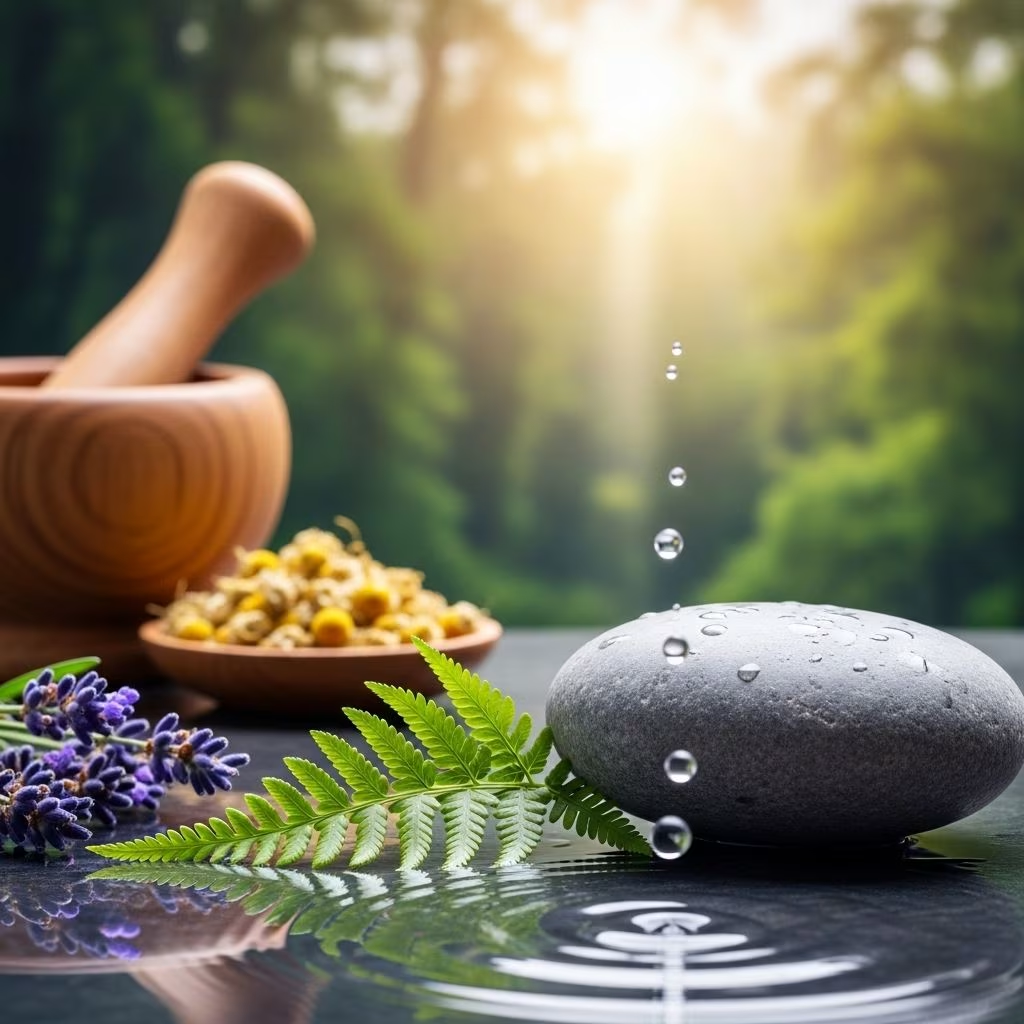
Natural Remedies for Anxiety: A Comprehensive Guide
Anxiety is a common experience in contemporary life, marked by feelings of unease, worry, and fear. For some, these sensations become chronic and interfere with everyday activities, prompting the search for relief beyond standard medications. This guide explores natural remedies for anxiety—from herbal supplements and nutrition to lifestyle strategies and holistic therapies—that can support your emotional well-being and help manage symptoms.
Understanding Anxiety
Anxiety disorders involve persistent, excessive worry or fear. While medical treatment and professional counseling are cornerstones of anxiety management, many people seek natural approaches—either as complementary therapies or standalone strategies when appropriate. It’s crucial to consult a healthcare professional before starting any new regimen, as even natural substances can interact with prescription medications or underlying health conditions.
Popular Herbal and Nutritional Remedies for Anxiety
For centuries, cultures worldwide have harnessed the calming effects of herbs and nutritional supplements. Modern research provides a more nuanced understanding of their potential benefits and limitations. Here are some of the most widely studied options:
- Lavender: Available as oil, capsules, or teas, lavender has a mild sedative effect. It may support relaxation and temporarily reduce anxiety symptoms, according to small-scale studies.
- Lemon Balm: Used traditionally to reduce stress and promote sleep, lemon balm is often consumed as tea or in supplement form. Some studies suggest it can improve mood and cognitive function under stress, though more research is needed.
- Chamomile: Known for its calming properties, chamomile is associated with modest reductions in anxiety, especially when consumed as tea. It’s generally well tolerated but can cause allergic reactions in people sensitive to related plants.
- Passionflower: This plant is believed to work by increasing levels of gamma-aminobutyric acid (GABA) in the brain, producing a calming effect. Research has compared passionflower favorably to certain anti-anxiety medications for mild symptoms, but larger studies are needed.
- Kava: Kava root has a long history in South Pacific culture as a ceremonial beverage. Compounds called kavalactones may induce relaxation by affecting neurotransmitters in the brain. While kava may help with short-term anxiety, it has been linked with rare but serious liver toxicity, leading to regulatory warnings in some countries.
- Ashwagandha: An adaptogenic herb in Ayurvedic medicine, ashwagandha may lower cortisol levels and help the body manage stress. It’s available in capsules and tinctures. Some studies show moderate benefits for anxiety, though side effects may occur, especially at high doses.
- Valerian Root: Traditionally used to promote sleep, valerian may aid in reducing anxiety by subtly increasing GABA activity in the brain. Evidence is mixed, and side effects or drug interactions are possible.
- Magnesium: An essential mineral, magnesium supports nervous system function and regulates neurotransmitters. Deficiency has been linked to anxiety, and supplementation may be helpful—especially when dietary intake is low.
- B Vitamins: B6, B12, and folate are involved in neurotransmitter synthesis. Some evidence suggests supplementation may benefit individuals with low baseline levels or high stress.
- Holy Basil: Used in traditional Ayurvedic practice, holy basil is thought to balance stress hormones and help stabilize mood, with preliminary research supporting its calming effects over extended use.
Note: Herbal supplements and nutritional remedies can interact with prescription medications and other health conditions. Speak to your healthcare provider before starting new supplements.
Table: Summary of Herbal/Nutritional Remedies for Anxiety
| Remedy | Possible Benefits | Considerations/Side Effects |
|---|---|---|
| Lavender | Relaxation, mild anxiety relief | Possible drowsiness, GI upset |
| Lemon Balm | Stress reduction, improved mood | May cause dizziness or GI discomfort |
| Chamomile | Sleep aid, anxiety reduction | Allergic reaction in sensitive individuals |
| Passionflower | May aid mild anxiety and insomnia | Rare side effects: drowsiness, confusion |
| Kava | Short-term anxiety relief | Liver toxicity risk, drug interactions |
| Ashwagandha | Stress adaptation, possible anxiety reduction | GI upset, potential for thyroid impact |
| Valerian Root | Calming, possible support for sleep and anxiety | Drowsiness, possible withdrawal symptoms |
| Magnesium | Nervous system support, possible anxiety benefit | Diarrhea at high doses, interacts with certain drugs |
| B Vitamins | Supports nervous system, mood regulation | Generally safe; caution at very high doses |
| Holy Basil | Balance stress hormones, mood stabilization | May lower blood sugar, potential medication interactions |
Holistic and Lifestyle Approaches to Anxiety Management
Beyond supplements, holistic methods focus on mind-body balance and the cultivation of healthy habits. The following approaches are supported by research for their positive effects on anxiety and overall well-being:
- Exercise: Physical activity increases endorphin production and reduces the body’s stress response. Activities such as brisk walking, swimming, cycling, and yoga are especially beneficial for managing anxiety.
- Mindfulness and Meditation: Practices that emphasize present-moment awareness, such as mindfulness meditation, help interrupt cycles of negative thought. Even brief daily sessions can have cumulative benefits.
- Deep Breathing and Relaxation Techniques: Controlled breathing exercises—like diaphragmatic breathing or progressive muscle relaxation—trigger the parasympathetic nervous system and promote calmness.
- Sleep Hygiene: Ensuring sufficient, high-quality sleep is foundational to anxiety resilience. Setting a regular bedtime, limiting screen time before bed, and using relaxation techniques can greatly improve sleep.
- Aromatherapy: The use of essential oils (such as lavender or chamomile) through diffusion or topical application may support relaxation and reduce symptoms of tension.
- Nutrition: A well-balanced diet rich in omega-3 fatty acids, unprocessed grains, lean proteins, and plenty of fruits and vegetables supports brain health and emotional stability.
- Avoidance of Stimulants and Alcohol: Limiting caffeine and alcohol can reduce jitteriness and mood fluctuations.
- Biofeedback and Acupuncture: These alternative therapies use external devices or needle placement to influence the body’s stress response, though individual reactions may vary.
Integrative Strategies: Combining Remedies for Best Outcomes
Many people benefit from integrating several natural and lifestyle-based remedies in combination with, or as a complement to, conventional therapies. For instance:
- Practicing daily mindfulness meditation and gentle yoga for emotional grounding
- Consuming chamomile tea in the evening and using lavender aromatherapy
- Supplementing a balanced diet with magnesium and B vitamins as suggested by a healthcare provider
Always inform your healthcare provider about all alternative approaches you’re using. Some herbs and supplements can interact with medications such as antidepressants or benzodiazepines, causing harmful effects.
When to Seek Professional Help
Natural remedies provide important tools for managing mild symptoms of anxiety, but they are not a replacement for professional treatment when symptoms are severe, persistent, or worsening. Seek prompt medical attention if you experience:
- Panic attacks that disrupt daily life
- Thoughts of self-harm or suicide
- Inability to function at work, school, or socially
- Severe insomnia or rapid physical health decline
Anxiety disorders are medical conditions and deserve the same attention and care as physical illnesses. Licensed therapists, counselors, and psychiatrists can provide effective evidence-based treatments, including cognitive-behavioral therapy (CBT), exposure therapy, and medication when needed.
Frequently Asked Questions (FAQs)
Q: Are natural remedies effective for all types of anxiety disorders?
A: Natural remedies may provide relief for mild symptoms or as an adjunct to therapy, but they are not a substitute for medical treatment in cases of severe anxiety, panic disorder, or co-occurring mental health conditions. Large, well-designed studies are still needed to confirm their effectiveness for specific anxiety types.
Q: Are herbal supplements for anxiety safe?
A: Herbal supplements can have side effects, interact with prescription medications, or worsen certain health conditions. Always discuss with a healthcare provider before use, particularly with herbs like kava and valerian, which have known liver toxicity risks when used improperly.
Q: How soon can I expect results from natural remedies?
A: The timeline varies depending on the remedy and the individual. Some, like deep breathing or aromatherapy, may work within minutes for temporary relief, while others, like adaptogenic herbs or nutritional changes, may require weeks to months for noticeable benefits.
Q: Can dietary changes help reduce anxiety?
A: Yes, a well-balanced diet rich in vegetables, whole grains, lean proteins, and healthy fats supports brain health and emotional regulation. Specific nutrients like magnesium and B vitamins may be beneficial for some people.
Q: What role does exercise play in managing anxiety?
A: Regular aerobic and strength-building exercise releases endorphins and lowers stress hormones, contributing to reduced anxiety and improved mood. Activities such as yoga, swimming, or brisk walking are especially beneficial.
Quick Tips for Implementing Natural Anxiety Remedies
- Start with one change at a time (such as an evening cup of chamomile tea or a short daily walk).
- Keep a journal to record your mood, energy, and symptoms to track what works best for you.
- Prioritize good sleep hygiene and hydrate well throughout the day.
- Practice mindful breathing or relaxation techniques during moments of heightened anxiety.
- Consult a professional for personalized nutritional or supplement advice.
References and Further Reading
- Research on complementary and alternative medicine for anxiety (EBSCO, PubMed)
- Clinical guidelines from mental health organizations
- Books and articles on holistic mental health approaches
This guide is for informational purposes only and not a substitute for professional diagnosis or treatment. If you or someone you know is struggling with anxiety, consult a qualified healthcare professional.
References
- https://www.ebsco.com/research-starters/complementary-and-alternative-medicine/natural-treatments-anxiety-and-panic
- https://www.webmd.com/anxiety-panic/natural-remedies-for-anxiety
- https://www.goodrx.com/conditions/generalized-anxiety-disorder/otc-remedies-anxiety
- https://www.jeffersonhealth.org/your-health/living-well/8-supplements-that-can-help-reduce-anxiety-according-to-a-psych
- https://www.jeanhailes.org.au/health-a-z/anxiety/anxiety-and-natural-therapies
- https://www.healthline.com/health/natural-ways-to-reduce-anxiety
- https://pmc.ncbi.nlm.nih.gov/articles/PMC2959081/
- https://www.dignityhealth.org/articles/anxiety-treatment-without-medication-7-holistic-ways-to-cope
- https://saliencehealth.com/news/natural-remedies-for-anxiety/


