


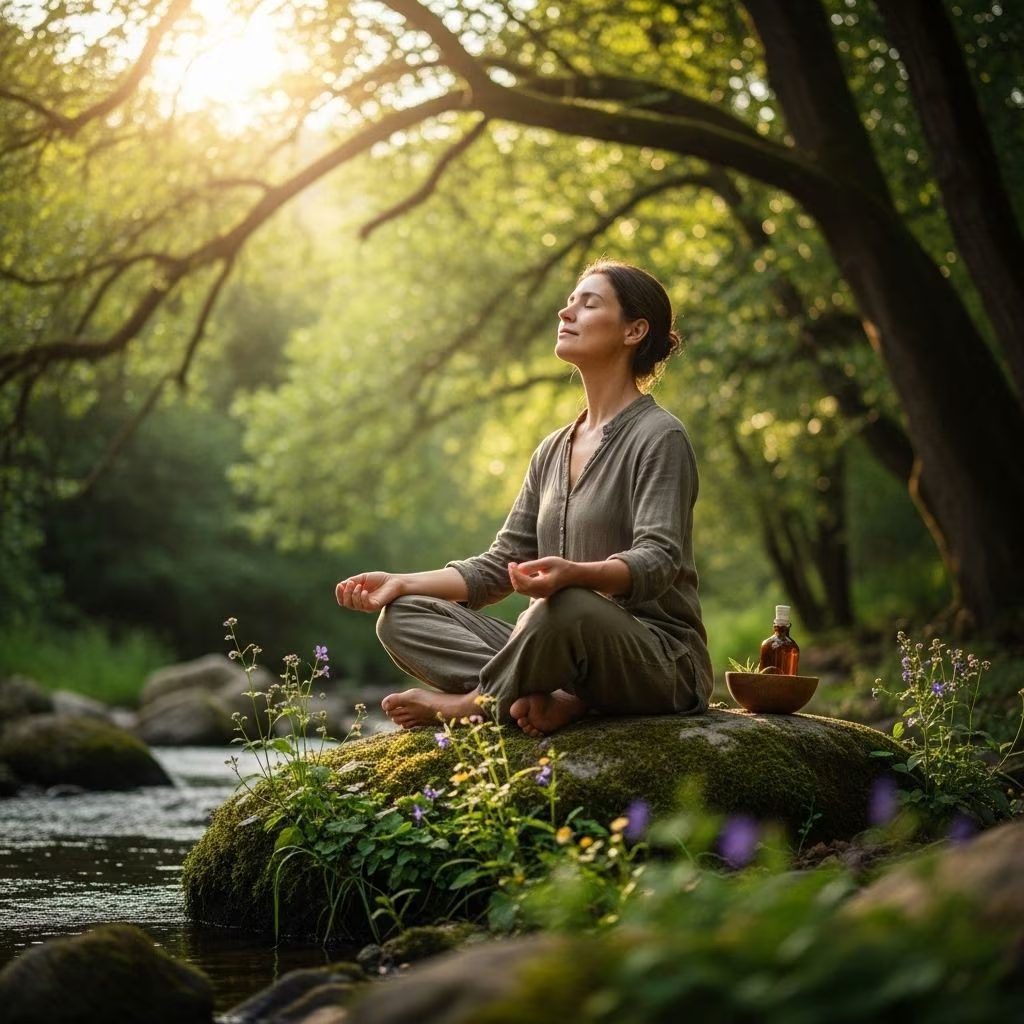
Natural Remedies for Managing Anxiety
Anxiety is a common challenge in today’s fast-paced world, impacting millions of individuals in different ways. While conventional treatments such as medication and therapy are effective for many, a growing number of people are seeking natural remedies to help manage anxiety symptoms for a more holistic sense of well-being. This guide offers a thorough exploration of proven natural strategies, herbs, supplements, and lifestyle practices to support mental calm and resilience.
Understanding Anxiety and Its Impact
Anxiety is more than just feeling occasionally nervous or worried. It can manifest as persistent, excessive concern that interferes with daily life, affecting mood, focus, relationships, and physical health. Common symptoms include:
- Restlessness or feeling “on edge”
- Fatigue
- Irritability
- Difficulty concentrating
- Muscle tension
- Sleep disturbances
While everyone experiences anxiety differently, natural approaches can be a valuable part of a well-rounded management plan—especially when used alongside conventional therapies and with guidance from healthcare providers[10].
Top Natural Remedies for Anxiety
The following sections outline some of the most effective and well-researched natural remedies for managing anxiety. Each approach should be considered within the context of your unique health needs and in discussion with your healthcare provider.
1. Herbal Remedies
Herbal medicine has a long history in anxiety management. Modern research supports the use of certain herbs for their calming, mood-stabilizing, or adaptogenic effects. Here are some leading herbal options:
- Chamomile: Renowned for its gentle, soothing qualities, chamomile tea or supplements may ease symptoms of generalized anxiety disorder. Several studies indicate its potential for reducing anxiety and improving sleep[10].
- Lavender: Available as essential oils, supplements, or teas, lavender has demonstrated calming properties in clinical studies. Inhaling lavender oil or using it for aromatherapy can promote relaxation.
- Lemon Balm: The leaves of Melissa officinalis are traditionally used for mild anxiety, nervousness, and sleep issues. Recent research supports its use for stress reduction with a generally safe profile.
- Passionflower: Used both as a tea and supplement, passionflower interacts with GABA receptors in the brain to encourage calm. It may be as effective as certain prescription medications for mild anxiety in some studies.
- Kava: Derived from Pacific Island plants, kava’s kavalactones may directly reduce anxiety symptoms. However, users must exercise caution due to concerns over potential liver toxicity, especially with prolonged or high-dose use.
- Valerian Root: Long used as a natural sedative, valerian is sometimes helpful for anxiety and sleep. Studies are mixed, and valerian also carries a risk of side effects, particularly if combined with other calming medications.
- Ashwagandha: An adaptogen from Ayurvedic medicine, ashwagandha helps the body manage stress by modulating cortisol levels, potentially reducing both anxiety and insomnia[10].
- Holy Basil (Tulsi): Another adaptogen, holy basil may offer benefits with long-term use, but more comprehensive research is needed to determine optimal dosing.
Note: Always inform your healthcare provider about any herbs or supplements you use, as many can interact with prescription medications or cause unexpected side effects. The quality, source, and correct dosage are critical to safety and efficacy[10].
| Herb | Main Benefit | Evidence Level | Risks/Considerations |
|---|---|---|---|
| Chamomile | Generalized anxiety, sleep support | Good for mild cases | Possible allergies |
| Kava | Short-term anxiety relief | Fair | Liver health concerns |
| Lavender | Calming, relaxation | Moderate | Rare skin sensitivity (oil) |
| Valerian Root | Anxiety, sleep | Mixed | Interactions, withdrawal possible |
| Ashwagandha | Stress and anxiety adaptation | Strong for stress | Monitor thyroid function |
| Lemon Balm | Stress reduction, mood | Moderate | Generally safe |
| Passionflower | Anxiety, mood regulation | Promising | Possible drowsiness |
2. Vitamins, Minerals, and Nutritional Supplements
Many vitamins and minerals play a pivotal role in brain and mood health. Some supplements may help regulate nervous system function and support stress response:
- B Vitamins: Particularly B6 and B12, these vitamins are crucial for nervous system health. Some people with anxiety may have lower B vitamin levels, and while studies are mixed, supplementation can help restore balance for those deficient[10].
- Magnesium: This mineral is involved in hundreds of biological processes, including nerve regulation and muscle relaxation. Inadequate magnesium can increase vulnerability to anxiety, and supplementation may be beneficial for those at risk.
- Omega-3 Fatty Acids: Found in fish oils and certain plant oils, omega-3s have anti-inflammatory and protective effects on the brain. Early research suggests regular intake may positively impact mood and anxiety[10].
Always follow medical guidance regarding dosage, especially with fat-soluble vitamins and minerals, due to the risk of toxicity with excessive intake.
3. Lifestyle Strategies for Anxiety Relief
Beyond herbs and supplements, several lifestyle practices have a strong evidence base for supporting emotional regulation, reducing stress hormones, and promoting calm:
- Exercise: Physical activity triggers the release of endorphins—natural mood lifters—and helps focus the mind away from stressors. Regular movement, from brisk walking to yoga or swimming, is linked to lower overall anxiety.
- Mindfulness and Meditation: Practicing mindfulness means paying present-moment, non-judgmental attention to your thoughts and feelings. Techniques such as guided meditations and breathing exercises can decrease anxiety symptoms and build emotional resilience.
- Breathwork: Slow, deep breathing and structured exercises (like the 4-7-8 technique) activate the parasympathetic nervous system, reducing fight-or-flight responses and fostering calm.
- Yoga and Tai Chi: These movement-based mind-body practices combine gentle physical activity with meditation and controlled breathing, demonstrating benefits for anxiety and overall stress management[10].
- Sleep Hygiene: Quality sleep is foundational for mental health. Sleep deprivation increases anxiety sensitivity, so prioritize regular sleep routines, a calming bedtime environment, and limiting screens before sleep[10].
4. Additional Complementary Approaches
- Aromatherapy: Allowing calming essential oils (such as lavender or bergamot) to diffuse in your environment can support feelings of relaxation. Aromatherapy is safe for most, but sensitive individuals should be cautious with direct skin contact or inhalation[10].
- Massage Therapy: Massages reduce muscle tension and encourage relaxation, often leading to marked improvements in mood and emotional balance for those with chronic anxiety.
- Acupuncture: Rooted in traditional Chinese medicine, acupuncture may activate the body’s natural relaxation response and offer symptom relief for some individuals with anxiety[10].
Guidelines for Safe Use of Natural Remedies
- Always engage your healthcare provider when starting any new supplement, herb, or therapy—especially if you are already taking prescription medications.
- Purchase products from reputable manufacturers to ensure safety and quality.
- Begin with lower dosages and closely monitor your body’s response.
- Monitor for allergic reactions, side effects, or interactions.
- Natural remedies are not meant to replace professional mental health care for severe or persistent anxiety.
When to Seek Professional Help
If anxiety symptoms:
- Persist for weeks or interfere with your ability to function at home, work, or socially
- Lead to panic attacks or thoughts of self-harm
Always reach out to a healthcare professional or mental health provider for a comprehensive evaluation and support. Natural remedies can complement, but not replace, established treatments for anxiety disorders.
Frequently Asked Questions (FAQs)
Q: Are herbal remedies as effective as prescription medications for anxiety?
A: Herbal remedies may benefit mild to moderate anxiety, and some (like chamomile and kava) have clinical evidence supporting their use. However, they are not as rigorously studied or standardized as prescription medications and may not be effective for severe or persistent anxiety. Always consult your doctor before starting any herbal supplement[10].
Q: Can supplements for anxiety interact with other medications?
A: Yes. Herbs like kava, valerian, and St. John’s wort can interact with sedatives, antidepressants, and other prescription medications, increasing the risk of side effects or altering drug effectiveness. Inform your healthcare provider about all products you use[10].
Q: Is it safe to use multiple natural remedies at once?
A: Combining supplements, herbs, or alternative therapies can increase the risk of interactions or side effects. Only use one new product at a time initially, and consult a healthcare professional for guidance on safe combinations[10].
Q: Are natural remedies for anxiety evidence-based?
A: Some remedies, such as chamomile, ashwagandha, and kava, have promising research support. Others have limited or mixed evidence, and the quality of studies can vary substantially. Many natural interventions can be safe and helpful as part of a holistic approach, but should be chosen thoughtfully and discussed with a provider[10].
Q: What lifestyle changes can help reduce anxiety naturally?
A: Proven strategies include daily physical activity, structured sleep routines, mindfulness or meditation, healthy nutrition, and building strong social connections. Combining lifestyle changes with evidence-based natural remedies may offer the most effective anxiety management for many individuals[10].
Conclusion
Finding the most suitable path to easing anxiety is often a process that involves blending established therapies with safe, evidence-informed natural practices. Whether you try gentle herbal infusions, movement-based relaxation, or nutritional support, the goal is to create a comprehensive routine that meets your needs and fosters overall well-being. Consulting healthcare professionals, prioritizing safety, and adopting a holistic view will empower you to navigate anxiety with resilience and confidence.
References
- https://www.webmd.com/anxiety-panic/natural-remedies-for-anxiety
- https://www.mayoclinic.org/diseases-conditions/generalized-anxiety-disorder/expert-answers/herbal-treatment-for-anxiety/faq-20057945
- https://www.goodrx.com/conditions/generalized-anxiety-disorder/otc-remedies-anxiety
- https://www.healthline.com/health/natural-ways-to-reduce-anxiety
- https://www.jeffersonhealth.org/your-health/living-well/8-supplements-that-can-help-reduce-anxiety-according-to-a-psych
- https://saliencehealth.com/news/natural-remedies-for-anxiety/
- https://pmc.ncbi.nlm.nih.gov/articles/PMC2959081/
- https://www.ebsco.com/research-starters/complementary-and-alternative-medicine/natural-treatments-anxiety-and-panic
- https://www.dignityhealth.org/articles/anxiety-treatment-without-medication-7-holistic-ways-to-cope
- https://www.jeanhailes.org.au/health-a-z/anxiety/anxiety-and-natural-therapies


