


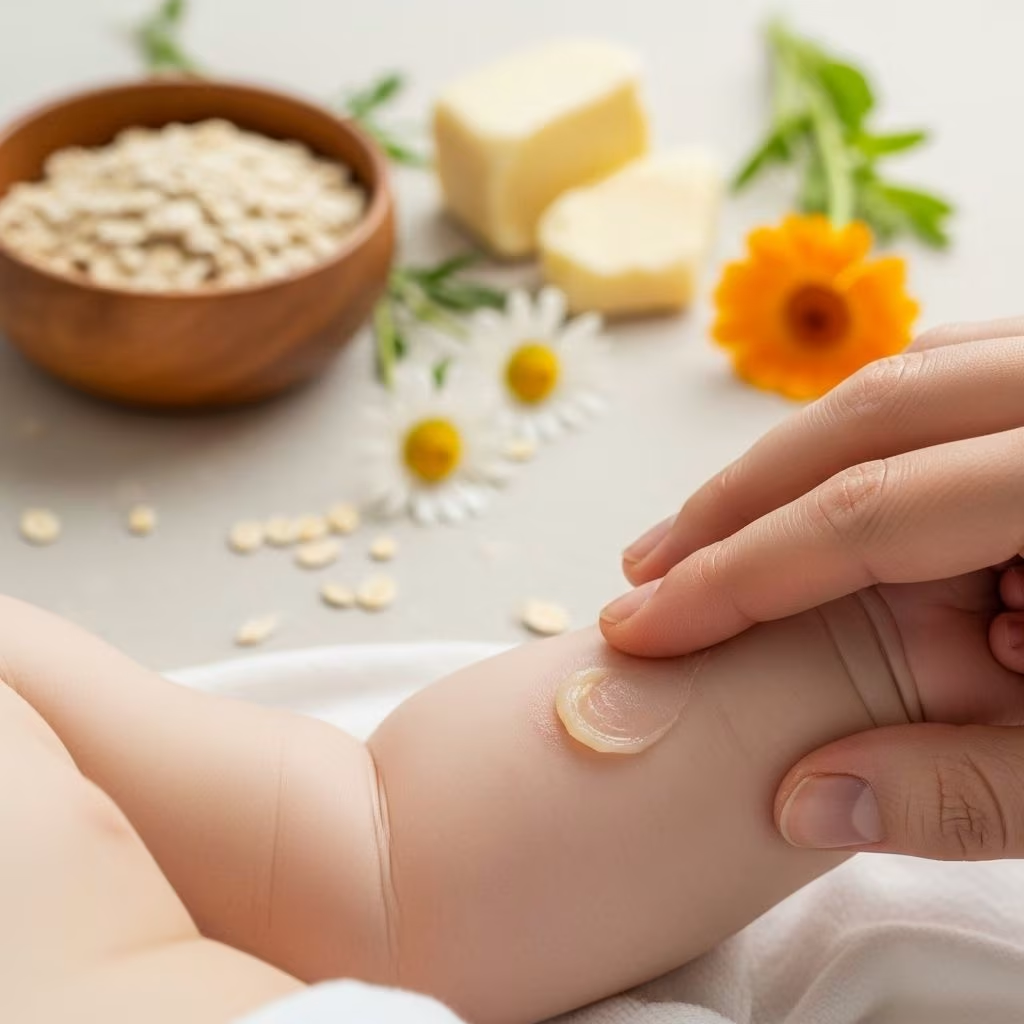
Natural Remedies for Baby Eczema: Gentle Solutions for Sensitive Skin
Baby eczema, also called infantile atopic dermatitis, is a common skin condition that causes itchy, dry, and inflamed patches on your child’s delicate skin. Parents often search for safe, natural solutions to ease their child’s discomfort given the sensitivity of baby skin. This comprehensive guide explores evidence-based natural remedies, lifestyle adjustments, and gentle skincare tips to soothe symptoms and help prevent eczema flare-ups, all while nurturing your baby’s well-being.
Understanding Baby Eczema
Eczema is a chronic inflammatory skin disorder that typically appears as red, dry, or scaly rashes on the cheeks, arms, legs, or trunk. On darker skin tones, eczema may look brown, purple, or gray rather than red. While the exact cause is unclear, genetics, immune system triggers, and environmental factors contribute to eczema’s development. Although there is no permanent cure, most children see improvement or outgrow eczema by age 3 to 5.
Common Eczema Triggers in Babies
- Dry skin (especially in winter)
- Heat and sweat
- Certain soaps, detergents, or fabrics
- Saliva (drooling), food residue
- Allergens (dust mites, pollen, pet dander)
- Skin infections or scratching
How Natural Remedies Help
Natural remedies may help soothe itchiness, redness, irritation, and dryness while supporting your baby’s skin barrier. These options are not replacements for medical treatment when indicated, but can safely complement your doctor’s recommendations. Always consult your pediatrician before starting new remedies, especially in young infants.
Top Natural Remedies for Soothing Baby Eczema
1. Moisturizing: The Cornerstone of Eczema Management
Keeping the skin well-moisturized both prevents and relieves eczema symptoms. Natural moisturizers nourish the skin barrier and help lock in hydration after baths. Dermatologist-recommended choices include:
- Coconut oil: Rich in fatty acids and natural antibacterial properties, cold-pressed coconut oil helps moisturize and protect eczema-prone skin.
- Sunflower seed oil: Helps restore and reinforce the skin barrier, and has gentle anti-inflammatory effects.
- Petroleum jelly (Vaseline) or fragrance-free ointments: Simple, hypoallergenic products that seal in moisture best when applied right after a bath.
- Colloidal oatmeal creams: Oat-based lotions are especially soothing, reduce itch, and calm inflammation.
Apply a thick layer of moisturizer twice a day, especially after bathing, and reapply as needed throughout the day.
2. Colloidal Oatmeal Baths
Colloidal oatmeal is finely ground oats containing natural compounds that provide antioxidant and anti-inflammatory benefits for the skin. An oatmeal bath can relieve dry, itchy, irritated skin and help reduce flare-up frequency.
- Add about 1 cup of colloidal oatmeal powder to lukewarm bath water and stir to dissolve.
- Let your baby soak for 10-15 minutes under supervision.
- Gently pat (don’t rub) your baby’s skin dry and apply a moisturizer within 3 minutes.
Colloidal oatmeal is found in many eczema-friendly creams and bath treatments.
3. Aloe Vera Gel
Aloe vera gel has been used for centuries as a healing and soothing natural remedy. It offers antibacterial, antimicrobial, and wound-healing properties that may protect against skin infections and calm inflammation. Choose pure aloe vera gel (without added fragrances or alcohol) and do a small patch test before widespread use.
- Apply a thin layer to affected areas for cooling, soothing relief.
- Allow to dry before putting on clothing or layers.
4. Coconut Oil
Virgin coconut oil has emollient properties that hydrate and smooth the skin, while its natural antibacterial effects help reduce risk of secondary skin infection often seen in eczema-prone babies. Several studies show coconut oil use reduces staph bacteria on the skin markedly more than some other oils.
- Warm the coconut oil between your hands and apply gently to clean, dry skin—especially immediately after a bath.
- Reapply as needed; discontinue use if your baby develops any irritation or sensitivity.
5. Sunflower Seed Oil
Sunflower seed oil is rich in linoleic acid, which helps maintain the skin’s moisture barrier and reduce inflammation. It is safe for most babies and less likely than olive oil to disrupt skin barrier function.
- Apply a thin layer to damp skin after bathing.
- Use pure, cold-pressed, unrefined versions without added fragrances or additives.
6. Apple Cider Vinegar Baths (With Caution)
Apple cider vinegar (ACV) is sometimes used, diluted, in bath water as a natural way to restore the skin’s acidity and reduce growth of harmful bacteria. However, ACV is acidic and must always be diluted—undiluted vinegar may cause chemical burns even on healthy skin.
- Dilute 1-2 cups ACV in a full bathtub of lukewarm water (use much less for infant or baby baths).
- Let your child soak for up to 10 minutes, then rinse thoroughly and moisturize right after.
- Never apply undiluted vinegar to a baby’s skin. Check with your pediatrician before using.
7. Cool Compresses for Itch Relief
For immediate itch relief, applying a cool, damp washcloth can help calm inflamed and itchy skin. This method is gentle and can be repeated as needed.
- Soak a clean washcloth in cool water, wring out excess, and place over irritated areas for 10-15 minutes.
- After removing, apply moisturizer to the treated skin to seal in moisture.
8. Bleach Baths (Medical Supervision Recommended)
Diluted bleach baths may help reduce the risk of infection and calm inflammation when recommended by your child’s healthcare provider. Bleach kills bacteria (like Staphylococcus aureus) frequently found on eczema-prone skin. Always use in the correct, very dilute concentration under medical advice.
- Add 1/4 to 1/2 cup of plain household bleach (6%) to a full bathtub (about 40 gallons) of water, or use a much smaller amount for baby baths—ask your provider.
- Soak for 5-10 minutes. Avoid eyes and mouth. Rinse with fresh water after.
- Moisturize immediately after patting dry.
Gentle Skincare Habits for Managing Baby Eczema
1. Bathing Routine
- Use lukewarm water (not hot), with baths lasting 5-10 minutes.
- Choose ultra-mild, fragrance-free, hypoallergenic cleansers (no harsh soaps).
- Limit soap to visibly dirty areas, hands, feet, and diaper area.
- After bathing, gently pat—not rub—your baby dry, leaving skin a little damp.
- Apply moisturizer within three minutes for best absorption.
2. Moisturizing Frequency
- Moisturize at least twice a day, and more often if skin appears dry or after each diaper change.
- Opt for thick, ointment-based products over lotions, which may contain additives.
3. Choosing Baby Clothing
- Soft, breathable fabrics—such as cotton—are best; avoid wool or scratchy synthetics.
- Wash new clothes before wear using fragrance-free, hypoallergenic detergents.
- Dress baby in layers to prevent overheating and sweating, which can trigger eczema.
4. Reducing Irritants at Home
- Avoid room fragrances and strong cleaning products where your baby sleeps or plays.
- Keep nails trimmed short, and consider using cotton mittens to reduce scratching during sleep.
- Use a humidifier in dry seasons to maintain adequate air moisture.
Frequently Asked Questions (FAQs)
Q: Are natural remedies safe for all babies with eczema?
A: Most natural remedies are gentle, but every baby’s skin is unique. Always consult your pediatrician before starting new treatments, especially for infants or if your child’s eczema is severe.
Q: Can babies “outgrow” eczema?
A: Many children improve or see eczema clear completely by ages 3 to 5, but some may have flare-ups into adolescence or adulthood. Proper skincare can help minimize long-term problems.
Q: Does diet play a role in baby eczema?
A: Food allergies can trigger or worsen eczema in some babies, particularly if a close family member has allergies. Discuss potential triggers with your healthcare provider before making dietary changes.
Q: What should I do if natural remedies do not help?
A: If eczema persists, worsens, becomes weepy, crusty, or is accompanied by a fever, seek medical advice. Sometimes, prescription medications or medicated creams are required to calm severe inflammation or infection.
Q: Are there any alternative therapies to avoid?
A: Avoid any products with added fragrances, harsh essential oils, or untested herbal mixtures. Never apply undiluted apple cider vinegar, tea tree oil, or other strong substances, as they may irritate baby’s skin.
When to See a Doctor
Consult your pediatrician if:
- The eczema is not improving with gentle care and moisturization.
- Your baby has open sores, signs of infection (yellowish crust, pus), or develops a fever.
- Eczema impacts sleep, feeding, or quality of life.
- You are considering bleach baths or other less common remedies.
A healthcare provider can help determine the best combination of natural and medical treatments for your child’s skin.
Quick Reference Table: Natural Baby Eczema Remedies
| Remedy | How to Use | Special Notes |
|---|---|---|
| Coconut Oil | Apply a small amount to skin after bathing or on flare-ups | Patch test for allergies; discontinue if irritation develops |
| Colloidal Oatmeal Bath | Add to lukewarm bath; soak 10-15 min; moisturize after | Ensure oatmeal is well-dissolved; supervise bath |
| Aloe Vera Gel | Apply thin layer to affected skin for soothing | Use pure, additive-free gel; patch test first |
| Sunflower Oil | Smooth onto damp skin after bathing | Choose unrefined, cold-pressed oil |
| Apple Cider Vinegar Bath | Very dilute in bath water; soak up to 10 min | Always dilute; consult doctor first |
| Bleach Bath | Dilute in bath under medical direction | Consult doctor for correct concentration and use |
| Cool Compress | Apply a damp, cool washcloth to itchy areas | Follow with moisturizer for best results |
Key Prevention Strategies
- Daily gentle skin care: Short, lukewarm baths with fragrance-free cleansers.
- Regular moisturizing: Lock in moisture after every bath and throughout the day.
- Avoid known triggers: Heat, harsh soaps, rough fabrics, and allergens.
- Manage environment: Use a humidifier, wash clothes with mild detergent, dress in layers.
With patience and a consistent, gentle approach, most babies find relief from eczema’s discomfort. Always partner with your healthcare provider for ongoing support and guidance.
References
- https://nationaleczema.org/blog/natural-treatments-for-eczema/
- https://my.clevelandclinic.org/health/diseases/23408-baby-eczema
- https://www.medicalnewstoday.com/articles/324228
- https://www.happyskindermatology.com/2024/05/24/top-10-tips-to-help-treat-baby-eczema/
- https://www.mayoclinic.org/diseases-conditions/atopic-dermatitis-eczema/expert-answers/baby-eczema/faq-20450999
- https://www.aad.org/public/diseases/eczema/childhood/itch-relief/home-remedies
- https://www.healthychildren.org/English/health-issues/conditions/skin/Pages/How-to-Treat-and-Control-Eczema-Rashes-in-Children.aspx
- https://www.mustelausa.com/blogs/mustela-mag/alternative-and-natural-eczema-treatments-the-complete-parent-s-guide


