


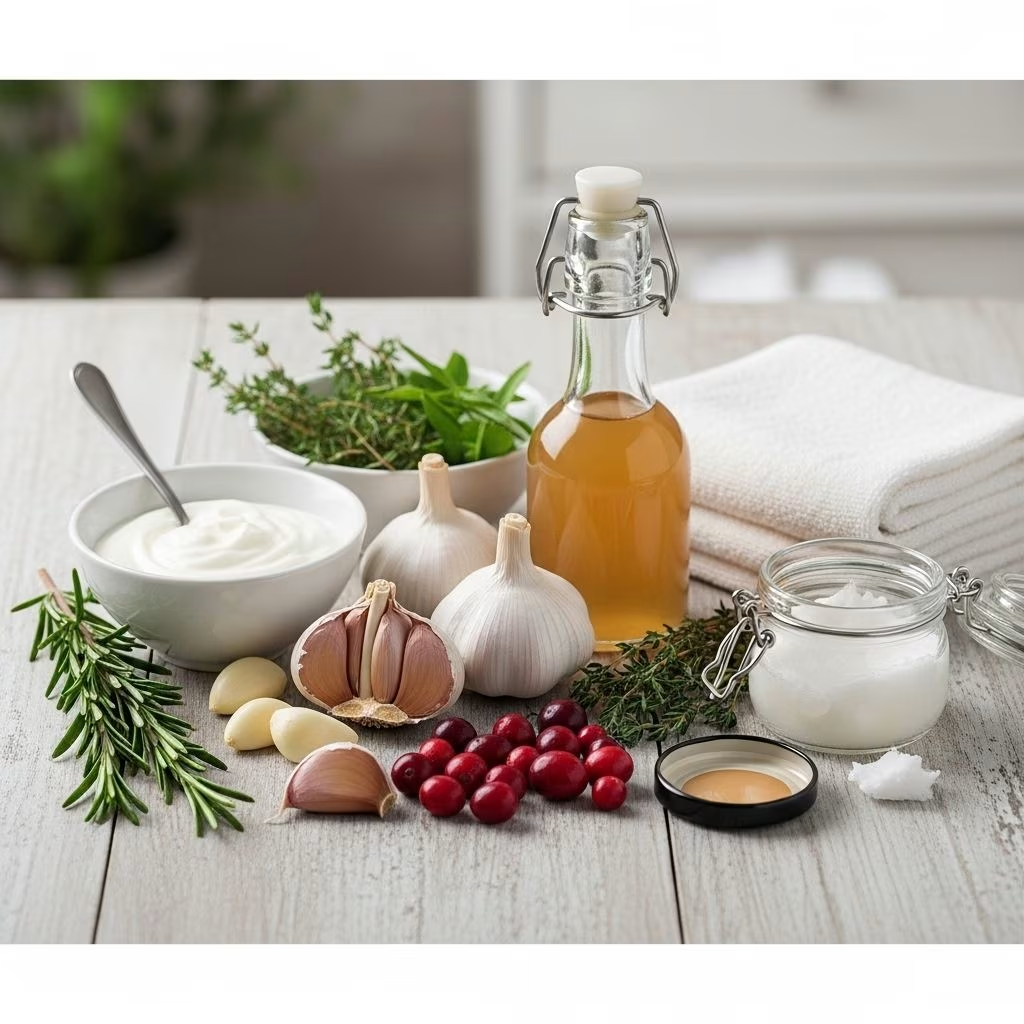
Natural Remedies for Bacterial Vaginosis: A Comprehensive Guide
Bacterial vaginosis (BV) is a common vaginal condition resulting from the imbalance between good and harmful bacteria in the vaginal microbiome. Affecting millions of women worldwide, BV often causes uncomfortable symptoms, including unusual vaginal discharge, unpleasant odor, itching, and irritation. While antibiotics remain the standard treatment, many seek natural remedies to relieve symptoms and maintain healthy vaginal flora. This guide provides an in-depth look at evidence-based natural remedies, lifestyle changes, and frequently asked questions regarding BV management.
Understanding Bacterial Vaginosis
Bacterial vaginosis is caused primarily by an overgrowth of certain anaerobic bacteria that disrupt the balance of Lactobacillus species in the vagina. Instead of the usual dominance of Lactobacillus, which keeps the vaginal environment slightly acidic and prevents overgrowth of pathogens, BV involves harmful species such as Gardnerella vaginalis taking precedence.
- Symptoms: Thin, gray, white, or green vaginal discharge, strong fishy odor, itching, and burning sensation.
- Risk Factors: New or multiple sexual partners, douching, lack of vaginal lactobacilli, and certain contraceptive practices.
- Complications: BV is linked to a higher risk of pelvic inflammatory disease, STIs, urinary tract infections, and complications during pregnancy.
Key Principles in Natural Management of BV
Natural remedies for bacterial vaginosis focus on restoring the delicate balance of helpful bacteria, managing symptoms, and preventing recurrence. While home-based interventions can be supportive, it is essential to consult with a healthcare professional, especially with persistent symptoms or recurrent episodes.
Main Goals of Natural BV Remedies
- Restore a healthy vaginal microbiota dominated by Lactobacillus species.
- Reduce populations of harmful bacteria responsible for BV-related symptoms.
- Alleviate discomfort and promote vaginal pH balance.
- Lower the risk of recurrence by fostering beneficial microbial ecosystems.
Evidence-Based Natural Remedies for BV
Probiotics: The Foundation of Natural BV Care
Scientific studies consistently highlight the importance of probiotics, especially Lactobacillus strains, in the management and prevention of bacterial vaginosis. These beneficial bacteria help re-establish the normal vaginal flora, reduce the amount of harmful microbes, and lower the risk of relapse.
- Oral Probiotics: Consuming probiotic supplements or foods like yogurt containing Lactobacillus acidophilus, L. rhamnosus, and L. reuteri may support both gut and vaginal health.
- Vaginal Probiotics: Direct vaginal insertion of probiotic capsules has been shown in some studies to restore healthy flora more rapidly and effectively.
- Prebiotic Support: Prebiotics, such as inulin or fructooligosaccharides, can nourish lactobacilli, supporting their population growth and activity.
Note: Not all probiotics are the same; strain specificity and adequate dosing are critical. Discuss with your healthcare provider before starting any supplement to ensure suitability and safety.
Fermented Foods
Fermented foods like unsweetened yogurt, kefir, sauerkraut, kimchi, and miso contain naturally occurring probiotics. Although research on their direct effect on BV is limited, incorporating these foods into your diet can encourage overall microbial diversity and immunity.
Garlic: Nature’s Antimicrobial
Garlic contains allicin, a compound known for its antimicrobial properties. Research indicates that oral garlic supplements may help in reducing BV-causing bacteria. However, never insert raw garlic vaginally, as this can cause irritation or burns. Instead, consider garlic capsules, tablets, or incorporating it into your meals.
- Potential Benefits: May help lower the risk of BV recurrence and ease mild symptoms.
- Usage Tips: Opt for standardized oral supplements and consult a healthcare provider for safe dosing.
Boric Acid Suppositories
Boric acid vaginal suppositories have shown efficacy in treating recurrent BV and maintaining a balanced vaginal pH. This natural compound helps make the vaginal environment more acidic, favoring lactobacilli while inhibiting pathogens.
- Effectiveness: Particularly beneficial when combined with probiotics for recurrent or persistent BV.
- Safety Caution: For external use only and never to be taken orally. Not recommended during pregnancy.
- Use: Inserted vaginally as a suppository, generally at bedtime. Always follow professional guidance.
Tea Tree Oil
Tea tree oil is recognized for its antimicrobial and antifungal effects. Some studies suggest it may help eliminate BV-related bacteria. However, tea tree oil can cause burning or allergic reactions, so it should never be applied undiluted, and even diluted, should only be used with care and after consulting a healthcare provider.
- Method: Use tea tree oil suppositories commercially prepared for vaginal use. Do not make your own preparations at home.
- Caution: Discontinue use immediately if experiencing irritation.
Apple Cider Vinegar
Apple cider vinegar is sometimes used in home remedies with claims of restoring vaginal pH. However, evidence supporting its effectiveness is limited. Douching with apple cider vinegar or other substances can disrupt the natural vaginal flora and is not recommended by health professionals.
- Safer Use: If you wish to try apple cider vinegar, incorporate small quantities into your diet, such as in dressings. Avoid all forms of douching.
Hydrogen Peroxide
Some small studies have explored using a hydrogen peroxide solution as a vaginal rinse to reduce BV symptoms, but this method is not well validated or widely recommended due to the risk of mucosal irritation and the lack of long-term safety data.
- Professional Guidance: Never use hydrogen peroxide internally without explicit instructions from a healthcare professional.
Herbal Remedies & Extracts
Certain herbs, including Calendula officinalis (pot marigold) and Berberis vulgaris, have demonstrated antibacterial effects in small studies. Herbal-infused vaginal creams or oral herbal supplements may provide mild relief.
- Calendula Cream: Early trials suggest equivalency to some pharmaceutical options for symptom relief. More research is needed for routine recommendation.
- Other Herbs: Goldenseal, echinacea, and oregano oil are commonly discussed, but may also irritate the vagina. Opt for oral forms and stick to reputable brands.
Lifestyle and Preventive Strategies
In addition to natural remedies, several lifestyle adjustments can help prevent BV and support vaginal health:
- Practice good hygiene but avoid douching, which disrupts beneficial flora.
- Choose breathable, cotton underwear and change out of wet clothing promptly.
- Avoid harsh soaps and scented products in the genital area.
- Maintain healthy sexual practices by limiting partners and using condoms.
- Support general immunity with a nutrient-rich diet, regular sleep, and stress management.
Diet and Nutrition
A balanced diet can be a key factor in minimizing the risk of BV recurrences:
- Increase intake of probiotic-rich foods and prebiotic fibers.
- Limit sugary, processed foods that may encourage harmful bacterial growth.
- Stay well hydrated and focus on vegetables, whole grains, and lean proteins.
Remedies Lacking Scientific Support
Many home remedies for BV circulate online with little or no scientific backing. Some can even worsen symptoms or increase infection risk. Be wary of the following:
- Douching with vinegar or other household substances – disrupts natural flora.
- Inserting yogurt, garlic cloves, or essential oils directly – risks irritation, burns, or infection.
- Homemade suppositories made from non-sterile ingredients – can introduce harmful microbes.
| Remedy | Level of Evidence | Safety Advice |
|---|---|---|
| Oral probiotics | Strong | Safe, discuss dosing with provider |
| Vaginal probiotics | Moderate | Safe if formulated for vaginal use |
| Boric acid suppositories | Good (for recurrence) | Do not ingest, avoid during pregnancy |
| Tea tree oil | Limited | Risk of irritation, avoid if sensitive |
| Apple cider vinegar | Poor | Do not douche, oral use only |
| Hydrogen peroxide | Poor | Not recommended for self-use |
| Garlic (oral) | Moderate | Capsules/tablets safer than vaginal use |
| Calendula & herbal creams | Limited | Use with caution, prefer oral forms |
When to Seek Professional Care
Natural remedies can be supportive for mild symptoms or recurrent BV, but always consult a healthcare provider if you experience:
- Recurring or worsening symptoms
- Fever or abdominal pain
- Symptoms during pregnancy
- Difficulty with or side effects from home remedies
Antibiotics are the gold standard for acute episodes, especially during pregnancy or when complications risk is high. Natural options are best used as adjuncts or preventive measures alongside (never in place of) medical guidance.
Frequently Asked Questions (FAQs)
Q: Can I treat BV with just diet changes and probiotics?
A: Probiotics and dietary changes may help restore vaginal flora and support recurrence prevention, but antibiotic treatment is often needed for acute BV episodes.
Q: Are home remedies like yogurt, garlic, or apple cider vinegar safe to use internally?
A: No. Inserting yogurt, raw garlic, or apple cider vinegar into the vagina is not supported by evidence and can cause harm or worsen symptoms. Oral intake of probiotic-rich foods or garlic supplements is a safer option.
Q: How quickly do natural remedies work for BV?
A: Results vary; some women may notice improvement in a few days with probiotics or boric acid when used correctly, but full resolution usually requires proper diagnosis and possibly medication.
Q: Can I prevent BV from coming back?
A: Adopting healthy lifestyle habits, using probiotics, practicing good genital hygiene, and treating partners if advised by your healthcare provider can help reduce recurrence risk.
Q: Is it safe to use more than one natural remedy at once?
A: Combining some remedies like oral probiotics and boric acid may be effective for certain women, but always consult your healthcare provider to avoid potential interactions or side effects.
Summary
Bacterial vaginosis is a manageable condition with the right mix of medical treatment, supportive care, and selected natural remedies. Always discuss new treatments with your healthcare provider, prioritize methods backed by research, and avoid unproven or unsafe home interventions.
References
- https://www.medicalnewstoday.com/articles/317562
- https://my.clevelandclinic.org/health/diseases/3963-bacterial-vaginosis
- https://pmc.ncbi.nlm.nih.gov/articles/PMC4807032/
- https://femiclear.com/blogs/learning-hub/the-brutally-honest-guide-to-natural-bv-remedies-separating-fact-from-fiction
- https://naturemed.org/natural-treatment-for-bacterial-vaginosis/
- https://www.youtube.com/watch?v=znFyxMCBtA8
- https://www.evvy.com/blog/home-remedies-for-yeast-infections
- https://khealth.com/learn/bacterial-vaginosis/home-remedies-for-bacterial-vaginosis/


