


Bad breath in dogs is one of the most common complaints among pet owners across the UK. While cuddling with your furry companion should be a pleasant experience, stinky dog breath can quickly turn those precious moments into an uncomfortable ordeal. The good news is that you don’t always need to resort to aggressive teeth cleaning or expensive veterinary procedures to combat this issue. There are numerous natural home remedies that can help freshen your dog’s breath effectively and safely.
Understanding why your dog has bad breath is the first step toward finding the right solution. While dental disease remains the most common culprit, other factors such as diet, digestive issues, and even underlying health conditions can contribute to unpleasant odors emanating from your pet’s mouth. This comprehensive guide will explore various natural remedies and practical solutions that can help you tackle your dog’s bad breath without the need for traditional teeth cleaning methods.
Understanding the Root Causes of Bad Breath in Dogs
Before diving into remedies, it’s essential to understand what causes bad breath in dogs. Plaque and tartar buildup on teeth is the primary reason most dogs develop halitosis. When food particles and bacteria accumulate on your dog’s teeth, they form a sticky film called plaque. Over time, this plaque hardens into tartar, creating a perfect environment for odor-causing bacteria to thrive.
However, dental issues aren’t the only cause of bad breath. Digestive problems can lead to unpleasant smells rising from your dog’s stomach. When your pet’s digestive system isn’t functioning optimally, it can result in foul-smelling burps and breath. Additionally, certain foods in your dog’s diet might contribute to breath odor, particularly if they’ve been scavenging or eating garbage.
More seriously, bad breath can sometimes indicate underlying health conditions. Kidney disease, liver problems, diabetes, and oral tumors can all manifest through changes in breath odor. Fruity-smelling breath might indicate diabetes, while an ammonia-like smell could signal kidney issues. A decaying or putrid smell often points to severe dental disease or oral infections.
It’s also worth noting that foreign objects lodged in your dog’s mouth, such as stick splinters or food particles trapped between teeth, can rapidly cause bad breath. These objects create pockets where bacteria can multiply, leading to infections and unpleasant odors.
When to Seek Veterinary Attention
While home remedies can be highly effective for managing routine bad breath, certain warning signs should prompt an immediate visit to your veterinarian. If your dog’s breath suddenly develops an unusual smell—particularly fruity, ammonia-like, or extremely putrid odors—this warrants professional evaluation.
Additionally, watch for accompanying symptoms such as lethargy, excessive drooling, difficulty eating, weight loss, or behavioral changes. These signs might indicate that bad breath is merely a symptom of a more serious underlying condition requiring medical intervention. Regular dental checkups with your vet, ideally twice per year, remain the gold standard for preventing dental disease and maintaining your dog’s oral health.
Natural Dietary Solutions for Fresher Breath
Crunchy Fruits and Vegetables
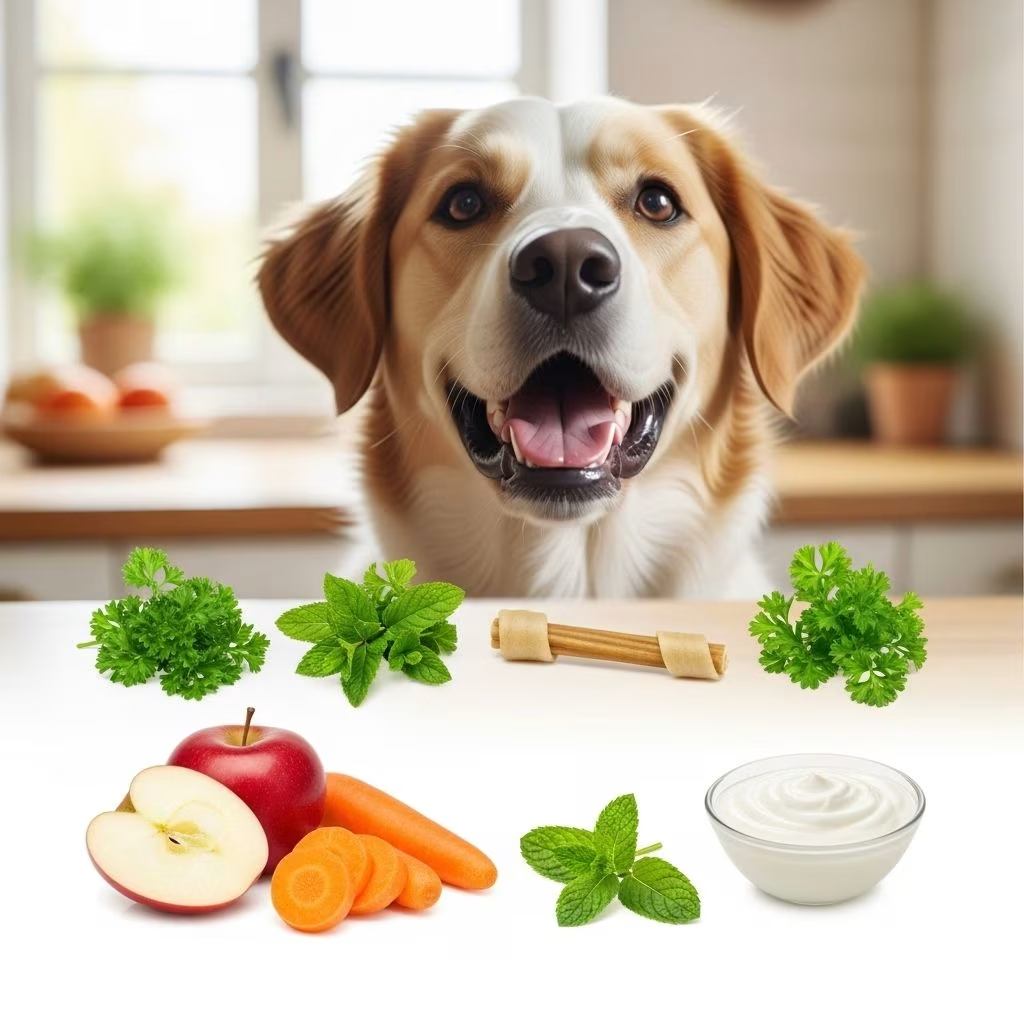
One of the simplest and most effective natural remedies involves incorporating crunchy fruits and vegetables into your dog’s diet. Carrots and apples are particularly beneficial due to their firm texture and natural scrubbing action. When your dog chews these foods, the fibrous material acts like a natural toothbrush, mechanically removing plaque buildup from teeth and gums.
Carrots are packed with beta-carotene and vitamins that support overall health while providing dental benefits. You can serve them raw as a healthy snack, or pop them in the freezer for a few minutes to create a soothing treat that’s especially beneficial for teething puppies. The cold temperature can help reduce gum inflammation while the crunchy texture cleans teeth.
Apples offer similar benefits, rich in vitamins A, E, and C, which help combat the bacteria responsible for bad breath. However, always remove apple seeds before feeding them to your dog, as they contain trace amounts of cyanide that can be harmful. Cut fruits and vegetables into appropriate bite-sized pieces to prevent choking hazards, and remember that while nutritious, these treats are high in natural sugars and should be fed in moderation.
Other dog-friendly crunchy vegetables include celery, which provides additional fiber and helps scrape away plaque. Always avoid toxic foods like grapes, raisins, onions, and garlic, which can be dangerous for dogs even in small quantities.
The Power of Fresh Herbs
Fresh herbs offer a natural and effective solution for combating bad breath in dogs. Parsley and mint stand out as particularly beneficial options that are safe for canine consumption when used appropriately.
Parsley contains high levels of chlorophyll, a natural compound that acts as a powerful breath freshener. Chlorophyll has natural healing properties and works to neutralize odors at their source rather than simply masking them. This herb is also rich in vitamins A and C, which support healthy bones, skin, and vision in dogs. To use parsley, simply chop a small amount of fresh leaves and sprinkle them over your dog’s regular meals.
Mint provides similar breath-freshening benefits while also promoting healthy digestion in pets. The herb’s natural compounds help neutralize unpleasant odors and can soothe digestive upset that might contribute to bad breath. You can add a small amount of chopped fresh mint to your dog’s food at mealtimes, but always use it in moderation as excessive amounts might cause digestive issues.
When introducing herbs to your dog’s diet, start with small quantities to ensure your pet tolerates them well. Fresh herbs are preferable to dried versions, as they retain more of their beneficial properties and natural oils.
Kitchen Ingredients That Fight Bad Breath
Coconut Oil: A Versatile Solution
Virgin, cold-pressed coconut oil has gained recognition as a powerful natural remedy for various canine health issues, including bad breath. This versatile ingredient possesses antiviral, antifungal, and antibacterial properties that create a trifecta of breath-fighting power for dogs.
The antimicrobial properties in coconut oil help reduce harmful bacteria in your dog’s mouth, addressing one of the root causes of halitosis. You can incorporate coconut oil into your dog’s routine in two ways: add a small teaspoon to their food once daily, or use it as a natural toothpaste when brushing their teeth.
Beyond oral health benefits, coconut oil supports digestion, which can help reduce stinky burps and breath odors originating from the digestive system. It also boosts metabolism and may improve mental abilities in older dogs. As an added bonus, coconut oil helps maintain a shiny, healthy coat and can keep skin free from parasites.
When introducing coconut oil, start with small amounts—approximately half a teaspoon for small dogs and one teaspoon for larger breeds—and gradually increase to avoid digestive upset. Some dogs may experience loose stools if given too much too quickly.
Apple Cider Vinegar for Bacterial Control
Apple cider vinegar has long been celebrated as a natural remedy for various health concerns in both humans and pets. For dogs struggling with bad breath, adding up to a teaspoon of apple cider vinegar to their water bowl can make a significant difference.
This natural ingredient contains malic acid and acetic acid, both of which possess bacteria-killing properties. These acids help reduce the harmful bacteria in your dog’s mouth that contribute to plaque buildup and bad breath. Apple cider vinegar also serves as a natural source of essential minerals including calcium, potassium, and magnesium, all important for your dog’s overall health.
Alternatively, you can add half a teaspoon of lemon juice to your dog’s water bowl for similar antibacterial benefits. Both options work by creating a slightly acidic environment that’s less hospitable to odor-causing bacteria while helping to reduce plaque accumulation on teeth.
Start with small amounts mixed into your dog’s water and observe their reaction. Most dogs adapt quickly to the subtle taste change, but if your pet refuses to drink, reduce the amount or try a different remedy.
Supporting Digestive Health for Better Breath
Probiotics and Yogurt
A healthy gut is essential for fresh breath, as many breath odors originate from digestive issues rather than the mouth itself. Probiotics help balance the beneficial bacteria in your dog’s digestive system, reducing bad breath caused by digestive upset or imbalances.
One of the main culprits behind truly foul breath is hydrogen sulfide, a compound produced by certain bacteria that gives off that characteristic “rotten egg” odor. Regular consumption of yogurt and probiotics can help neutralize these problematic bacteria and promote a healthier gut environment.
Plain, unsweetened yogurt serves as an excellent source of natural probiotics for dogs. You can add a spoonful to their regular meals or freeze it in a lick mat for a refreshing treat. Alternatively, probiotic supplements formulated specifically for dogs are available at most pet stores and provide targeted support for digestive and dental health.
When selecting yogurt, always choose plain varieties without added sugars, artificial sweeteners (especially xylitol, which is toxic to dogs), or flavoring. Greek yogurt typically contains higher concentrations of beneficial bacteria and less lactose, making it easier for some dogs to digest.
Digestive Support Through Diet
Adding certain foods to your dog’s diet can improve digestion and subsequently reduce bad breath. A teaspoon of coconut oil mixed into food not only fights oral bacteria but also aids in digestion, helping to cut down on stinky burps that contribute to overall breath odor.
Cooked brown rice is another gentle option that supports healthy digestion. The fiber in brown rice helps regulate digestive function and can reduce the frequency of digestive-related breath issues. This is particularly helpful for dogs with sensitive stomachs or those prone to gastrointestinal upset.
Dental Treats and Natural Chews
While not strictly a home remedy, dental treats and natural chews deserve mention as effective tools for maintaining fresh breath between more intensive cleaning sessions. These products are specifically designed to mechanically remove plaque and tartar as your dog chews, mimicking the natural cleaning action of crunchy vegetables.
Look for dental treats that have been approved by veterinary dental organizations and formulated with breath-freshening ingredients. Many contain natural additives like parsley, mint, or chlorophyll that provide additional odor-fighting benefits beyond mechanical cleaning.
Natural chews such as certain types of raw bones (always given under supervision) or dental chew toys can also help keep teeth cleaner. However, be cautious with overly hard items that might crack teeth, and always monitor your dog during chewing sessions.
Establishing a Home Care Routine
While brushing your dog’s teeth daily with a dog-formulated toothpaste remains the gold standard for preventing bad breath, many dogs resist traditional brushing. If your furry friend falls into this category, combining multiple natural remedies creates a comprehensive approach to oral health maintenance.
Consider establishing a routine that incorporates several of these remedies: offer crunchy vegetables as daily treats, add herbs to meals, include coconut oil in their diet, and provide dental chews for additional cleaning action. This multi-faceted approach addresses bad breath from multiple angles—mechanical cleaning, bacterial control, and digestive support.
If your dog tolerates tooth brushing, even occasionally, this should remain part of your routine. Use a dog-specific toothbrush or wrap gauze around your finger as an alternative. Dog toothpaste comes in flavors dogs enjoy and doesn’t contain harmful ingredients found in human toothpaste, which should never be used on pets.
Creating a Fresh Breath Action Plan
Successfully managing your dog’s bad breath requires a thoughtful, consistent approach. Start by identifying the likely cause of the odor—is it primarily dental, digestive, or potentially a sign of something more serious? This determination will help you select the most appropriate remedies.
For dogs with primarily dental-related bad breath, focus on mechanical cleaning solutions: crunchy vegetables, dental treats, and regular tooth brushing when possible. These methods physically remove plaque before it can harden into tartar and harbor odor-causing bacteria.
If digestive issues seem to be the main contributor, emphasize probiotics, coconut oil, and digestive-supporting foods like brown rice. These remedies work from the inside out to address breath problems at their source.
For a comprehensive approach that addresses multiple potential causes, combine several remedies: add herbs and apple cider vinegar for antibacterial action, offer crunchy vegetables for mechanical cleaning, include coconut oil for its multiple benefits, and incorporate probiotics for digestive health. This layered strategy provides the best chance of success for dogs with persistent bad breath.
Remember that consistency is key. Natural remedies typically require regular use over time to show significant results. Most pet owners notice improvement within one to two weeks of implementing a consistent routine.
Monitoring Progress and Adjusting Your Approach
As you implement these natural remedies, pay attention to how your dog responds. Some pets show rapid improvement, while others require more time or a different combination of approaches. Keep track of which remedies seem most effective for your individual dog.
If you don’t notice improvement after several weeks of consistent home care, or if bad breath worsens despite your efforts, schedule a veterinary appointment. Persistent bad breath despite proper home care often indicates dental disease or other health issues requiring professional treatment.
Regular veterinary dental checkups remain important even when using home remedies successfully. Professional cleanings remove tartar that has already formed and allow your vet to identify potential problems early, before they become serious health issues.
Frequently Asked Questions
Q: How quickly will natural remedies improve my dog’s bad breath?
A: Most pet owners notice improvement within one to two weeks of consistent use. However, results vary depending on the underlying cause and severity of the bad breath. Remedies that address bacterial issues may work faster than those targeting digestive concerns.
Q: Can I use multiple remedies at the same time?
A: Yes, combining several natural remedies often produces the best results. For example, you can offer crunchy vegetables as treats, add herbs to meals, and include coconut oil in their diet simultaneously. This multi-faceted approach addresses bad breath from different angles.
Q: Are these remedies safe for all dogs?
A: While the remedies discussed are generally safe for most dogs, individual sensitivities can occur. Always introduce new foods or supplements gradually and in small amounts. Consult your veterinarian before making significant dietary changes, especially if your dog has existing health conditions or takes medications.
Q: How much parsley or mint should I give my dog?
A: Start with a small pinch of chopped fresh parsley or mint sprinkled over your dog’s food—approximately one teaspoon for medium-sized dogs. You can gradually increase to one tablespoon for larger dogs if well-tolerated. Always use fresh herbs in moderation.
Q: Will these remedies replace the need for professional dental cleanings?
A: No, natural remedies are excellent for maintenance and prevention but cannot replace professional veterinary dental care. Dogs should still receive professional dental examinations and cleanings as recommended by their veterinarian, typically once or twice yearly depending on individual needs.
Q: What if my dog refuses to eat foods with added herbs or vinegar?
A: Some dogs are more particular about taste and texture changes. If your dog refuses food with additives, start with very small amounts and gradually increase. Alternatively, focus on remedies your dog accepts more readily, such as crunchy vegetables or coconut oil, which most dogs find palatable.
Q: Can puppies use these natural remedies?
A: Most natural remedies are safe for puppies in appropriately reduced amounts. Frozen carrots can be particularly beneficial for teething puppies. However, always consult your veterinarian before introducing new foods or supplements to puppies, as their nutritional needs and digestive systems are still developing.
Q: Is bad breath ever normal in dogs?
A: While dogs naturally have some mouth odor, particularly noticeable bad breath is not normal and indicates an underlying issue requiring attention. Healthy dogs with good oral hygiene should not have severely offensive breath.
References
- https://healthysmiles.pet/blog/stop-stinky-dog-breath
- https://www.pdsa.org.uk/pet-help-and-advice/pet-health-hub/symptoms/bad-breath-in-dogs
- https://www.vetcollection.co.uk/health/how-to-improve-your-dogs-bad-breath/
- https://www.dogstrust.org.uk/dog-advice/health-wellbeing/at-home/dog-dental-hygiene
- https://www.greenies.com/blogs/what-were-barking-about-greenies/bad-dog-breath-home-remedy
- https://www.youtube.com/watch?v=HGXDvyBAhYU
- https://www.petmethoddfw.com/blog/say-goodbye-to-stinky-dog-breath-natural-foods-for-fresh-pet-breath
- https://www.petremedies.co.uk/blogs/pet-info-zone/how-to-keep-your-dog-s-breath-fresh-without-brushing-a-complete-guide
- https://anasazivet.com/natural-remedies-for-bad-breath-in-dogs/
- https://www.thehonestkitchen.com/blogs/pet-wellness/natural-dog-breath-remedies


