


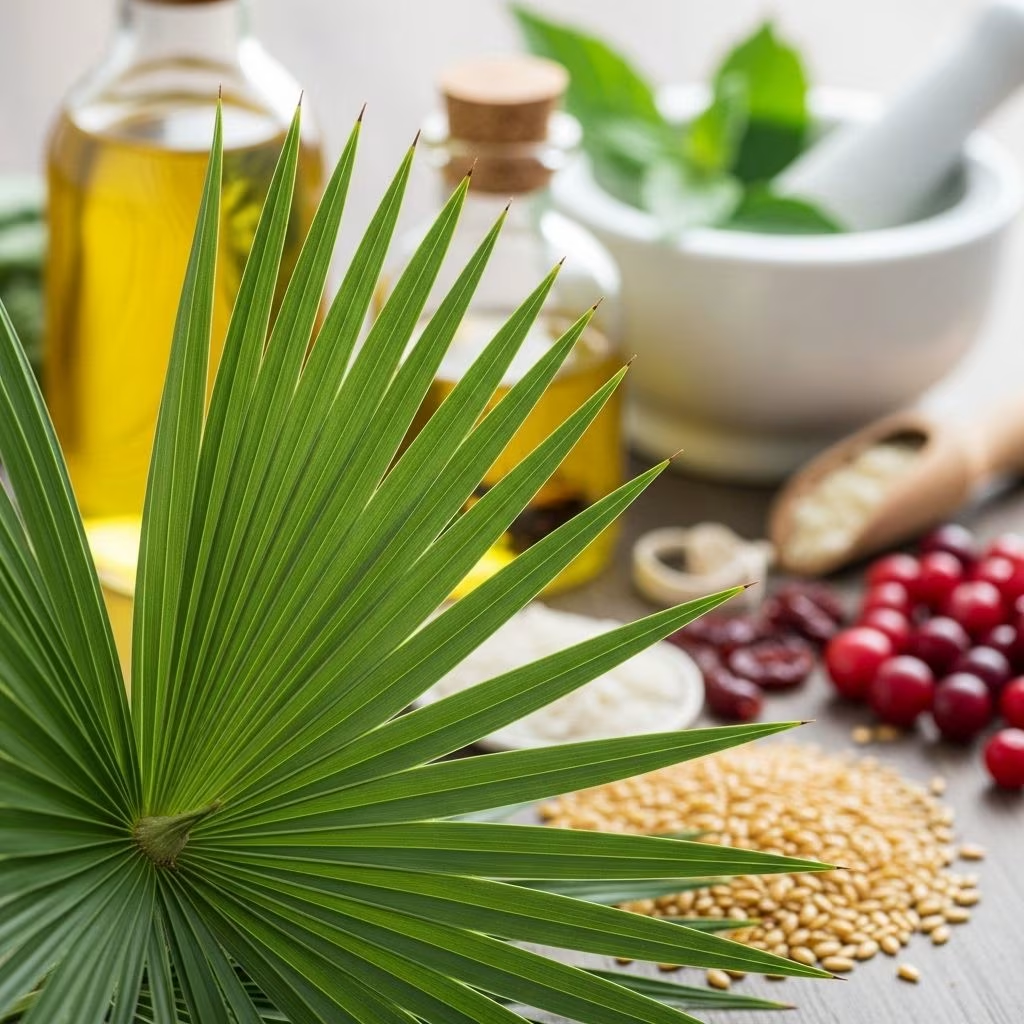
Natural Remedies to Help Prostate Problems (BPH) Naturally
Prostate problems, particularly benign prostatic hyperplasia (BPH), are common concerns for aging men. As the prostate gland enlarges, it can lead to uncomfortable urinary symptoms and affect quality of life. While conventional medicine offers several effective treatments, many men seek natural remedies as complementary approaches to ease symptoms and support overall prostate health.
Understanding Prostate Problems and BPH
The prostate is a small gland located below the bladder in men, responsible for producing seminal fluid. Over time, it’s common for the prostate to increase in size—a condition known as benign prostatic hyperplasia or BPH. This non-cancerous growth can press against the urethra, causing symptoms like:
- Frequent urge to urinate
- Getting up at night to urinate (nocturia)
- Weak or interrupted urine stream
- Difficulty starting urination
- Feeling that the bladder isn’t empty after urinating
While BPH is not life-threatening, these symptoms can disrupt daily life and sleep. Early intervention can help prevent complications such as recurrent urinary tract infections or bladder stones.
Why Consider Natural Remedies for BPH?
Standard medical treatments for BPH include medications like alpha-blockers and 5-alpha-reductase inhibitors, minimally invasive procedures, or surgery. However, these interventions may cause side effects such as dizziness, sexual dysfunction, or low blood pressure. Natural remedies, including herbal supplements, dietary changes, and lifestyle modifications, are increasingly sought for their potential benefits with fewer adverse effects. Although scientific evidence varies, many men find these approaches helpful as part of a holistic strategy.
Top Natural Remedies and Supplements for Prostate Health
Saw Palmetto (Serenoa repens)
Saw palmetto is one of the most widely researched herbs for BPH. Extracted from the fruit of a North American palm, it is believed to work by:
- Inhibiting the conversion of testosterone to dihydrotestosterone (DHT), a hormone involved in prostate growth
- Reducing inflammation within the prostate
Some studies suggest a modest reduction in urinary symptoms, but large-scale clinical trials have shown mixed results, sometimes finding it comparable to a placebo. Side effects are usually mild and may include stomach upset or headache. Always consult your doctor before starting saw palmetto, especially if you’re taking prescription medications.
Beta-Sitosterol
Beta-sitosterol is a plant-based substance (phytosterol) found in many fruits, vegetables, nuts, and seeds. It’s thought to help alleviate BPH symptoms by improving urinary flow and reducing the amount of urine left in the bladder. Several studies indicate symptom improvement, but do not show a reduction in prostate size. Beta-sitosterol is generally well-tolerated with few reported side effects.
Pygeum Africanum (African Plum Tree Bark)
Pygeum is a traditional herbal remedy derived from the bark of the African plum tree. Used in Europe for decades, it may ease BPH symptoms by anti-inflammatory and antioxidant effects, facilitating bladder emptying and improving urine flow. Research shows mixed results, with some benefit in relieving lower urinary tract symptoms. Side effects are usually minor, such as gastrointestinal upset or headache.
Ryegrass Pollen Extract
Ryegrass pollen extract (often marketed as Cernilton) is derived from the pollen of rye, timothy, and corn grasses. Some studies suggest it may help relieve BPH symptoms like difficulty urinating and reduce frequent nighttime urination. While the mechanism isn’t fully understood, it appears to have anti-inflammatory properties. Side effects can include allergies and mild gastrointestinal discomfort.
Stinging Nettle Root (Urtica dioica)
Stinging nettle has a history of use in traditional medicine for urinary and prostate conditions. Modern clinical studies show that nettle root extracts can ease BPH symptoms, possibly by:
- Reducting prostate inflammation
- Inhibiting certain proteins involved in abnormal prostate growth
Benefits may include improved urine flow and reduced urgency. Though generally safe, some people experience mild digestive upset or skin reactions.
Natural Dietary Strategies for Prostate Health
Diet plays a significant role in maintaining a healthy prostate and possibly easing the risk and symptoms of BPH. Key dietary points include:
- Lycopene-rich foods: Found in tomatoes, watermelon, red grapefruit, and papaya, lycopene is a powerful antioxidant linked to a lower risk of prostate growth and cancer.
- Pumpkin seeds: These provide zinc, essential fatty acids, and antioxidants. Some studies link pumpkin seed extract with reduced urinary symptoms, though effects may be modest.
- Green tea: Rich in antioxidants called catechins, green tea is associated with lower prostate cancer risk and may help reduce urinary symptoms. Opt for decaffeinated varieties if caffeine worsens symptoms.
- Vegetables: Especially cruciferous vegetables (broccoli, kale, cabbage) and leafy greens support prostate health.
- Soy foods: Tofu, tempeh, and soy milk contain isoflavones, compounds with potential hormone-balancing and anti-inflammatory effects.
- Oily fish: Salmon, mackerel, sardines, and other oily fish provide anti-inflammatory omega-3 fatty acids.
- Nuts and seeds: Sesame seeds, almonds, walnuts, and flaxseeds offer beneficial fats and micronutrients.
The overall goal is a balanced diet rich in plant-based foods, low in red and processed meats, and moderate in healthy fats.
Lifestyle Changes for Managing BPH Symptoms
- Stay Active: Regular exercise, including aerobic and pelvic floor (Kegel) exercises, can improve urinary symptoms and support weight management.
- Hydration Habits: Limit fluid intake a few hours before bedtime or long outings to reduce night-time urination.
- Limit Caffeine and Alcohol: Both substances can irritate the bladder and worsen BPH symptoms for some men.
- Urinate When Needed: Don’t delay urination; respond to your body’s cues to help prevent urinary tract issues.
- Maintain a Healthy Weight: Obesity is linked with higher BPH risk and more severe symptoms.
- Manage Stress: High stress levels may worsen urinary urgency and frequency in some men.
Other Complementary Remedies and Approaches
Sitz Baths
Sitting in warm water for 20 minutes (a sitz bath) can help relax pelvic muscles, improve blood flow, and relieve discomfort associated with BPH.
Apple Cider Vinegar
Some anecdotal reports suggest that apple cider vinegar (ACV) reduces inflammation and eases BPH symptoms. To try, mix one to two tablespoons of ACV in a large glass of water with honey. ACV may also be added to bath water for a soothing soak. Limited scientific evidence supports ACV’s effects on the prostate, so consider this as an adjunct, not a replacement for other approaches.
Evidence, Precautions, and When to Seek Medical Advice
While many natural remedies have a history of safe use and are supported by some promising studies, medical experts emphasize the importance of:
- Discussing all supplements or herbal therapies with your healthcare provider, especially if you take prescription medications or have other medical conditions.
- Being aware that herbal supplements are not closely regulated for purity and quality.
- Seeking prompt medical attention for severe urinary symptoms, recurrent infections, blood in urine, or if you are unable to urinate.
Natural remedies should not replace medical treatment for moderate to severe BPH or complications such as kidney dysfunction or bladder stones.
Sample Table: Herbal Remedies and Their Effects on BPH
| Remedy | Main Action | Scientific Evidence | Common Side Effects |
|---|---|---|---|
| Saw Palmetto | Inhibits DHT, reduces inflammation | Mixed; some studies positive, large trials inconclusive | Upset stomach, headache |
| Beta-Sitosterol | Improves urine flow | Some positive studies, no effect on prostate size | Rare: digestive upset |
| Pygeum | Anti-inflammatory, antioxidant | Moderate; mixed results | Stomach upset, headache |
| Ryegrass Pollen | Reduces urinary symptoms, anti-inflammatory | Some modest benefit; more research needed | Allergy, GI upset |
| Stinging Nettle | Anti-inflammatory, hormone modulation | Several studies positive, more needed | Mild digestion issues |
Frequently Asked Questions (FAQ)
What is the best natural remedy for BPH?
While no single remedy works for everyone, saw palmetto, beta-sitosterol, pygeum, and stinging nettle are among the most studied and commonly used options. Many men benefit from combining these with dietary changes and exercise, but always consult your doctor before starting any new supplement.
Can diet really help with enlarged prostate symptoms?
Yes. Diets rich in vegetables, fruits, whole grains, healthy fats, and specific foods like tomatoes and pumpkin seeds are linked to better prostate health. Limiting red meat, processed foods, and saturated fats can also help reduce inflammation and symptom severity.
Are there risks with natural supplements for BPH?
Some supplements may interact with medications or cause side effects. Herbal products aren’t regulated as strictly as pharmaceuticals, so quality can vary. Discuss all supplements with your healthcare provider, especially if you have chronic health issues or take other medications.
Does exercise help reduce BPH symptoms?
Regular exercise, including aerobic activity and pelvic floor (Kegel) exercises, can help relieve BPH symptoms by improving bladder function, reducing inflammation, and preventing obesity—a risk factor for prostate enlargement.
When should I seek medical attention for prostate symptoms?
Seek immediate help if you cannot urinate at all, experience severe pain, blood in urine, recurrent infections, or symptoms that disrupt your life despite home management. Regular checkups are essential for distinguishing BPH from other prostate conditions, such as infections or cancer.
Conclusion: Building a Natural Prostate Health Routine
Managing prostate health and BPH symptoms often requires a personalized, multi-faceted approach. Consider incorporating safe, evidence-based natural remedies—from saw palmetto to lycopene-rich foods—alongside healthy lifestyle habits like regular exercise, stress management, and a balanced diet. Monitor your symptoms, stay proactive, and consult with your healthcare provider to tailor a plan that’s right for you while minimizing risks. Early intervention and ongoing support can help maintain urinary health and quality of life at any age.
References
- https://www.healthline.com/health/enlarged-prostate/natural-remedies
- https://www.halodx.com/blog/the-6-most-effective-natural-remedies-for-an-enlarged-prostate/
- https://www.mintstl.com/blog/how-to-shrink-an-enlarged-prostate-naturally-4-surprisingly-different-remedies
- https://www.health.harvard.edu/mens-health/natural-ways-to-treat-an-enlarged-prostate
- https://americanprostatecenters.com/blog/what-food-can-shrink-an-enlarged-prostate/
- https://www.rezum.com/patient-resources/bph-treatment-options/natural-remedies-for-enlarged-prostate.html
- https://pmc.ncbi.nlm.nih.gov/articles/PMC8659259/
- https://www.drpaulkenworthyurology.com/blog/natural-remedies-for-bph-symptoms-do-they-really-work
- https://www.mayoclinic.org/diseases-conditions/benign-prostatic-hyperplasia/expert-answers/enlarged-prostate-and-diet/faq-20322773


