


Introduction to Candida and Yeast Infections
Candida, most commonly Candida albicans, is a type of yeast naturally present in the human body, especially in the mouth, gut, and vagina. When the natural balance of microorganisms is disrupted, Candida can overgrow, leading to infections—especially vaginal yeast infections in women. While antifungal medications remain the gold standard for treatment, many people seek natural alternatives due to concerns about side effects, recurrent infections, or personal preferences.
Top Natural Remedies for Candida Yeast Infections
Below is a detailed overview of widely discussed natural remedies, their mechanisms, evidence, and practical application.
Greek Yogurt and Probiotics
- Mechanism: Yogurt contains live probiotic bacteria, especially Lactobacillus acidophilus, which help restore the natural vaginal microbiome by outcompeting Candida.
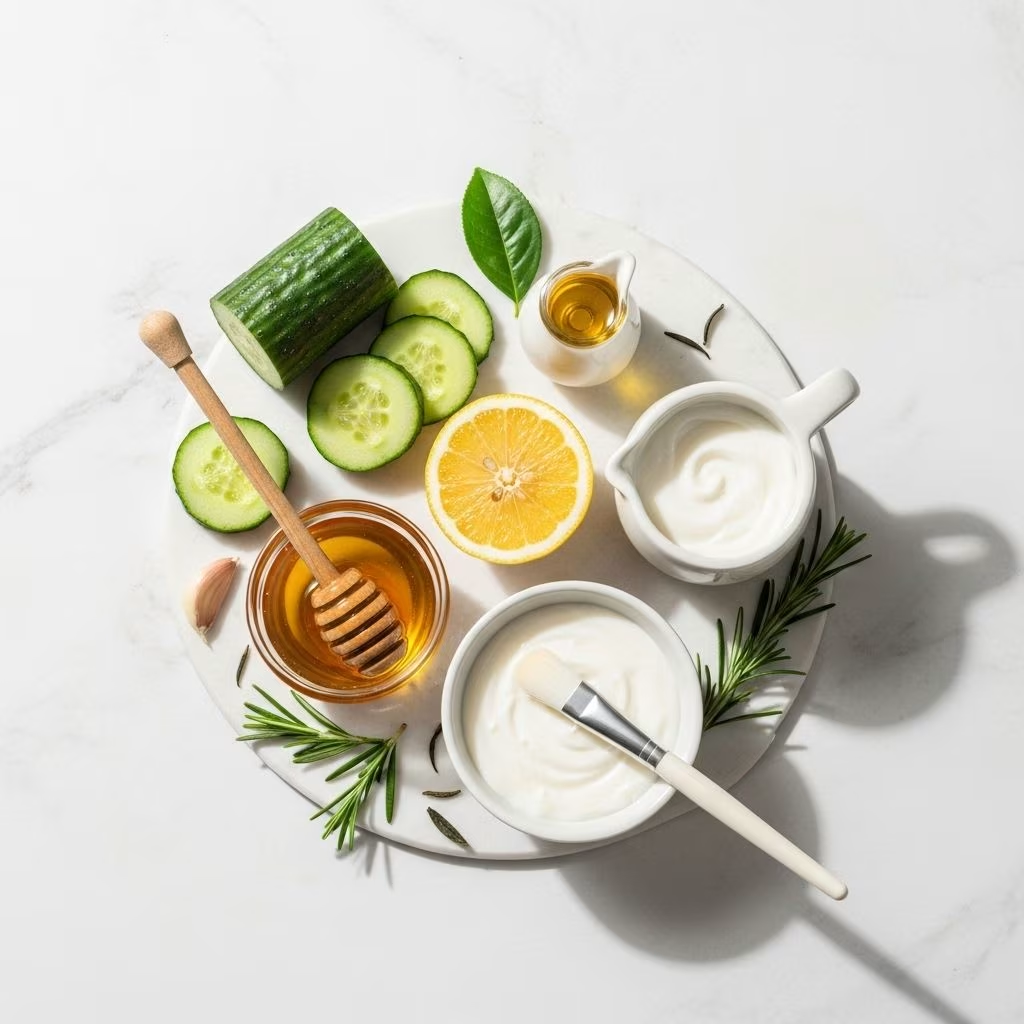
- Evidence: Studies suggest eating plain, unsweetened Greek yogurt or applying it topically may alleviate symptoms. A mixture of yogurt and honey has shown promise in improving symptoms, and probiotics may help prevent recurrences by supporting gut and vaginal health.
- How to Use: Eat daily, apply to the vulva, or insert vaginally using a clean applicator.
- Precautions: Avoid yogurt with added sugar or flavoring, as sugar feeds Candida.
Boric Acid
- Mechanism: Boric acid is a potent antiseptic with antifungal properties, sometimes used for infections resistant to conventional treatments.
- Evidence: Boric acid vaginal suppositories are considered among the most effective natural options, particularly for recurrent or resistant cases.
- How to Use: Typically used as a vaginal suppository under medical supervision.
- Precautions: Toxic if ingested; never use orally, on broken skin, or during pregnancy. Discontinue if irritation occurs.
Apple Cider Vinegar
- Mechanism: The acidity of vinegar may help restore vaginal pH and inhibit yeast growth.
- Evidence: Adding apple cider vinegar to a bath may help, but evidence is limited. Douching is not recommended, as it disrupts the vaginal microbiome.
- How to Use: Add a half-cup to a lukewarm bath and soak for 20 minutes. May also be consumed diluted in water.
- Precautions: Always dilute before skin contact; avoid vaginal insertion.
Coconut Oil
- Mechanism: Contains caprylic acid, a fatty acid with antifungal properties.
- Evidence: Laboratory and some human studies suggest it may help combat yeast and soothe irritated skin.
- How to Use: Apply a thin layer topically to the affected area.
- Precautions: Use externally only; discontinue if irritation occurs.
Garlic
- Mechanism: Garlic has natural antifungal compounds, notably allicin.
- Evidence: Some studies suggest oral garlic supplements may be as effective as fluconazole, but quality human data are lacking. Anecdotal reports exist, but there is no evidence for vaginal insertion, which can cause irritation and is not recommended.
- How to Use: Increase dietary garlic or consider oral supplements.
- Precautions: Never insert garlic into the vagina due to risk of irritation and burns.
Tea Tree Oil
- Mechanism: Has antifungal properties in laboratory settings.
- Evidence: Studies in vitro and animals show potential, but human trials are lacking. May cause irritation, especially if applied undiluted.
- How to Use: Use only in diluted form, as found in some commercial suppositories or creams.
- Precautions: Avoid direct application; discontinue if irritation occurs.
Oregano Oil
- Mechanism: The active ingredient carvacrol shows antifungal activity in lab studies.
- Evidence: No human trials for vaginal use; animal studies are inconclusive. May inhibit beneficial Lactobacillus species, potentially worsening imbalance.
- How to Use: Not recommended for vaginal use due to lack of safety and efficacy data.
- Precautions: Avoid vaginal application; consult a healthcare provider before oral use.
Saltwater Rinse
- Mechanism: May help soothe irritated skin and reduce inflammation.
- Evidence: Limited evidence; primarily for symptom relief, not eradication of yeast.
- How to Use: Mix a half-teaspoon of salt in a cup of warm water and gently rinse the affected area.
- Precautions: Avoid harsh rubbing; discontinue if irritation worsens.
Dietary Approaches and Lifestyle Modifications
Candida Cleanse Diets
Some advocate for “Candida cleanse” diets that eliminate sugar, refined carbs, yeast, and sometimes dairy and gluten. The theory is that reducing these foods starves Candida, but there is little scientific evidence to support these diets for treating active infections. A balanced diet rich in whole foods, probiotics, and low in added sugars may support overall health and possibly reduce recurrence.
General Lifestyle Tips
- Keep the vaginal area cool and dry; wear breathable, cotton underwear.
- Avoid douching, scented feminine products, and tight-fitting clothing.
- Limit intake of high-sugar foods, which may promote yeast overgrowth.
- Take antibiotics only when necessary, as they can disrupt the microbiome.
- Prioritize sleep, stress management, and regular exercise to support immune function.
Comparison of Natural Remedies
| Remedy | Evidence Level | How to Use | Safety Concerns |
|---|---|---|---|
| Greek Yogurt | Moderate | Eat, topical, vaginal | Safe if plain, no added sugar |
| Boric Acid | High (for resistant cases) | Vaginal suppository | Toxic if ingested, not for pregnancy |
| Apple Cider Vinegar | Low | Bath, dietary | Always dilute, no douching |
| Coconut Oil | Low-Moderate | Topical | Generally safe externally |
| Garlic | Low (oral), None (vaginal) | Dietary | Do not insert vaginally |
| Tea Tree Oil | Low | Diluted topical, suppositories | Can irritate; never use undiluted |
| Oregano Oil | Very Low | Not recommended vaginally | Potential to harm microbiome |
When to See a Healthcare Provider
While natural remedies may provide relief for some, they are not substitutes for professional medical advice. Seek medical attention if:
- Symptoms are severe, persistent, or recurrent
- You are pregnant, immunocompromised, or have other health conditions
- You experience signs of an allergic reaction or worsening irritation
- Over-the-counter or natural treatments do not resolve the infection
Prevention: Building a Yeast-Resistant Lifestyle
- Maintain a balanced diet rich in probiotics and low in added sugars.
- Avoid unnecessary antibiotics that disrupt the microbiome.
- Practice good hygiene, but avoid over-washing or using harsh soaps.
- Wear loose, breathable clothing to reduce moisture.
- Manage stress and prioritize sleep for immune support.
Frequently Asked Questions (FAQs)
Are natural remedies as effective as prescription medications for yeast infections?
For most cases, antifungal medications are more effective and faster-acting than natural remedies. Natural options may help with mild symptoms or prevention but are generally not as reliable for severe or recurrent infections.
Can I insert garlic or yogurt directly into my vagina for a yeast infection?
Inserting garlic is not recommended due to the risk of irritation, burns, and infection. Plain, unsweetened yogurt can be used vaginally by some, but the evidence is limited and it may not be appropriate for everyone.
How long does it take for natural remedies to work?
This varies by individual and remedy. Some may notice improvement within a few days, while others may see no benefit. If symptoms persist beyond a week, consult a healthcare provider.
Can men get Candida yeast infections?
Yes, though less common, men can develop genital yeast infections, often manifesting as redness, itching, or rash on the penis.
Is a Candida cleanse diet necessary to treat a yeast infection?
No, there is no strong evidence that restrictive diets cure yeast infections. A balanced, low-sugar diet may help prevent recurrence but is not a proven treatment.
Conclusion
Natural remedies for Candida yeast infections—including yogurt, boric acid, coconut oil, and dietary modifications—may offer relief for some individuals, especially when used as adjuncts to conventional treatments. However, evidence for their effectiveness is limited, and safety must always be considered. Lifestyle choices that support a healthy microbiome and immune system are key to both prevention and recovery. For persistent or severe symptoms, medical evaluation and treatment remain the most reliable approach.
References
- https://www.healthline.com/health/womens-health/yeast-infection-home-remedy
- https://www.evvy.com/blog/home-remedies-for-yeast-infections
- https://www.webmd.com/women/remedies-yeast-infections
- https://www.mayoclinic.org/healthy-lifestyle/consumer-health/expert-answers/candida-cleanse/faq-20058174
- https://nunm.edu/2019/06/healing-candida/
- https://my.clevelandclinic.org/health/diseases/5019-vaginal-yeast-infection


