


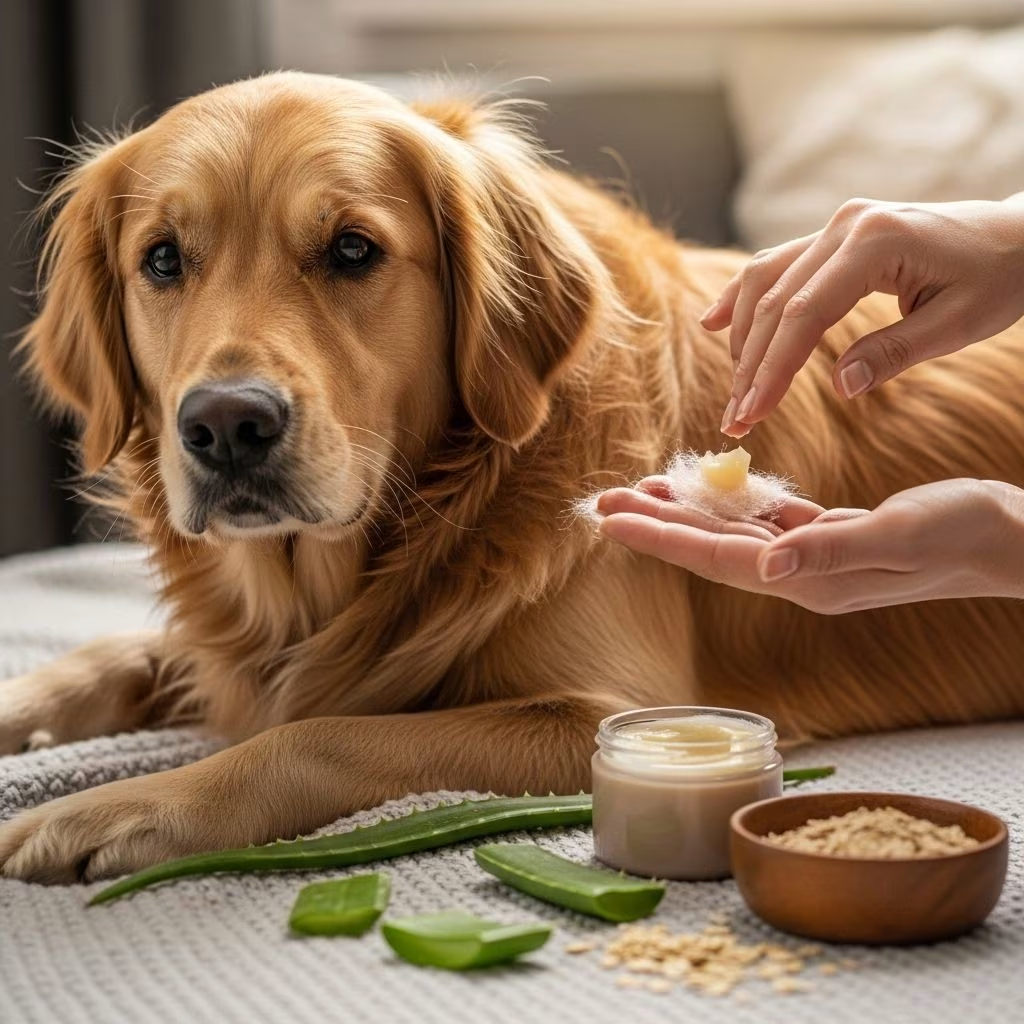
Best Natural Remedies for Dog Arthritis: Comprehensive Guide
Arthritis is a common condition affecting dogs of all ages, especially as they grow older. Characterized by joint pain, stiffness, and reduced mobility, arthritis can profoundly impact a pet’s quality of life. While prescription medications and surgeries are available for severe cases, many dog owners seek natural remedies to alleviate symptoms, reduce pain, and support overall joint health. This comprehensive guide highlights the most effective natural treatments, dietary changes, supplements, and supportive therapies to help your dog live a happier, more comfortable life.
Understanding Arthritis in Dogs
Canine arthritis is an inflammatory joint disease, often resulting from aging, injury, obesity, or genetic predisposition. The most prevalent form is osteoarthritis, which involves the breakdown of joint cartilage and underlying bone, leading to chronic pain and limited movement. Recognizing arthritis symptoms early and adopting a proactive approach—including natural remedies—can slow disease progression and reduce discomfort.
- Common symptoms: Limping, stiffness (especially after rest), reluctance to move or climb stairs, decreased activity, irritability, licking joints, and visible swelling.
- Contributing factors: Age, breed, obesity, previous injuries, and joint abnormalities (like hip dysplasia).
Benefits and Principles of Natural Arthritis Remedies
Natural remedies focus on reducing inflammation, improving mobility, and enhancing general wellbeing with minimal side effects compared to pharmaceuticals. However, it is crucial to consult a veterinarian before starting any remedy, as improper use may lead to complications or interactions with existing medications.
- Offer alternative or complementary options to traditional drug therapies.
- Can improve joint lubrication, decrease swelling, and rebuild cartilage.
- Often used as part of a holistic approach alongside veterinary care.
Popular Natural Supplements for Dog Arthritis Relief
Supplements form the backbone of many natural arthritis management strategies. The following supplements have demonstrated efficacy in supporting joint health and mitigating arthritis symptoms:
- Glucosamine & Chondroitin: Fundamental building blocks for healthy cartilage. They help repair joint tissues, reduce inflammation, and enhance mobility. Glucosamine is widely used and supported by many veterinarians for all types of canine arthritis, including rheumatoid forms.
Recommended as a long-term supplement for arthritic dogs. - Omega-3 Fatty Acids (EPA & DHA): Sourced from fish oil, these have natural anti-inflammatory properties. They have been shown to decrease joint pain, swelling, and improve flexibility. Dosage should be tailored by your vet to avoid digestive upset.
- Green Lipped Mussel: Derived from New Zealand shellfish, rich in glycosaminoglycans (GAGs), which delay arthritis onset, alleviate symptoms, and may even prevent disease progression if started early.
- MSM (Methylsulfonylmethane): A sulfur-containing compound with anti-inflammatory and pain-relieving effects that supports healthy cartilage and connective tissues.
- Turmeric (Curcumin): A natural anti-inflammatory and antioxidant herb. Turmeric or turmeric paste can reduce joint pain and swelling. Studies involving thousands of cases show its efficacy in managing arthritis signs. May be given as a supplement or added directly to food.
- Comfrey: Herbal remedy known for pain relief and anti-inflammatory properties. Usually prepared as a tea, tincture, or incorporated into the diet in controlled doses.
- Boswellia Serrata: Used in traditional medicine to reduce inflammation and pain. Often found in joint-support supplements for dogs.
- Yucca: Contains saponins that exert anti-inflammatory actions and can ease arthritis discomfort. Also a good source of vitamins A, B, C, calcium, potassium, and phosphorus.
Holistic Therapies and Physical Treatments
Natural remedies extend beyond oral supplements. A variety of alternative therapies have gained acceptance among both holistic and traditional veterinarians:
- Acupuncture: An ancient technique in which fine needles are inserted at specific points to stimulate nerve pathways, reduce inflammation, and trigger the release of endorphins (body’s natural painkillers). Veterinary acupuncture is safe and often used for arthritic dogs to decrease pain and swelling.
- Massage Therapy: Gentle massage improves circulation, reduces muscle tension surrounding stiff joints, and promotes relaxation. Regular sessions can enhance comfort and potentially slow joint deterioration.
- Physical Therapy: Tailored exercise regimens keep muscles strong, support weight loss, and preserve flexibility without excessive stress on joints. Swimming, underwater treadmill sessions, and gentle stretching are recommended.
- Laser (Cold Laser) Therapy: This non-invasive treatment uses specific light wavelengths to reduce inflammation, enhance tissue healing, and relieve pain.
- Prolotherapy: An injection-based therapy promoting ligament and tendon healing, sometimes offered by integrative veterinary practitioners.
- Cannabidiol (CBD): Derived from hemp, CBD interacts with the dog’s endocannabinoid system and may reduce pain, swelling, and promote calmness. Available as oils, treats, and topical creams. Always use pet-formulated products, and discuss with your vet for correct dosing.
Diet and Weight Management
Weight management and appropriate nutrition play pivotal roles in arthritis control. Carrying excess body weight puts additional strain on sore joints, accelerating degeneration. Key strategies for dietary support:
- Maintain Healthy Body Weight: Calorie control, regular monitoring, and adjustment of meal sizes. Specialized low-calorie, joint-support diets are available for overweight or obese dogs.
- Choose Anti-Inflammatory Foods: Diets rich in omega-3 fatty acids, antioxidants (berries, leafy greens), and lean proteins can help limit inflammation.
- Bone Broth: Homemade bone broth provides gelatin, collagen, and amino acids that support healthy cartilage and connective tissue. An inexpensive dietary addition recommended by holistic vets.
- Avoid Inflammatory Ingredients: Steer clear of high-sugar, high-fat, and highly processed foods that may worsen inflammation.
Home Environment and Lifestyle Adjustments
Small changes in your dog’s daily environment and routine can provide significant relief. Consider these practical tips:
- Provide Supportive Bedding: Orthopedic dog beds offer proper cushioning and joint support for restful sleep.
- Use Ramps and Stairs: Minimize strain by allowing easy access to cars, sofas, or beds. Portable ramps and pet stairs are especially useful for aging dogs.
- Nonslip Flooring: Place mats or rugs on slippery surfaces to prevent falls.
- Gentle Exercise: Regular, low-impact activity promotes flexibility and prevents muscle wasting. Consider short walks, gentle play, and aquatic activities.
- Warm Compresses: Apply warm (not hot) compresses to affected joints to alleviate stiffness and pain, particularly in cold or damp weather.
- Foster Mental Wellbeing: Positive interaction, enrichment toys, and a calm environment can help reduce stress-related pain responses.
Comparing Natural Remedy Approaches
| Remedy/Approach | Main Benefit | Formulation/Method | Typical Use |
|---|---|---|---|
| Glucosamine & Chondroitin | Supports cartilage repair and joint lubrication | Chews, tablets, powders | Daily supplement |
| Omega-3 (Fish Oil) | Reduces inflammation | Liquid, capsules | Daily or as advised |
| Green Lipped Mussel | Delays arthritis development, improves mobility | Powder, capsules | Ongoing supplement |
| Turmeric (Curcumin) | Anti-inflammatory, antioxidant | Powder, paste, tablets | Add to food / as supplement |
| Acupuncture | Stimulates endorphins, relieves pain | Needle insertion by vet | Every 1–4 weeks |
| Massage/Physical Therapy | Improves muscle & joint function | Manual therapy/specialist treatment | Weekly or as tolerated |
| CBD | Reduces pain, calms anxiety | Oil, treats, cream | Daily (veterinary guidance) |
| Weight Management | Reduces joint stress | Dietary adjustments | Lifelong |
Possible Risks and Precautions
- Consultation is key: Always involve your veterinarian before starting new supplements, therapies, or dietary changes to ensure safety and avoid adverse reactions.
- Dosing matters: Many natural remedies are dose-sensitive. Overuse of herbs (such as turmeric or fish oil) can cause gastrointestinal upset or interact negatively with medications.
- Monitor for side effects: Even natural products can trigger side effects or allergies. Watch for digestive disturbances or behavioral changes.
- Not a substitute for urgent care: Severe pain, sudden mobility loss, or rapid disease progression require immediate veterinary attention and may necessitate pharmaceutical or surgical interventions.
Frequently Asked Questions (FAQs)
What are the most effective natural supplements for dog arthritis?
Top choices include glucosamine and chondroitin for cartilage health, omega-3 fatty acids for inflammation, green lipped mussel for symptom management, and herbal aids like turmeric and boswellia. Consulting your vet ensures safe and appropriate dosing for your pet’s needs.
Is CBD safe for dogs with arthritis?
When obtained from reputable, pet-safe sources and administered under veterinary guidance, CBD is generally considered safe. It may ease pain and stiffness, though dosage and long-term effects warrant professional oversight.
How can I modify my home to help an arthritic dog?
Provide cushioned, orthopedic bedding, use ramps or pet stairs for elevated surfaces, cover slippery floors with rugs, and ensure your dog has easy access to essentials. Avoid strenuous exercise and provide gentle, joint-friendly activities.
Are there natural alternatives to prescription pain medications?
Yes. Many dogs find relief from a combination of supplements (glucosamine, omega-3s, MSM), herbal remedies (turmeric, boswellia), and supportive therapies (acupuncture, massage). These approaches can often reduce the need for NSAIDs or other medications, though some dogs may still require pharmaceutical support for symptom control.
What dietary approaches are best for dogs with arthritis?
Maintain healthy weight with portion control, include anti-inflammatory foods (especially fish oil, leafy greens, bone broth), and avoid highly processed, fatty, or sugary products. Veterinary nutritionists can design joint-supportive diets tailored to your dog’s age, activity, and health history.
Final Tips for Managing Dog Arthritis Naturally
- Adopt a multi-modal approach combining diet, supplements, lifestyle adjustments, and professional therapies as advised by your veterinarian.
- Track your pet’s symptoms, energy, and activity regularly to refine your management strategy.
- Pursue early intervention for best long-term outcomes, especially in breeds predisposed to joint disease.
- Stay patient—the benefits of natural remedies often emerge over several weeks to months of consistent use.
With careful selection and coordination with your veterinary team, natural remedies for dog arthritis can dramatically improve comfort, well-being, and quality of life.
References
- https://tploinfo.com/blog/natural-remedies-for-dog-arthritis-pain/
- https://www.petmd.com/dog/conditions/natural-treatments-managing-arthritis-dogs
- https://perthvetcare.com.au/pet-library/dog-arthritis/
- https://www.chewy.com/education/dog/health-and-wellness/dog-arthritis-10-natural-remedies-for-managing-arthritis-in-dogs
- https://www.simonvetsurgical.com/news/how-to-manage-canine-arthritis-pain-medications-and-home-remedies
- https://www.goodrx.com/pet-health/dog/dog-arthritis-tips-treatment-relief
- https://orthodog.com/blogs/sit-stay-heal/how-to-help-a-dog-with-arthritis-at-home
- https://bestfriends.org/pet-care-resources/cat-and-dog-arthritis-integrative-treatment-options
- https://wagwalking.com/treatment/natural-and-herbal-arthritis-remedies


