


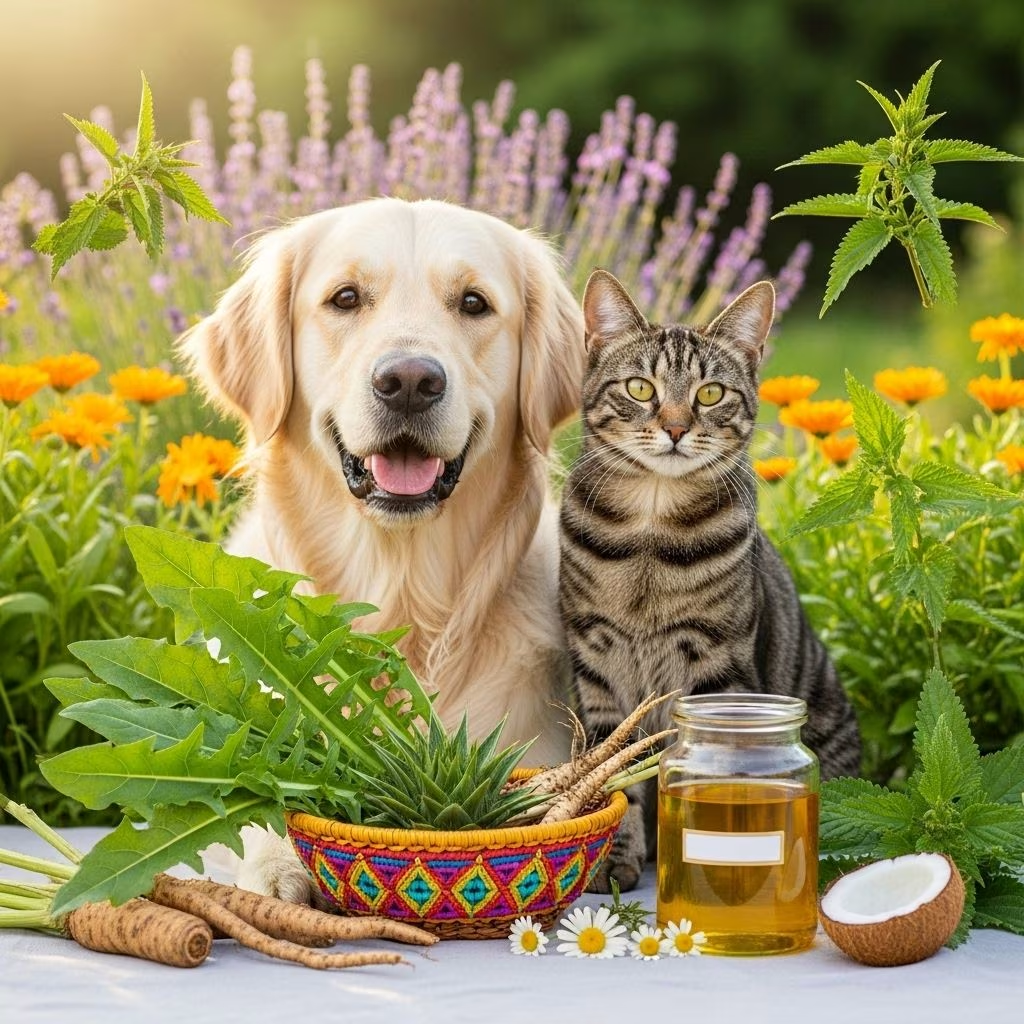
Natural Remedies for Dogs and Cats with Allergies, Liver, Kidney, and Skin Problems
Many pet owners are seeking ways to support their dogs and cats with chronic health issues using more natural, holistic methods. Allergies, liver and kidney disease, and skin problems are among the most common chronic conditions in pets, and their management often benefits from a multi-faceted approach. This article explores effective natural remedies, practical lifestyle changes, and holistic advice for improving your pet’s quality of life.
Understanding Pet Allergies, Liver/Kidney Disease, and Skin Issues
Dogs and cats can develop allergies and chronic conditions due to genetics, environmental stress, poor diet, chemical exposures, or immune system dysfunction. Allergies in pets can manifest as itching, excessive licking, redness, sneezing, digestive upset, or ear problems. Chronic liver and kidney diseases often feature fatigue, appetite loss, vomiting, skin abnormalities, and other signs. These health challenges require attentive care, but natural approaches can ease symptoms and promote long-term wellness.
Holistic Foundations: The Importance of Diet and Environment
Holistic pet care begins with minimizing exposure to harmful substances and feeding species-appropriate diets. Food and environmental triggers can worsen allergies and chronic inflammation.
- Avoid foods containing artificial dyes, flavors, preservatives, and rendered fats. Many chronic issues are aggravated by processed ingredients.
- Choose natural, whole-food based diets. Raw or gently cooked meals, or premium commercial foods emphasizing animal protein and limited grains, are often better tolerated.
- Reduce chemical exposure. Avoid household cleaners, pest control sprays, and lawn chemicals around pets. Wash bedding and toys without synthetic fragrances.
- Clean the home with pet-safe methods. Use vinegar, baking soda, and unscented soap for household cleaning whenever possible.
- Groom pets regularly. Remove environmental allergens from fur. Bathe with gentle, sulfate-free shampoos formulated for sensitive pets.
Relieving Allergies in Dogs and Cats Naturally
Chronic allergies in pets are often caused by food sensitivities, environmental irritants, or immune system imbalances. Natural remedies help calm symptoms and support immune health.
Dietary Strategies
- Single-protein diets and limited ingredient recipes can help identify food triggers.
- Add omega-3 fatty acids. Fish oil and hemp seed oil reduce inflammation and support skin health.
- Include probiotics. Yogurt (plain, unsweetened) or powdered probiotic supplements promote gut health and immune regulation.
- Raw goat’s milk is a probiotic-rich option for many pets, aiding digestion and reducing allergy symptoms.
- Oatmeal paste: Oatmeal is anti-inflammatory and relieves itchy skin when used as a bath or paste.
Herbal and Supplement Support
- Quercetin: A plant compound with natural antihistamine effects, quercetin calms itching and swelling.
- Nettle leaf: Nettle reduces histamine production, alleviating allergy responses. Add 1/8 to 3/4 teaspoon (dried) to food depending on size.
- Burdock root: Acts as a blood cleanser and anti-allergy agent; offer as a tea sprinkled over food, about 1 tsp per 10 lbs, 2–3 times weekly.
- Chamomile: Brewed as a tea, chamomile can calm skin and soothe inflammation when applied topically or ingested.
- Turmeric: This anti-inflammatory herb can reduce allergy symptoms and is safe for pets (15-20mg per pound of body weight).
Environmental Management
- Frequent vacuuming and use of air purifiers reduce airborne allergens like pollen and dust.
- Wash pet bedding and toys weekly in hot water with fragrance-free detergent.
- Limit exposure to grasses and weeds during allergy season (keep outdoor time brief).
Natural Remedies for Liver and Kidney Support
Liver and kidney diseases may develop due to genetics, chronic inflammation, environmental toxins, aging, or infection. Targeted dietary changes and natural supplements can assist organ function and detoxification.
Nutrition and Supplements
- Feed highly digestible protein sources with low phosphorus for kidney issues.
- Include fresh vegetables, especially leafy greens. These support liver detox and provide vitamins.
- Limit sodium and chemical preservatives. These stress the liver and kidneys.
- Omega-3 fatty acids from fish or hemp oil reduce inflammation and protect organ cells.
Herbal Support for Liver Health
- Milk Thistle: Contains silymarin, a powerful antioxidant that protects and regenerates liver cells.
- SAMe (S-adenosylmethionine): An amino acid involved in liver repair; often recommended alongside milk thistle.
- Dandelion root: Stimulates bile production and supports toxin elimination.
- Burdock root and Nettle leaf: Blood purifiers supporting liver detox; only small amounts needed.
- Complete Canine Minerals & Complete Feline Minerals: Multi-mineral formulas supporting overall organ and immune health.
Kidney Support Essentials
- Maintain high water intake—add water or broth to food to assist kidney filtration.
- Feed moist foods over dry kibble to reduce kidney stress.
- Control phosphorus, calcium, and sodium: Monitor pet food labels for these ingredients, as excess burdens the kidneys.
- Cranberry extract/juice: Can support urinary tract health and protect kidneys, especially for cats.
- Moderate exercise: Gentle walks keep circulation and lymphatic drainage active.
Natural Solutions for Skin Problems in Pets
Skin disease in dogs and cats often relates to allergies, chronic illness, nutritional deficiency, or environmental irritants. Natural topical treatments and dietary support are key.
Topical Treatments
- Coconut oil: Applied to irritated or dry skin, coconut oil acts as a gentle moisturizer and antimicrobial agent.
- Aloe vera gel: Soothes inflamed skin and calms hot spots (use pure, additive-free gel).
- Colloidal oatmeal baths: Relieve itchiness and irritation. Make a paste or add fine oatmeal to bathwater.
- Chamomile tea compresses: Cool, brewed tea can be soaked into cloths and applied gently to red or itchy areas.
- Calendula ointment: Promotes wound healing and eases minor abrasions.
Diet and Internal Remedies
- Optimize fat intake with omega-3s to reduce inflammation and keep skin supple.
- Feed species-appropriate, low-allergen foods.
- Plain yogurt or probiotic powder: Balances gut bacteria, indirectly supporting skin health.
Simple Home Remedies for Dogs and Cats
- Baking soda & water paste: Dabs of baking soda can ease itchiness and neutralize odors; use on small itchy hot spots.
- Butter and grooming for cats: A tiny dab of butter on a cat’s paw after grooming helps reduce hairballs and promotes skin health.
- Saline solution or baby shampoo (unscented): Use to gently clean minor scratches and wounds in cats.
- Vegetable shortening: Effective for removing sticky residue or burrs trapped in a dog’s coat.
- Cranberry juice for cats: Supports bladder and urinary health.
Holistic Lifestyle and Preventive Pet Care
Natural pet remedies work best when combined with other health-promoting routines. Prevention and maintenance are core elements of holistic veterinary care.
- Regular exercise and mental stimulation—tailored to the pet’s age and health.
- Frequent, low-stress grooming.
- Minimal chemical use around the home.
- Consistent routine and stress reduction. A predictable daily schedule helps pets feel secure.
- Routine vet checkups. Natural remedies should complement—not replace—professional veterinary guidance, especially for chronic issues.
Common Herbs and Their Uses for Dogs and Cats
| Herb | Primary Benefit | How to Use |
|---|---|---|
| Milk Thistle | Liver detox, cell regeneration | Powder or tincture added to food (consult vet for dosage) |
| Burdock Root | Blood/liver cleanser, anti-allergy | Brewed as tea, sprinkled over meals |
| Nettle Leaf | Reduces histamine, aids allergies | Dried leaf powder mixed into food |
| Chamomile | Calms anxiety, soothes skin | Brewed tea oral or topical |
| Turmeric | Anti-inflammatory, joint/skin support | Mixed with food (correct dose by weight) |
| Dandelion Root | Stimulates bile, supports liver/kidney | Brewed tea or powder mixed with food |
Precautions and Guidelines for Using Natural Remedies
- Consult your veterinarian before starting any new supplements, herbs, or drastic dietary changes—some conditions require prescription care or vet monitoring.
- Introduced remedies gradually. Monitor for side effects and discontinue if you notice worsening symptoms.
- Use species-appropriate dosages. Herbs and supplements that are safe for humans may not be safe for pets, so always check recommended pet doses.
- Never use xylitol, grapes, raisins, onions, garlic, or chocolate for dogs or cats. These are toxic to pets.
Frequently Asked Questions (FAQs)
Q: Can natural remedies completely cure allergies or chronic disease in my pet?
A: Natural remedies can help manage symptoms and improve quality of life, but most chronic conditions require ongoing management and regular veterinary care. Integrative approaches often yield the best results.
Q: Are all herbal remedies safe for dogs and cats?
A: Not all herbs are safe for pets. Always consult a holistic vet for guidance, as animal dosages are much lower than human recommendations, and some herbs are toxic to animals.
Q: What is a species-appropriate diet for dogs and cats with chronic disease?
A: Generally, diets rich in high-quality animal protein, healthy fats, and minimal processed grains and additives work best. For kidney/liver disease, lower phosphorus and gentle protein are key.
Q: How long does it take to see results from natural remedies?
A: Improvement varies by condition, remedy, and the pet’s overall health. Some pets respond in days; others need several weeks of consistent support.
Q: Should I stop prescribed medications if starting natural remedies?
A: Never discontinue prescribed medications or treatments without explicit instruction from your veterinarian. Natural and pharmaceutical therapies can often be safely combined, but this requires professional oversight.
Conclusion
Caring for dogs and cats with chronic allergies, liver or kidney disease, and skin problems benefits from a holistic, natural approach centered on nutrition, environment, and safe herbal remedies. Every pet is unique—work closely with your veterinarian to create the healthiest plan tailored to your animal’s needs.
References
- https://petwell.com.au/blogs/posts/natural-remedies-for-dogs-and-cats
- https://www.bluffspetclinic.com/blog/natural-pet-remedies-that-really-work/
- https://www.truecareveterinaryhospital.com/blog/exploring-natural-solutions-holistic-remedies-for-common-pet-ailments/
- https://www.thenaturalpetdoctor.com/blog
- https://drchristophersherbshop.com/blogs/news/holistic-pet-care-natural-remedies-for-dogs-cats
- https://www.pranapets.com/blogs/pet-health/holistic-natural-remedies-for-pets
- https://www.curemvet.com/blog/from-natures-pharmacy-healing-your-pet-with-holistic-remedies/
- https://www.taranet.co.uk/Animal%20Care%20Events/blog-2/
- https://www.pawcbd.com/blogs/posts/seven-best-pet-home-remedies-for-dogs-and-cats


