


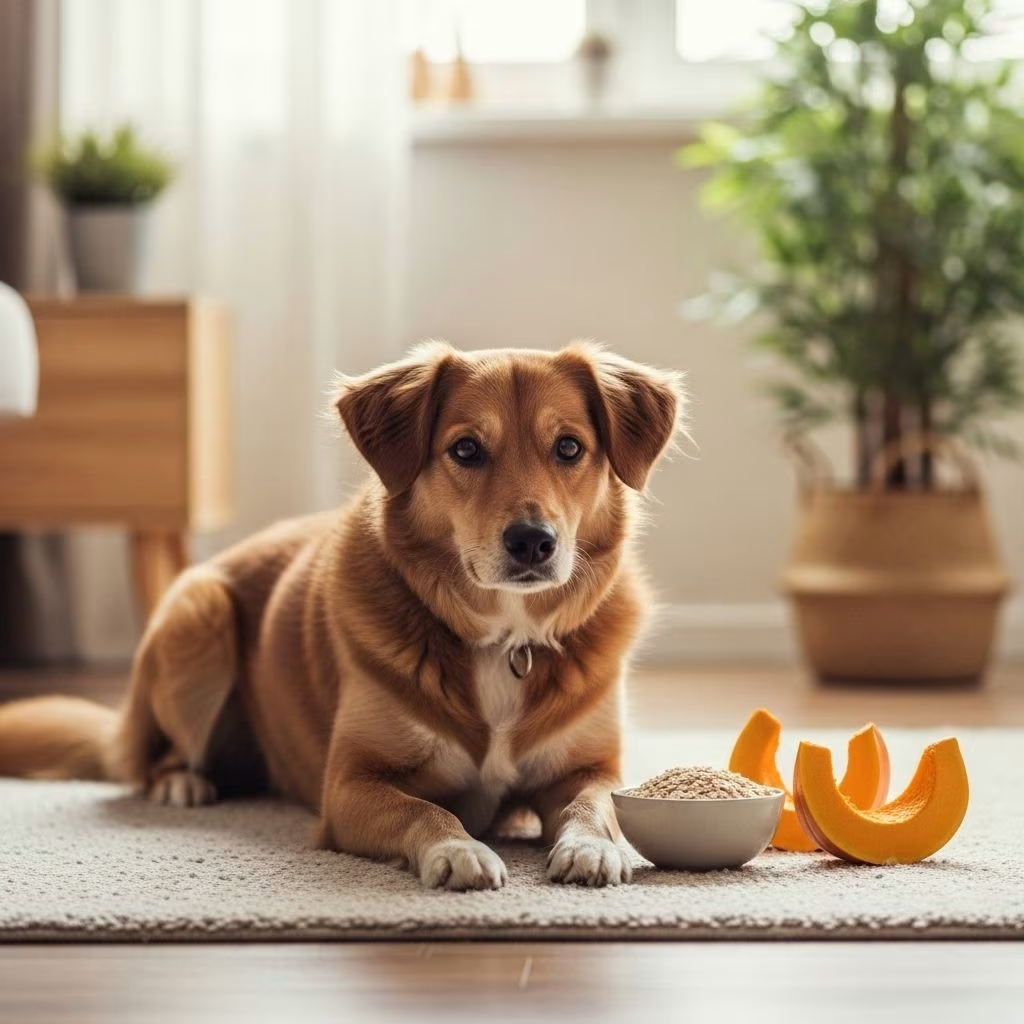
Natural Remedies for Dogs with Gastroenteritis
Gastroenteritis, or inflammation of the stomach and intestines, is a common but often distressing condition in dogs. Pets with gastroenteritis may present symptoms such as vomiting, diarrhea, abdominal discomfort, loss of appetite, lethargy, and sometimes fever. Understanding how to support your dog with safe, natural remedies—while recognizing when veterinary attention is needed—is vital for your dog’s recovery and comfort.
What Is Gastroenteritis in Dogs?
Canine gastroenteritis refers to an acute or chronic condition marked by inflammation of the digestive tract, most commonly due to infections, dietary indiscretions, toxin ingestion, food allergies, or stress. Key symptoms include:
- Vomiting and/or diarrhea
- Lethargy and depression
- Loss of appetite
- Abdominal pain and bloating
- Dehydration in severe cases
While mild cases can often be managed at home, severe, persistent, or worsening symptoms necessitate prompt veterinary care due to the risk of dehydration or underlying health issues.
When to Seek Veterinary Assistance
Although natural remedies can be effective for mild, uncomplicated cases, there are critical situations where professional intervention is essential. Contact your veterinarian immediately if your dog:
- Experiences profuse or continuous vomiting or diarrhea
- Shows signs of blood in vomit or stools
- Is extremely lethargic or unresponsive
- Refuses food and water for more than 24 hours
- Shows signs of severe abdominal pain (restlessness, abdomen sensitivity)
- Has an underlying health conditions (puppies, elderly dogs, or immunocompromised pets are higher risk)
Dehydration, rapid weight loss, evidence of poisoning, or other unusual symptoms warrant immediate veterinary diagnosis and care.
Initial At-Home Steps for Mild Gastroenteritis
For non-emergency and mild cases, supportive care at home can offer significant relief. Follow these initial steps to aid recovery:
1. Fasting to Rest the Digestive Tract
Withhold all food for 12-24 hours to allow the digestive system to rest and inflammation to subside. Water should always be available, but consider offering it in small, frequent amounts to avoid provoking more vomiting. Never fast puppies or very small dogs for longer than a few hours—consult your vet for safe approaches in these cases.
2. Reintroducing Food Gradually
- Bland Diet: After fasting, introduce a bland, easily digestible diet. The most recommended combination is boiled, skinless chicken (or turkey) breast with plain white rice, served without any additives, oils, or seasonings. The ideal starting ratio is typically 2 parts rice to 1 part meat.
- Frequency and Portion: Feed small, frequent meals (every 2–3 hours), gradually increasing the amount as improvement is observed.
- Alternative Options: Boiled white fish or low-fat cottage cheese can also be appropriate protein sources.
Continue with bland foods for 3–7 days, then slowly transition back to the regular diet over several days.
Natural Remedies to Soothe and Support Recovery
Several safe and effective natural remedies can help relieve canine gastroenteritis and restore gut health. Below are the most widely used options, their preparation methods, and precautions:
1. Electrolyte Solutions
Small amounts of oral electrolyte solutions (such as unflavored pediatric electrolyte drinks) can aid in rehydration if your dog is mildly dehydrated and not vomiting. Offer in tiny, frequent doses, and only under veterinary guidance for puppies or if vomiting persists.
2. Plain Pumpkin Puree
Pumpkin is rich in soluble fiber, which helps absorb excess water and firm up stools. It also contains vitamins and minerals, aiding intestinal healing. Offer only plain, pure pumpkin puree—not spiced pie filling. Dosage guidelines:
- Small dogs: Up to ½ teaspoon per meal
- Medium dogs: Up to 2 teaspoons per meal
- Large dogs: Up to 2 tablespoons per meal
Start with a small amount and monitor for any changes in stool consistency.
3. Probiotics
Probiotics are beneficial bacteria that help restore the gut microbiome after digestive upset. Canine-specific probiotic supplements are widely available. Alternatively, a small amount of unsweetened, plain yogurt provides natural probiotics:
- Small dogs: Up to 1 teaspoon daily
- Medium dogs: Up to 2 teaspoons daily
- Large dogs: Up to 2 tablespoons daily
Choose dairy-free options if your pet is lactose intolerant. Probiotics can enhance recovery and help prevent further imbalance in the digestive tract.
4. Ginger
Ginger has antiemetic (anti-nausea) properties and is sometimes used for mild stomach upset in dogs. It is available in capsule or freshly grated root form. Only use tiny doses and consult your vet for guidance, as effectiveness and appropriate amounts are not well established in dogs.
5. Slippery Elm Bark
Slippery elm is a gentle, natural demulcent herb that can help coat and soothe irritated digestive tracts. It forms a protective barrier and reduces inflammation. This remedy is generally regarded as safe when doses are followed. A small amount mixed with water can be administered (ask your vet about proper dosage for your dog’s size).
6. Fibrous Foods
Adding small amounts of fibrous vegetables or fruit can help slow digestion and stabilize stools, particularly if your dog is still eating. Consider easy-to-digest options such as steamed carrots or apples (peeled and cored). Avoid any foods known to be toxic to dogs (e.g., grapes, onions, garlic in large amounts).
7. White Rice Broth
White rice broth is soothing and hydrating. Quickly prepared by boiling one cup of white rice in four cups of water until the water turns cloudy, strain, cool, and serve the liquid in small quantities. It offers energy, hydration, and a gentle way to nourish the gut.
8. Yogurt
Plain, unsweetened yogurt is a natural probiotic source, helping to replenish beneficial gut bacteria. Only small amounts should be given, and dairy is not suitable for all dogs, especially those with lactose intolerance.
Helpful Table: Safe Remedies and Their Purposes
| Remedy | Main Benefit | Dosage (per meal) | Precautions |
|---|---|---|---|
| Pumpkin (pure) | Firms diarrhea, provides fiber | ½ tsp (small); 2 tsp (medium); 2 tbsp (large) | No pie/spiced filling; start with small amount |
| Probiotics | Restores gut flora | According to label/vet | Can use yogurt for non-lactose-intolerant dogs |
| Ginger (fresh/capsule) | Reduces nausea | Tiny pinch or per vet advice | Consult vet; avoid large/unknown doses |
| Slippery elm | Coats and soothes GI lining | As directed by vet | Rare side effects; monitor for allergies |
| Electrolytes (unflavored) | Rehydrates, replenishes lost minerals | Small, frequent sips | Vet-supervised for puppies/if vomiting continues |
| White rice broth | Hydration, gentle energy | 2 tbsp (small); ½ cup (large) | Only clear, unsalted broth |
| Yogurt (plain) | Natural probiotics | 1 tsp (small); 2 tsp (medium); 2 tbsp (large) | Only if not lactose intolerant |
Bland Diet: Safe Examples and Feeding Guidelines
- Proteins: Boiled skinless chicken or turkey breast, lean white fish, or low-fat cottage cheese
- Carbohydrates: Plain white rice, boiled potatoes (skinless, no butter/salt), rice noodles
Mix in a 2:1 ratio (carb: protein), given in small, frequent meals. Avoid all fats, spices, heavy seasoning, and processed meats until fully recovered. Transition back to your dog’s normal diet gradually over several days once symptoms have resolved.
Additional Supportive Tips
- Hydration: Ensure fresh water is constantly available. If dehydration is suspected, consult your vet before offering electrolyte solutions.
- Rest: Allow your dog to rest in a calm, quiet area during recovery.
- Monitor Symptoms: Keep a record of vomiting, stool consistency, appetite, and water intake to help your veterinarian if you need to seek help.
- Avoid:
- Giving your dog over-the-counter or human medications without veterinary approval
- High-fat, spicy, dairy, or raw foods until full recovery
- Feeding treats and table scraps during recovery
Preventing Future Digestive Upset
Some cases of gastroenteritis are unavoidable, but you can minimize recurrence with the following strategies:
- Feed a high-quality, well-balanced canine diet appropriate for your dog’s age and activity level.
- Avoid feeding leftovers or food that may upset the stomach.
- Provide routine deworming and up-to-date vaccinations as directed by your veterinarian.
- Limit stress and abrupt changes in diet or environment whenever possible.
- Supervise your dog outdoors to prevent scavenging, eating garbage, or ingesting foreign substances.
Frequently Asked Questions (FAQs)
Q: What causes gastroenteritis in dogs?
A: Common causes include viral or bacterial infections, sudden diet changes, ingestion of spoiled food, toxins, stress, food allergies, or parasites.
Q: Can I treat my dog’s gastroenteritis at home?
A: Mild, short-term cases without severe symptoms may often resolve with supportive care, a bland diet, hydration, and rest. Persistent or severe symptoms require professional veterinary care to rule out underlying issues.
Q: How long should I keep my dog on a bland diet?
A: Typically, 3–7 days or until stool is normal. Always transition gradually back to the regular diet and consult your veterinarian if uncertainty remains.
Q: Are there natural remedies I should avoid?
A: Avoid herbs, supplements, or foods not confirmed as safe for dogs. Garlic, onions, chocolate, grapes, and xylitol-containing foods are toxic to dogs. Do not give human medications unless prescribed by a veterinarian.
Q: When is dehydration a true emergency?
A: Symptoms such as dry gums, excessive panting, loss of skin elasticity, rapid heartbeat, or sunken eyes suggest serious dehydration. These signs signify a veterinary emergency.
Key Points to Remember
- Mild gastroenteritis in dogs often responds well to short-term fasting, a bland diet, careful hydration, and specific safe natural remedies.
- Observe your pet closely and seek vet help when in doubt, especially if symptoms worsen or don’t improve in 1–2 days.
- Prevention—through quality diet, avoiding unsafe foods, routine vet care, and stress reduction—is vital for long-term digestive health.
References
- https://www.goodrx.com/pet-health/dog/what-to-give-a-dog-for-upset-stomach-and-vomiting
- https://www.dogsnaturallymagazine.com/gastroenteritis-in-dogs/
- https://www.zumalka.com/blogs/blog-pet-health/vet-certified-holistic-solutions-relieve-dog-diarrhea
- https://www.youtube.com/watch?v=m3rxxHQrff0
- https://www.petmd.com/dog/general-health/home-remedies-for-dogs
- https://vcahospitals.com/shop/articles/8-home-remedies-for-diarrhea-and-2-that-are-dangerous-for-your-pet
- https://honnasvet.com/dog-diarrhea-and-vomiting-home-treatment/
- https://www.pdsa.org.uk/pet-help-and-advice/pet-health-hub/conditions/gastroenteritis-stomach-upset-in-dogs


