


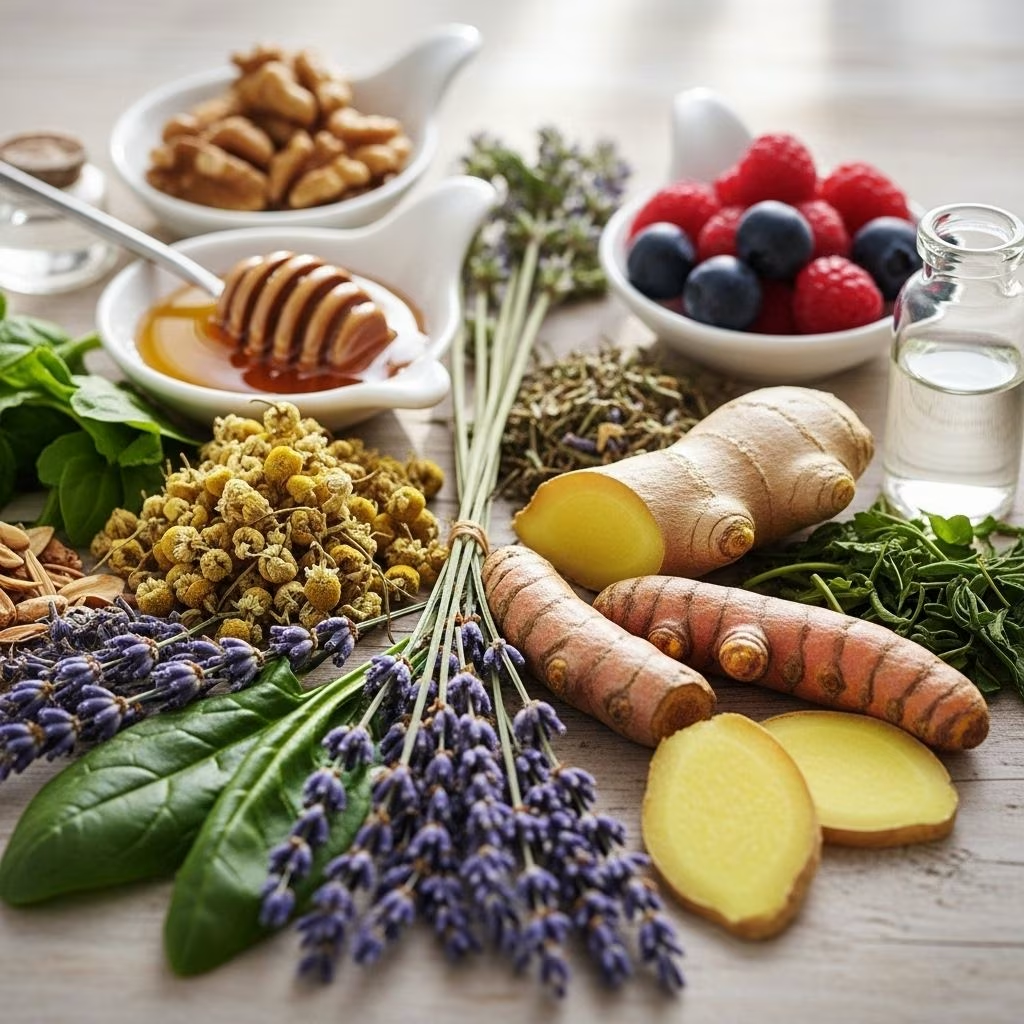
Natural Remedies for Endometriosis: Evidence-Based Approaches to Symptom Relief
Endometriosis is a chronic and often painful condition affecting millions of women worldwide. Characterized by the growth of tissue similar to the uterine lining outside the uterus, endometriosis can result in pelvic pain, fatigue, digestive disturbances, and sometimes infertility. While conventional treatments such as surgery and hormonal therapy are widely used, many women seek additional relief through natural remedies and lifestyle adjustments. This guide explores current evidence-based options, emphasizing both symptom management and overall well-being.
Understanding Endometriosis
Endometriosis involves the growth of endometrial-like tissue on organs such as the ovaries, fallopian tubes, bladder, and bowel. Each month, influenced by hormonal changes, this tissue thickens, breaks down, and bleeds — but unlike tissue inside the uterus, it has no easy way to exit the body. Over time, this leads to inflammation, the formation of scar tissue, and adhesions between organs. Common symptoms include:
- Chronic pelvic pain
- Painful or heavy periods
- Pain with intercourse
- Digestive upset (constipation, diarrhea, or bloating)
- Fatigue
- Possible difficulties with fertility
Holistic and Natural Strategies for Managing Endometriosis
While no single remedy works for everyone, a combination of lifestyle modifications, natural supplements, and alternative therapies can help manage symptoms, reduce inflammation, and improve daily quality of life.
1. Heat Therapy for Pain Relief
Applying heat is one of the simplest and most accessible remedies for endometriosis-related discomfort. Heat relaxes pelvic and abdominal muscles, increases blood flow, and can temporarily dull pain signals to the brain.
- Heating pads or hot water bottles: Place gently on the lower abdomen or back to soothe cramps and pain.
- Warm baths: Immersing in a comfortably hot bath can also help relax tense muscles and reduce pain intensity.
This approach is safe for most people and can be used alongside other pain management techniques.
2. Over-the-Counter Anti-Inflammatory Medications
Nonsteroidal anti-inflammatory drugs (NSAIDs) such as ibuprofen or naproxen are frequently used to manage mild to moderate pain. These medications work by reducing the production of inflammatory prostaglandins, the compounds that contribute to both inflammation and pain signals. Always consult with a healthcare provider before long-term or high-dose NSAID use, especially if you have gastrointestinal or kidney concerns.
3. Dietary Adjustments and Nutritional Strategies
Research indicates that certain dietary choices can influence inflammation and possibly reduce endometriosis symptoms. While food alone is not a cure, mindful eating can support symptom management.
- Increase anti-inflammatory foods:
- Fresh fruits and vegetables
- Whole grains
- Fatty fish (e.g., salmon, sardines) for omega-3s
- Seeds and nuts
- Spices with anti-inflammatory effects, such as turmeric and ginger
- Reduce pro-inflammatory foods:
- Processed meats and high-fat dairy
- Refined sugars and sugary snacks
- Highly processed or fried foods
- Consider a gluten-free diet: Some small studies suggest that eliminating gluten can improve symptom severity in certain individuals, though more research is needed for conclusive guidance. If trialing gluten elimination, do so under a dietitian’s supervision to ensure balanced nutrition.
Note: Any significant dietary change should be discussed with a healthcare provider, especially if you have additional medical conditions.
4. Herbal Remedies and Supplements
Several herbs and biologically active compounds from plants have been studied for their potential to reduce inflammation, regulate hormones, or alleviate pain. While the evidence base is still developing, here are some natural supplements commonly used by those with endometriosis:
| Herb/Supplement | Proposed Benefit | Evidence | Notes |
|---|---|---|---|
| Turmeric (Curcumin) | Reduces inflammation, may inhibit endometrial cell growth | Some lab and animal studies indicate benefit; human data promising but limited | Can be added to food, taken as tea, or in capsules; discuss dosage with provider |
| Pine Bark Extract | Anti-inflammatory, reduces pain | Small studies show benefit when combined with oral contraceptives | More research needed; best used in consultation with a healthcare provider |
| Chamomile | Contains chrysin, which may suppress endometrial cells | Data limited to laboratory studies | Available as tea or extract; generally considered safe |
| Peppermint | Antioxidant and anti-inflammatory | Anecdotal use; scientific evidence limited | Tea form is soothing and widely available |
| Chasteberry (Vitex) | May balance hormones relevant to menstrual cycles | Evidence for PMS and menstrual symptoms; less data for endometriosis | Should be used with caution and medical advice, especially if taking hormonal meds |
| Ashwagandha | Stress relief | Studies confirm reduced stress; indirect benefit for pain management | May ease anxiety and support sleep |
| Bromelain | Digestive enzyme, anti-inflammatory properties | Some evidence for reducing pelvic pain in combination | Derived from pineapples; consider interactions with meds |
Important: Supplements may interact with medications or have side effects. Always consult a healthcare provider, especially if you are pregnant, breastfeeding, or managing other medical issues.
5. Acupuncture and Traditional Chinese Medicine
Traditional Chinese medicine (TCM), including acupuncture and herbal blends, is frequently sought to address both pain and hormonal imbalances associated with endometriosis. Though some studies report positive outcomes, results are mixed due to variable study quality and individualized herbal formulations. Acupuncture may provide temporary relief from pelvic pain and help with relaxation. While not universally effective, these therapies may be considered as complementary approaches within a holistic care plan.
6. Mind-Body Practices and Stress Management
Chronic pain can increase stress levels, which in turn may exacerbate symptom intensity. Techniques shown to help manage pain perception and improve overall well-being include:
- Yoga: Gentle stretching and mind-body awareness can reduce pelvic tension and stress.
- Meditation and mindfulness: Regular practice can help reduce anxiety and improve pain tolerance.
- Cognitive-behavioral therapy (CBT): Skills learned in CBT can assist in coping with chronic pain and making lifestyle adjustments.
- Breathwork: Deep, controlled breathing techniques can help interrupt the pain-stress cycle.
7. Pelvic Floor Physical Therapy
In some cases, chronic pelvic pain is partly due to tightness or dysfunction of the pelvic floor muscles. A specialized physical therapist can offer targeted exercises and manual techniques to relax muscles, improve pelvic alignment, and reduce pain. This therapy may be especially helpful when pain is triggered by intercourse, urination, or bowel movements.
8. Lifestyle and Behavioral Changes
- Regular exercise: Activities like brisk walking, swimming, or low-impact aerobics help reduce inflammation, relieve stress, and support hormonal balance.
- Sleep hygiene: Prioritize 7–8 hours of restorative sleep to help with pain regulation and recovery.
- Quit smoking: Tobacco is pro-inflammatory and may worsen symptoms in some individuals.
- Maintain a healthy weight: Excess adipose tissue can influence estrogen levels and inflammation.
9. Other Complementary Therapies
- Magnesium: May help reduce muscle cramps and ease pain.
- Omega-3 supplements: Fish oil capsules can help decrease inflammation if intake from food is insufficient.
- Probiotics: Support digestive health, which can be helpful since many women with endometriosis also experience gastrointestinal upset.
What to Avoid with Endometriosis
Certain factors may worsen inflammation or trigger endometriosis flare-ups:
- Highly processed foods, including sugary snacks and fast food
- Excess caffeine or alcohol, which can increase inflammation and estrogen levels
- Prolonged sedentary behavior; regular movement is crucial
Identifying and minimizing personal triggers is key to symptom management.
When to Seek Conventional Medical Care
Natural remedies can be valuable, but some symptoms and complications of endometriosis require medical assessment and intervention. Seek prompt medical advice if you experience:
- Severe or rapidly worsening pelvic pain
- Heavy or abnormal bleeding
- Fever with pain or gastrointestinal symptoms
- Fertility concerns
Integrative care, which includes natural approaches alongside standard treatments, is often the most effective strategy for lasting relief and quality of life. Collaboration between gynecological specialists, dietitians, physical therapists, and mental health professionals can be especially beneficial.
Frequently Asked Questions (FAQs)
Q: Can endometriosis be cured through natural remedies alone?
A: Endometriosis cannot be cured by natural remedies alone. However, holistic approaches and lifestyle changes may significantly alleviate symptoms for many people.
Q: Are herbal supplements safe for everyone with endometriosis?
A: Not all herbal supplements are safe for every individual. Some may interact with medications or have unintended side effects. Consulting with a healthcare provider before starting any new supplement is strongly recommended.
Q: Is a gluten-free diet helpful for everyone with endometriosis?
A: Some women report improvement in symptoms after eliminating gluten, but scientific evidence is limited. A gluten-free approach may be worth trying under professional supervision if traditional intervention is insufficient.
Q: Which natural remedies have the most scientific support?
A: Heat therapy, certain dietary changes (such as increasing anti-inflammatory foods), select herbal supplements (like turmeric), and acupuncture have some scientific backing, but results can vary widely by individual.
Q: Are there risks to relying solely on natural remedies for endometriosis management?
A: Yes, delaying medical evaluation or necessary treatment can lead to complications. It is important to combine natural strategies with regular medical monitoring and conventional therapies as needed.
Key Takeaways
- Natural remedies can play an important role in relieving endometriosis pain and improving daily function.
- A multifaceted approach, combining dietary changes, stress management, gentle physical activity, and evidence-supported herbal supplements, often yields the best results.
- Regular medical follow-up is essential to monitor symptoms and manage complications.
Before making major changes to your health plan, collaborate with your healthcare provider to ensure an individualized, safe, and effective strategy for managing endometriosis.
References
- https://www.healthline.com/health/home-remedies-for-endometriosis
- https://pmc.ncbi.nlm.nih.gov/articles/PMC11527925/
- https://www.medicalnewstoday.com/articles/321402
- https://www.ebsco.com/research-starters/complementary-and-alternative-medicine/natural-treatments-endometriosis
- https://pmc.ncbi.nlm.nih.gov/articles/PMC10343861/
- https://www.mayoclinic.org/diseases-conditions/endometriosis/diagnosis-treatment/drc-20354661
- https://www.webmd.com/women/endometriosis/herbs-for-endometriosis
- https://www.thewomens.org.au/health-information/periods/endometriosis/treating-endometriosis


