


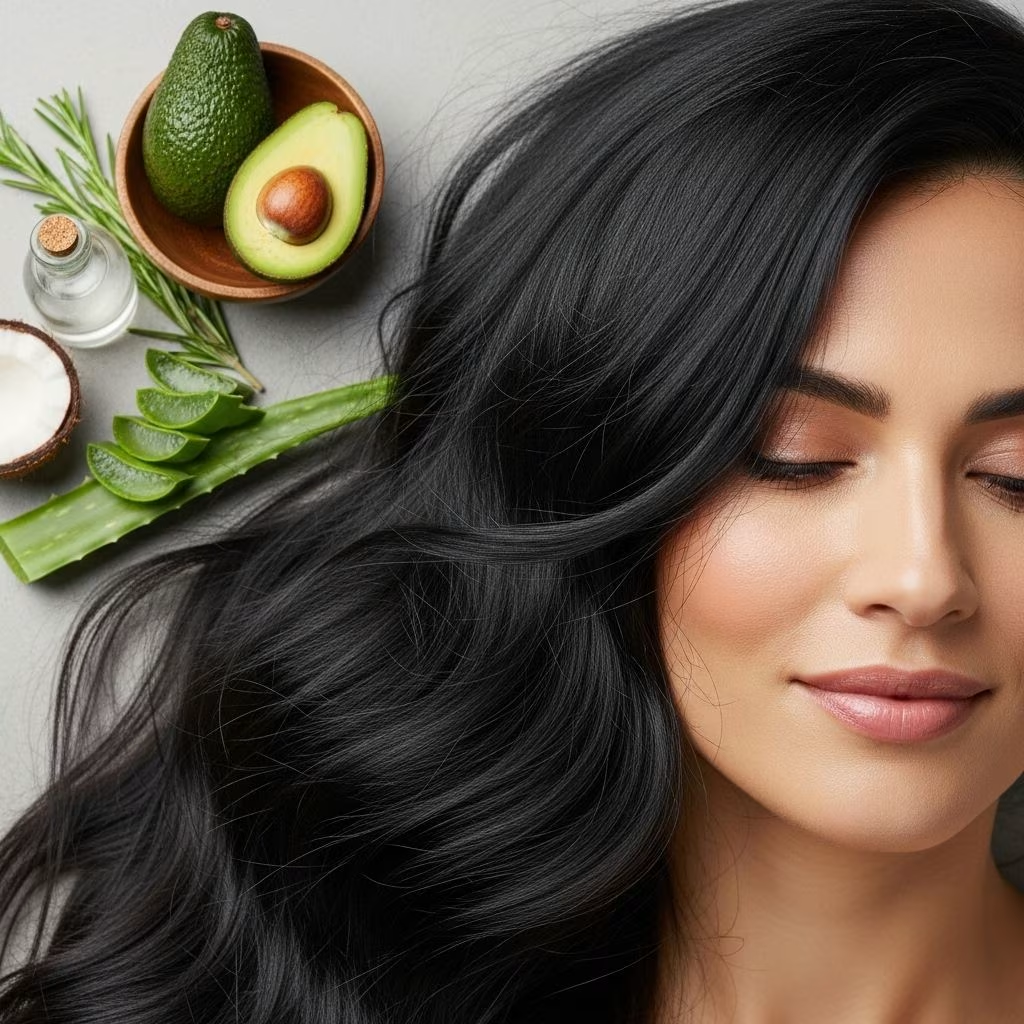
Frizzy hair can be one of the most frustrating hair concerns to manage, leaving many people feeling defeated in their quest for smooth, manageable locks. The good news is that nature provides powerful solutions that can transform even the most unruly hair into silky, healthy strands. Understanding what causes frizz and how to combat it with natural remedies is the first step toward achieving the hair of your dreams.
Frizziness occurs when hair lacks moisture and the outer cuticle layer becomes raised and damaged. When dry hair is exposed to humid conditions, it desperately tries to absorb moisture from the air, causing the cuticle scales to separate and swell rather than lying flat. This creates that characteristic frizzy, unmanageable appearance that many struggle with daily. The key to taming frizz lies in restoring and maintaining optimal moisture levels while protecting the hair’s delicate structure.
Understanding the Root Causes of Frizzy Hair
Before diving into remedies, it’s essential to understand why your hair becomes frizzy in the first place. Multiple factors contribute to this common hair woe, and identifying your specific triggers can help you choose the most effective treatments.
Heat styling tools like flat irons, curling wands, and blow dryers strip moisture from hair strands, leaving them vulnerable to frizz. Each time you apply high temperatures to your hair, you’re potentially damaging the protective cuticle layer that keeps moisture locked in and frizz at bay. Similarly, chemical treatments including permanent coloring, bleaching, and relaxers alter the hair’s natural structure, often leaving it more porous and prone to absorbing excess moisture from the environment.
Environmental factors play a significant role as well. Humidity is perhaps the most notorious culprit, as water molecules in the air penetrate the hair shaft, causing it to swell and lose its smooth appearance. Additionally, harsh weather conditions like wind and sun exposure can dehydrate hair over time. Your washing routine matters too—overwashing strips away natural oils that protect and moisturize hair, while using shampoos with harsh sulfates can exacerbate dryness and frizziness.
The Power of Coconut Oil for Frizz Control
Coconut oil stands as one of the most celebrated natural remedies for frizzy hair, and for good reason. This versatile oil is exceptionally high in lauric acid, a medium-chain fatty acid that has a unique ability to penetrate the hair shaft rather than simply coating the surface. This deep penetration allows coconut oil to strengthen hair from within while reducing protein loss that occurs during washing and styling.
The molecular structure of coconut oil makes it particularly effective at sealing the hair cuticle, preventing moisture from escaping while simultaneously blocking excess humidity from entering. This dual action makes it an ideal solution for those battling frizz in varying weather conditions. Rich in vitamins E and K, along with powerful antioxidants, coconut oil doesn’t just tame frizz—it actively nourishes and repairs damaged hair over time.
To create an effective coconut oil treatment, start with organic, virgin coconut oil for the highest quality and nutrient content. Warm two to three tablespoons of coconut oil in your palms or in a microwave-safe bowl for just a few seconds until it reaches a liquid state. Be careful not to overheat it, as you want it warm and comfortable to apply, not hot enough to damage hair or scalp.
Apply the warmed oil generously to damp hair, working it through from roots to tips with your fingers or a wide-tooth comb. Pay special attention to the ends, which tend to be the driest and most prone to frizz. Massage the oil into your scalp as well, as this promotes healthy hair growth and addresses dryness at the source. Once thoroughly applied, gather your hair and secure it in a bun or twist, then cover with a shower cap or wrap in a soft towel to trap heat and enhance absorption.
Leave the coconut oil mask on for a minimum of fifteen minutes, though for severely dry or damaged hair, extending the treatment to thirty minutes or even overnight can yield more dramatic results. If you choose an overnight treatment, use an old pillowcase or place a towel over your pillow to protect your bedding from oil stains. When ready to remove the treatment, rinse thoroughly with warm water and follow with a gentle, sulfate-free shampoo to remove all traces of oil without stripping away the moisture you’ve just restored.
Argan Oil: Liquid Gold for Smooth Hair
Often called “liquid gold,” argan oil has become a staple in natural hair care for its remarkable ability to combat frizz while adding brilliant shine. This precious oil, extracted from the kernels of Moroccan argan trees, contains an impressive concentration of oleic acid and linoleic acid—both essential fatty acids that deeply moisturize and nourish hair. The high vitamin E content acts as a powerful antioxidant, protecting hair from environmental damage and free radicals that can contribute to dryness and frizz.
What makes argan oil particularly appealing is its lightweight texture. Unlike heavier oils that can weigh down fine hair or leave a greasy residue, argan oil absorbs quickly and leaves hair feeling soft and manageable rather than coated. This makes it suitable for a wider range of hair types, from fine and straight to thick and curly. Many users also believe argan oil provides heat protection, though scientific evidence for this claim remains limited.
For best results, apply argan oil to freshly washed, damp hair before styling. Start with just a few drops—a little goes a long way with this concentrated oil. Warm the oil between your palms, then gently press it through your hair, focusing on mid-lengths to ends where frizz tends to be most problematic. Use your fingers or a comb to distribute the oil evenly from roots to tips, ensuring complete coverage without oversaturation.
The beauty of argan oil lies in its versatility. You can use it as a leave-in treatment after showering, as a finishing serum on dry hair to tame flyaways throughout the day, or as a protective barrier before heat styling. For particularly frizzy or damaged hair, consider applying argan oil both before and after blow-drying for maximum smoothness and protection.
Avocado Hair Masks for Deep Conditioning
Avocados aren’t just a nutritious food—they’re a powerhouse ingredient for hair health. Packed with vitamins A, D, and E, along with essential fatty acids and natural oils, avocados provide intense moisture and nourishment that penetrate deep into the hair shaft. The high fat content makes avocado particularly effective at coating and sealing the hair cuticle, reducing frizz while promoting shine and smoothness.
Vitamin E, abundant in avocados, acts as a potent antioxidant that repairs damage to the hair follicle and promotes healthy hair growth. Meanwhile, the natural oils in avocado closely mimic the sebum produced by your scalp, making them easily absorbed and highly compatible with your hair’s natural chemistry. This compatibility means avocado treatments are less likely to cause buildup or irritation compared to some synthetic products.
Creating an effective avocado hair mask at home is simple and requires just two ingredients. Select a ripe, medium-sized avocado and mash it thoroughly until you achieve a smooth, lump-free consistency. The smoother your avocado base, the easier the mask will be to apply and rinse out later. Add two to four tablespoons of coconut oil to your mashed avocado, adjusting the amount based on your hair length and thickness. Mix the ingredients together until you have a creamy, spreadable consistency similar to thick yogurt.
Apply this nutrient-rich mask liberally to your scalp and hair, working it through from roots to ends. Don’t be shy with application—your hair should be thoroughly coated for maximum benefit. Use your fingers to massage the mask into your scalp, stimulating blood flow and ensuring the treatment reaches your hair follicles. Once fully applied, cover your hair with a plastic shower cap or wrap it in a warm towel to create a greenhouse effect that enhances absorption.
Leave the avocado mask on for twenty to thirty minutes, allowing the vitamins, oils, and nutrients to penetrate deeply. During this time, you might feel your hair becoming softer and more pliable as the mask works its magic. When time is up, rinse your hair thoroughly with lukewarm water, then shampoo as usual to remove all traces of the mask. You may need to shampoo twice to ensure complete removal, especially if you have fine hair. Use this treatment once or twice weekly for best results.
Egg Treatments for Protein-Rich Conditioning
Eggs have been used for centuries as a natural hair treatment, valued for their high protein content and ability to strengthen and condition hair. Rich in biotin, vitamins A and D, and essential fatty acids, eggs provide comprehensive nourishment that addresses multiple hair concerns simultaneously. The proteins in eggs help rebuild damaged hair structure, while the fats and vitamins moisturize and add shine.
Hair is primarily composed of a protein called keratin, and when hair becomes damaged through heat styling, chemical treatments, or environmental stress, this protein structure breaks down. Egg treatments help replenish lost protein, strengthening hair from within and reducing breakage while also helping to seal the cuticle and reduce frizz. The lecithin in egg yolks acts as an emulsifier, helping to bind moisture to hair strands for long-lasting hydration.
To create a basic egg hair mask, crack two whole eggs into a bowl and whip them vigorously until they become light and frothy. This aeration helps the eggs spread more easily through your hair and makes rinsing easier later. Apply the whipped egg mixture directly to your hair and scalp, working it through thoroughly with your fingers. Make sure every strand is coated, paying extra attention to dry or damaged areas.
Once applied, cover your hair with a plastic shower cap to prevent dripping and to trap body heat, which helps the proteins penetrate more effectively. Leave the mask on for fifteen minutes—avoid going longer, as eggs can become difficult to remove if left too long or exposed to hot water. When ready to rinse, use cool or lukewarm water only. Hot water can actually cook the eggs in your hair, creating a difficult-to-remove mess and an unpleasant smell.
For enhanced benefits, try variations of the basic egg mask. Combine one egg with two tablespoons of coconut oil for extra moisture, or mix an egg with a tablespoon of argan oil for added shine. You can also use just the yolks if you have very dry hair, as they contain more fat and less protein than the whites. Use egg treatments once or twice weekly, but always perform a patch test first if you have any egg allergies.
Apple Cider Vinegar Rinse for Balanced pH
Apple cider vinegar (ACV) offers a unique approach to fighting frizz by addressing the pH balance of your hair and scalp. Hair naturally has a slightly acidic pH of around 4.5 to 5.5, but many commercial shampoos are alkaline, which can raise the hair’s pH, causing the cuticle to swell and become rough. This raised cuticle not only creates frizz but also makes hair more vulnerable to damage and tangling.
An apple cider vinegar rinse helps restore hair’s natural pH balance, causing the cuticle to flatten and seal. This smoothing effect dramatically reduces frizz while enhancing shine and making hair more manageable. ACV also has natural clarifying properties that remove product buildup, excess oils, and impurities that can weigh hair down and contribute to a dull, frizzy appearance.
To prepare an ACV rinse, mix one to two tablespoons of raw, unfiltered apple cider vinegar with one cup of cool water. The dilution is important—using undiluted vinegar can be too harsh and may damage hair or irritate the scalp. After shampooing and rinsing your hair thoroughly, slowly pour the ACV mixture over your hair, working it through with your fingers to ensure even distribution. Focus on the mid-lengths and ends rather than saturating the scalp.
Allow the rinse to sit for one to two minutes, giving it time to work its magic on the hair cuticle. You’ll notice the vinegar smell is quite strong initially, but don’t worry—it dissipates completely as your hair dries. Rinse your hair thoroughly with cool water to remove the vinegar solution. The cool water provides an additional benefit by helping to seal the cuticle further, maximizing smoothness and shine.
Prevention Strategies for Long-Term Frizz Control
While treating existing frizz is important, preventing it in the first place is even more effective. Implementing protective strategies into your daily routine can dramatically reduce frizz over time, making your hair more manageable and healthy.
Heat styling is one of the primary causes of hair damage and frizz, so minimizing its use should be a top priority. Whenever possible, allow your hair to air dry naturally rather than reaching for the blow dryer. If you must use heat tools, always apply a heat protectant product first and use the lowest effective temperature setting. Modern styling tools often offer multiple heat settings—take advantage of this feature to minimize damage while still achieving your desired style.
Your washing routine deserves careful attention as well. Overwashing strips away the natural oils that protect and moisturize your hair, leaving it vulnerable to dryness and frizz. Most hair types benefit from washing just two to three times per week rather than daily. When you do wash, use lukewarm rather than hot water, as hot water opens the cuticle and can lead to moisture loss and increased frizz. Finish with a cool water rinse to seal the cuticle and lock in moisture.
Product selection plays a crucial role in frizz prevention. Choose sulfate-free shampoos that cleanse gently without stripping natural oils. Look for moisturizing conditioners rich in natural oils and butters, and consider using a leave-in conditioner or hair serum specifically formulated for frizz control. Avoid products containing high amounts of alcohol, as these can be extremely drying and exacerbate frizz.
Friction from cotton pillowcases can rough up the hair cuticle overnight, leading to morning frizz and tangles. Switching to a silk or satin pillowcase reduces this friction significantly, allowing hair to glide smoothly as you move during sleep. Alternatively, wrap your hair in a silk scarf before bed for similar protective benefits.
Daily Habits for Frizz-Free Hair
Incorporating frizz-fighting habits into your daily routine creates cumulative benefits that compound over time. Small consistent actions often prove more effective than occasional intensive treatments.
Start by being mindful of how you dry your hair after washing. Vigorously rubbing wet hair with a towel creates friction that damages the cuticle and promotes frizz. Instead, gently squeeze excess water from your hair, then blot or scrunch with a soft microfiber towel or even an old cotton t-shirt. These materials are gentler on hair and reduce friction significantly.
When detangling, always start from the ends and work your way up to the roots gradually. This approach prevents unnecessary stress and breakage. Use a wide-tooth comb or a brush specifically designed for wet hair, as regular brushes can cause significant damage when used on wet strands. Apply a leave-in conditioner or detangling spray to make the process smoother and easier.
Protect your hair from environmental damage by wearing a hat or scarf on particularly sunny, windy, or humid days. UV rays can damage the hair cuticle and lead to dryness and frizz, while wind causes tangles and roughens the cuticle surface. Even brief exposure to harsh conditions can undo the benefits of your carefully applied treatments.
Regular trims are essential for maintaining healthy, frizz-free hair. Split ends and damaged tips make hair appear frizzier and more unkempt. Schedule a trim every six to eight weeks to remove damaged ends and keep your hair looking its best. Even if you’re growing your hair out, these small trims actually promote healthier growth by preventing splits from traveling up the hair shaft.
Choosing the Right Remedy for Your Hair Type
Not all natural remedies work equally well for every hair type, so understanding which treatments best suit your specific needs is crucial for achieving optimal results.
For fine or thin hair, lightweight oils like argan oil are ideal, as they provide moisture and frizz control without weighing hair down. Heavy treatments like coconut oil masks should be used sparingly and focused on the ends rather than the roots to avoid a greasy appearance. Apple cider vinegar rinses work particularly well for fine hair, as they remove buildup that can make hair appear limp while adding shine without heaviness.
Those with thick or coarse hair can handle richer treatments like coconut oil and avocado masks without worry about weighing down their strands. In fact, these hair types often benefit from more intensive moisture treatments applied more frequently. Deep conditioning masks can be used twice weekly, and heavier oils can be applied more liberally throughout the hair.
Curly and textured hair types typically require more moisture than straight hair due to their structure, which makes it harder for natural oils to travel from scalp to ends. Coconut oil, avocado masks, and egg treatments all work exceptionally well for curly hair. Consider combining remedies—for example, an avocado and coconut oil mask provides intense moisture, while an egg treatment can strengthen curl definition and reduce frizz.
Color-treated or chemically processed hair needs extra gentle care, as these treatments compromise the hair’s protective barriers. Focus on moisturizing and protein-balancing remedies, alternating between egg treatments (for protein) and oil-based masks (for moisture). Be cautious with apple cider vinegar rinses on color-treated hair, as the acidity can potentially affect hair color over time. Always dilute properly and limit use to once every week or two.
Frequently Asked Questions
Q: How often should I use natural remedies for frizzy hair?
A: Most natural remedies work best when used one to two times per week. Overuse can lead to buildup or overly heavy hair. Start with once weekly treatments and adjust based on how your hair responds. If your hair is extremely dry or damaged, you may benefit from twice-weekly treatments initially, then reduce frequency as your hair improves.
Q: Can I combine different natural remedies together?
A: Yes, many natural remedies complement each other beautifully. Coconut oil and eggs make an excellent combined mask, as do avocado and coconut oil. However, avoid using too many treatments at once, as this can overwhelm your hair. Stick to two or three compatible ingredients per treatment for best results.
Q: How long does it take to see results from natural frizz remedies?
A: You should notice immediate improvement in smoothness and manageability after your first treatment. However, significant transformation of chronically frizzy hair typically takes four to six weeks of consistent treatment. Be patient and maintain your routine for lasting results.
Q: Are natural remedies better than commercial anti-frizz products?
A: Natural remedies offer pure, chemical-free solutions without potentially harmful additives. They’re generally more affordable and can be highly effective. However, some people prefer the convenience of commercial products. The best approach often combines both—use natural treatments weekly while incorporating quality commercial leave-in products for daily maintenance.
Q: Will these remedies work on all hair types?
A: Yes, but different remedies work better for different hair types. Fine hair responds well to lighter oils like argan, while thick or curly hair benefits from heavier treatments like coconut oil and avocado. Experiment to find which remedies your specific hair type responds to best.
Q: Can I use these remedies on color-treated hair?
A: Most natural remedies are safe for color-treated hair and can actually help protect your color by improving hair health. However, use apple cider vinegar rinses cautiously, as the acidity may affect color longevity. Always use cooler water when rinsing treatments from colored hair to help preserve your color.
Q: What’s the best way to remove oil-based treatments from hair?
A: Apply shampoo directly to oiled hair before wetting it. The
References
- https://www.healthline.com/health/beauty-skin-care/frizzy-hair-home-remedies
- https://www.laifentech.com/blogs/news/home-remedies-for-dry-hair
- https://www.youtube.com/watch?v=vqgRRyPkJb4
- https://www.johnfrieda.com/en-uk/blog/hair-care/how-to-tame-frizzy-hair/
- https://www.youtube.com/watch?v=NzxHkv3ugOE


