


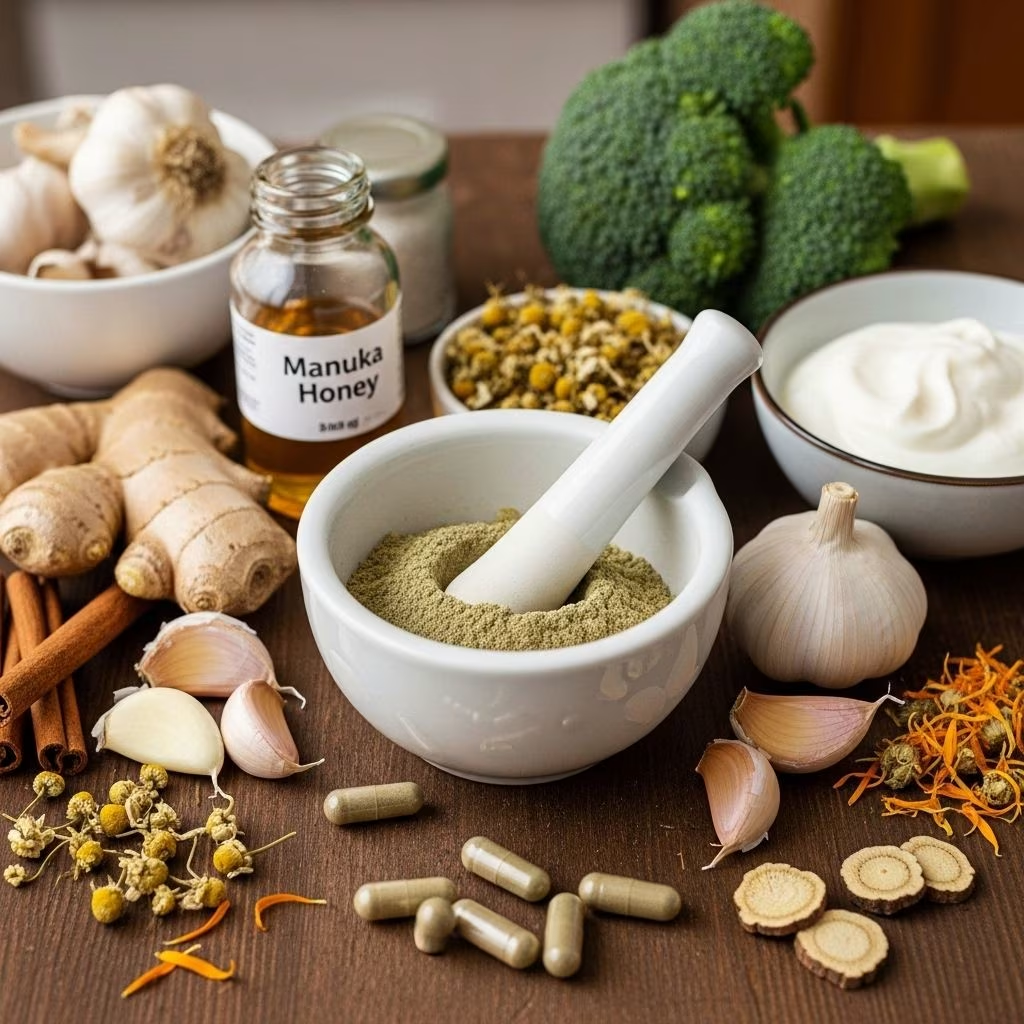
Introduction to H. pylori Infection
Helicobacter pylori, commonly referred to as H. pylori, is a type of bacteria that can infect the stomach lining and is associated with peptic ulcers and gastritis. While conventional treatments often involve antibiotics, natural remedies can complement these treatments and help manage symptoms.
Understanding Natural Remedies for H. pylori
Natural remedies for H. pylori infection aim to reduce bacterial load and alleviate symptoms. These remedies should be used alongside medical advice and not as a replacement for prescribed treatments.
Natural Remedies for H. pylori Infection
### 1. ProbioticsProbiotics, particularly strains like Lactobacillus and Bifidobacterium, can enhance gut health and potentially reduce the adverse effects of antibiotics.### 2. Green TeaGreen tea contains catechins, which have antibacterial effects against H. pylori. Regular consumption may reduce bacterial colonization.### 3. HoneyHoney, especially Manuka honey, has antimicrobial properties that can inhibit H. pylori growth. It may aid in managing infections when used in moderation.### 4. Licorice RootLicorice root has antibacterial effects and can help prevent H. pylori from adhering to stomach lining cells. It may also promote ulcer healing.### 5. Olive OilExtra virgin olive oil has compounds with antibacterial activity against H. pylori. Using it in cooking may provide a natural way to reduce infection.### 6. GarlicGarlic possesses broad-spectrum antimicrobial effects, including against H. pylori. Regular consumption can support the body’s defense against this bacterium.### 7. Broccoli SproutsSulforaphane in broccoli sprouts has strong antibacterial properties against H. pylori, offering a natural method to combat this infection.
Dietary Changes for H. pylori Management
Adopting a diet rich in certain foods and avoiding others can help manage H. pylori infections:
– Probiotic-rich foods: Include foods like kefir and yogurt to enhance gut health.- Omega-3 rich foods: Incorporate wild-caught fish and flaxseeds for their anti-inflammatory benefits.- Cruciferous vegetables: Broccoli and cauliflower are beneficial for their antibacterial properties.- Berries: Berries such as raspberries and blueberries are rich in antioxidants.- Avoid caffeine, carbonated beverages, spicy foods, and pickled foods, as they can exacerbate symptoms.
Stress Management
Stress can worsen symptoms and immune function. Incorporate stress-relieving activities like meditation, yoga, or deep breathing exercises into your daily routine.
Frequently Asked Questions (FAQs)
Q: Are natural remedies effective in eradicating H. pylori?
A: While natural remedies can reduce bacterial load and manage symptoms, they are generally not effective in completely eradicating H. pylori. Antibiotics are often necessary for full eradication.
Q: Can natural remedies replace antibiotics for H. pylori treatment?
A: No, natural remedies should not replace medical treatments. They can be used in conjunction with prescribed antibiotics to enhance gut health and reduce side effects.
Q: How long does it take to see results from natural remedies?
A: Results can vary, but improvements in symptoms can be noticed within a few weeks. It’s important to consult with a healthcare provider to monitor progress.
Conclusion
Natural remedies offer a complementary approach to managing H. pylori infections. By incorporating these remedies into your lifestyle, you can potentially reduce symptoms and enhance the effectiveness of conventional treatments. Always consult with a healthcare provider before starting any new regimen.
References
- https://www.healthline.com/health/digestive-health/h-pylori-natural-treatment
- https://pmc.ncbi.nlm.nih.gov/articles/PMC4848239/
- https://www.vinmec.com/eng/blog/what-should-eat-to-kill-hp-bacteria-in-the-stomach-en
- https://www.frontiersin.org/journals/medicine/articles/10.3389/fmed.2023.1324473/full
- https://peptiko.gr/en/natural-treatments-for-h-pylori-do-they-really-work/
- https://draxe.com/health/h-pylori/
- https://pmc.ncbi.nlm.nih.gov/articles/PMC3925854/
- https://www.scientificarchives.com/article/recent-advances-in-diagnosing-and-treating-helicobacter-pylori-through-botanical-extracts-and-advanced-technologies
- https://www.magrabihealth.com/blog/h-pylori


