


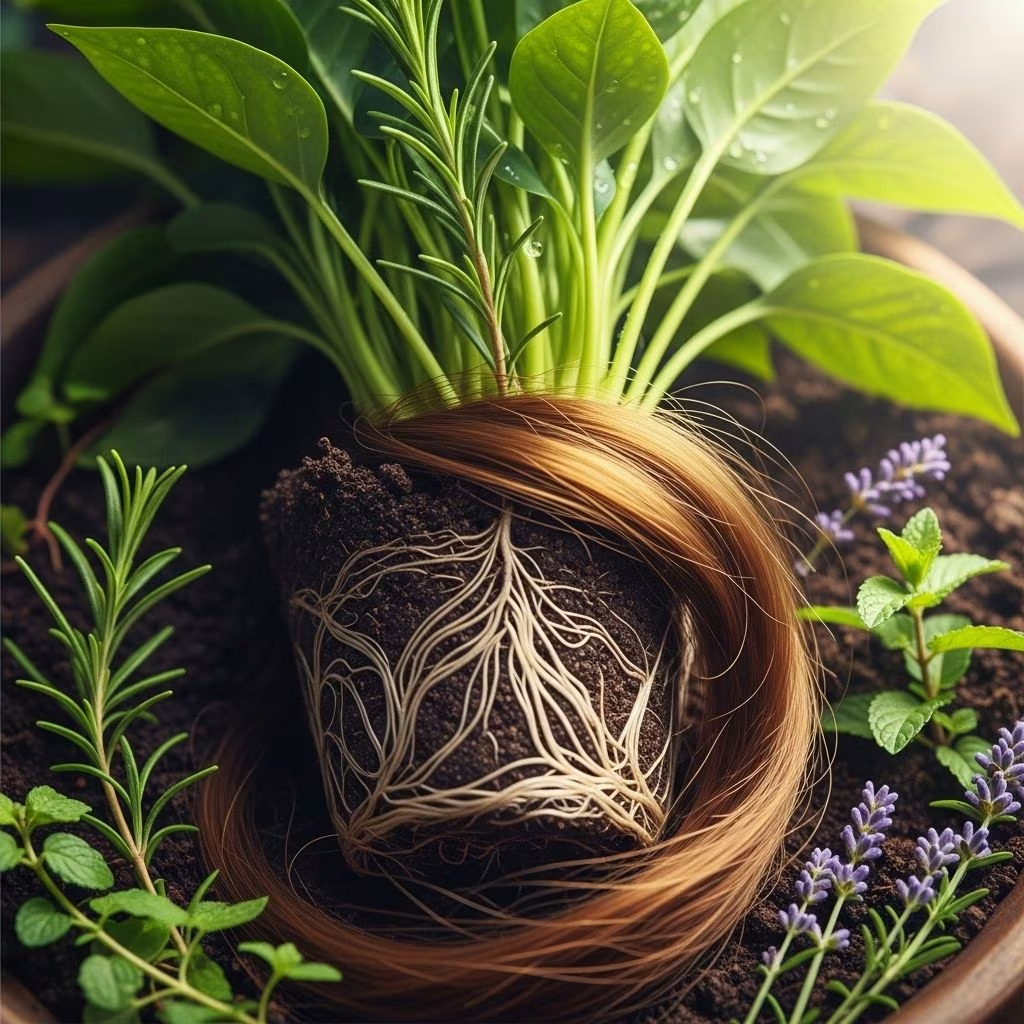
Natural Remedies to Treat Hair Loss: Effective Solutions for Thicker, Healthier Hair
Hair loss is a widespread concern affecting millions across the globe, cutting across gender and age. While some thinning is normal—experts estimate losing 50–100 hairs daily—excessive hair loss can undermine confidence and emotional well-being. The causes can be complex, involving genetics, hormones, health conditions, or even stress. Thankfully, a variety of natural remedies exist—many with supporting scientific evidence—that aim to prevent, slow, or even reverse hair loss by nurturing scalp health and supporting robust hair growth. This comprehensive guide covers the most effective natural remedies and how to incorporate them into your routine.
Understanding Hair Loss: Causes and Considerations
Before pursuing remedies, pinpointing the underlying cause is crucial as it informs the best treatment plan. Common triggers for hair loss include:
- Genetic predisposition (androgenetic alopecia or pattern baldness)
- Hormonal changes, such as those from pregnancy or menopause
- Nutritional deficiencies, especially protein, iron, and vitamin D
- Stress and emotional factors
- Medical conditions, including thyroid disease or autoimmune disorders
- Chemical or physical damage from harsh products, styling, or heat tools
Consulting with a trichologist or medical professional is recommended for persistent or sudden hair loss, as some cases may require medical intervention.
The Most Effective Natural Remedies for Hair Loss
Nature offers a wide range of solutions, from plant-based oils to traditional herbal treatments. The following are some of the most popular, scientifically supported, and easy-to-implement natural remedies:
Coconut Oil
Coconut oil has been revered for centuries, particularly in tropical cultures. Rich in lauric acid and other fatty acids, it penetrates the hair shaft and reduces protein loss. Its antimicrobial and moisturizing properties make it beneficial for scalp health.
- How to use: Warm 1-2 tablespoons of coconut oil and massage gently into the scalp and through the hair. Leave it on for at least 30 minutes or overnight, then wash out with a gentle shampoo.
- Benefits: Helps reduce hair breakage, adds shine, and soothes irritated scalps.
Olive Oil
Olive oil provides deep nourishment and is high in antioxidants and healthy fats. Ancient civilizations used it for scalp massages and to treat dry hair. It can alleviate dandruff, soothe an itchy scalp, and maintain healthy follicles.
- How to use: Massage a small amount (about 10ml) into your scalp. Leave for 15–20 minutes before rinsing thoroughly.
- Benefits: Moisturizes, helps manage split ends, and may reduce itching.
Pumpkin Seed Oil
Pumpkin seed oil contains phytosterols such as beta-sitosterol and essential fatty acids. It’s known to inhibit the enzyme 5-alpha-reductase, which converts testosterone to DHT—the hormone implicated in male pattern hair loss.
- How to use: Take 1-2 teaspoons orally, or massage the oil onto the scalp. Topical application can also deliver nutrients directly to hair follicles.
- Benefits: May slow the progression of male and female pattern baldness, provides vitamins and minerals.
Rosemary Oil
Rosemary oil stands out among essential oils for its strong reputation in hair growth stimulation. It increases scalp circulation and has anti-inflammatory properties. In a study, rosemary oil produced results comparable to 2% minoxidil—an FDA-approved hair loss treatment.
- How to use: Dilute a few drops in a carrier oil (like jojoba or coconut). Massage onto scalp for 5–10 minutes, leave for at least 30 minutes, and then wash out. Use 2–3 times per week.
- Benefits: Promotes hair thickness, reduces dandruff, soothes scalp irritation.
- Notes: Must be diluted to prevent skin irritation. Consistent use is needed for best results.
Onion Juice
Onion juice is notable for its high sulfur content, which supports keratin production and improves blood flow to hair follicles. Clinical studies show that onion juice can significantly improve hair regrowth, especially in patchy alopecia areata.
- How to use: Blend and strain onions to extract juice. Apply directly to the scalp, leave for 15–20 minutes, then shampoo thoroughly to eliminate odor.
- Benefits: Increases hair regrowth, combats dandruff, may prevent premature greying.
Sunflower Oil
Sunflower oil is light, non-greasy, and rich in vitamin E and oleic acid, which can promote healthy hair and relieve minor scalp irritation.
- How to use: Massage a small amount into your scalp and through hair. Leave on for at least 20-30 minutes before washing.
- Benefits: Softens hair, prevents breakage, and can add shine.
Green Tea
Green tea contains polyphenols—especially epigallocatechin gallate (EGCG)—which may help prevent hair loss by inhibiting DHT and reducing inflammation. Topical application, as well as oral intake, may offer benefits.
- How to use: Brew strong green tea, cool, and use as a hair rinse post-shampoo. Drinking green tea regularly may also be helpful.
- Benefits: Supports follicle health and provides antioxidants.
Ginseng
Ginseng supplements have been associated with stimulating hair follicles and promoting hair growth. Active components, ginsenosides, are thought to be responsible for these effects.
- How to use: Take as a supplement according to manufacturer instructions or blend ginseng tea as a topical rinse.
- Benefits: Revitalizes hair follicles and may help regrow thinning hair.
- Precautions: Always monitor for any adverse effects and consult a healthcare provider.
Other Essential Oils and Herbal Remedies
- Peppermint Oil: Enhances scalp circulation, leaving a cooling sensation. Blend a few drops with a carrier oil and massage in.
- Geranium Oil: Said to strengthen, hydrate, and restore hair.
- Aloe Vera: Calms irritation, reduces dandruff, and supports scalp health.
- Lemon Juice: Can clarify the scalp and enhance shine. Use sparingly to avoid irritation.
Supporting Hair Growth: Holistic Lifestyle Practices
Healthy hair isn’t just about what’s applied topically. Internal factors and self-care practices can make or break your success with natural remedies. Consider the following holistic strategies:
- Scalp Massage: Regular scalp massage improves blood flow and promotes relaxation. Use fingertips to massage the scalp for 5–10 minutes daily.
- Nutrient-Dense Diet: Ensure adequate intake of proteins, iron, vitamins A, C, D, and E, omega-3 fatty acids, and zinc. Leafy greens, eggs, fatty fish, seeds, and nuts are particularly beneficial.
- Stress Management: Chronic stress can disrupt the hair growth cycle. Practice yoga, deep breathing, or relaxation exercises to minimize impact.
- Gentle Hair Care: Use mild shampoos, avoid harsh chemicals, limit heat styling, and handle wet hair carefully to avoid breakage.
Comparing Natural Oils for Hair Loss
| Oil or Ingredient | Key Benefit | How to Use | Best For | Considerations |
|---|---|---|---|---|
| Coconut Oil | Protects hair protein, moisturizes | Massage and leave on 30+ min | Dry, frizzy, or brittle hair | Patch test if sensitive |
| Olive Oil | Deep hydration, reduces itchiness | Massage and rinse after 20 min | Dry, split ends, irritated scalp | Use sparingly if hair is fine |
| Pumpkin Seed Oil | Blocks DHT, nourishes scalp | Ingest or apply directly | Pattern hair loss | Consult physician if pregnant/breastfeeding |
| Rosemary Oil | Stimulates new growth | Mix w/ carrier, massage in | Thinning hair, dandruff, itch | Do not use undiluted |
| Onion Juice | Keeps follicles healthy, boosts growth | Apply juice, leave 15–20 min | Patches, thinning spots | Strong smell, rinse thoroughly |
Practical Tips for Success with Natural Hair Loss Remedies
- Be consistent: Most remedies require regular use for several weeks or months to show visible results.
- Start with a patch test: Especially important when using oils or onion juice, to rule out allergies or irritation.
- Combine approaches for synergy: For example, pair scalp massages with topical oils and a nutrient-rich diet.
- Track changes with photos or hair counts: This will help you assess progress and determine what works best for your hair type.
Frequently Asked Questions (FAQs)
Q: Can natural remedies completely reverse baldness?
A: Natural remedies can slow hair loss and stimulate some regrowth, particularly in cases of thinning and mild to moderate loss. However, they are unlikely to completely reverse advanced baldness or genetic pattern hair loss. Early intervention yields the best results.
Q: How long till I see results?
A: Results vary based on factors like the underlying cause, remedy used, and usage consistency. Some people see improvement in 2–3 months, but 4–6 months is typical for noticeable change.
Q: Are these remedies safe to use together?
A: Yes, remedies like topical oils, scalp massage, and nutrition can be combined for greater effect. Always perform patch tests when adding a new product, and avoid over-treating the scalp, which may cause irritation.
Q: Is hair loss reversible for everyone?
A: Not always. Some forms (like pattern baldness) are largely genetic and difficult to reverse. Treatable types include those related to nutrition, stress, minor health issues, or temporary triggers.
Q: When should I see a doctor?
A: Seek professional advice if hair loss is sudden, patchy, or accompanied by other symptoms like rashes or weight changes. This may signal an underlying medical condition requiring intervention.
Conclusion
Tackling hair loss naturally involves patience, consistent effort, and a holistic approach. By integrating nourishing oils, herbal treatments, scalp stimulation, and healthy lifestyle habits, you can support hair vitality and combat thinning. Remember: the most effective strategy is one tailored to your specific needs, and if in doubt, consult a professional to rule out serious causes. With dedication, natural remedies can be a powerful ally on your journey to thicker, healthier hair.
References
- https://www.healthline.com/health/regrow-hair-naturally
- https://www.harleystreethairtransplant.co.uk/8-natural-remedies-for-hair-loss/
- https://www.myfreebird.com/blogs/health/natural-remedies-hair-loss
- https://www.goodrx.com/well-being/alternative-treatments/natural-hair-growth-products-remedies
- https://pubmed.ncbi.nlm.nih.gov/37151166/
- https://www.webmd.com/skin-problems-and-treatments/hair-loss/remedies-for-hair-loss
- https://pmc.ncbi.nlm.nih.gov/articles/PMC11549889/
- https://my.clevelandclinic.org/health/treatments/8307-hair-loss-treatments
- https://www.medicalnewstoday.com/articles/324971


