


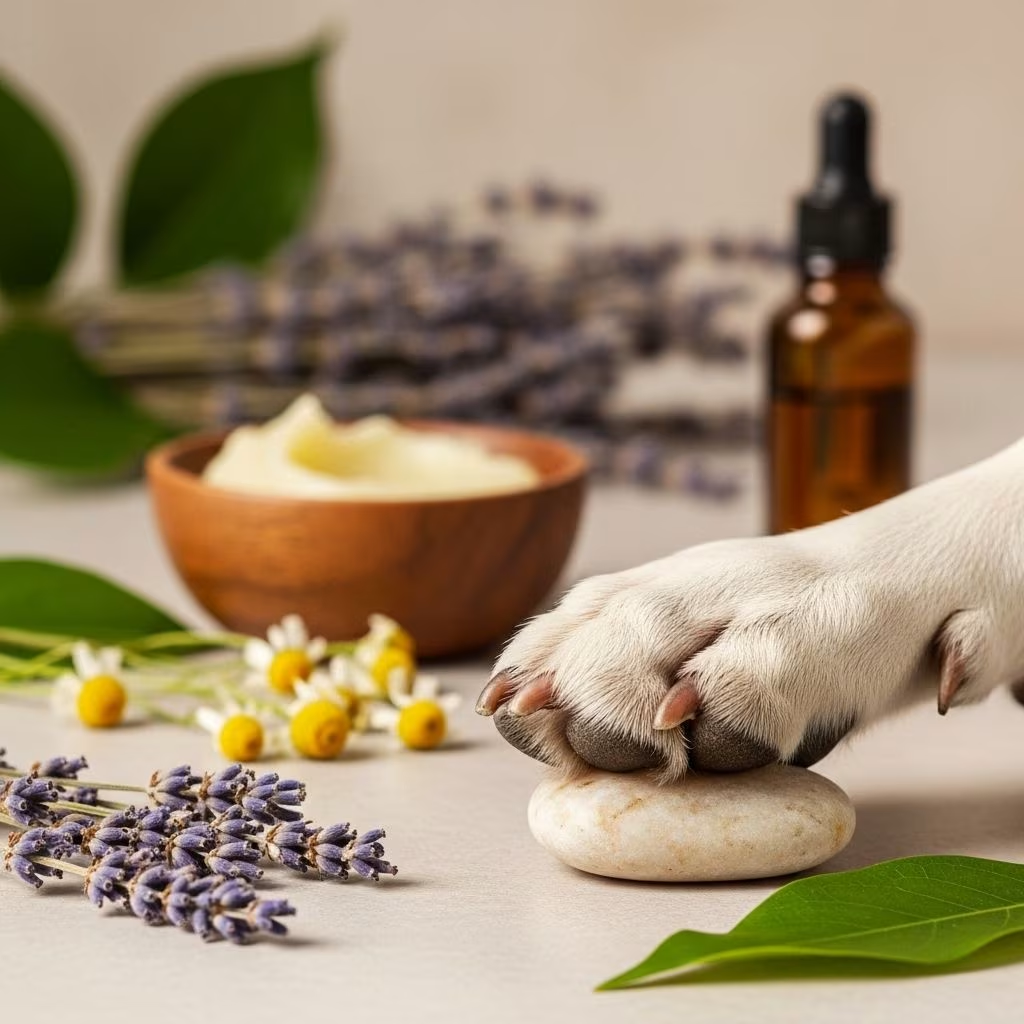
Your pet’s paws are among their most vulnerable body parts, constantly exposed to harsh surfaces, extreme temperatures, allergens, and environmental irritants. Whether your furry companion is dealing with cracked pads, inflammation, or seasonal allergies affecting their feet, natural remedies offer gentle yet effective solutions for maintaining optimal paw health. Understanding how to care for your pet’s paws using holistic approaches can prevent serious injuries while promoting long-term wellness without relying solely on synthetic medications.
Pet owners increasingly recognize that conventional treatments aren’t always necessary for minor paw issues. Natural ingredients like aloe vera, chamomile, and sea salt provide powerful healing properties that have been used for centuries to treat various ailments. These remedies work with your pet’s natural healing processes rather than masking symptoms, addressing the root causes of discomfort while supporting overall health and vitality.
Understanding Common Paw Problems in Pets
Before exploring natural remedies, it’s essential to recognize the various issues that can affect your pet’s paws. Dogs and cats experience a range of paw-related problems throughout their lives, from minor irritations to more serious conditions requiring attention. The paw pads, despite their tough appearance, contain sensitive tissue that can become damaged, inflamed, or infected when exposed to environmental stressors.
Common paw problems include dryness and cracking, which often result from walking on hot pavement during summer months or cold, icy surfaces in winter. Allergic reactions represent another frequent issue, with pets developing itchy, inflamed paws from contact with grass, pollen, cleaning chemicals, or food sensitivities. Cuts, abrasions, and puncture wounds can occur when pets step on sharp objects, while burns may develop from hot surfaces or exposure to harsh chemicals like road salt and de-icers.
Bacterial and fungal infections can take hold in damaged or persistently moist paw tissue, leading to swelling, odor, and discharge. Excessive licking often indicates underlying discomfort, creating a cycle where moisture from licking promotes further irritation and potential infection. Recognizing these issues early allows you to implement natural remedies promptly, preventing minor problems from escalating into conditions requiring veterinary intervention.
The Power of Aloe Vera for Paw Health
Aloe vera stands as one of nature’s most versatile healing plants, offering remarkable benefits for treating various paw conditions in pets. This succulent plant contains over 75 active compounds, including vitamins, minerals, enzymes, and amino acids that work synergistically to promote healing and reduce inflammation. The clear gel extracted from aloe leaves provides immediate soothing relief while supporting the body’s natural repair mechanisms.
The anti-inflammatory properties of aloe vera make it exceptionally effective for treating burns, cuts, insect bites, and general skin irritation on paw pads. Its antibacterial qualities help prevent infection in minor wounds, creating a protective barrier while allowing the tissue to heal naturally. The cooling sensation of aloe gel offers instant comfort to pets suffering from hot, irritated paws, reducing the urge to lick or chew at affected areas.
Beyond immediate relief, aloe vera provides deep hydration to dry, cracked paw pads. The plant’s natural humectant properties help retain moisture in the skin, preventing further drying and promoting elasticity. Vitamins A, C, and E found in aloe nourish the skin at a cellular level, supporting healthy tissue regeneration and improving overall pad condition. Regular application can transform rough, damaged paws into smooth, supple pads better equipped to handle daily activities.
When using aloe vera on your pet’s paws, always select pet-safe products or pure aloe gel without additives like alcohol or fragrances that could cause additional irritation. Apply a thin layer directly to cleaned paw pads, gently massaging it into the affected areas. For best results, apply aloe after walks or before bedtime when your pet is relaxed and less likely to immediately lick it off. You can also incorporate grooming wipes containing aloe vera into your regular paw care routine for maintenance and prevention.
Chamomile: Nature’s Calming Solution
Chamomile has earned its reputation as a gentle yet powerful herb for treating various pet ailments, particularly those affecting the paws. This flowering plant contains natural compounds with anti-inflammatory, antibacterial, and calming properties that benefit both topical and internal applications. For centuries, herbalists have relied on chamomile to soothe irritated skin, reduce swelling, and promote relaxation in animals and humans alike.
The anti-inflammatory effects of chamomile make it particularly valuable for addressing redness, swelling, and discomfort in irritated paw tissue. When applied topically, chamomile soothes inflamed skin, reduces itching, and promotes faster healing of minor wounds and abrasions. Its gentle nature makes it suitable for sensitive pets or those with existing skin conditions that might react poorly to harsher treatments.
Chamomile offers additional benefits beyond physical healing, particularly for anxious pets whose stress manifests in excessive paw licking or chewing. The herb’s natural calming properties help relax the nervous system, reducing stress-related behaviors that can worsen paw conditions. For pets who experience anxiety during car rides, thunderstorms, or veterinary visits, incorporating chamomile into their care routine can provide both physical and emotional relief.
To harness chamomile’s healing power for paw care, prepare a soothing foot soak by steeping chamomile tea bags in warm water. Allow the solution to cool to a comfortable temperature before soaking your pet’s paws for several minutes. This treatment cleanses the paws while delivering chamomile’s beneficial compounds directly to affected tissue. For localized issues, you can also apply cooled chamomile tea with a cotton ball or incorporate chamomile-based products into your grooming routine.
Salt-Chamomile Foot Soak: A Comprehensive Treatment
Combining salt and chamomile creates a powerful synergistic treatment that addresses multiple paw health concerns simultaneously. This natural remedy brings together salt’s antibacterial and healing properties with chamomile’s soothing and anti-inflammatory effects, providing comprehensive care for sore, irritated, or injured paws. The addition of aloe gel after soaking locks in moisture and extends the healing benefits, creating a complete treatment protocol.
Sea salt acts as a natural disinfectant, helping eliminate bacteria and other microorganisms that could cause or worsen infections in damaged paw tissue. Its mineral content supports rapid healing while drawing out impurities and reducing inflammation. When dissolved in warm water, salt creates an osmotic environment that cleanses wounds and promotes healthy tissue regeneration without harsh chemicals or synthetic ingredients.
To prepare this effective foot soak, gather one cup of high-quality sea salt, three to four cups of warm filtered water, four chamomile tea bags or equivalent dried chamomile, natural aloe gel, and a bowl large enough to accommodate your pet’s paw. Avoid using processed table salt, which contains additives that could irritate sensitive paw tissue. The quality of ingredients directly impacts treatment effectiveness, so invest in pure, natural products whenever possible.
Begin by placing the sea salt and chamomile tea bags in your bowl, then pour warm water over them. Allow the mixture to steep for approximately five minutes, giving the chamomile time to release its beneficial compounds into the solution. Test the temperature before introducing your pet’s paw, ensuring it’s comfortably warm but not hot. Gently place each affected paw into the solution, holding it submerged for several seconds before lifting it out. Repeat this dipping motion multiple times to thoroughly cleanse and treat the entire paw pad.
After soaking all affected paws, carefully dry each one with a clean, soft towel. Pat rather than rub to avoid causing additional irritation to sensitive tissue. Once paws are completely dry, apply a thin layer of pure aloe gel to seal in moisture and provide continued soothing relief. This final step is crucial for maximizing treatment benefits and protecting paws as they heal. Perform this treatment daily for active issues or weekly as a preventive maintenance routine.
CBD Balm for Localized Relief
Cannabidiol (CBD) products have gained recognition in pet care for their potential to address discomfort and inflammation naturally. CBD balms designed specifically for pets offer targeted relief when applied directly to affected paw areas, providing localized benefits without systemic effects. These topical applications contain naturally occurring CBD from hemp plants along with other soothing ingredients that work together to support paw health.
High-quality CBD pet balms should be formulated with pet-safe ingredients and appropriate CBD concentrations for topical use. Look for products specifically designed for animals, as these account for pets’ tendency to lick treated areas. The best formulations combine CBD with complementary ingredients like coconut oil, shea butter, and essential oils that enhance absorption and provide additional moisturizing benefits.
When applying CBD balm to your pet’s paws, start with a small amount and gently massage it into affected areas, focusing on dry, cracked, or irritated paw pads. The balm should absorb relatively quickly while leaving a protective layer on the skin’s surface. For best results, apply after cleaning paws and consider using dog boots or socks to prevent immediate licking and allow maximum absorption time.
Protective Measures: Dog Boots and Preventive Care
While natural remedies effectively treat existing paw problems, prevention remains the best approach to maintaining healthy paws year-round. Dog boots serve dual purposes, protecting paws from environmental hazards while securing topical treatments in place. These protective coverings prevent creams and balms from rubbing off during movement, extending contact time and enhancing treatment effectiveness.
Quality dog boots shield paw pads from extreme temperatures, rough terrain, sharp objects, and chemical irritants encountered during outdoor activities. In summer, boots protect against scorching pavement and hot sand that can burn sensitive paw tissue. During winter months, they prevent exposure to ice, snow, and harsh de-icing chemicals that cause cracking and irritation. For dogs with existing paw sensitivities or those recovering from injuries, boots provide essential protection during the healing process.
Selecting appropriate boots requires consideration of your pet’s size, activity level, and specific needs. Measure paws carefully to ensure proper fit—boots that are too tight restrict circulation while loose boots slip off or cause rubbing. Look for designs with secure closures, non-slip soles, and breathable materials that prevent moisture buildup. Introduce boots gradually, allowing your pet to adjust to wearing them through short sessions before extended use.
Colloidal Oatmeal Baths for Whole-Body Relief
Colloidal oatmeal represents another time-tested natural remedy particularly effective for pets experiencing widespread skin irritation that extends beyond their paws. This finely ground oatmeal suspended in water creates a milky solution that soothes itchy, inflamed skin while gently cleansing away allergens trapped in fur. The treatment benefits not just paws but also ears, skin, and overall coat health.
Oatmeal contains compounds called avenanthramides that possess anti-inflammatory and antioxidant properties. When properly prepared as colloidal oatmeal, these beneficial components remain suspended in water, creating a solution that coats and protects irritated skin. The treatment is entirely non-toxic to pets, eliminating concerns about adverse reactions if your animal licks treated areas during or after bathing.
Creating a colloidal oatmeal bath at home requires only plain, sugar-free oatmeal and water. Grind regular oatmeal into a fine powder using a blender or food processor—the finer the consistency, the better it will suspend in water. Mix this powder with warm water until you achieve a milky appearance, indicating proper colloidal suspension. Place your pet in a bathtub and pour the solution over their body, paying special attention to paws and other irritated areas. Gently massage the mixture into their coat and let it sit for up to ten minutes before rinsing thoroughly and towel drying.
Immunity Support Through Mushroom Supplements
Addressing paw health holistically sometimes requires supporting your pet’s immune system from within. Certain mushroom extracts have demonstrated potential for supporting healthy inflammatory responses in dogs, potentially reducing the frequency and severity of paw-related issues. Supplements containing reishi, turkey tail, shiitake, and other medicinal mushrooms may help regulate immune function and promote overall wellness.
These supplements typically combine multiple mushroom varieties with complementary ingredients like colostrum, which contains antibodies and growth factors that support immune health. By strengthening your pet’s natural defenses, these products may help prevent allergic reactions and reduce chronic inflammation that manifests in paw irritation. While not a direct topical treatment, immune support creates a foundation for better overall health, potentially reducing susceptibility to paw problems.
When considering mushroom supplements for your pet, consult with a holistic veterinarian to determine appropriate products and dosages. Quality matters significantly with these supplements—look for products specifically formulated for pets using certified organic mushroom extracts with verified potency. Introduce any new supplement gradually while monitoring your pet for changes in behavior, appetite, or symptoms.
Creating a Comprehensive Paw Care Routine
Effective paw care combines multiple natural remedies and preventive measures into a consistent routine tailored to your pet’s specific needs. Regular inspection forms the foundation of good paw health—examine your pet’s paws weekly, checking for cuts, cracks, foreign objects, abnormal odors, or signs of infection. Early detection allows you to address minor issues before they develop into serious problems requiring intensive treatment.
Daily paw cleaning removes dirt, allergens, and irritants accumulated during outdoor activities. After walks, wipe paws with natural grooming wipes containing soothing ingredients like aloe vera and chamomile. This simple practice prevents buildup of materials that could cause irritation while providing gentle moisturizing benefits. For pets with known sensitivities, consider cleaning paws immediately upon returning indoors to minimize allergen exposure.
Weekly deep treatments using foot soaks or specialized balms maintain optimal paw condition and prevent dryness or cracking. Schedule these sessions at consistent times, creating a routine your pet learns to expect and accept. Combine treatments strategically—for example, apply CBD balm after an oatmeal bath or follow a salt-chamomile soak with aloe gel application for maximum benefit.
Seasonal adjustments ensure your paw care routine addresses changing environmental challenges. Summer requires extra attention to preventing heat-related damage and providing cooling relief, while winter demands focus on protecting against cold, ice, and de-icing chemicals. Adjust treatment frequency and product selection based on weather conditions and your pet’s activity level, increasing intervention during harsh seasons when paws face greater stress.
When to Seek Professional Veterinary Care
While natural remedies effectively address many paw issues, certain situations require professional veterinary evaluation and treatment. Recognizing when home care is insufficient protects your pet from complications and ensures appropriate medical intervention when necessary. Deep cuts, puncture wounds, or lacerations that bleed significantly need immediate veterinary attention, as these injuries may require stitches, antibiotics, or other medical procedures.
Signs of infection including swelling, heat, discharge, foul odor, or red streaking radiating from the paw indicate bacterial involvement requiring antibiotics. Persistent limping, refusal to bear weight on a paw, or visible pain when the area is touched suggest potential fractures, sprains, or other injuries beyond the scope of natural remedies. Sudden severe allergic reactions with rapid swelling, difficulty breathing, or collapse constitute medical emergencies requiring immediate professional care.
Chronic issues that fail to improve with consistent natural treatment over 7-10 days warrant veterinary examination to rule out underlying conditions. Some paw problems stem from systemic diseases, autoimmune disorders, or chronic infections requiring diagnosis and targeted medical treatment. Working with a veterinarian who appreciates holistic approaches allows you to integrate natural remedies with conventional treatments when necessary, providing comprehensive care that addresses your pet’s complete health picture.
Frequently Asked Questions
Q: What can I put on my dog’s sore paw at home?
A: Apply a natural salt-chamomile foot soak followed by aloe vera gel to soothe and heal sore paws. This combination provides antibacterial protection, reduces inflammation, and promotes healing without harsh chemicals. You can also use pet-safe CBD balms or coconut oil for additional moisturizing and protective benefits.
Q: How do you treat dry, cracked paw pads naturally?
A: Regular application of aloe vera gel or natural paw balms containing ingredients like shea butter and coconut oil helps restore moisture to cracked pads. Perform weekly salt-chamomile foot soaks to cleanse and soften the tissue, then apply moisturizing products daily until condition improves. Prevent future cracking by using protective boots during extreme weather.
Q: Are colloidal oatmeal baths safe for all pets?
A: Yes, colloidal oatmeal is non-toxic and safe for dogs and cats when prepared from plain, sugar-free oatmeal without additives. The treatment soothes irritated skin throughout the body, including paws, while gently removing allergens from fur. Always rinse thoroughly after treatment and ensure your pet is completely dry to prevent moisture-related issues.
Q: How often should I soak my pet’s paws in salt-chamomile solution?
A: For active paw problems, perform daily soaks until symptoms improve significantly, typically within 5-7 days. Once healed, use weekly soaks as preventive maintenance to keep paws healthy and clean. Increase frequency during seasons when paws face additional environmental stress, such as hot summer months or icy winter conditions.
Q: Can I use human aloe vera gel on my pet’s paws?
A: Only use pure, 100% natural aloe vera gel without additives like alcohol, fragrances, or lidocaine, which can harm pets if ingested. Products specifically formulated for pets are safest, as manufacturers account for animals’ tendency to lick treated areas. Fresh aloe gel directly from the plant works well if you remove the outer skin completely.
Q: What are signs my pet’s paw problem requires veterinary care?
A: Seek veterinary attention for deep cuts with significant bleeding, signs of infection like discharge or foul odor, persistent limping or inability to bear weight, sudden severe swelling, or problems that don’t improve with home treatment within 7-10 days. These symptoms may indicate serious conditions requiring professional diagnosis and medical treatment.
References
- https://www.petmd.com/dog/general-health/home-remedies-for-dogs
- https://www.petnaturalremedy.com
- https://www.okvets.com/post/remedies-for-itchy-pet-paws
- https://hiccpet.com/blogs/dogs/how-to-heal-your-pet-naturally
- https://www.prismvethealth.com/blog/paw-some-natural-remedies-herbal-supplements-for-pets
- https://lolahemp.com/blogs/dog-health/dog-paw-allergy-home-remedies
- https://thenaturaldogstore.com/blogs/health/home-remedies-for-sore-dog-paws
- https://healthypawsherbals.com


