


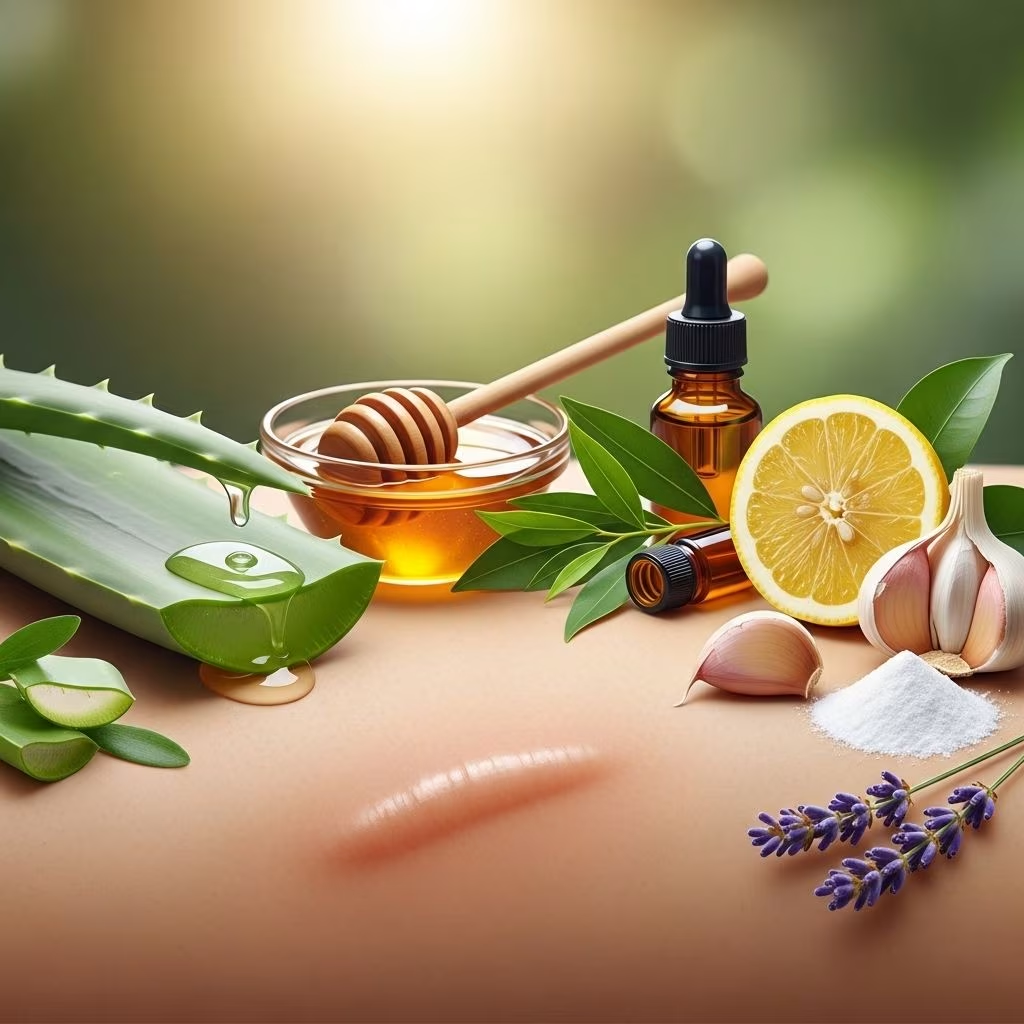
Natural Remedies for Keloids: A Comprehensive Guide
Keloids are raised, thick scars that can develop after skin injuries or surgeries. While not harmful, they can be unsightly and challenging to treat. Fortunately, several natural remedies may help reduce their appearance or prevent their formation. In this article, we will explore some of the most promising home remedies for keloids.
Understanding Keloids
Keloids are characterized by an overgrowth of scar tissue, often larger than the original wound. They can become itchy, painful, and may even limit movement if they occur over joints. Unlike hypertrophic scars, keloids extend beyond the original wound area and can be difficult to treat.
Home Remedies for Keloids
1. Aloe Vera Gel
Aloe vera gel is known for its antiseptic, antibacterial, and wound-healing properties. It can help reduce inflammation and promote healing, making it a popular choice for treating keloids.
– Ingredients: Aloe vera leaf
– Instructions:
– Extract the gel from the aloe leaf.
– Clean the affected area with lukewarm water.
– Apply the aloe vera gel and leave it on for about 30 minutes before rinsing.
– Repeat this process 2 times a day.
2. Baking Soda
Baking soda acts as an abrasive that can help exfoliate and clean the skin, reducing swelling when combined with hydrogen peroxide.
– Ingredients:
– 1 teaspoon of baking soda
– 3 teaspoons of 3% hydrogen peroxide
– Cotton ball
– Instructions:
– Mix baking soda and hydrogen peroxide to form a paste.
– Apply the paste to the affected area using a cotton ball and leave it on for 20 minutes.
– Rinse with water and repeat twice daily.
3. Garlic
Garlic has been shown to speed up wound healing and may reduce the formation of keloids by blocking certain enzymes involved in scar tissue growth.
– Ingredients: 2-3 garlic cloves
– Instructions:
– Crush the garlic cloves and apply them directly to the keloid area.
– Leave it on for about 15 minutes before washing off with lukewarm water.
– Repeat this process daily, ideally twice a day.
4. Sandalwood and Rose Water
Sandalwood is known for its skin regenerating properties, while rose water has anti-inflammatory effects. Although there is no direct scientific evidence supporting their use for keloids, they may help manage skin health.
– Ingredients:
– 1-2 teaspoons of sandalwood powder
– Rose water
– Instructions:
– Mix sandalwood powder with rose water to form a paste.
– Apply it to the affected area before bedtime.
– Leave it on overnight and wash off with warm water in the morning.
5. Grapefruit Seed Extract
Grapefruit seed extract contains antioxidants and vitamins that may aid in skin repair, although more research is needed to confirm its efficacy for keloids.
– Ingredients:
– 1 teaspoon of water
– 2-3 drops of grapefruit seed extract
– Q-tip
– Instructions:
– Dilute grapefruit seed extract in water.
– Apply the mixture to the keloid area using a Q-tip and leave it on as long as possible.
– Repeat twice daily.
6. Honey
Honey is renowned for its healing properties, including anti-inflammatory compounds that may help reduce keloid formation. Tualang honey, in particular, has been noted for its effectiveness.
– Ingredients: Raw honey
– Instructions:
– Apply honey directly to the keloid area.
– Massage gently and leave it on for 30-40 minutes.
– Rinse with water and apply twice daily.
7. Petroleum Jelly
Petroleum jelly helps keep the skin moisturized, potentially aiding in scar reduction by hydrating the area. However, there is limited scientific evidence supporting its effectiveness specifically for keloids.
– Ingredients: Petroleum jelly
– Instructions:
– Clean the keloid area and massage it with petroleum jelly.
– Reapply petroleum jelly 3-4 times a day.
Frequently Asked Questions (FAQs)
Q: Are keloids painful?
A: Keloids can be itchy, painful, and may even restrict movement if they form over joints.
Q: What causes keloids?
A: Keloids are caused by the overgrowth of scar tissue after skin injuries or surgeries, often genetic in nature.
Q: Are there any proven home remedies for keloids?
A: While there are several home remedies for keloids, such as aloe vera, garlic, and honey, most lack scientific evidence to prove their effectiveness. It is advisable to consult a dermatologist before using any remedy.
Conclusion
Keloids can be challenging to treat, but natural remedies may offer some relief or prevention. Before starting any new treatments, especially if you have sensitive skin, it is wise to consult with a healthcare professional. By combining these home remedies with medical advice, you may find effective ways to manage and reduce the appearance of keloids.
References
- https://www.stylecraze.com/articles/effective-home-remedies-to-treat-keloids/
- https://www.healthline.com/health/how-to-get-rid-of-keloids
- https://www.goodrx.com/health-topic/dermatology/what-are-keloids
- https://www.stylecraze.com/articles/keloid-on-navel-belly-piercing/
- https://www.tandfonline.com/doi/full/10.1080/09546634.2025.2451394
- https://www.youtube.com/stylecraze
- https://www.medicalnewstoday.com/articles/319900


