


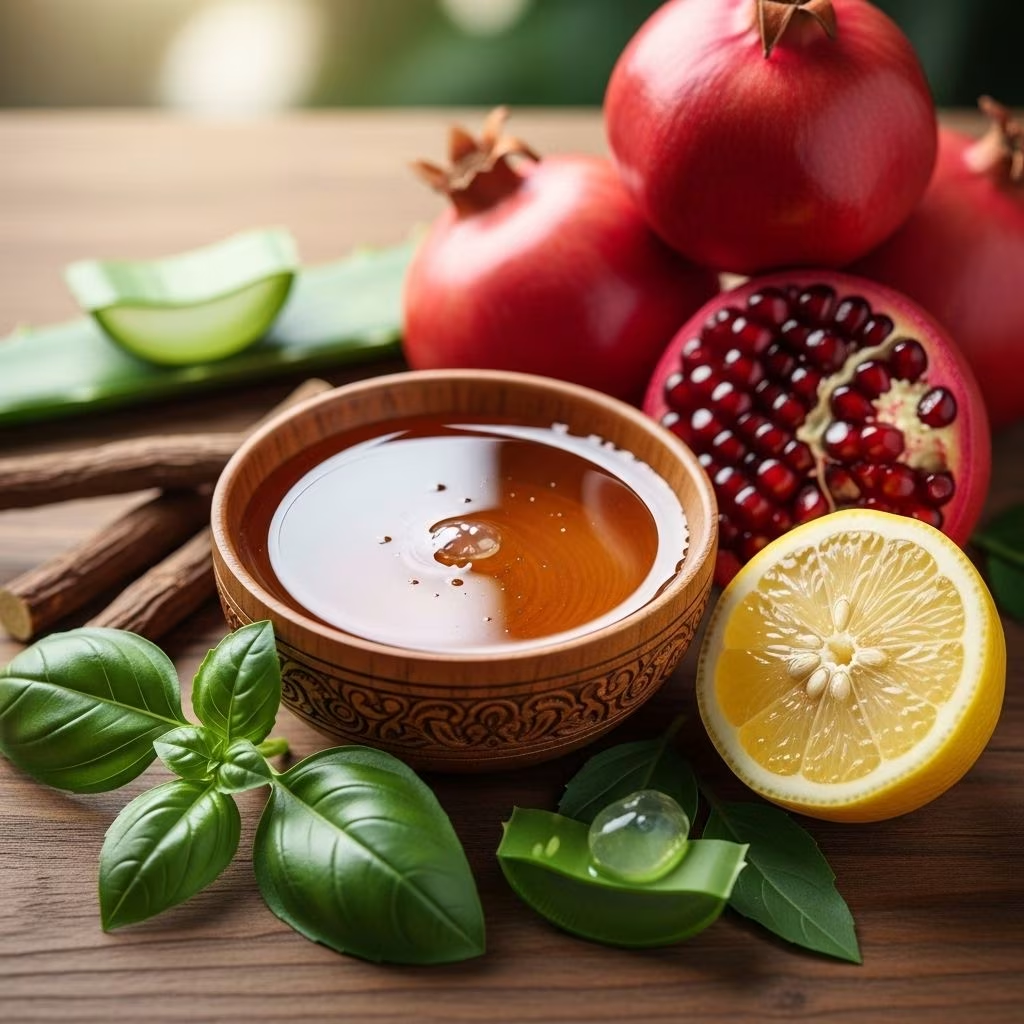
Mouth ulcers, also known as canker sores or aphthous ulcers, are painful open wounds that develop inside the mouth, causing discomfort while eating, drinking, and speaking. These small, round lesions can appear on the tongue, inner cheeks, lips, or gums, making everyday activities challenging. While mouth ulcers typically heal on their own within one to two weeks, the pain and irritation can be quite bothersome. Fortunately, numerous natural remedies can accelerate healing and provide significant relief without requiring prescription medications.
Understanding effective natural treatments for mouth ulcers empowers you to manage these uncomfortable sores from the comfort of your home. This comprehensive guide explores proven home remedies, dietary modifications, preventive measures, and lifestyle adjustments that can help you find fast relief and reduce the frequency of recurring ulcers.
Understanding Mouth Ulcers and Their Causes
Before exploring treatment options, it’s essential to understand what causes mouth ulcers. These painful sores can develop due to various factors, including minor injuries from dental work, aggressive brushing, accidental cheek biting, or sharp-edged foods. Nutritional deficiencies, particularly vitamin B12, iron, and folic acid, can also contribute to ulcer formation. Stress, hormonal changes, certain medications, and underlying health conditions may trigger recurrent mouth ulcers in some individuals.
Food sensitivities play a significant role in mouth ulcer development. Acidic foods like citrus fruits, tomatoes, and pineapples can irritate the delicate mouth tissues and trigger ulcers in susceptible individuals. Spicy foods, chocolate, coffee, and nuts may also cause problems for some people. Identifying and avoiding your personal trigger foods can significantly reduce ulcer occurrence and severity.
Effective Natural Remedies for Mouth Ulcers
Saltwater Rinse for Disinfection
A saltwater rinse stands as one of the oldest and most effective natural treatments for mouth ulcers. This simple remedy works by creating an alkaline environment that inhibits bacterial growth and helps draw out infection from the sore. The salt also acts as a natural disinfectant, cleaning the wound and promoting faster healing. To prepare this remedy, dissolve one teaspoon of salt in a cup of warm water and swish it around your mouth for 15-30 seconds before spitting it out. While this treatment may cause temporary stinging, the discomfort quickly subsides, and regular use can significantly speed up the healing process. Perform this rinse three to four times daily, especially after meals and before bedtime, for optimal results.
Honey Application for Healing
Honey possesses remarkable antibacterial, anti-inflammatory, and wound-healing properties that make it an excellent natural remedy for mouth ulcers. The thick consistency of honey creates a protective barrier over the ulcer, shielding it from further irritation while its antimicrobial compounds work to prevent infection. Apply raw, organic honey directly to the ulcer three to four times daily using a clean finger or cotton swab. The natural sugars in honey also help draw moisture away from the wound, creating an environment that discourages bacterial growth. Many people experience significant pain relief within hours of application, and consistent use can reduce healing time substantially.
Coconut Oil for Antimicrobial Protection
Coconut oil contains lauric acid and other medium-chain fatty acids that exhibit powerful antimicrobial and anti-inflammatory properties. When applied to mouth ulcers, coconut oil helps reduce pain, inflammation, and bacterial colonization while keeping the sore moisturized for optimal healing. Dab a small amount of organic, virgin coconut oil directly onto the ulcer several times throughout the day. The oil’s pleasant taste and soothing texture make it an easily tolerable treatment option. For enhanced effectiveness, perform oil pulling by swishing a tablespoon of coconut oil in your mouth for 10-15 minutes before spitting it out, which helps cleanse the entire oral cavity and promote overall mouth health.
Baking Soda Paste for pH Balance
Baking soda, or sodium bicarbonate, helps neutralize acids in the mouth that can irritate ulcers and delay healing. Creating a paste by mixing baking soda with a small amount of water provides a topical treatment that reduces inflammation and creates an alkaline environment conducive to healing. Apply the paste directly to the sore and leave it on for a few minutes before rinsing with water. You can also use baking soda as a mouth rinse by dissolving half a teaspoon in half a cup of warm water and swishing it around your mouth twice daily. This remedy proves particularly effective for ulcers caused by acidic foods or beverages.
Aloe Vera Gel for Soothing Relief
Aloe vera gel offers exceptional soothing and healing properties that provide immediate relief from mouth ulcer pain. The gel contains polysaccharides and glycoproteins that accelerate wound healing while reducing inflammation and discomfort. Apply pure aloe vera gel directly to the affected area three to four times daily using a clean cotton swab or your finger. Ensure you use food-grade aloe vera gel specifically designed for oral use, as topical skin products may contain additives unsuitable for consumption. The cooling sensation of aloe vera provides instant comfort, making it an ideal remedy for particularly painful ulcers.
Herbal Remedies and Natural Supplements
Chamomile Tea Compress
Chamomile possesses natural anti-inflammatory and antiseptic properties that can significantly reduce mouth ulcer pain and accelerate healing. The compounds azulene and levomenol found in German chamomile work together to soothe irritated tissues and prevent infection. Prepare a strong chamomile tea by steeping two tea bags in hot water for several minutes, then allow the tea to cool slightly. Apply a wet chamomile tea bag directly to the ulcer for five to ten minutes, or use the cooled tea as a mouth rinse three to four times daily. The gentle nature of chamomile makes this remedy suitable for individuals with sensitive mouths.
Licorice Root for Anti-Inflammation
Deglycyrrhizinated licorice (DGL) demonstrates remarkable anti-inflammatory abilities that help reduce mouth ulcer pain and promote healing. This herbal extract works by stimulating the production of protective mucus in the mouth, creating a natural barrier over the ulcer. Mix the powder from one DGL capsule (200 milligrams) with one cup of warm water and swish the solution around your mouth for about three minutes before spitting it out. DGL patches are also available, which you can apply directly to the sore and leave in place for at least 30 minutes. Regular use of DGL mouthwash can significantly reduce both pain levels and healing time.
Echinacea for Immune Support
Echinacea’s wound-healing and immune-boosting properties make it valuable for treating mouth ulcers and preventing their recurrence. This herb helps strengthen your body’s natural defenses, enabling it to fight off the underlying causes of ulcer formation more effectively. Add about one teaspoon of liquid echinacea to equal parts warm water and swish the solution around your mouth for approximately two minutes before spitting it out or swallowing. Alternatively, drink echinacea tea regularly to support overall immune function. Use this treatment up to three times daily for best results.
Sage Mouthwash for Oral Health
Sage has been traditionally used to remedy mouth inflammation due to its antibacterial, anti-inflammatory, antiseptic, and astringent properties. These combined effects make sage an excellent natural treatment for mouth ulcers and general oral health maintenance. You can purchase commercial sage mouthwash from most pharmacies or create your own by adding boiling water to one to two teaspoons of fresh sage leaves, steeping for at least five minutes, straining, and allowing the solution to cool. Swish the rinse around your mouth for a couple of minutes two to three times daily. Sage mouthwash not only helps heal existing ulcers but also helps prevent new ones from forming.
Dietary Modifications for Faster Healing
Foods to Embrace
Nutrition plays a crucial role in mouth ulcer healing and prevention. Consuming vitamin-rich foods, particularly those high in vitamin B12, iron, folic acid, and vitamin C, supports tissue repair and strengthens immune function. Focus on eating soft, bland foods that won’t irritate existing ulcers, such as bananas, oatmeal, yogurt with live cultures, boiled vegetables, scrambled eggs, and smooth soups. Plain yogurt deserves special mention as it helps balance the bacteria in your mouth and digestive system, which can be particularly beneficial if your ulcers stem from bacterial imbalances. Incorporate leafy green vegetables, whole grains, lean proteins, and foods rich in zinc to provide your body with the nutrients needed for optimal healing.
Foods to Avoid
Certain foods can significantly worsen mouth ulcer pain and delay healing, making dietary avoidance strategies essential during outbreaks. Eliminate citrus fruits, tomatoes, pineapples, and other acidic foods from your diet until the ulcer heals completely, as these can cause burning pain and tissue irritation. Avoid spicy foods, hot peppers, and heavily seasoned dishes that can aggravate sensitive areas. Stay away from sharp-edged foods like potato chips, crackers, nuts, and crusty bread that can mechanically injure the ulcer or surrounding tissues. Coffee, chocolate, and other foods that you’ve personally identified as triggers should also be eliminated. Maintaining adequate hydration by drinking plenty of water and herbal teas helps keep your mouth clean and supports the natural healing process.
Additional Home Remedies Worth Trying
Ice Chips for Pain Relief
While not a cure, sucking on ice chips provides temporary but significant pain relief by numbing the affected area and reducing swelling. This simple remedy proves particularly helpful when mouth ulcers make eating difficult or cause severe discomfort. Allow small ice chips to dissolve slowly in your mouth, directing them toward the ulcer site. The cold temperature constricts blood vessels, decreasing inflammation and providing immediate comfort. Use this method as needed throughout the day, especially before meals to make eating more tolerable.
Clove Oil for Numbing Effect
Clove oil contains eugenol, a natural anesthetic and antiseptic compound that can effectively numb mouth ulcer pain while preventing infection. Dilute a few drops of clove oil with a carrier oil like olive or coconut oil, then apply the mixture directly to the ulcer using a cotton swab. The numbing effect occurs within minutes and can last for several hours. However, use clove oil sparingly as it can cause irritation if applied too frequently or in excessive amounts.
Apple Cider Vinegar Rinse
Apple cider vinegar (ACV) contains antibacterial properties that may help reduce bacteria in the mouth that irritate canker sores. However, this remedy requires caution as the acidity can worsen ulcers in some individuals. If you choose to try ACV, combine one teaspoon with one cup of water, swish the mixture around your mouth for 30 seconds to one minute, spit it out, and rinse your mouth thoroughly with plain water. Always dilute ACV properly and rinse afterward to prevent damage to tooth enamel. Discontinue use immediately if you experience increased pain or irritation.
Preventing Mouth Ulcers
Maintaining Optimal Oral Hygiene
Excellent oral hygiene practices form the foundation of mouth ulcer prevention. Brush your teeth gently twice daily using a soft-bristled toothbrush and fluoride toothpaste, taking care not to scrub too aggressively or allow the brush to slip and injure delicate mouth tissues. Choose alcohol-free mouthwash to avoid irritating sensitive areas. Floss carefully to remove food debris and bacteria without causing trauma to the gums. Regular dental check-ups and professional cleanings help identify and address potential problems before they lead to ulcer formation. Replace your toothbrush every three months or sooner if the bristles become frayed.
Lifestyle Adjustments
Several lifestyle factors influence mouth ulcer occurrence and can be modified to reduce frequency and severity. Manage stress through relaxation techniques, regular exercise, adequate sleep, and mindfulness practices, as stress significantly contributes to ulcer development. Stay well-hydrated throughout the day to maintain healthy saliva production, which naturally cleanses the mouth and protects tissues. Identify and address nutritional deficiencies through dietary improvements or supplements as recommended by healthcare professionals. Avoid smoking and excessive alcohol consumption, both of which can irritate mouth tissues and impair healing. Be mindful when eating, chewing slowly and carefully to prevent accidental biting of the cheeks or tongue.
When to Seek Professional Help
While most mouth ulcers heal naturally within one to two weeks, certain situations warrant professional medical or dental evaluation. Consult a healthcare provider if ulcers persist beyond three weeks, grow unusually large (larger than half an inch), multiply extensively, recur frequently, cause severe pain that doesn’t respond to home remedies, or are accompanied by fever, difficulty swallowing, or other concerning symptoms. Persistent or recurring mouth ulcers may indicate underlying health conditions such as vitamin deficiencies, inflammatory bowel disease, celiac disease, or immune system disorders that require proper diagnosis and treatment.
Combining Remedies for Maximum Effectiveness
The most effective approach to treating mouth ulcers often involves combining multiple natural remedies rather than relying on a single treatment. For example, you might use a saltwater rinse after meals to cleanse the area, apply honey before bedtime for overnight healing, and take vitamin supplements to address nutritional deficiencies. This multi-pronged strategy addresses different aspects of ulcer healing simultaneously, potentially reducing recovery time and providing more comprehensive relief. However, introduce new remedies gradually to identify any that may cause adverse reactions, and avoid mixing treatments that could interact negatively.
Frequently Asked Questions
Q: How long do mouth ulcers typically take to heal?
A: Most mouth ulcers heal naturally within 7-14 days without treatment. Using natural remedies can reduce this time to 5-10 days in many cases. If an ulcer persists beyond three weeks, consult a healthcare professional for evaluation.
Q: Can I use multiple natural remedies together?
A: Yes, combining remedies often produces better results than using a single treatment. For example, you can rinse with saltwater after meals, apply honey before bed, and use coconut oil throughout the day. However, introduce remedies gradually to ensure you don’t have adverse reactions.
Q: Are mouth ulcers contagious?
A: No, mouth ulcers (canker sores) are not contagious and cannot be spread through kissing, sharing utensils, or close contact. However, cold sores caused by the herpes simplex virus are contagious and should not be confused with mouth ulcers.
Q: What vitamin deficiencies cause mouth ulcers?
A: Deficiencies in vitamin B12, iron, folic acid, and zinc are commonly associated with recurring mouth ulcers. Ensuring adequate intake of these nutrients through diet or supplements can help prevent ulcer formation and support faster healing.
Q: Can stress cause mouth ulcers?
A: Yes, stress is a significant trigger for mouth ulcers in many people. Managing stress through relaxation techniques, adequate sleep, regular exercise, and mindfulness practices can reduce the frequency and severity of stress-related ulcers.
Q: Is it safe to use honey on mouth ulcers in children?
A: Honey is generally safe for treating mouth ulcers in children over one year old. However, never give honey to infants under 12 months due to the risk of botulism. For young children, consult a pediatrician before using any home remedies.
Q: Why do my mouth ulcers keep coming back?
A: Recurring mouth ulcers may result from genetic factors, nutritional deficiencies, food sensitivities, stress, hormonal changes, or underlying health conditions. Identifying and addressing your specific triggers through dietary modifications, stress management, and proper nutrition can help reduce recurrence.
Q: Can certain toothpastes cause mouth ulcers?
A: Yes, toothpastes containing sodium lauryl sulfate (SLS) can trigger mouth ulcers in some people. Switching to an SLS-free toothpaste may help reduce ulcer occurrence if you’re sensitive to this ingredient.
References
- https://www.wcaestheticdentistry.com/natural-cure-for-mouth-ulcers-fast-at-home/
- https://www.healthline.com/health/dental-and-oral-health/how-to-get-rid-of-canker-sores
- https://omaha.mypediatricdentalspecialists.com/relief-mouth-sores-remedies/
- https://my.clevelandclinic.org/health/diseases/21766-mouth-ulcer
- https://www.columbiadoctors.org/health-library/article/cancer-home-treatment-mouth-sores/
- https://www.mayoclinic.org/diseases-conditions/canker-sore/diagnosis-treatment/drc-20370620
- https://www.colgate.com/en-gb/oral-health/gastrointestinal-disorders/ways-to-get-rid-of-mouth-ulcers-naturally
- https://www.youtube.com/watch?v=HkeCmhKLQx4
- https://www.nhs.uk/conditions/mouth-ulcers/


