


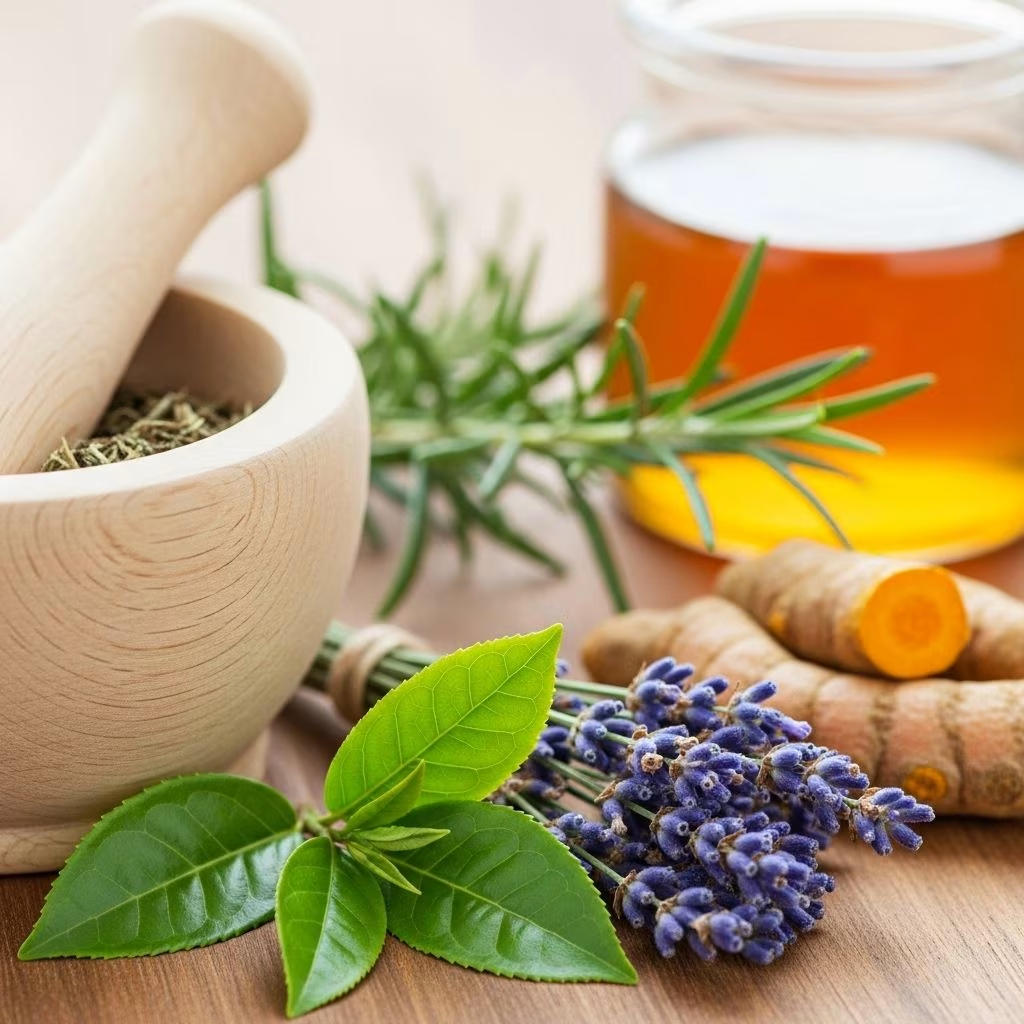
Myasthenia gravis (MG) is a challenging autoimmune disorder that affects neuromuscular transmission, causing muscle weakness and fatigue. Many individuals living with this condition explore natural remedies and complementary approaches alongside conventional treatments. Understanding which alternatives have scientific support and which lack evidence is crucial for making informed decisions about MG management.
Understanding Natural Remedies and Alternative Medicine
Natural remedies, also known as complementary or alternative medicine, encompass non-prescription approaches that people frequently turn to when managing chronic conditions. For those with myasthenia gravis, the appeal of natural treatments stems from the desire to reduce medication side effects, enhance overall well-being, and take a more holistic approach to health management.
The landscape of alternative medicine is diverse, ranging from nutritional supplements and herbal preparations to mind-body practices and traditional healing systems. However, it’s essential to approach these options with both an open mind and a critical eye, especially when dealing with a serious autoimmune condition like MG.
Commonly Searched Natural Remedies for Myasthenia Gravis
People with MG frequently search for information about various natural treatments. Understanding what’s being explored helps patients and caregivers navigate the complex world of alternative therapies. Some of the most commonly researched options include:
Magnesium is often discussed in MG communities, though its role remains controversial. While magnesium is essential for nerve and muscle function, some evidence suggests it may actually worsen MG symptoms in certain individuals, making professional guidance critical before supplementation.
CBD oil has gained popularity for various neurological conditions, and MG patients often wonder about its potential benefits. However, scientific research specifically examining CBD’s effectiveness for myasthenia gravis remains limited.
Acupuncture represents an ancient healing practice that some MG patients explore for symptom management. This traditional Chinese medicine technique involves inserting thin needles at specific body points to promote healing and balance.
Chinese herbal medicine has been used for centuries in traditional healing systems. Several studies have examined various Chinese herbal formulations for MG, with some showing promising results when used as adjuvant therapy alongside conventional treatments.
Elderberry is known for its immune-supporting properties, though its specific application to MG requires careful consideration given the autoimmune nature of the condition.
Frankincense possesses anti-inflammatory properties that have sparked interest in its potential for autoimmune conditions, though specific research for MG remains limited.
Homeopathic remedies offer an individualized approach to treatment, with specific preparations like Alumina, Gelsemium, and Conium being discussed for MG management.
Ayurvedic treatment represents another traditional healing system that some patients explore, though scientific validation for MG specifically is scarce.
The Evidence Gap: What Science Says
Despite widespread interest in natural remedies for myasthenia gravis, a significant gap exists between popularity and proven effectiveness. Current scientific evidence does not support using complementary therapies as primary treatments for MG. This doesn’t mean all natural approaches lack value, but rather that rigorous research specifically examining their effects on myasthenia gravis is largely absent.
The challenge lies in the nature of MG itself—an autoimmune condition where the body’s immune system mistakenly attacks receptors at the neuromuscular junction. Effective treatment requires precise immune modulation, which most natural remedies cannot reliably provide. While certain nutritional supplements and alternative therapies have demonstrated benefits for other diseases, translating these findings to MG requires specific, dedicated research.
Chinese Herbal Medicine: A Closer Look
Among alternative approaches, Chinese herbal medicine (CHM) has received the most research attention for myasthenia gravis. Systematic reviews and meta-analyses have examined CHM’s potential as an adjuvant therapy—meaning it’s used alongside conventional Western medicine rather than as a replacement.
Research findings suggest that when Chinese herbal formulations are combined with standard MG treatments, patients may experience improved effectiveness compared to conventional medicine alone. The benefits observed in clinical trials include reduced adverse effects and lower relapse rates. The proposed mechanisms involve immunoregulation, particularly through reconstituting the functional ability of regulatory T cells (Tregs), which play a crucial role in maintaining immune system balance.
However, researchers emphasize important limitations. Methodological flaws in existing studies and significant heterogeneity among different herbal formulations make it difficult to draw definitive conclusions. The quality of evidence, while encouraging, remains insufficient to recommend CHM as a standard treatment approach without further rigorous research.
Integrative Interventions: Supplements with Potential
Several nutritional supplements have shown promise for supporting MG management, though they should never replace prescribed medications. Understanding which supplements have scientific backing helps patients make informed choices.
Vitamin D has emerged as a supplement of particular interest. A pilot study demonstrated that vitamin D supplementation may have beneficial effects on autoimmune response and could help alleviate fatigue associated with myasthenia gravis. Given that many people have insufficient vitamin D levels, testing and appropriate supplementation may offer meaningful benefits.
Astragalus, a traditional Chinese herb, has shown remarkable potential in research studies. Some evidence suggests it may be as effective as prednisone for reducing MG symptoms, though more research is needed to confirm these findings and establish optimal dosing protocols.
Creatine supplementation has been examined across various muscle diseases. An analysis of six randomized controlled trials reported that patients supplementing with creatine experienced significant improvements in muscle strength compared to placebo-treated patients. This makes creatine a potentially valuable addition for managing muscle weakness in MG.
White peony extract possesses immune-modulating properties that may address the underlying pathology of myasthenia gravis. This herb has been used in traditional medicine for immune system balance and shows promise for autoimmune conditions.
Fish oil, rich in omega-3 fatty acids, offers anti-inflammatory and immune-modulating properties. These characteristics make it theoretically beneficial for MG, though specific research on fish oil supplementation in myasthenia gravis patients remains limited.
Nutritional Support and Dietary Considerations
Proper nutrition plays a fundamental role in managing myasthenia gravis. Certain nutrients support neuromuscular function and may help reduce symptom severity.
Choline and Lecithin are particularly important for MG patients. Choline deficiency can exacerbate several MG symptoms. Lecithin, found abundantly in soy and soybean sprouts, serves as an excellent choline source and can be incorporated into the diet or taken as a supplement.
Vitamin C with Bioflavonoids supports immune system function and increases overall resistance. The combination of vitamin C and plant-based bioflavonoids may help maintain immune system balance, which is crucial for autoimmune conditions.
Manganese serves dual purposes for MG patients. This mineral facilitates choline assimilation into the body and is essential for muscular contraction. Without adequate manganese, muscular coordination and strength can deteriorate, making supplementation potentially valuable.
Fatty Acids from sources like pumpkin seeds, sunflower seeds, almonds, walnuts, and various other nuts and seeds provide essential nutrition. Healthy oils including coconut oil, hemp oil, and olive oil support immune system health and efficiency.
Herbal Approaches and Traditional Remedies
Various herbs have been traditionally used to support nervous system health and muscle function. While scientific validation specifically for MG is limited, some patients find these approaches helpful as part of a comprehensive management strategy.
St. John’s Wort is known for its calming and soothing effects on the nervous system. Traditional use involves taking one tablespoon of herbal juice or a cup of herbal tea three times daily, particularly before bedtime. However, this herb can interact with many medications, making medical consultation essential before use.
Other herbs mentioned in traditional healing systems for supporting neuromuscular health include black cohosh, gotu kola, hops, lady’s slipper, licorice, red clover, skullcap, valerian, yarrow, yellow dock, and yucca. These can be prepared as fresh herbal juice, tinctures diluted in water, or herbal teas.
Homeopathic Approaches to Myasthenia Gravis
Homeopathy offers an individualized treatment philosophy that addresses the entire person rather than just symptoms. This approach requires thorough examination of the patient’s medical history, physical and mental disposition, and various other individual factors.
Specific homeopathic remedies mentioned for MG include Alumina, Gelsemium, and Conium as primary considerations. Additional remedies that may be indicated based on individual presentation include Cadmium, Carbo-animalis, Cocculus, Graphites, Guarea, Niccolum, Sepia, Psorinum, and Zincum.
The selection of appropriate homeopathic remedies requires professional expertise and should never replace conventional MG treatment. Any homeopathic approach should be discussed with healthcare providers familiar with both homeopathy and myasthenia gravis.
Dietary and Lifestyle Modifications
Beyond supplements and herbs, practical dietary and lifestyle changes can significantly impact MG symptom management and overall quality of life.
Meal Timing and Frequency requires special attention for MG patients. Since muscle fatigue can make eating difficult, doctors recommend consuming meals during periods of greater strength. Eating five to six small meals throughout the day, rather than three large ones, can make nutrition more manageable and reduce the physical demands of eating.
Exercise Considerations present a delicate balance. Several studies suggest that appropriate exercise may improve muscle fatigue and weakness in patients with neuromuscular diseases, including myasthenia gravis. However, overexertion can exacerbate symptoms, making it critical to find the right balance. Regular, moderate exercise under professional guidance can be beneficial, but pushing too hard can trigger symptom flares.
Foods to Include in an MG-friendly diet encompass high-fiber options to prevent constipation, which can be problematic for those with reduced mobility. Foods like millet, buckwheat, and rye offer nutritional benefits. A broth prepared with red potato peels has been traditionally recommended. Adequate hydration through drinking plenty of clean water supports circulation and helps prevent constipation.
Foods to Avoid may include items that some practitioners believe exacerbate inflammatory conditions. Traditional recommendations suggest limiting white potatoes, white flour, eggplants, tomatoes, green and red peppers, fried foods, dairy products, cheese, animal fats, and meat. Tobacco use should be eliminated or minimized, as it can negatively impact neuromuscular function.
Environmental and Stress Management
Managing environmental factors and stress levels plays a crucial role in MG symptom control. Patients should avoid intense heat, as elevated body temperature can worsen muscle weakness—a phenomenon known as heat sensitivity in MG. Maintaining a clean, hygienic home environment reduces infection risk, which is particularly important for those on immunosuppressive medications.
Stress management deserves special attention, as emotional and physical stress can trigger symptom exacerbations. Techniques such as meditation, gentle yoga, deep breathing exercises, and adequate rest can help maintain stability. Some patients find that periodic fasting or following vegetable and fruit juice diets provides benefits, though any significant dietary changes should be discussed with healthcare providers.
Novel and Emerging Treatment Strategies
While not strictly “natural” remedies, several emerging treatments bridge conventional and integrative medicine. Rituximab, originally used for rheumatoid arthritis, has shown effectiveness for MG in clinical trials. Eculizumab, which inhibits the complement system, demonstrated superior symptom reduction compared to placebo in phase II studies.
Granulocyte macrophage colony-stimulating factor (GM-CSF) represents another promising avenue, as it can enhance regulatory T cell activity—potentially addressing the immune dysregulation underlying MG. These treatments, while pharmaceutical rather than natural, reflect the evolving understanding of immune modulation in autoimmune diseases.
Important Safety Considerations
When exploring natural remedies for myasthenia gravis, safety must remain the top priority. Many “natural” substances can interact with prescription medications, potentially reducing their effectiveness or causing adverse reactions. Some supplements may theoretically worsen MG symptoms by affecting neuromuscular transmission.
Always consult with healthcare providers before starting any natural remedy or supplement. This is particularly important for MG patients, as the condition’s complexity and the potential for sudden worsening (myasthenic crisis) require careful monitoring. What works for general health or other conditions may not be appropriate for autoimmune neuromuscular disorders.
Documentation of any supplements, herbs, or alternative therapies should be maintained and shared with all healthcare providers. This ensures comprehensive care coordination and helps identify any potential interactions or contraindications.
Integrating Natural Approaches with Conventional Treatment
The most successful approach to managing myasthenia gravis typically involves integrating evidence-based natural remedies with conventional medical treatment rather than choosing one over the other. Conventional treatments—including cholinesterase inhibitors, immunosuppressants, and when necessary, thymectomy—have proven effectiveness and should form the foundation of MG management.
Natural remedies and lifestyle modifications can complement conventional treatment by addressing symptom management, supporting overall health, reducing medication side effects, and improving quality of life. This integrative approach respects both the seriousness of MG and the value of supporting the body’s natural healing processes.
Working with healthcare providers who are knowledgeable about both conventional and complementary medicine can help create a comprehensive treatment plan tailored to individual needs, symptom patterns, and treatment goals.
Frequently Asked Questions
Q: Can natural remedies cure myasthenia gravis?
A: No, there is currently no cure for myasthenia gravis through natural remedies or conventional medicine. However, natural approaches may help manage symptoms and support overall health when used alongside prescribed treatments. Always maintain conventional medical care as the foundation of MG management.
Q: Are Chinese herbal medicines safe for myasthenia gravis?
A: Some research suggests Chinese herbal medicines may be beneficial as adjuvant therapy alongside conventional treatments, but quality and safety vary significantly among preparations. Consult with healthcare providers experienced in both MG and Chinese medicine before using any herbal formulations.
Q: Should I take vitamin D if I have myasthenia gravis?
A: Vitamin D supplementation may offer benefits for MG patients, particularly if deficient. A pilot study showed positive effects on autoimmune response and fatigue. Have your vitamin D levels tested and discuss appropriate supplementation with your doctor.
Q: Can exercise help or hurt myasthenia gravis symptoms?
A: Appropriate exercise may improve muscle fatigue and weakness in MG patients, but overexertion can worsen symptoms. Work with physical therapists familiar with neuromuscular conditions to develop a safe, individualized exercise program that balances activity with adequate rest.
Q: Which supplements should I avoid with myasthenia gravis?
A: Some supplements may worsen MG symptoms or interact with medications. Magnesium is controversial and should only be used under medical supervision. Always consult your neurologist or MG specialist before starting any new supplement to ensure safety and avoid potential complications.
Q: Is there a special diet for myasthenia gravis?
A: While no specific “MG diet” exists, eating smaller, more frequent meals during times of greater strength can help. Focus on nutrient-dense foods, adequate hydration, and sufficient fiber to prevent constipation. Some practitioners recommend avoiding nightshade vegetables and inflammatory foods, though scientific evidence is limited.
Q: Can stress management help with MG symptoms?
A: Yes, stress can trigger or worsen MG symptoms. Stress management techniques including meditation, gentle relaxation exercises, adequate sleep, and pacing activities can help maintain symptom stability. Avoiding extreme heat and managing physical and emotional stress are important aspects of MG care.
References
- https://myasthenia-gravis.com/natural-remedies
- https://pmc.ncbi.nlm.nih.gov/articles/PMC8733270/
- https://www.frontiersin.org/journals/pharmacology/articles/10.3389/fphar.2018.00969/full
- https://www.lifeextension.com/protocols/neurological/myasthenia-gravis
- https://www.mayoclinic.org/diseases-conditions/myasthenia-gravis/diagnosis-treatment/drc-20352040
- https://myastheniagravis.org/8-ways-to-optimize-immune-health-naturally/
- https://www.painscale.com/article/alternative-and-complementary-treatments-for-myasthenia-gravis-mg
- https://www.mgteam.com/resources/can-vitamins-help-or-hurt-myasthenia-gravis-supplements-to-avoid
- https://www.nhs.uk/conditions/myasthenia-gravis/treatment/
- https://www.herbs2000.com/disorders/myasthenia_gravis.htm


