


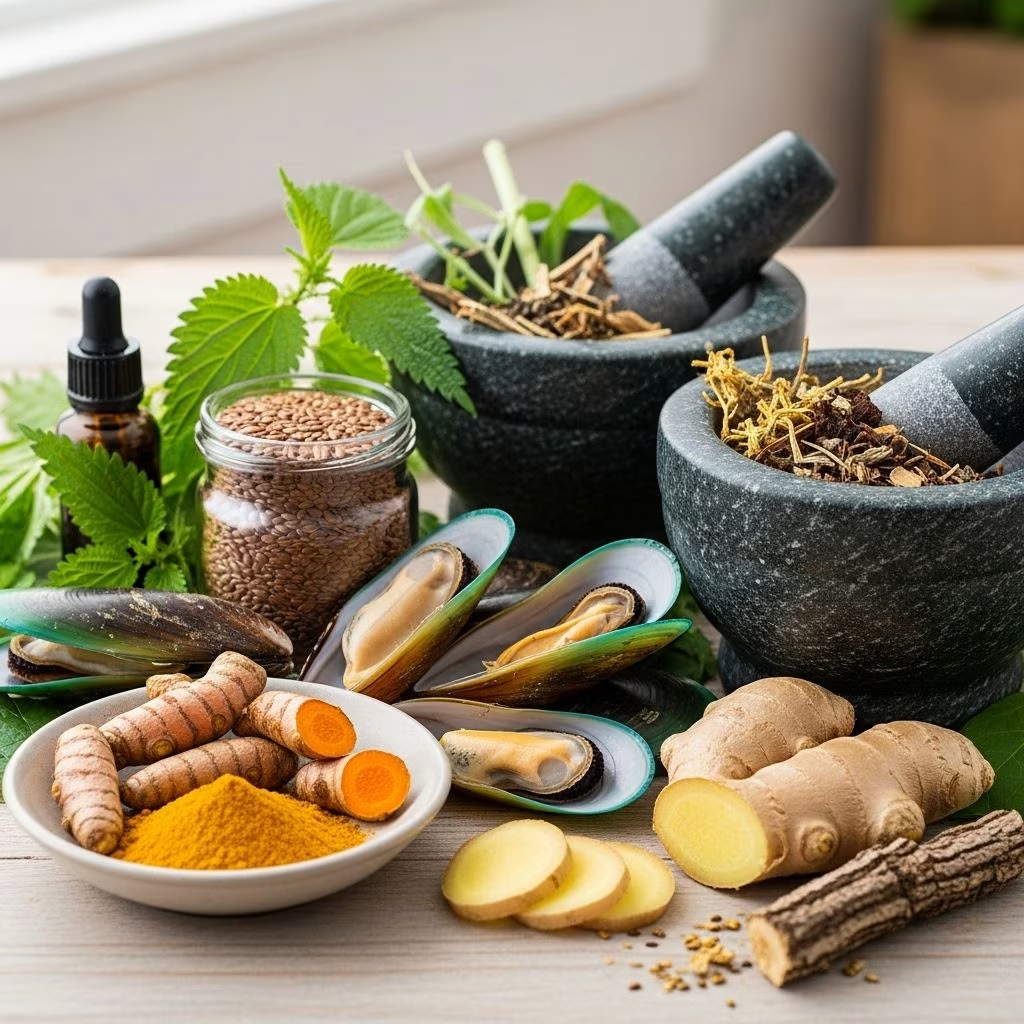
Natural Remedies for Osteoarthritis: Relieve Pain and Improve Mobility
Osteoarthritis (OA) is the most prevalent form of arthritis, affecting over 32 million adults in the United States alone. Characterized by degrading joint cartilage and symptoms like pain, stiffness, and reduced mobility, OA most frequently impacts the knees, hips, hands, and spine. While there is no cure for osteoarthritis, a combination of natural remedies, lifestyle changes, and complementary therapies can help relieve pain and support better joint function. This guide compiles evidence-based approaches and practical tips to help you live more comfortably with osteoarthritis.
Understanding Osteoarthritis
Osteoarthritis develops when the cartilage cushioning the ends of bones in your joints wears down over time. The condition can arise due to age, obesity, joint injury, genetics, and overuse. Key symptoms include:
- Joint pain that worsens with movement or weight-bearing activities
- Stiffness, especially in the morning or after periods of inactivity
- Swelling and tenderness around affected joints
- Reduced flexibility and range of motion
Effective Natural Remedies for Osteoarthritis
Integrating natural approaches with your overall care plan may reduce discomfort, improve mobility, and lessen dependence on conventional pain medications. Below are remedies supported by research and clinical experience.
1. Weight Management
Excess body weight increases mechanical stress on load-bearing joints, especially the knees and hips. For every pound lost, up to four pounds of pressure is removed from the knees. Weight loss can:
- Reduce pain and inflammation
- Improve joint mobility
- Lower the need for medications
Even moderate weight loss (5–10% of body weight) can result in significant symptomatic relief for overweight individuals with OA.
Source: Lake Pointe Orthopaedics
2. Regular Physical Activity
Movement is vital for maintaining joint health and preventing stiffness. Engaging in low-impact exercises helps strengthen muscles surrounding joints, boosts flexibility, and supports healthy cartilage. Recommended activities include:
- Walking
- Swimming or aqua aerobics
- Cycling
- Stretching and range-of-motion exercises
The Arthritis Foundation and NHS advise personalized exercise routines adapted to your abilities and symptoms. Seek professional guidance when starting new activities.
Source: NHS; Arthritis Foundation
3. Heat and Cold Therapy
Thermal therapies provide immediate and effective relief for many people with OA.
- Heat therapy: Use heating pads, warm baths, or heat wraps to relax muscles and improve blood flow.
- Cold therapy: Apply cold packs or ice to numb acute pain and reduce inflammation after activity.
Alternate heat and cold depending on the nature of your symptoms.
Source: Arthritis Foundation; Healthline
4. Topical Treatments
Applying ointments or creams directly to sore joints can target pain locally without systemic side effects.
- Capsaicin cream (from cayenne pepper): Blocks pain signals in nerves
- Comfrey cream: Shown to reduce symptoms of knee OA in clinical trials
- Menthol and camphor-based products: Provide temporary cooling and soothing effects
Always follow product instructions and avoid irritated or broken skin.
Source: Lake Pointe Orthopaedics; EBSCO
5. Joint Supports and Braces
Supports such as sleeves, braces, or wraps can stabilize affected joints and reduce pain during movement. For hand OA, splints may help relieve discomfort during daily activities.
Source: Healthline
6. Herbal and Nutritional Supplements
Several herbs and supplements show promise for managing osteoarthritis symptoms. Below are the most widely researched:
| Supplement/Herb | Potential Benefits | Cautions |
|---|---|---|
| Glucosamine & Chondroitin | May support cartilage repair and reduce pain in some patients | Evidence is mixed; may interact with some medications |
| Omega-3 Fatty Acids | Anti-inflammatory; may ease joint tenderness and stiffness | Results can vary; check dosage with your doctor |
| Curcumin (Turmeric) | Anti-inflammatory; may reduce swelling and improve mobility | May cause nausea, interact with blood thinners; choose quality supplements |
| Ginger | May decrease pain and inflammation; possible long-term benefits | Risk of upset stomach, diarrhea, and interaction with anticoagulants |
| Comfrey | Topical use may help with knee arthritis pain | Only use externally; avoid oral consumption due to liver risks |
| Avocado-soybean unsaponifiables (ASUs) | May protect cartilage and reduce symptoms | Generally well-tolerated |
Always discuss supplements with your healthcare provider before starting new regimens.
Source: EBSCO; Arthritis Foundation; Healthline; Lake Pointe Orthopaedics
7. Diet for Joint Health
An anti-inflammatory diet can support overall wellness and joint health. Focus on foods rich in:
- Omega-3 fatty acids: salmon, chia seeds, walnuts
- Antioxidants: berries, leafy greens
- Vitamins D and C: citrus, fortified foods
- Magnesium: nuts, seeds
Avoid processed foods and excess sugar, which can exacerbate inflammation.
8. Acupuncture and Mind-Body Therapies
Acupuncture is an ancient practice that may help reduce pain and improve joint function in some people. Research indicates results are mixed, with some improvements possibly due to placebo effects. Mindfulness-based stress reduction, meditation, and yoga can also promote relaxation and manage chronic pain.
9. Other Complementary Therapies
- Prolotherapy: Injection-based therapy to stimulate tissue repair, showing benefit for some joint pain sufferers
- Pulsed Electromagnetic Field Therapy: May aid pain management and enhance mobility
- Massage therapy: Can reduce muscle tension and improve circulation, especially when performed by trained professionals
Practical Strategies for Daily Life
Home Adaptations
- Use ergonomic tools and supportive shoes
- Install handrails or grab bars to reduce risk of falls
- Arrange furniture and frequently used items for easy access
Pain Management Tips
- Balance rest with gentle movement
- Practice good posture to lessen joint stress
- Break up repetitive activities and take regular breaks
Precautions and When to Seek Help
Not all natural remedies are safe or effective for every individual. Herbal supplements may interact with prescription drugs, and topical products can cause skin irritation. Always consult your healthcare provider before starting new treatments, especially if you:
- Take blood thinners or other medications
- Have a history of allergies or chronic illnesses
- Are pregnant or breastfeeding
Frequently Asked Questions (FAQs)
Q: Can osteoarthritis be cured naturally?
A: Osteoarthritis cannot currently be cured. However, natural remedies and lifestyle modifications can help manage symptoms, reduce pain, and improve daily functioning.
Source: Healthline
Q: Which natural supplements work best for osteoarthritis?
A: Glucosamine, chondroitin, omega-3 fatty acids, turmeric (curcumin), and ginger are among the best-studied natural supplements. Their benefits may vary by individual, and scientific evidence is mixed.
Source: Arthritis Foundation; EBSCO
Q: Are there dietary changes that help osteoarthritis?
A: Yes. Eating an anti-inflammatory diet with plenty of fruits, vegetables, omega-3-rich foods, lean proteins, and whole grains can reduce inflammation and support joint health.
Source: Lake Pointe Orthopaedics
Q: Is exercise safe for people with osteoarthritis?
A: Exercise, when tailored to your abilities, is highly beneficial and recommended by OA experts. Low-impact activities help maintain mobility and strengthen muscles around affected joints.
Source: NHS; Arthritis Foundation
Q: Can herbal remedies interact with other medications?
A: Yes. Herbs like ginger and turmeric may affect blood clotting or interact with other prescriptions. Consult your physician before using any new supplements or herbs.
Source: Healthline; EBSCO
Key Takeaways
- Natural remedies and lifestyle changes can effectively manage osteoarthritis pain and improve joint mobility.
- Weight management and regular exercise are crucial for reducing symptoms.
- Heat and cold therapy, topical treatments, and braces provide quick relief for flares.
- Herbal and nutritional supplements are popular, but their efficacy varies and may involve risks.
- Consult healthcare professionals prior to implementing new treatments, especially if you have complicating health conditions or are on medications.
By integrating safe, individualized strategies, you can take proactive steps toward better joint health and an improved quality of life, even while living with osteoarthritis.
References
- https://www.healthline.com/health/osteoarthritis/natural-home-remedies
- https://www.ebsco.com/research-starters/complementary-and-alternative-medicine/natural-treatments-osteoarthritis
- https://lportho.com/natural-treatments-to-relieve-your-osteoarthritis-pain/
- https://www.arthritis.org/health-wellness/treatment/complementary-therapies/supplements-and-vitamins/12-supplements-for-osteoarthritis
- https://www.arthritis.org/health-wellness/healthy-living/managing-pain/pain-relief-solutions/natural-relief-for-arthritis-pain
- https://pmc.ncbi.nlm.nih.gov/articles/PMC7914872/
- https://www.wwmedgroup.com/blog/natural-treatments-for-osteoarthritis/
- https://www.healthpartners.com/blog/hand-arthritis-relief/
- https://www.nhs.uk/conditions/osteoarthritis/treatment/


