


Natural Remedies for the Common Cold: Do They Work?
The common cold is a viral infection that affects millions worldwide, causing symptoms like a sore throat, runny nose, coughing, and blocked sinuses. While antibiotics are ineffective against viral infections, many people turn to natural remedies to manage their symptoms. Here, we explore some of the most popular natural remedies for the common cold and examine the evidence supporting their use.
Natural Cold Remedies: An Overview
Dr. Sara Kayat, a GP, notes that some natural remedies have a medical basis, while others are based more on anecdotal evidence. Below, we discuss some of the most commonly used natural remedies for treating colds.
Echinacea
Echinacea is traditionally used to treat colds, as it is believed to boost the immune system by increasing white blood cells, which fight infections. However, the evidence for its effectiveness is mixed. Some studies suggest that echinacea may reduce the duration and severity of cold symptoms, while others show no significant benefits. A more recent study on echinacea tablets in children found that they could shorten the length of colds. Despite these findings, more robust research is needed to conclusively determine echinacea’s effects on preventing or treating colds.
Honey and Lemon
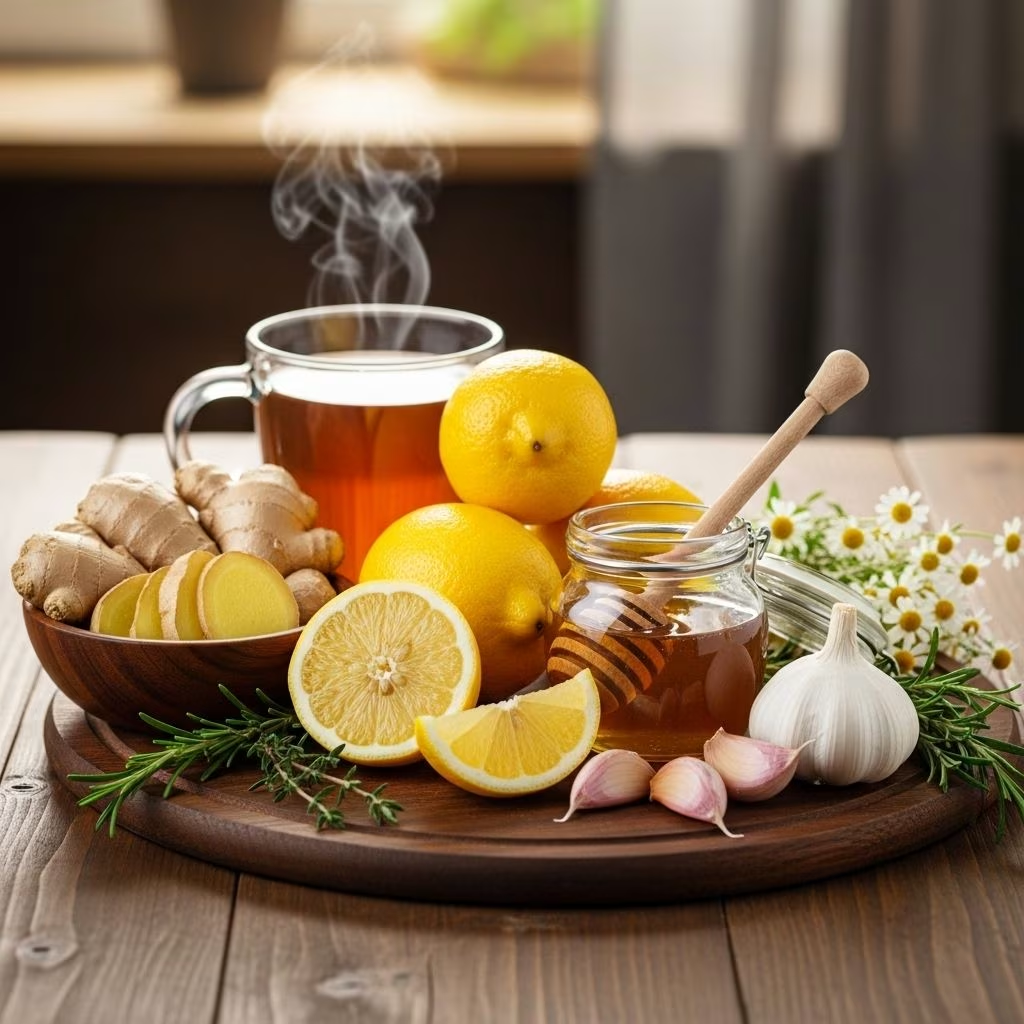
Honey and lemon are often used together to treat colds. This combination works in several ways: consuming fluids helps with hydration, lemons provide vitamin C (which can reduce the duration and severity of colds), and honey offers energy and soothes sore throats. Honey also has antibacterial properties, although this is less relevant for viral infections like the common cold. When heated, the steam from lemon and honey can help reduce congestion.
Ginger
Ginger has been used medicinally for centuries due to its anti-inflammatory compounds, gingerols and shogaols. These properties may help alleviate cold symptoms, such as a sore throat. While ginger does have some anti-inflammatory effects beneficial for cold symptoms, robust clinical trials are lacking.
Garlic
Theoretically, garlic’s antimicrobial and antiviral properties could help combat viral infections. However, there is limited evidence supporting its effectiveness in managing colds. Additionally, garlic supplements should be avoided by individuals with bleeding disorders or those taking blood thinners, as they may increase the risk of bleeding.
Zinc
Zinc is essential for immune function and has been shown to reduce the duration and severity of colds if taken within 24 hours of symptom onset. Foods rich in zinc include nuts, seeds, eggs, dairy products, and whole grains. While zinc supplements can be beneficial, excessive intake can lead to side effects, so caution is advised.
Other Natural Remedies
Beyond these remedies, other natural approaches also show promise in managing cold symptoms:
- Chicken Soup: Known for its anti-inflammatory properties, chicken soup can help reduce the unpleasant side effects of a cold by keeping you hydrated and clearing mucus.
- Aromatherapy: Essential oils like peppermint and eucalyptus can help reduce congestion when inhaled. Camphor or menthol salves applied around the nose can also break up mucus.
- Steamy Showers: Steam from a hot shower can act as a natural decongestant, helping to clear sinuses.
- Gargling with Salt Water: This can soothe a sore throat by reducing inflammation.
- Nasal Irrigation: Safe nasal irrigation can keep nasal passages hydrated and help prevent infections.
Herbal Combinations for Cold Treatment
Some herbal combinations have also been studied for their efficacy in treating cold symptoms. For example, mixtures of Hedera helix (ivy), Primula veris (primrose), and Thymus vulgaris (thyme) have been shown to reduce coughing and alleviate symptoms of acute bronchitis. Other combinations, such as GeloMyrtol and Tsumura bakumondoto, have demonstrated effectiveness in reducing respiratory symptoms.
Frequently Asked Questions (FAQs)
Q: What are the most effective natural remedies for the common cold?
A: Honey and lemon, ginger, and zinc are among the most commonly recommended natural remedies for managing cold symptoms.
Q: Does echinacea work for treating colds?
A: The evidence for echinacea’s effectiveness is mixed. Some studies suggest it may help reduce the duration of colds, but more research is needed.
Q: How does garlic help with colds?
A: Garlic theoretically has antiviral properties, but there is limited evidence supporting its use in treating colds.
Q: What are the benefits of using zinc for colds?
A: Taking zinc within 24 hours of symptom onset can reduce the duration and severity of colds. However, it should be used cautiously to avoid side effects.
Q: Are there any herbal combinations that are effective against colds?
A: Yes, combinations like ivy, primrose, and thyme have shown promise in reducing cough and alleviating symptoms.
Q: How can I safely irrigate my nasal passages?
A: It’s important to consult a doctor before starting nasal irrigation therapy to ensure it is done safely.
Conclusion
While antibiotics are ineffective against the common cold, numerous natural remedies offer potential benefits in managing symptoms. While some remedies lack robust evidence, others, such as honey and lemon, ginger, and zinc, have shown promise. It’s essential to approach these remedies with an understanding of their limitations and potential interactions with other medications.
References
- https://patient.info/news-and-features/do-any-natural-remedies-work-for-the-common-cold
- https://patient.info/chest-lungs/cough-leaflet/common-cold-upper-respiratory-tract-infections
- https://www.aafp.org/pubs/afp/issues/2019/0901/p281.html
- https://www.mayoclinic.org/diseases-conditions/common-cold/in-depth/cold-remedies/art-20046403
- https://patient.info/doctor/infectious-disease/common-cold-coryza
- https://pmc.ncbi.nlm.nih.gov/articles/PMC10220542/
- https://patient.info/cold-and-flu-season
- https://www.massgeneralbrigham.org/en/about/newsroom/articles/common-cold-treatment
- https://pmc.ncbi.nlm.nih.gov/articles/PMC3024156/
- https://www.piedmont.org/living-real-change/9-natural-cold-and-flu-remedies


