


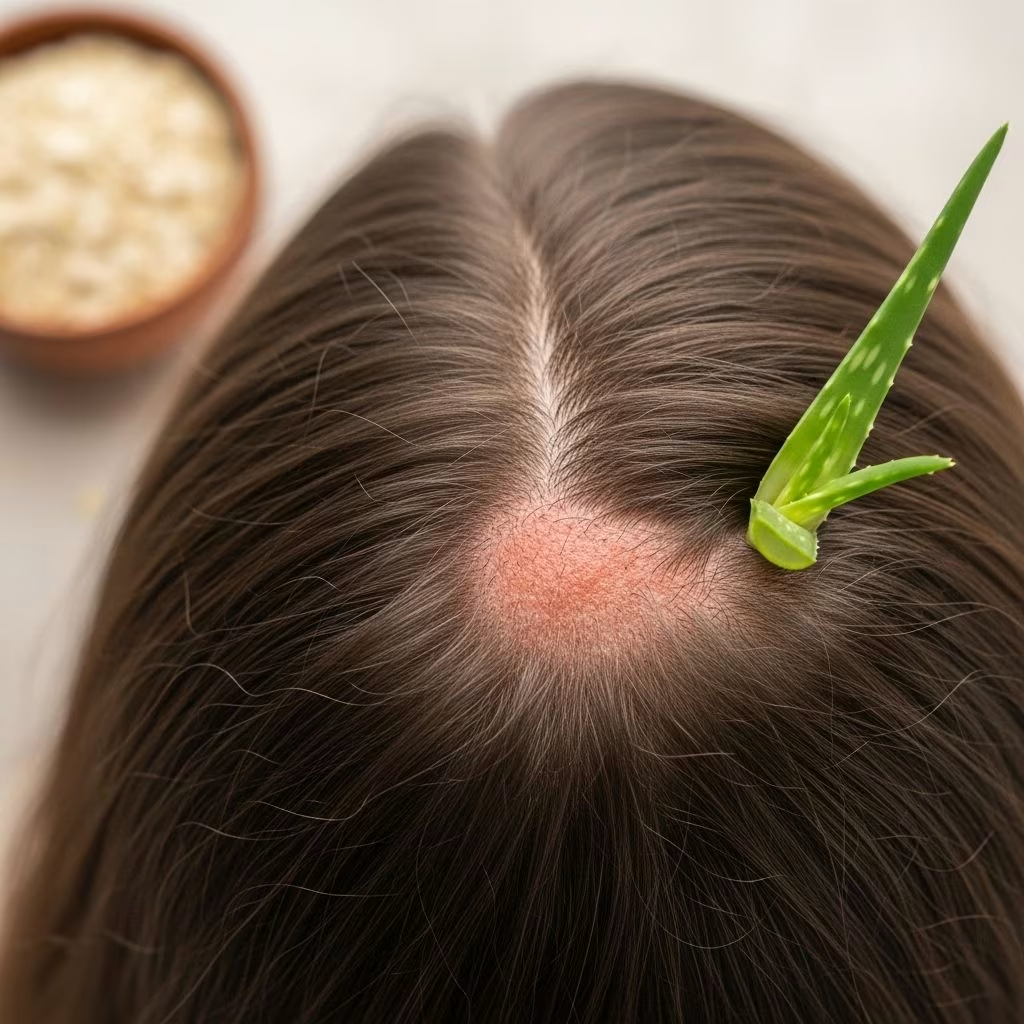
Natural Treatments for Scalp Psoriasis
Scalp psoriasis is a chronic skin condition characterized by the rapid buildup of skin cells, leading to thick, red or white patches with silvery scales on the scalp. While there is no cure for psoriasis, various natural treatments can help relieve symptoms, reduce flare-ups, and improve overall scalp health. Integrating these natural options with traditional care and medical guidance can maximize comfort and manage symptoms more effectively.
Understanding Scalp Psoriasis
Scalp psoriasis affects millions of individuals worldwide and can interfere with daily life due to itching, flaking, and discomfort. The condition often manifests with the following symptoms:
- Red patches and silvery-white scaling on the scalp
- Itching, burning, or pain
- Flaking resembling dandruff
- Dryness or cracking of the scalp
- Temporary hair loss due to scratching or harsh treatments
Triggers can include genetics, stress, skin injury, some medications, and infections. Treatment is highly individual, and a combination of natural options and conventional therapies may yield the best results.
Natural Remedies for Scalp Psoriasis Relief
Several natural approaches have shown promise in easing scalp psoriasis symptoms. The efficacy of these remedies varies, with most being safe to try alongside prescribed treatments after consulting a healthcare professional.
Coconut Oil and Other Oils
- Coconut Oil: Rich in healthy fats, coconut oil moisturizes the scalp, softens scales, and helps reduce itching. To use, warm the oil slightly and massage gently into the scalp. Leave it on for a few hours or overnight before washing with a gentle shampoo.
- Mineral, Olive, or Peanut Oil: These oils also provide hydration and may aid in loosening and removing scales. Each can be massaged into the scalp using the same method as coconut oil.
Aloe Vera
- Aloe vera gel, from the inner leaf of the plant, is renowned for its soothing and anti-inflammatory properties. Applying 0.5% aloe vera cream or pure gel to affected scalp areas up to three times daily can help reduce redness, itching, and inflammation. Leave the gel on for 15-20 minutes before rinsing off.
Tea Tree Oil
- With natural antiseptic and anti-inflammatory qualities, tea tree oil is a popular choice. It should always be diluted: add a few drops to a carrier oil (e.g., coconut or olive oil) and gently apply to the scalp. Leave on for a short time, then rinse thoroughly. Some people may experience irritation, so a patch test is recommended before widespread use.
Apple Cider Vinegar
- Organic apple cider vinegar can provide relief for scalp itch when applied several times a week. Dilute 1:1 with water if any burning occurs. After drying, rinse the scalp to prevent irritation. Avoid use on broken or cracked skin.
Dead Sea Salt or Epsom Salt Baths
- Soaking in a warm bath with added Dead Sea or Epsom salts (not hot water) can help soften scales and reduce itching. Limit baths to 15-20 minutes, and always moisturize afterward to prevent dryness.
Colloidal Oatmeal
- Add 1 cup of finely ground, raw, unflavored oats to a warm bath and soak for around 15 minutes. Oatmeal baths calm inflamed skin and provide relief from itching and irritation.
Mahonia Aquifolium (Oregon Grape)
- This herbal remedy has demonstrated anti-inflammatory effects and may help moderate immune responses underlying scalp psoriasis. Look for creams with a 10% concentration of Mahonia aquifolium and use as directed.
Capsaicin Cream
- Derived from chili peppers, capsaicin blocks pain-transmitting nerve endings and might reduce inflammation and flaking. Available in creams and ointments, some individuals notice a burning sensation with use. Consult a healthcare professional before regular application.
Turmeric
- With strong anti-inflammatory and antioxidant properties, turmeric may lessen scalp psoriasis symptoms. Incorporate 1.5–3 grams daily either through supplements or as a spice in cooking for potential benefit.
Indigo Naturalis
- An herbal extract from Baphicacanthus cusia, indigo naturalis has shown significant improvement of chronic plaque psoriasis in some studies. Used in ointments, it is generally considered safe when properly formulated but should be tested under medical supervision.
Omega-3 Fatty Acids
- Omega-3 supplements (found in fish oil, flaxseed oil, and chia seeds) may reduce inflammation and potentially improve psoriasis symptoms, although more research is needed. Integrate these as part of a balanced diet for overall health support.
Sunlight and Vitamin D
- Controlled exposure to sunlight allows the skin to produce vitamin D, which may help with psoriasis symptoms. Limit exposure to mornings or late afternoons to minimize burning, and always protect unaffected skin with SPF. Vitamin D supplements are also an option—with medical guidance.
Stress Management Techniques
- Stress is a frequent trigger for psoriasis flare-ups. Practice yoga, meditation, deep breathing, or engage in hobbies to manage emotional well-being. Techniques that effectively reduce stress can positively impact symptom severity and frequency.
Healthy Hair and Scalp Care Practices
Scalp psoriasis can make routine hair and scalp care more challenging. The following tips help maintain scalp comfort and minimize irritation or hair loss:
- Gentle Shampooing: Use mild, fragrance-free, or baby shampoos. Avoid vigorous scrubbing—massage gently to avoid damaging fragile skin or dislodging scales forcefully.
- Detangling and Brushing: Use wide-tooth combs or soft brushes, and be gentle to avoid unnecessary hair breakage or mechanical injury.
- Moisturizing Regularly: Apply light, non-comedogenic oils or conditioners to lock in moisture after cleansing.
- Avoid Hot Styling Tools: Excessive heat from hair dryers, curling irons, or straighteners can further dry out the scalp. Use low to medium settings, and keep tools moving.
- Short, Clean Nails: Keeping nails trimmed reduces the chance of skin damage from scratching and lowers infection risk.
- Protective Styling: Hairstyles that minimize tension and trauma to the scalp—like loose ponytails or braids—are less likely to aggravate symptoms.
Combining Natural Treatments with Conventional Therapies
Natural remedies can be a valuable addition to your psoriasis care regimen and may provide relief for mild to moderate cases. For more severe scalp psoriasis, combination approaches—pairing natural treatments with doctor-prescribed therapies such as medicated shampoos, topical steroids, or light therapy—may yield optimal improvement. Consult with a dermatologist for a tailored plan.
Table: Key Natural Treatments and Their Benefits
| Treatment | Main Benefit | How to Use |
|---|---|---|
| Coconut/Olive Oil | Moisturizes, softens scales | Massage into scalp, leave on, then gently wash |
| Aloe Vera | Soothes, reduces inflammation | Apply gel to scalp, leave for 15-20 mins, rinse |
| Tea Tree Oil | Antiseptic, reduces itching | Dilute with carrier oil, apply carefully, rinse |
| Apple Cider Vinegar | Relieves itch | Dilute, apply to scalp, rinse after drying |
| Dead Sea/Epsom Salt | Softens scales, soothes | Add to warm bath, soak for 15 minutes |
| Colloidal Oatmeal | Soothes itching, calms skin | Add to bath or use in topical creams |
| Turmeric | Anti-inflammatory | Add to food/supplements daily |
Lifestyle Strategies to Support Scalp Health
Managing scalp psoriasis benefits from a holistic view that encompasses daily habits and environmental factors. Consider the following:
- Balanced Diet: Focus on anti-inflammatory foods including fruits, vegetables, whole grains, lean proteins, and healthy fats. Minimize processed foods and alcohol, which can trigger flares in some people.
- Hydration: Drink sufficient water daily to maintain skin moisture.
- Sufficient Rest: Aim for 7-9 hours of sleep to aid immune function and healing.
- Avoid Smoking: Tobacco can worsen symptoms for many individuals with psoriasis.
Precautions and When to Consult a Professional
Natural remedies are not risk-free. Some, like tea tree oil or apple cider vinegar, may cause irritation or allergic reactions. People with moderate or severe psoriasis or scalp wounds should consult healthcare professionals before trying any new product. Also, discontinue use and seek help if symptoms worsen or show signs of infection (such as increased redness, swelling, or pus).
Frequently Asked Questions (FAQs)
Q: Can natural remedies cure scalp psoriasis?
A: Natural remedies can help manage symptoms and improve comfort but are not a cure. Scalp psoriasis is chronic and benefits most from a tailored management plan.
Q: How long does it take to see results from natural treatments?
A: Timeframes vary. Some people may notice relief in days, while others require weeks. Persistent, gentle use is best, and changes should be monitored over at least 3–4 weeks.
Q: Are there side effects to using tea tree oil or apple cider vinegar?
A: Both can cause burning or irritation, especially undiluted. Always dilute, patch test, and avoid use on cracked or bleeding skin. If irritation occurs, rinse immediately and discontinue.
Q: Can I use these natural treatments with prescribed medications?
A: Most natural treatments can be safely combined with prescribed products, but check with your healthcare provider to avoid potential interactions and ensure effective care.
Q: What lifestyle changes are most helpful for scalp psoriasis?
A: Stress management, gentle scalp care, a healthy diet, regular moisturizing, and avoiding smoking and alcohol can all contribute to better control of symptoms.
Conclusion
Scalp psoriasis requires ongoing maintenance, compassion, and trial and error to find what works best for your unique skin. By combining natural remedies—like soothing oils, gentle scalp practices, and stress management—with medical care, you can build a sustainable path toward relief and healthier living. Always consult a healthcare provider for personalized advice and before starting new treatments.
References
- https://arrayskin.com/natural-treatments-for-scalp-psoriasis/
- https://www.healthline.com/health/scalp-psoriasis-home-remedies
- https://www.psoriasis.org/integrative-approaches-to-care/
- https://pmc.ncbi.nlm.nih.gov/articles/PMC10229448/
- https://health.clevelandclinic.org/home-remedies-for-psoriasis
- https://www.aad.org/diseases/psoriasis/scalp-psoriasis-10-ways-reduce-hair-loss
- https://www.guysandstthomas.nhs.uk/health-information/treating-scalp-psoriasis
- https://www.psoriasis.com/psoriasis-patients/tips/home-remedies-for-psoriasis


