


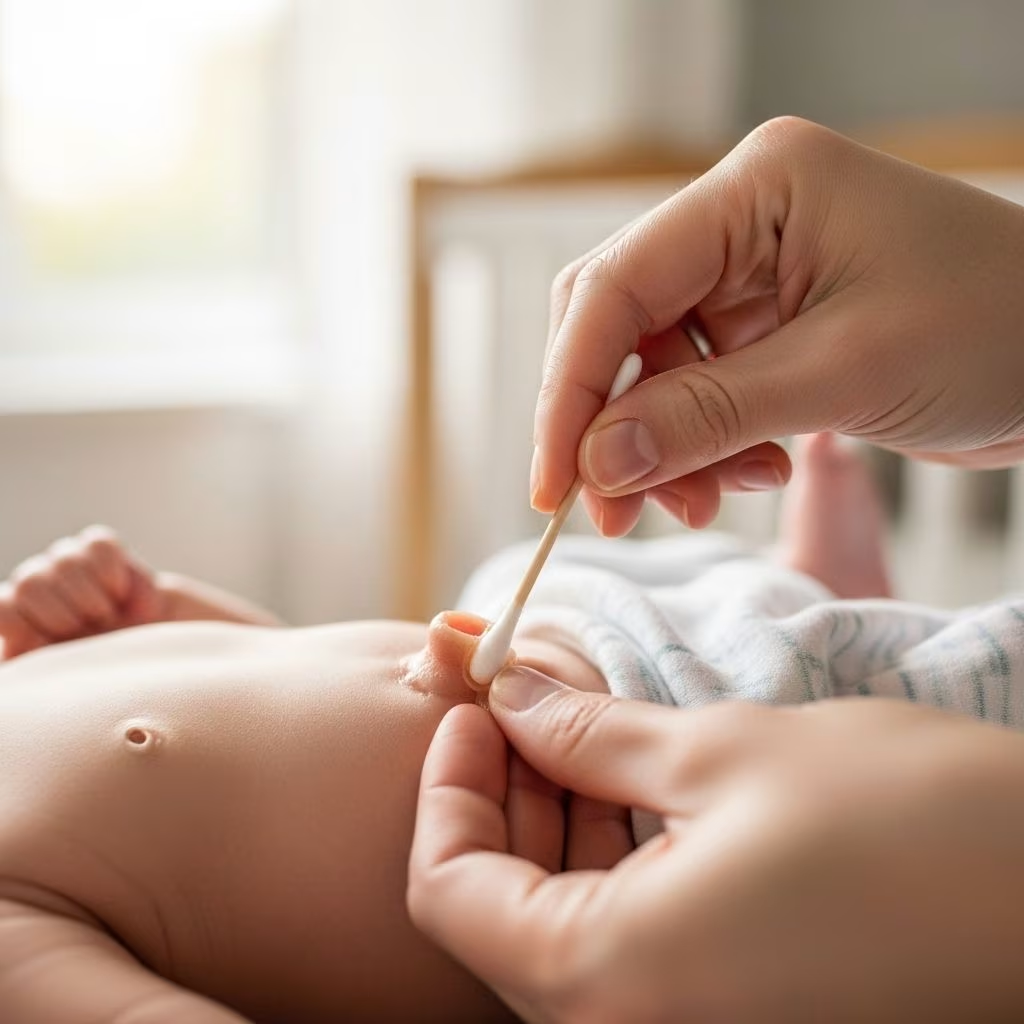
Natural Umbilical Cord Care: Gentle, Safe Practices for Newborns
The umbilical cord is your baby’s first connection to life after birth, providing vital nutrients and oxygen throughout pregnancy. Shortly after birth, the cord is clamped and cut, leaving a small stump attached to your newborn’s belly button. Caring for the umbilical cord stump in the first weeks of life is key to ensuring proper healing and preventing infection. This article offers comprehensive, evidence-based guidance on natural umbilical cord care, exploring best practices, effective remedies, and safety tips for every new parent.
What Is the Umbilical Cord and Why Cord Care Matters
The umbilical cord connects your baby to the placenta in utero, supplying essential nutrients and oxygen while removing waste. After delivery, the cord is clamped and cut, leaving a 1-2 inch stump. This stump gradually dries, shrivels, and typically falls off naturally within 1 to 3 weeks after birth. Cord care during this period is crucial because:
- Proper care reduces the risk of infection (omphalitis), a potentially serious medical emergency in newborns.
- Ensures comfort and quick healing for your baby.
- Minimizes skin irritation and promotes a healthy belly button.
How to Care for Your Newborn’s Umbilical Cord Stump
Most pediatricians and health organizations now recommend a natural, minimal-intervention approach. Here are the essential steps:
1. Keep the Area Clean
Gentle care is best. In the past, parents were told to clean the base of the stump with rubbing alcohol, but current guidelines advise against this unless directed by your pediatrician. Alcohol can irritate the skin and delay natural healing. Instead:
- Leave the stump alone most of the time.
- If the area gets dirty (for example, from diaper leaks), use a clean cotton swab dipped in plain warm water to gently wipe around the base. Dab dry gently—never rub or pull.
- Avoid lotions, powders, or herbal treatments unless specifically recommended by your healthcare provider.
2. Keep the Cord Stump Dry
Dryness is critical for healing and preventing infection. To help the area stay dry:
- Allow the stump to air dry as often as possible.
- Dress your baby in a loose t-shirt and diaper, or choose special newborn diapers with a cut-out or gently fold down the front of a regular diaper.
- Choose loose-fitting clothing and avoid fabrics that might rub or trap moisture around the stump.
3. Sponge Baths Only
Until the umbilical cord stump falls off, avoid submerging your baby in a baby tub or sink. Opt for sponge baths instead:
- Wipe your baby’s body gently with a soft, damp cloth, avoiding the cord area.
- If the cord gets a little wet, simply pat it dry gently with a clean, soft towel.
- Wait until after the stump has separated before giving regular baths.
4. Allow Natural Healing—Don’t Pick or Pull
It is tempting to remove the stump as it starts to dangle, but pulling can cause bleeding and elevate the risk of infection. The best approach is to let the stump fall off naturally when ready.
- Resist the urge to pick or tug at the stump.
- Let nature take its course; most stumps will detach within 7-14 days, though up to 3 weeks is normal.
Natural and Holistic Approaches to Umbilical Cord Healing
Some parents are interested in more natural remedies to promote healing. Here are a few methods considered safe or supported by evidence:
Natural Remedies: A Review
| Remedy | Description | Evidence/Notes |
|---|---|---|
| Keep Dry and Clean | Expose stump to air, avoid submersion, clean only when necessary | World Health Organization and leading pediatricians recommend as safest base method |
| Breast Milk | Some studies support application of a few drops of expressed breast milk to stump | Breast milk contains immunoglobulins and growth factors that may promote faster separation and healing; discuss with your pediatrician before use |
| Chlorhexidine | Antiseptic gel used in regions with high neonatal infection rates | Recommended by WHO when infection rates are high or healthcare access is limited |
| Herbal or Plant-Based Remedies | Substances such as arnica, goldenseal, or echinacea sometimes suggested | No robust clinical evidence, and some may irritate the skin; safest to avoid unless guided by a healthcare provider |
Breast Milk Application: Evidence and Practice
Recent systematic reviews suggest breast milk has natural antimicrobial and healing properties that could reduce the time it takes for the stump to separate. Application is simple:
- Express a few drops of breast milk onto a clean finger or cotton swab and dab gently onto the cord stump.
- Allow the area to air dry for at least 10 minutes.
- Use only once a day, as excessive moisture may delay drying.
- Wash hands thoroughly before and after the application.
- Always check with your pediatrician before trying natural cord-care remedies.
Note: While promising, breast milk application should not replace fundamental cleanliness and dryness. Never apply substances that are not recommended by your healthcare provider.
What Not to Use on the Cord Stump
- Alcohol: No longer routinely recommended; may delay healing and dry out the skin.
- Baby Powder or Talc: Can cause irritation and does not aid healing.
- Unapproved herbal products: Can cause irritation or infection.
- Traditional substances: Including oils, butter, or ash, which have no proven benefit and may be harmful.
Monitoring for Infection: What Every Parent Should Know
Infection of the cord stump, although rare, is a serious risk for newborns. Here’s what to watch for:
Signs of Umbilical Cord Infection
- Redness, swelling, or warm skin surrounding the stump
- Foul-smelling yellow or green discharge (pus)
- Bleeding that does not stop with light pressure
- Fever, lethargy, or poor feeding
- Increased pain or excessive crying when touching the area
If you observe any of these symptoms, contact your pediatrician promptly. Early detection makes treatment easier and safer.
How to Reduce the Risk of Infection
- Wash your hands thoroughly before touching the cord area.
- Keep diapers and clothing clear of the stump to minimize irritation.
- Never pick at or try to remove the stump – let it fall off naturally.
- Maintain a clean environment, especially for premature or low birth weight babies, whose immune systems are more fragile.
After the Stump Falls Off: Post-Care for a Healthy Belly Button
The site may appear slightly moist, have a small scab, or ooze a drop or two of blood after the stump falls off. This is normal and should resolve in a few days. Continue to:
- Keep the area clean and dry until fully healed.
- Watch for any persistent redness, discharge, or bad odor, which could signal infection.
- Normal skin-to-skin contact and baths can resume once the navel is healed.
Common Questions About Umbilical Cord Care
How Long Does It Take for the Umbilical Cord to Fall Off?
Most umbilical cord stumps separate and fall off within 7 to 21 days after birth. A few days earlier or later is not unusual. If more than three weeks pass and the stump remains or if there are signs of infection, consult your pediatrician.
What Should I Do If the Cord Gets Wet?
Gently pat the area dry, being careful not to rub or disturb the cord. Occasional wetting (such as during a quick bath) will not harm the healing process as long as thorough drying follows.
Should I Use Alcohol or Hydrogen Peroxide to Clean the Cord?
No—these substances can irritate delicate newborn skin and delay healing. Stick with gentle cleaning using plain water and only if necessary, or as instructed by your doctor.
Are There Risks to Letting My Baby’s Cord Stump Heal Naturally?
Letting the cord heal without interference is safe and recommended in most healthy, full-term babies. The main risk is infection, which can be minimized by following good hygiene, monitoring for signs, and contacting your provider if concerns arise.
Is Bed Sharing or Clothing Type Important During Cord Healing?
Dress your baby in loose, soft clothing and avoid any garments or swaddles that rub directly on the cord. Consider special newborn diapers with cord cut-outs to further reduce irritation.
Frequently Asked Questions (FAQs)
Q: What does a normal umbilical cord stump look like as it heals?
A: It’s common for the stump to change color from yellow-green to brown-black before it falls off. There may be a little dried blood or scab as the stump detaches.
Q: When should I call the doctor about my baby’s cord stump?
A: If you see redness, swelling, foul-smelling fluid, ongoing bleeding, or if your baby develops a fever or seems unusually fussy, contact your pediatrician immediately.
Q: Can I use home remedies on my baby’s umbilical cord?
A: Only use remedies that are recommended by your healthcare provider. Evidence supports the use of breast milk in some cases, but avoid herbal, oil, or powder applications without medical approval.
Q: Does the way the cord is cared for affect the future appearance of my child’s belly button?
A: The shape of a person’s belly button is mostly determined by genetics and the way the cord was tied at birth, not by how the stump is cared for afterward.
Q: What should I do if a small amount of blood appears after the cord falls off?
A: A small amount of blood or a yellowish discharge is normal right after the stump falls off. Keep the area clean and dry; if bleeding persists or worsens, consult your pediatrician.
Tips for Natural Cord Care: At-a-Glance
- Gently clean only when necessary, using water and a soft cloth or cotton swab.
- Keep the area as dry as possible; fold down the diaper or use diapers with a cord cut-out.
- Let the stump fall off on its own–don’t pull, pick, or tug.
- Monitor for signs of infection: redness, swelling, foul odor, pus, or fever.
- Avoid using alcohol, powder, oils, or unapproved traditional remedies.
- If using natural remedies like breast milk, follow hygiene protocols strictly and discuss with your pediatrician first.
Final Thoughts
Natural umbilical cord care is rooted in simplicity: keep the area clean, dry, and free from unnecessary interventions. By patiently letting the healing process unfold and staying attentive to warning signs, you can give your baby the best start for a healthy belly button. If you ever have doubts or notice changes in your baby’s mood, appearance, or the cord site, never hesitate to reach out to your pediatrician for personalized guidance. Welcoming a newborn means learning to trust both nature’s design—and your parental instincts.
References
- https://www.mayoclinic.org/healthy-lifestyle/infant-and-toddler-health/in-depth/umbilical-cord/art-20048250
- https://americanpregnancy.org/healthy-pregnancy/first-year-of-life/umbilical-cord/
- https://www.conehealthybaby.com/chb/your-new-baby/home-care/umbilical-cord-care/
- https://www.beborganic.com/blogs/journal/speed-umbilical-cord-healing-with-nature-power
- https://my.clevelandclinic.org/health/body/umbilical-cord
- https://www.healthparkpediatrics.com/how-to-care-for-your-babys-umbilical-cord-stump/
- https://www.mamanatural.com/umbilical-cord-care/
- https://pmc.ncbi.nlm.nih.gov/articles/PMC12094378/


