


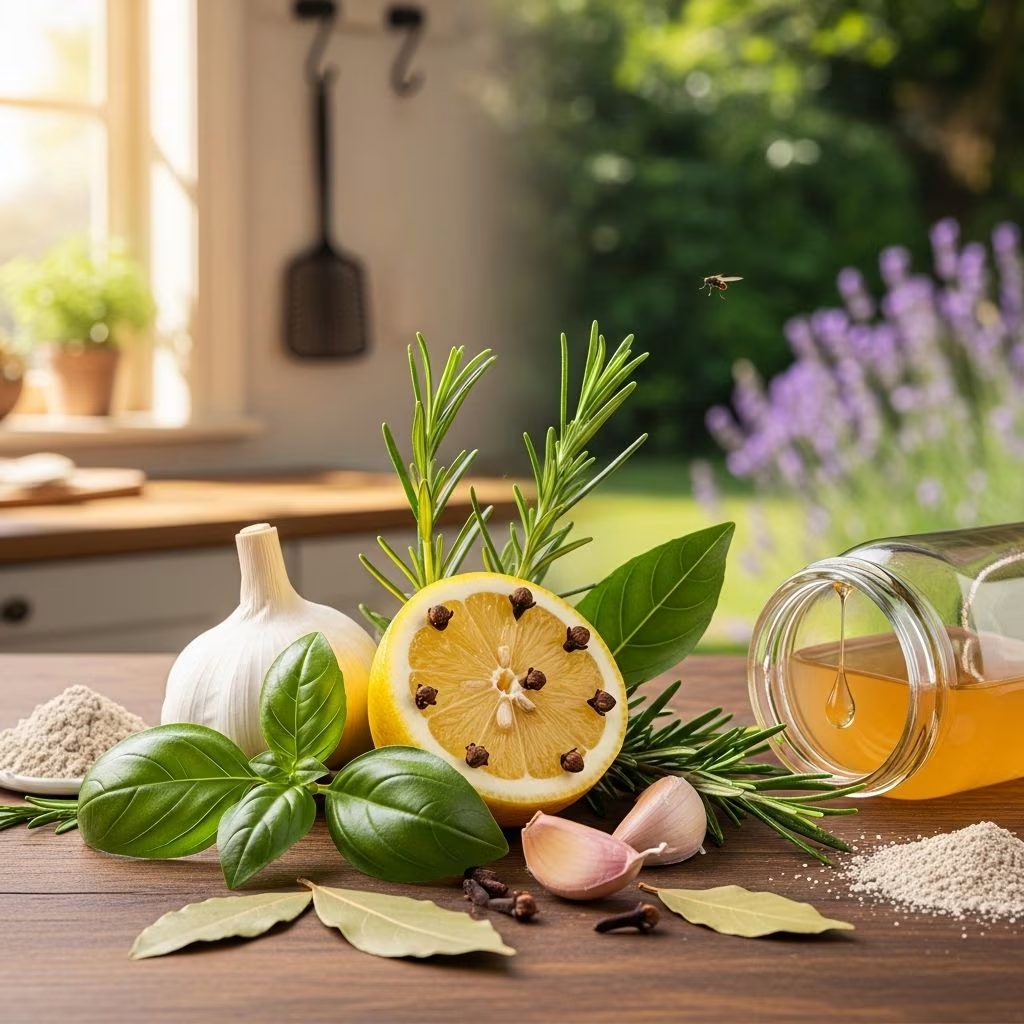
Flies are more than just a nuisance; they are known to spread bacteria and disease, making fly control an essential part of maintaining a hygienic home. Chemical insecticides can pose risks to humans, pets, and the environment, prompting many households to seek safe, effective, and natural remedies for killing and repelling flies. This comprehensive guide covers reliable DIY solutions, fly traps, natural repellents, and prevention strategies, supported by expert recommendations and practical tips.
Why Flies Are a Problem
Flies are among the most common household pests worldwide. They can contaminate food, utensils, and surfaces with pathogenic microorganisms, transmitting diseases such as salmonella, typhoid, and cholera. Houseflies, fruit flies, and drain flies are frequent indoor intruders found near food storage, kitchens, garbage bins, and windows.
- Flies reproduce rapidly, making infestations challenging to control once they begin.
- Mature flies can lay hundreds of eggs that hatch within 24 hours.
- Infested spaces may require ongoing sanitation and fly control efforts.
Common Types of House Flies
| Type | Main Habitats | Common Attractants | Main Risks |
|---|---|---|---|
| Housefly (Musca domestica) | Homes, kitchens, garbage bins | Food scraps, garbage, manure | Disease transmission |
| Fruit Fly (Drosophila melanogaster) | Fruit bowls, compost, drains | Ripening fruit, sugar solutions | Contaminating food and drinks |
| Drain Fly (Psychodidae) | Bathroom/kitchen drains | Stagnant water, sludge | Nuisance; minor health risk |
Top Natural Remedies to Kill Flies
Instead of reaching for toxic sprays, try these safe and proven home remedies that target and eliminate flies through natural ingredients and clever mechanisms.
1. Vinegar and Dish Soap Trap
Apple cider vinegar is a strong attractant for flies, especially fruit flies. The addition of dish soap breaks the surface tension, causing flies to sink and drown.
- Pour apple cider vinegar into a jar or glass.
- Add a few drops of dish soap.
- Optionally add a pinch of sugar to boost attraction.
- Cover with plastic wrap and poke small holes. Flies enter but can’t escape.
- Place trap in kitchens or near breeding sites.
Highly effective for fruit flies and gnats.
2. Sugar and Yeast Bottle Trap
Ideal for fast-breeding flies, this trap uses carbon dioxide and sugar to draw flies in.
- Slice a plastic bottle in half. Flip the top half to form a funnel facing downward.
- Mix ½ cup warm water, ¼ cup sugar, and 1 teaspoon yeast in the bottom.
- Tape the halves together securely.
- Set outside entry doors or near windows.
3. Sticky Traps
- Roll out flypaper or sticky tape in fly-prone areas.
- Dispose when covered in insects.
- Safe, easy, and effective for all fly species.
4. Cayenne Pepper Spray
- Mix 1 tablespoon cayenne pepper with 2 cups hot water.
- Let infuse for 15–20 minutes and pour into a spray bottle.
- Spray around windows, garbage bins, entry points.
- Acts as a natural repellent for flies and other insects.
5. Natural Trap Bait
- Use ripening fruit, molasses, wine, or beer to lure flies into homemade traps.
- Mason jars with bait and secure lids (puncture holes for access) are simple and effective.
- Dispose of traps weekly to prevent new infestations.
DIY Fly Traps: Effective Homemade Solutions
Mason Jar Trap
The mason jar trap is particularly successful against fruit flies and gnats. Apple cider vinegar’s scent draws pests, while small holes allow entry but not exit. Adding dish soap ensures flies cannot escape the bait’s surface tension.
For optimal results, place traps where flies congregate—near fruit, trash, or countertops.
Plastic Bottle Trap
This method targets larger houseflies or outdoor populations. The sugar-yeast mixture emits carbon dioxide, mimicking decomposing organic material. Inverted funnels prevent escape, and the trap can be refreshed weekly for continual fly control.
Trap Bait Alternatives
- Bananas, apples, and grapes (for fruit flies)
- Beer or wine (for houseflies)
- Molasses or honey (general fly attractants)
Natural Fly Repellents
Prevention is as important as elimination. Natural repellents can deter flies from entering and settling in your living spaces.
1. Essential Oils and Herbal Sprays
- Lavender, peppermint, eucalyptus, and lemongrass essential oils repel flies.
- Add several drops to water in a spray bottle and mist entry points, windowsills, and trash areas.
- Diffusers can continuously disperse the aromatic barrier indoors.
- Basil, marigold, and parsley—grow these near windows or doors for built-in protection.
2. Citrus-Based Deterrents (Orange Peels)
- Scatter orange peels near problem areas; the natural oils and scents deter flies.
- Hang peels in muslin bags for a longer-lasting effect.
3. Citronella Candles and Fans
- Burn citronella candles in entryways or outdoor seating areas.
- Rotate fans to circulate the citronella scent; airflow also physically discourages flies.
Biological Controls: Plants and Predators
1. Venus Flytraps
- Add Venus flytraps to fly-prone rooms or patios; these carnivorous plants lure and consume flies naturally.
- Care instructions: place in bright, indirect sunlight and water every 5–7 days. Supplement with dead insects if fly capture is low.
2. Companion Plants
- Herbs like basil, lavender, and marigold on windowsills or gardens deter flies and enhance home aesthetics.
Environmental and Preventive Measures
Tackling the root cause of fly infestations is crucial for sustained success. Prevention involves minimizing attractants and blocking entry points.
- Seal windows and doors to prevent flies from entering the home.
- Store garbage securely and empty bins regularly. Use bins with tight-fitting lids.
- Clean spills and crumbs promptly, especially in the kitchen.
- Turn off outdoor lights when not in use—light attracts flies at night.
- Maintain drains; fix leaks and clear standing water to prevent drain flies.
- Compost properly and keep fruit storage covered.
Outdoor Preventive Tips
- Keep pet food covered.
- Clear away animal waste promptly.
- Mow lawns and clear debris where flies may breed.
- Use fans in outdoor gathering spaces to prevent flies from settling.
Frequently Asked Questions (FAQs)
Q: Do home remedies really kill all types of flies?
A: Most natural remedies are effective against common houseflies and fruit flies. Some methods target specific species (e.g., vinegar traps for fruit flies, yeast-based traps for houseflies). Persistent infestations may require a combination of approaches.
Q: Which home remedy is the fastest for killing flies?
A: The apple cider vinegar and dish soap trap delivers quick results, often attracting and drowning flies within a day when placed near breeding sources.
Q: Are essential oils safe for pets and children?
A: Essential oils are generally safe when diluted properly, but avoid direct skin contact and keep sprays away from pet food and bedding. Citrus, peppermint, and lavender are less likely to cause irritation.
Q: How often should I replace DIY fly traps?
A: Refresh traps every 5–7 days or whenever they become full. Dispose of dead flies and clean containers to prevent odors.
Q: What should I do if fly infestations persist despite these remedies?
A: Deep clean possible breeding grounds, check for hidden sources (like drains), and consider professional pest control if infestations continue.
Conclusion
Flies can be managed safely and effectively using natural home remedies, DIY traps, and proactive prevention. Combining multiple strategies—such as traps, repellents, biological controls, and good housekeeping—delivers comprehensive protection for your home, your family, and the environment. Choosing chemical-free fly control not only safeguards your living space but also preserves the balance of household ecosystems. Begin with these trusted remedies for a cleaner, healthier, fly-free home.


