


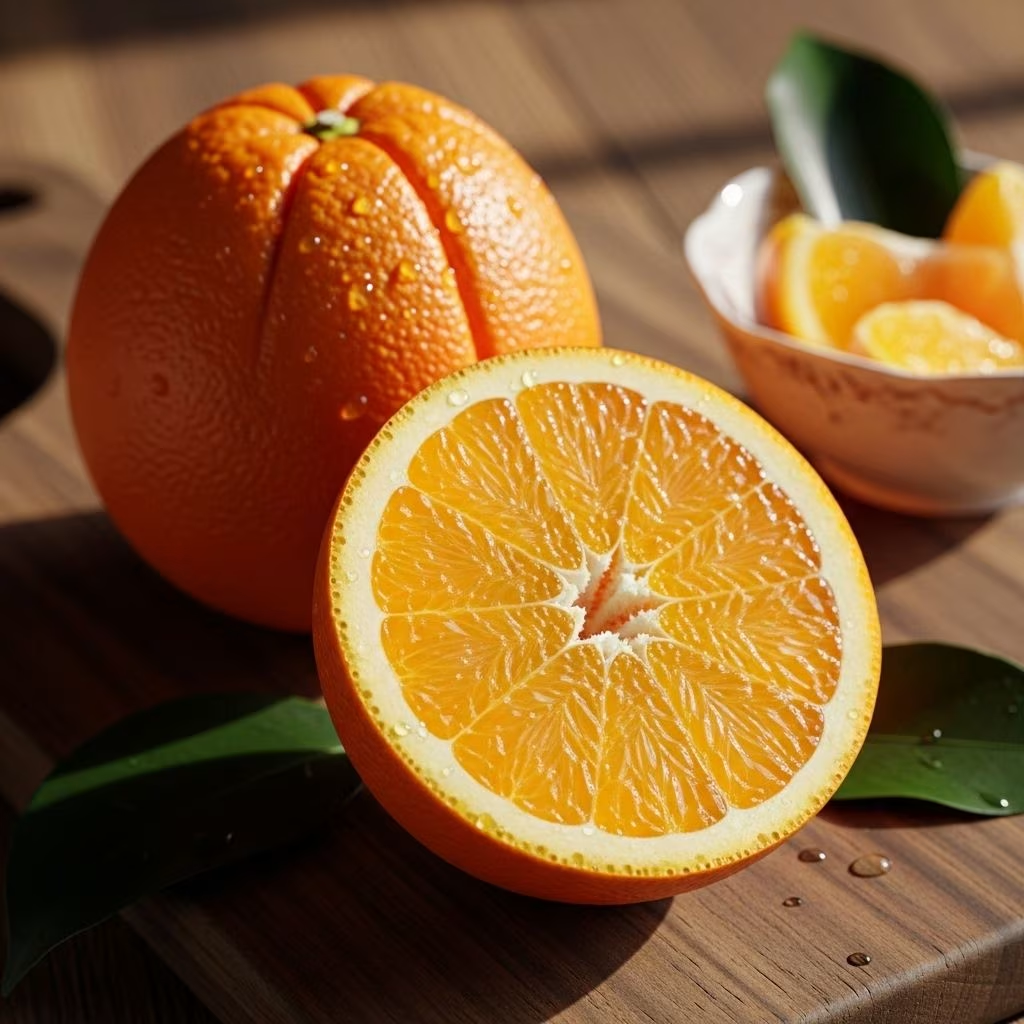
Navel oranges are among the world’s most beloved citrus fruits, recognized for their uniquely sweet flavor, bright color, easy-to-peel rind, and seedless nature. This comprehensive guide explores navel oranges in detail, covering their origin, physical traits, nutrition, health benefits, culinary uses, varieties (including Cara Cara), storage, and frequently asked questions.
Overview: What is a Navel Orange?
Navel oranges (botanical name: Citrus sinensis) are a seedless variety of sweet oranges distinct for their characteristic ‘navel’—a small secondary fruit embedded at the apex, which gives the appearance of a human belly button at the blossom end. This trait, alongside their robust sweetness and convenience, has made them the quintessential eating orange worldwide.
- Seedless: Navel oranges lack seeds, making them ideal for snacking and salads.
- Easy to peel: Thick, loose skin ensures effortless peeling.
- Segmented flesh: Typically 10–12 juicy sections separated by thin membranes.
Origin and History
The navel orange is the result of a spontaneous mutation discovered in the early 19th century at a monastery in Bahia, Brazil. This mutation created the unique dual-fruit phenomenon and made the orange seedless.
Because they are seedless and cannot reproduce by seed, all navel orange trees are propagated through cutting and grafting. The popularity of the fruit quickly spread, with introductions to Australia (1824), Florida (1835), and California, where it was famously cultivated as the ‘Washington Navel’. Variations like the Cara Cara emerged later in Venezuela.
Physical Characteristics and Identifying Features
- Shape: Globular to slightly oval with blunt, curved ends.
- Size: Varies from 6 to 10 centimeters in diameter (roughly 3–4.5 inches).
- Navel: Visible circular hole or protrusion at the stem (the undeveloped twin fruit).
- Peel: Moderately thick, taut, firm, and matte with a slightly rough, bumpy texture. Color ripens from green to deep orange.
- Flesh: Bright orange, separated into juicy segments, tender, and succulent.
- Aroma: Fresh, aromatic, and fruity when peeled.
Season and Availability
- Main Season: Winter through spring, peaking between November and April (Northern Hemisphere).
- Reason for Season: Oranges ripen during cool weather, resulting in sweeter, juicier fruit.
- Global Distribution: Grown in citrus-producing regions worldwide, including the United States (notably California and Florida), Brazil, Spain, South Africa, and parts of Australia.
Nutritional Value and Health Benefits
Navel oranges are a powerhouse of essential nutrients, especially vitamin C, but also provide fiber, potassium, and a variety of antioxidants. Below is an approximate nutritional breakdown for one medium navel orange (about 130g):
| Nutrient | Amount (% Daily Value) |
|---|---|
| Calories | ~60 |
| Vitamin C | ~ 130% DV |
| Fiber | ~ 12% DV |
| Potassium | ~ 6% DV |
| Folate | ~ 7% DV |
| Antioxidants | Lycopene, hesperidin, betacarotene |
- Vitamin C: Essential for immune support, collagen synthesis, and as an antioxidant.
- Fiber: Aids digestion, promotes satiety, and supports heart health.
- Potassium: Contributes to healthy blood pressure.
- Antioxidants: Help reduce oxidative stress, support cellular health, and lower risk of chronic disease.
- Low in calories and fat: Suitable for calorie-conscious diets.
Top Health Benefits of Navel Oranges
- Strengthens the Immune System: High vitamin C levels help defend against colds and infections.
- Promotes Skin Health: Antioxidants and vitamin C reduce skin aging and support tissue repair.
- Supports Heart Health: Fiber, potassium, and flavonoids may help lower blood pressure and cholesterol levels.
- Facilitates Digestion: Dietary fiber promotes digestive regularity and prevents constipation.
- May Reduce Chronic Disease Risk: Rich in plant compounds linked to lower cancer and cardiovascular disease risks.
Taste Profile
Navel oranges are celebrated for their sweet, juicy, and tangy flavor with delicate floral notes. They are less acidic than many other orange varieties, and their seedless nature enhances the fresh eating experience. The balance between mild sweetness and tanginess makes them a favorite among children and adults alike.
- Texture: Soft, tender, and succulent.
- Juiciness: Juicy but not overly so, which helps segments hold together well for eating.
- Aroma: Fruity and aromatic when sliced or peeled.
Culinary Uses
- Snacking: Naturally seedless and easy to peel, navel oranges are a premier fresh-eating fruit.
- Salads: Add bright color and sweet-tart flavor to green salads, grain bowls, or fruit salads.
- Desserts: Used in cakes, tarts, sorbets, and marmalades for a citrus touch.
- Beverages: Slices and segments are a delicious addition to infused water, cocktails, or mocktails.
- Savory Dishes: Contrasts salty, spicy, or earthy dishes in salsas, sauces, stir fries, and topping grilled meats.
- Juicing: While acceptable for juice, navel oranges can develop bitterness (due to limonin) if the juice is left to stand. For fresh juice intended for immediate consumption, the flavor is still sweet and enjoyable.
Popular Recipe Ideas with Navel Oranges
- Citrus and spinach salad with candied pecans and feta
- Navel orange and almond cake
- Orange-avocado salsa for grilled chicken
- Fresh orange parfaits with Greek yogurt
- Navel orange slices topped with cinnamon and honey
Notable Varieties: Cara Cara Navel Orange
One of the most sought-after subtypes of navel oranges is the Cara Cara navel orange. Discovered in Venezuela in 1976, Cara Cara oranges are a natural mutation of the standard navel with several unique features:
- Flesh color: Vibrant pinkish-red due to lycopene pigment (not anthocyanins like blood oranges).
- Flavor: Sweet, low acid, with subtle berry notes and a flavor profile gentler on sensitive stomachs.
- Texture & Use: Seedless, easy to peel, and equally excellent for eating fresh or adding color to salads and desserts.
Selection, Storage, and Preparation Tips
How to Choose the Best Navel Oranges
- Color: Opt for oranges with rich, deep orange color and no green areas at the stem end.
- Firmness: The fruit should feel heavy for its size, indicating juiciness, and have a firm, bouncy feel when gently squeezed.
- Skin: Should be smooth and slightly bumpy but free of large blemishes, soft spots, or wrinkles.
Best Ways to Store Navel Oranges
- Room temperature: Whole oranges can be kept at room temperature (away from direct sun) for up to a week.
- Refrigeration: Store in the crisper drawer for two to three weeks—longer shelf life and maintained juiciness.
- Cut oranges: Refrigerate in an airtight container and consume within 2–3 days.
Preparation Tips
- Wash oranges before peeling to remove surface residues.
- Score the rind gently with a knife for easier peeling if needed.
- Segment by hand or slice crosswise for serving in salads or garnishes.
Navel Oranges vs. Other Oranges
| Feature | Navel Orange | Valencia Orange | Blood Orange |
|---|---|---|---|
| Seeds | Seedless | Few seeds | Few to none |
| Best Use | Eating fresh, salads | Juicing | Eating, salads, desserts |
| Peel Thickness | Thick, easy to peel | Thinner, more difficult | Moderate |
| Flesh Color | Bright orange | Light to deep orange | Red to deep maroon |
| Flavor | Sweet, tangy, floral | Sweet, slightly tart | Sweet, berry-like |
| Availability | Winter-Spring | Spring-Summer | Winter-Spring |
Frequently Asked Questions (FAQs)
What makes a navel orange seedless?
Navel oranges are seedless due to a natural genetic mutation discovered in Brazil. All modern navel oranges are propagated through grafting, not from seeds.
Can navel oranges be used for juicing?
While navel oranges are juicy, they contain limonin, which causes their juice to become bitter if left standing for a while. For best results, consume navel orange juice immediately after squeezing.
Are they good for people with sensitive stomachs?
Yes, especially Cara Cara navel oranges, known for their low acid content, making them gentler on digestion.
How can I identify if an orange is a navel?
The signature ‘navel’ or bellybutton-like mark on the stem end, combined with seedless sections and easy-to-peel skin, distinguishes navel oranges.
What’s the difference between navel and Valencia oranges?
Navel oranges are seedless, thicker-skinned, and best for eating. Valencia oranges are thinner-skinned, have some seeds, and are the go-to for juicing due to their higher juice content and lack of bitterness over time.
How should I store navel oranges for maximum freshness?
Keep them in the refrigerator for up to three weeks, or at room temperature for a few days. Avoid storing near ethylene-producing produce like apples or bananas to prevent over-ripening.
Are navel oranges safe for children?
Absolutely. Their sweetness, ease of peeling, and lack of seeds make them ideal for children’s snacks and school lunches.
Conclusion
Navel oranges—sweet, seedless, vibrant, and packed with nutrients—are truly a marvel of nature and a staple in many kitchens. Whether eaten fresh, tossed into salads, or used in baked goods, they deliver flavor and health in every bite. Their distinctive origin, unique appearance, and versatile uses keep them at the forefront of citrus favorites worldwide.
References
- https://specialtyproduce.com/produce/Navel_Oranges_8521.php
- https://en.wikipedia.org/wiki/Navel_orange
- https://kingstreetorchard.com/seven-interesting-facts-about-navel-oranges/
- https://www.halegroves.com/blog/what-are-cara-cara-navel-oranges/
- https://blog2.pittmandavis.com/health-benefits-of-navel-oranges-2/
- https://www.thasegawa.com/navel-orange/
- https://fns-prod.azureedge.us/sites/default/files/resource-files/Oranges_1.pdf
- https://www.perenual.com/plant-species-database-search-finder/species/1895


