


Introduction to Nutmeg
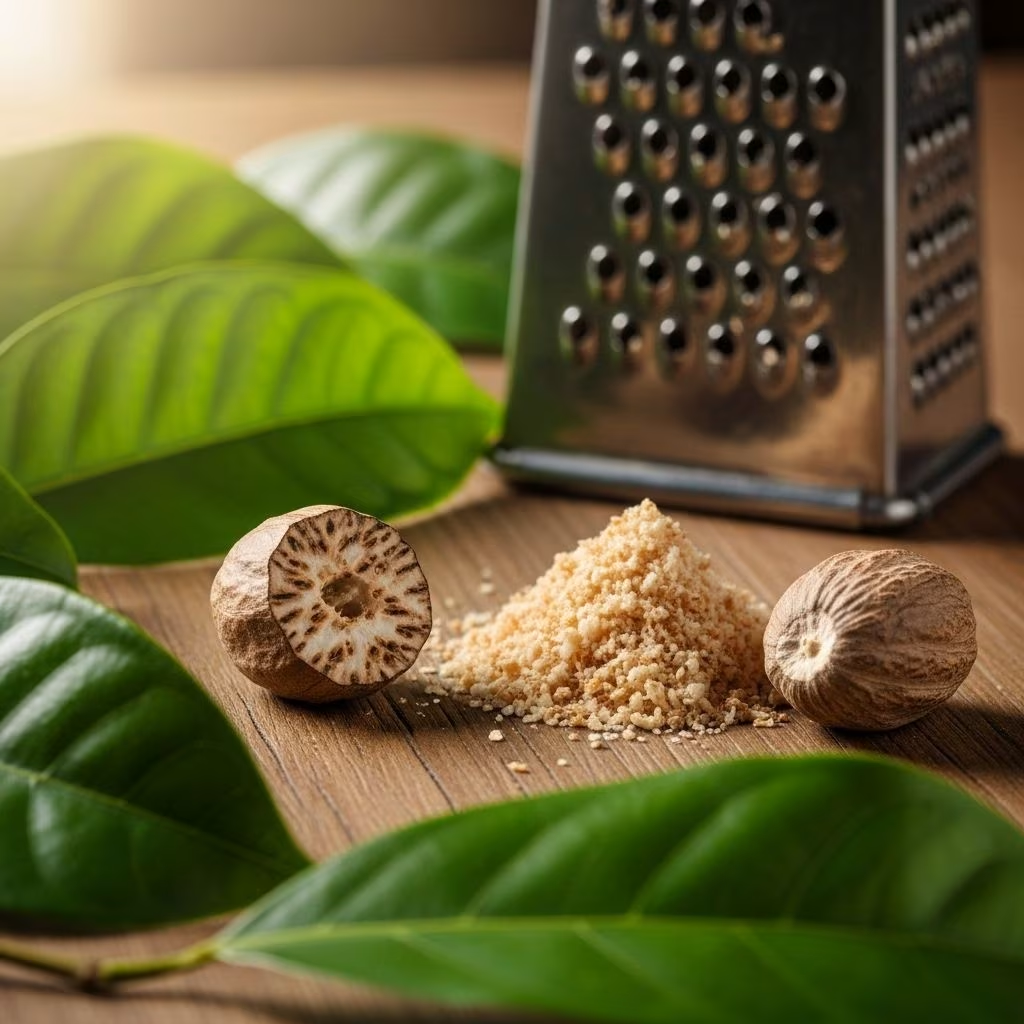
Nutmeg is a highly prized spice valued for its aromatic warmth, versatile flavor, and powerful medicinal properties. Derived from the seed of the evergreen tree Myristica fragrans, nutmeg has become a staple in global cuisines, especially in both sweet and savory dishes.
Nutmeg has a storied past full of intrigue, conflict, and trade, spanning ancient civilizations to modern markets. Today, it remains an essential ingredient in the kitchen and offers a range of health benefits.
Historical Significance and Origins
Origin and Early Use
Nutmeg originated on the Banda Islands, a part of Indonesia, known historically as the “Spice Islands.” For centuries, these remote islands were the world’s only source of nutmeg and its sister spice, mace.
The earliest evidence of nutmeg use dates back 3,500 years, as seen in pottery residues from the region.
Nutmeg spread via Austronesian maritime trade, reaching India, Rome, and eventually Europe by the Middle Ages.
Nutmeg in Ancient Trade and the Spice Wars
- Arab Traders: Controlled early trade and introduced nutmeg to Europe in the 6th century, shrouding its origins in mystery while selling it at high markup.
- European Demand: By the Middle Ages, nutmeg’s use soared. Its rarity made it a symbol of wealth; it was expensive, sometimes weighed against gold.
- Spice Wars: In the 17th century, the Dutch and English fought brutally for the Banda Islands to secure control over nutmeg production. The Dutch eventually monopolized the trade, influencing global politics and commerce for centuries.
Nutmeg’s rich history shaped international relations, fueled colonial expansion, and transformed global cuisines.
Botanical Description
- Common Name: Nutmeg
- Scientific Name: Myristica fragrans
- Family: Myristicaceae
- Other Names: Jaiphal (Hindi), Moscada (Spanish), Muskatnuss (German), Jatiphala (Sanskrit)
The Myristica fragrans tree is a tropical evergreen native to the Banda Islands. It produces a fruit containing a hard seed (nutmeg), covered by a red aril used to make another spice, mace. The nutmeg seed is egg-shaped; the outer covering yields mace when dried, whereas the inner kernel is ground to make nutmeg spice.
Major Producers Today: Indonesia and Grenada are now leading global producers of nutmeg, expanding its availability to international markets.
Health Benefits of Nutmeg
Nutmeg has long been esteemed for its medicinal value. Ancient civilizations attributed magical and healing properties to it. Modern research supports several uses, though it must be consumed in moderation.
- Anti-inflammatory Properties: Nutmeg contains compounds like myristicin, elemicin, and eugenol, which help reduce inflammation and pain.
- Antioxidant Effects: Rich in phenolic compounds, nutmeg scavenges harmful free radicals, protecting against cellular damage.
- Digestive Health: Traditionally used to relieve indigestion, bloating, and nausea.
- Oral Health: Nutmeg’s antibacterial properties benefit oral hygiene, fighting bad breath and gum infections.
- Brain Health: Some studies suggest nutmeg may improve mood and cognitive function owing to its stimulant and calming effects.
- Sleep Aid: Used as a natural remedy for insomnia due to its mild sedative qualities.
- Detoxification: Believed to support kidney and liver health by detoxifying the body.
Traditional Medicine Uses: Nutmeg has been a component of Ayurvedic, Chinese, and Western herbal practices for centuries—applied in remedies for pain, digestive troubles, and general wellness.
Culinary Uses Around the World
Nutmeg is a versatile spice central to both sweet and savory cuisines globally.
- Sweet Dishes: Used in pies, cakes, pastries, puddings, custards, and dessert sauces. Classic recipes include pumpkin pie, eggnog, and spice cakes.
- Warm Drinks: A favored addition to mulled wine, hot chocolate, chai, and coffee beverages, imparting distinct warmth.
- Savory Cooking: Enhances soups, stews, curries, pasta sauces, and roasted meats. Popular in spice blends like garam masala.
- Vegetables: Often added to mashed potatoes, spinach, and squash dishes to provide nuanced flavor.
- Regional Specialties:
- Europe: Used in béchamel sauce, potato gratin, breads, and charcuterie.
- Middle East & South Asia: Integral to curries, biryanis, and spice blends.
- Caribbean: Featured in jerk seasoning and rum punch.
- Other Uses: Traditional ingredient in perfumes and incense due to its musky aroma.
Cooking Tip: Freshly grated nutmeg provides the boldest flavor. Pre-ground nutmeg, while convenient, loses potency more quickly.
Nutmeg’s Taste Profile
| Attribute | Description |
|---|---|
| Aroma | Pungent, warm, musky, slightly sweet |
| Flavor | Sweet, nutty, earthy; hints of clove and pepper, a gentle bitterness |
| Texture | Powder (ground), coarse shavings (freshly grated) |
| Intensity | Can be strong—best used sparingly |
Nutmeg’s unique taste blends well with sweet and savory ingredients, imparting aromatic warmth and complexity to dishes.
How to Use Nutmeg in Cooking
- Whole Nutmeg: Grate directly into recipes for more robust flavor. Store in airtight containers, away from light.
- Powdered Nutmeg: Convenient for spice blends and quick-seasoning. Quality declines over time—use within months of opening.
- Classic Pairings: Dairy (milk, cream, cheese), eggs, apples, pumpkin, spinach, potatoes, meats.
- Spice Blends: Combine with cinnamon, cloves, allspice, and cardamom for spiced specialties.
- Pro Tip: Add nutmeg last in the cooking process to preserve its aroma.
Safety & Precautions
Nutmeg is generally safe when used in culinary amounts. However, excessive consumption of nutmeg (typically more than 2 teaspoons) can lead to serious side effects due to its naturally occurring compounds, including myristicin and safrole.
- Psychoactive Effects: Large doses may cause hallucinations, nausea, vomiting, and agitation.
- Toxicity: Seizures and organ damage may occur with significant overdosing.
- Guideline: Use sparingly—just a pinch or a dash suffices for most recipes.
- Pregnancy & Children: Consult a healthcare provider before significant use in sensitive populations.
Do not use nutmeg as a recreational drug—it can be dangerous in high quantities.
Frequently Asked Questions (FAQs)
What is the difference between nutmeg and mace?
Mace is the dried, red aril that surrounds the nutmeg seed; it has a lighter, subtler taste, while nutmeg brings a deeper, earthier warmth. Both originate from the same fruit of Myristica fragrans.
Why was nutmeg considered so valuable?
Nutmeg’s exclusivity to the Banda Islands and its multi-purpose uses made it rare, highly sought after, and expensive—often a luxury only for the elite in medieval Europe.
Can you grow nutmeg outside tropical regions?
Nutrmeg trees require hot, humid, tropical climates and nutritious soil. They do not thrive in temperate zones, which is why cultivation was limited for centuries until global expansion through colonial trade.
Is nutmeg safe for everyday use?
In culinary amounts (up to about 1/2 teaspoon per recipe), nutmeg is safe for adult consumption. Avoid excessive intake to prevent toxic effects. Children and pregnant women should use it cautiously.
Does nutmeg have medicinal benefits?
Nutmeg has traditional uses for pain relief, digestion, detoxification, and as a sleep aid. Some scientific studies support certain benefits, though more research is needed for conclusive evidence.
What dishes does nutmeg pair best with?
Nutmeg enhances dairy, eggs, potatoes, squash, meats, desserts, and beverages. It’s especially popular in baked goods, creamy sauces, warm drinks, and spice blends.
Conclusion
Nutmeg’s remarkable journey from a remote Indonesian island to global kitchens embodies the intersection of cultural history, culinary tradition, and natural medicine. Its rich aroma, distinctive taste, and versatile benefits continue to inspire cooks, health enthusiasts, and storytellers alike. Used thoughtfully, nutmeg remains a spice that delights the senses—and enriches the traditions of cuisines around the world.
References
- https://rawspicebar.com/blogs/spices-101/the-journey-of-nutmeg-from-ancient
- https://www.myspicer.com/history-of-nutmeg/
- https://www.thespicehouse.com/blogs/news/what-is-nutmeg
- https://en.wikipedia.org/wiki/Nutmeg
- https://www.mccormickscienceinstitute.com/resources/culinary-spices/herbs-spices/nutmeg
- https://www.britannica.com/topic/nutmeg
- https://unitproj.library.ucla.edu/biomed/spice/index.cfm?displayID=19
- https://www.youtube.com/watch?v=9mqerkFWjKU


