


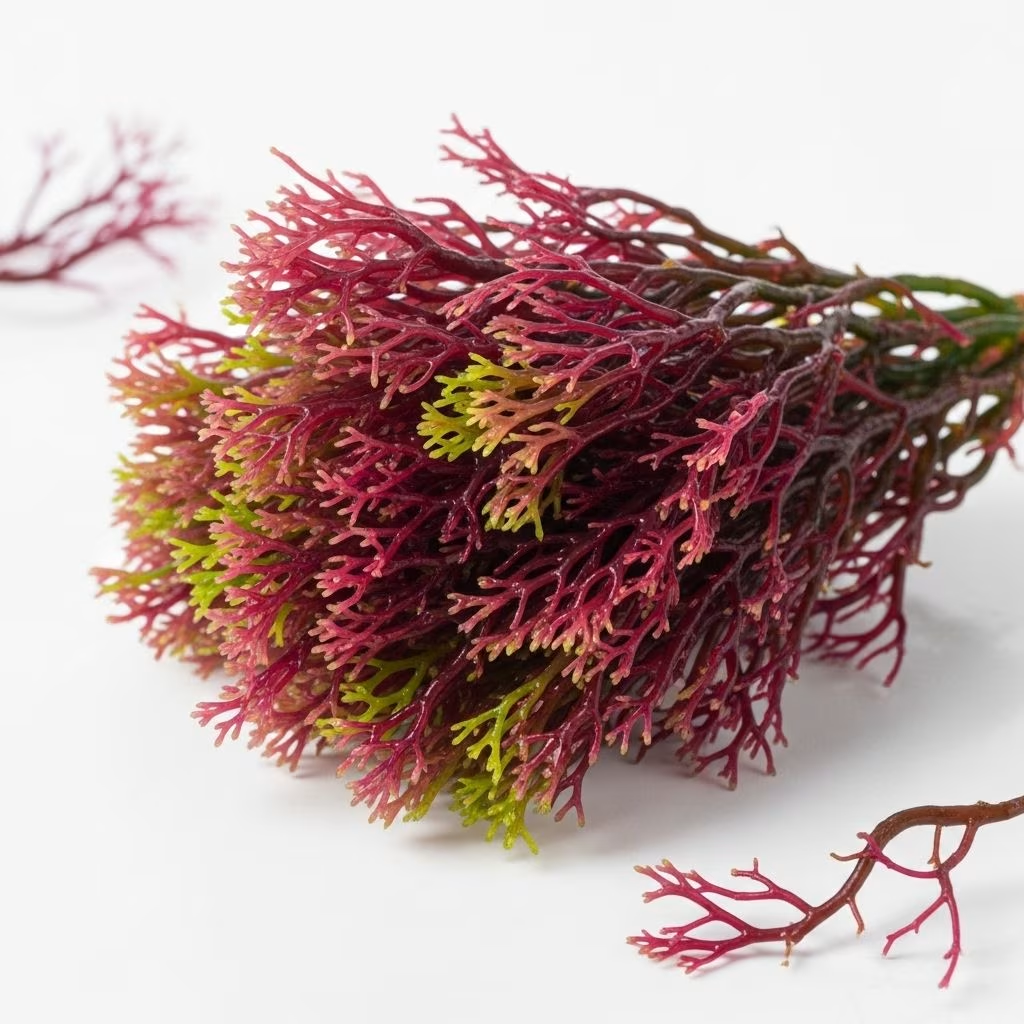
Sea moss, known in Japan as ogonori, is a type of red algae found in marine environments worldwide. Noted for its dense nutritional profile and distinctive culinary applications, ogonori has a storied history in both traditional medicine and modern wellness culture. As interest in functional foods and plant-based nutrition grows, understanding ogonori’s science-backed benefits, versatile uses, and sensory qualities has become more relevant than ever.
What is Ogonori (Sea Moss)?
Ogonori (also called sea moss or Irish moss) is a collective name for several species of red algae, most notably Chondrus crispus, Gelidium amansii, and similar varieties. These marine algae thrive along rocky coastlines in temperate zones, such as the Atlantic coasts of Europe and North America, as well as East Asian shores. The term sea moss may refer to various species, with Chondrus crispus being the most widely studied variety in Western literature.
- Scientific Names: Chondrus crispus, Gelidium amansii
- Other Common Names: Irish moss, ogonori (Japan), carrageenan moss, goémon blanc (France)
- Physical Features: Thin, fanlike fronds; tufted growth; range of colors from green-yellow to purple-brown
- Nutritional Use: Valued for minerals, proteins, dietary fibers, and unique bioactive compounds
Ogonori is traditionally harvested for both direct consumption and the extraction of hydrocolloids such as carrageenan, used as natural thickeners in food and industrial processes.
Nutritional Profile of Ogonori
Ogonori is considered a nutritional powerhouse among edible seaweeds, providing an impressive spectrum of vitamins, minerals, and bioactive substances:
| Nutrient | Typical Content | Key Functions in Diet |
|---|---|---|
| Dietary Fiber (Carrageenan) | ~55% dry weight | Supports digestive health; natural thickening agent |
| Protein | ~10% dry weight | Provides essential amino acids |
| Minerals | ~15% dry weight (Iodine, calcium, magnesium, potassium, zinc, sulfur) | Supports thyroid, bone, nerve, and electrolyte health |
| Vitamins | B2, B9 (folate), vitamin C, vitamin A | Energy metabolism, immune function, cell growth |
| Polysaccharides | (Carrageenan, agar) | Prebiotic effects; texture modifier |
Ogonori is notably rich in iodine, supporting thyroid function, and sulfur compounds, which may assist in cellular detoxification and metabolism.
Key Micronutrients in Ogonori
- Calcium: essential for strong bones and teeth
- Magnesium: important for muscle and nerve function
- Zinc: needed for immune response and skin health
- Potassium: maintains proper heart and muscle rhythms
- Iron & Folate: aids red blood cell formation and oxygen transport
Health Benefits of Ogonori
While many traditional claims abound, scientific research into ogonori is growing, especially regarding its biochemical composition and functional effects:
- Supports Thyroid Health: Due to its high iodine content, ogonori can help maintain healthy thyroid hormone levels and overall endocrine function.
- Enhances Digestive Wellness: Carrageenan and other polysaccharides act as prebiotics, fostering beneficial gut bacteria and improving stool regularity.
- Boosts Immune Function: Rich minerals and vitamins, such as vitamin C, zinc, and folate, support a robust immune system.
- May Promote Heart Health: Magnesium and potassium help regulate blood pressure and cardiovascular function.
- Potential Aphrodisiac Effects: In some cultures, ogonori is believed to enhance male libido, though research remains limited.
- Antioxidant and Anti-inflammatory Actions: Sulfur and vitamin C provide cellular protection from oxidative stress, supporting overall vitality.
- Hypothesized Anti-viral Properties: Carrageenan has been studied for its ability to inhibit viral entry, relevant in topical and oral formulations.
Many proponents also claim benefits for skin, hair, joint health, and weight management; however, robust clinical evidence is still emerging. As with most superfoods, ogonori is best appreciated as part of a balanced, varied diet.
Culinary and Industrial Uses
Ogonori’s unique texture and functional properties make it prized not only as a direct food ingredient but also for technological applications in the food and healthcare industries:
- Traditional Cuisine: Used in salads, soups, sushi rolls, and beverages. In Japan and the Philippines, ogonori is a mainstay in cold seaweed salads, adding crunch and marine flavor.
- Sea Moss Gel: Blended into a puree or gel form for smoothies, desserts, or consumed as a supplement.
- Carrageenan Extraction: Processed into a hydrocolloid, carrageenan thickens and stabilizes dairy products, plant milk, jellies, ice cream, and sauces.
- Functional Foods and Drinks: Incorporated into health drinks, puddings, and protein bars as a nutrient-rich additive.
- Industrial Applications: Used in toothpaste, cosmetics, shoe polish, and in some infant formulas due to its gelling and stabilizing properties.
Popular Recipes Featuring Ogonori
- Japanese Seaweed Salad: Ogonori is blanched and served with soy sauce, sesame oil, vinegar, and chili for a crisp, mineral-rich appetizer.
- Caribbean Sea Moss Drink: Sea moss is simmered, blended, and flavored with nutmeg, condensed milk, and honey for a traditional tonic.
- Vegan Pudding: Sea moss gel provides body and texture to plant-based desserts.
Taste and Texture
Ogonori’s flavor profile is often described as mildly oceanic, with hints of brine and mineral sweetness. When fresh or blanched, it is soft, slippery, and cartilaginous—offering a chewy yet delicate mouthfeel that contrasts with leafy seaweeds or nori.
- Raw or Lightly Cooked: Distinct marine flavor; soft crunch
- Gel or Pureed Form: Neutral taste, reminiscent of clams or oysters; easily blends into sweet or savory recipes
- Cooked Dishes: Absorbs aromas of seasonings, enhancing soups, broths, and salads
Overall, ogonori is valued less for its flavor intensity and more for its texture, consistency, and ability to carry other flavors.
Safety Considerations & Side Effects
While ogonori is widely regarded as safe in food applications, there are important considerations:
- Iodine Excess: Given its high iodine content, excessive intake may affect thyroid function, especially for people with thyroid disorders.
- Digestive Tolerance: Large amounts of carrageenan may cause gastrointestinal upset (bloating, gas) in sensitive individuals.
- Heavy Metal Contamination: Like all seaweeds, ogonori can absorb metals from polluted waters; sourcing from reputable suppliers is essential.
- Allergic Reactions: Rare, but possible among those with seaweed allergies.
Ogonori vs Other Seaweeds
| Type | Common Names | Texture & Taste | Key Nutrients | Main Uses |
|---|---|---|---|---|
| Ogonori (Sea Moss) | Irish moss, ogonori | Cartilaginous, soft Mild briny flavor | Iodine, sulfur, carrageenan, protein, minerals | Salads, gels, thickener, drinks |
| Nori | Sushi seaweed | Thin sheets, crispy Umami-salty flavor | Vitamin C, Omega-3, protein | Sushi wraps, snacks |
| Kombu | Kelp | Tough, gummy Strong umami | Iodine, calcium, glutamic acid | Dashi broth, braised dishes |
| Wakame | Brown seaweed | Slippery, delicate Mild-sweet flavor | Fucoxanthin, calcium, fiber | Soups, salads |
Frequently Asked Questions
Is ogonori the same as Irish moss?
Yes, ogonori generally refers to the same group of red algae as Irish moss (Chondrus crispus), with some regional and species-specific variation.
How is sea moss (ogonori) prepared for eating?
It is rinsed to remove sand, briefly blanched, then eaten raw in salads or simmered into gels. Dry sea moss can be rehydrated for use in recipes.
Does sea moss interfere with any medications?
No major interactions are known, but consult with a healthcare provider before use, especially if you are on thyroid medications or have allergies to seaweed components.
Can ogonori/sea moss help with weight management?
Its high fiber content may promote satiety and regular digestion, though specific weight-loss effects have not been robustly proven.
Should pregnant or breastfeeding women consume ogonori?
Generally safe in moderation, but always consult a physician to avoid excessive iodine or potential contaminants.
References
- Chondrus crispus – Wikipedia
- WebMD – Health Benefits of Sea Moss
- Consensus – Carrageenan Moss, Chondrus crispus, Goémon blanc
References
- https://en.wikipedia.org/wiki/Chondrus_crispus
- https://www.webmd.com/diet/health-benefits-sea-moss
- https://consensus.app/home/blog/what-is-sea-moss-other-names-carrageenan-moss-chondrus-crispus-goemon-blanc/
- https://agri.ohio.gov/divisions/food-safety/resources/sea-moss
- https://en.wikipedia.org/wiki/Gracilaria
- https://bioseahealth.com/sp_faq/pacific-sea-moss-species/
- https://honestseamoss.com/blogs/health-blog/what-is-sea-moss
- https://www.medicalnewstoday.com/articles/sea-moss
- https://blog.mountainroseherbs.com/irish-sea-moss-benefits-and-sea-moss-gel-recipe


