


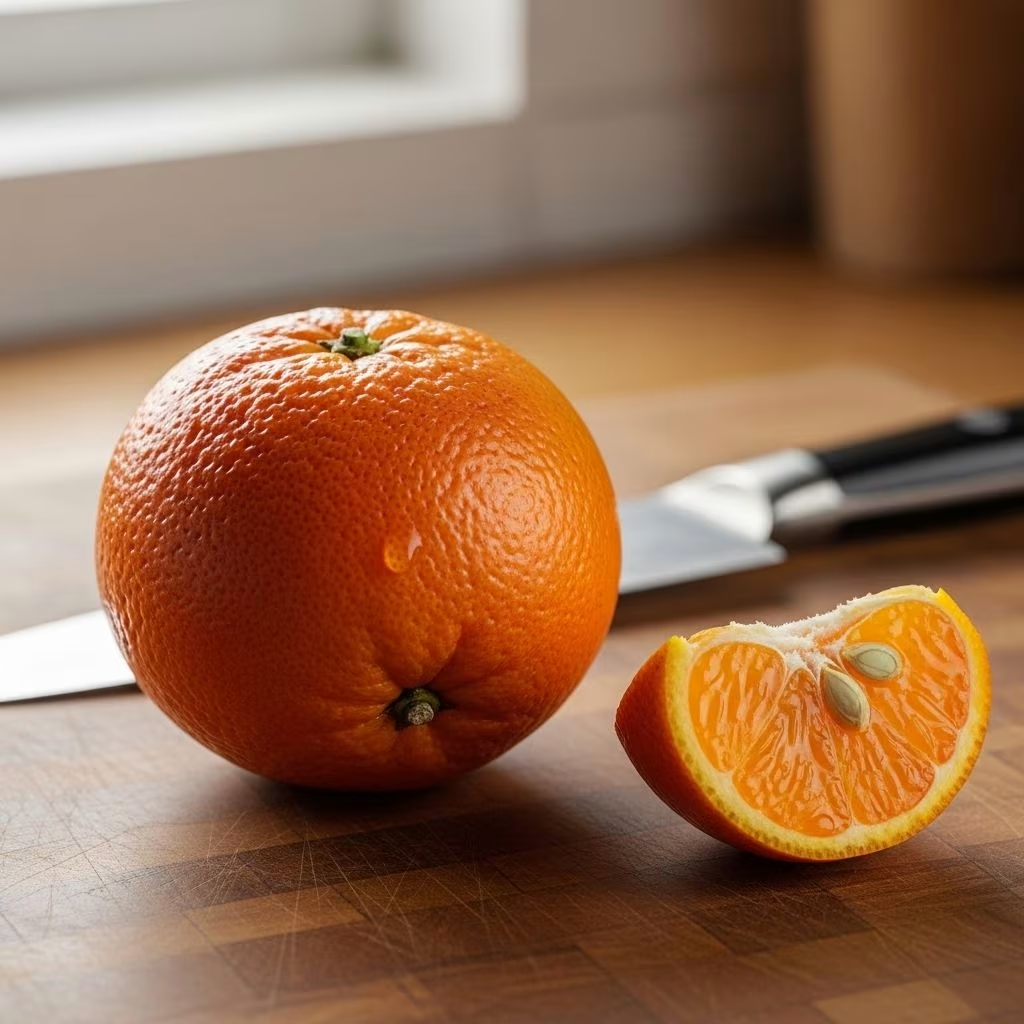
Ortanique is a remarkable fruit that stands at the intersection of sweet oranges and tangerines—a hybrid citrus that brings together the best qualities of both fruits in terms of flavor, nutritional value, and versatility. Its intriguing name, distinctive taste, and Caribbean origins have made Ortanique a prized, though sometimes overlooked, addition to the world of citrus.
Overview: What Is Ortanique?
Ortanique is a natural hybrid citrus fruit, often classified as a tangor—a cross between a tangerine (Citrus reticulata) and a sweet orange (Citrus sinensis). It combines the intense aroma and tanginess of the tangerine with the sweetness and juiciness of an orange, resulting in a fruit with a unique flavor profile. Discovered in Jamaica in the early 20th century, Ortanique reflects the vibrant agricultural history of the Caribbean and is now cultivated in select citrus regions worldwide.
Origin and Botanical Background
- Origin: Discovered in Jamaica as a chance seedling around 1920 by C.P. Jackson and later named by H.H. Cousins.
- Botanical Name: Citrus reticulata × sinensis (Tangor)
- Genetic Parentage: Natural hybrid between a sweet orange and a tangerine.
- Name Etymology: “Or-” from orange, “tan-” from tangerine, and “-ique” from unique.
The Ortanique was initially grown and popularized in Jamaica and subsequently gained international recognition thanks to its quality and adaptability. Small shipments to Canada and the United Kingdom in the 1960s met favorable reception, leading to its spread to countries such as Spain, Israel, and some Mediterranean regions.
Physical Characteristics
- Size & Shape: Medium to large, typically conical or obovate (rounded base, slightly flattened apex).
- Color: Bright orange to yellow-orange at full ripeness.
- Skin: Thin, smooth, and glossy but tough and tightly adherent to the flesh, making peeling more laborious than with easy-peeler mandarins.
- Flesh: Rich orange color, juicy, tender, and segmental (about 10–12 segments per fruit).
- Seeds: Often seedless in some environments, though cross-pollinated fruit may contain seeds.
The attractive appearance and distinctive structure of the fruit are among its signature traits. The fruit is often larger than regular mandarins and can weigh anywhere from 120–180 grams (4.2–6.3 oz).
Taste Profile of Ortanique
What sets Ortanique apart is its exceptional flavor:
- Sweetness: High sugar content; typically very sweet but balanced with acidity, giving a tangy edge.
- Acidity: Moderate to high, which enhances overall freshness and makes the flavor profile more complex.
- Aroma: Strong and pleasant citrus scent, reminiscent of both oranges and tangerines.
- Juiciness: Extremely juicy, making it ideal for both eating fresh and juicing.
- Texture: Tender and melting flesh, though surrounded by a comparatively tough rind.
The balance of sugars and acids makes Ortanique a favorite among those who appreciate citrus with a punch of flavor rather than just sweetness. Its taste is often described as “rich,” “distinctive,” and “refreshing.” The fruit can retain this flavor for an extended period as it hangs on the tree late into the season.
Nutritional Value and Health Benefits
Like other citrus fruits, Ortanique provides a wealth of nutrients and beneficial plant compounds:
- Vitamin C: An excellent source, helping to support immune function, collagen production, and antioxidant defenses.
- Dietary Fiber: Contains fiber, especially in the fruit’s membranes, aiding in digestive health and helping control cholesterol.
- Antioxidants: Contains flavonoids and carotenoids, which are plant antioxidants associated with reduced inflammation and chronic disease risk.
- Potassium: Contributes to heart health and regulation of blood pressure.
- Low Calories: Naturally low in calories, fat, and sodium, making it an ideal fruit for most diets.
Consuming Ortanique regularly can contribute to:
- Boosted immunity and resistance to illness (thanks to high vitamin C content).
- Improved digestion and gut health due to fiber.
- Lowered risk of heart disease by supporting cholesterol regulation and providing antioxidants.
- Hydration because of its high water and juice content.
Culinary and Practical Uses
Ortanique shines in a variety of culinary and practical applications, both sweet and savory:
- Fresh Eating: Enjoyed raw as a snack or dessert fruit for its juiciness and flavor.
- Salads: Adds a burst of citrusy brightness to green, fruit, or grain salads.
- Sweets and Baking: Used in cakes, tarts, marmalades, curds, and citrus-centric desserts; Ortanique segments or juice can uniquely complement baked goods.
- Drinks: Its juice is ideal in cocktails, mocktails, and refreshing beverages. It combines well with rum or gin and pairs easily with tropical flavors.
- Jams and Jellies: The flavor and acidity make it suitable for homemade jams, preserves, and syrups.
- Sauces and Dressings: The juice and zest can enhance vinaigrettes, glazes for meats, or seafood dishes.
Its tangy-sweet profile and aromatic juice often inspire chefs and home cooks to use it anywhere oranges or tangerines are called for—though its tougher skin demands a bit more preparation.
Cultivation and Availability
Ortanique trees are moderately vigorous and generally well-suited to different soils and climates, provided certain conditions are met:
- Preferred Climates: Grows best in tropical to subtropical regions; Jamaica remains a prime cultivation area.
- Soil Requirements: Thrives on shallow bauxitic soils at higher elevations (2,000–3,000 feet), but adapts to clay and alluvial soils.
- Optimal Rainfall: 55–60 inches per year with distinct wet months.
- Sensitivity: More sensitive to excess wetness (which thins rind and encourages premature fruit drop) but withstands heat and dry spells well.
- Fruiting Season: Typically harvested late in the citrus season, February through April in many regions.
- Commercial Availability: Grown primarily in Jamaica, but also in Spain, Israel, and some Mediterranean locations; available sporadically in specialty fruit markets and supermarkets worldwide.
Adaptability and low maintenance make Ortanique a suitable candidate for hobbyists and commercial growers alike, provided its soil and moisture needs are addressed.
Ortanique vs. Other Citrus Fruits
| Aspect | Ortanique | Mandarin | Sweet Orange |
|---|---|---|---|
| Hybrid Origin | Orange x Tangerine | Pure species | Pure species |
| Skin | Thin, tough, tight | Thin, loose (easy-peeler) | Thick but easy to peel |
| Flavor | Sweet, tangy, rich | Sweet, mild | Sweet, less tangy |
| Season | Late (Feb–Apr) | Winter | Winter to spring |
| Juiciness | Very juicy | Juicy | Juicy |
This table illustrates that while Ortanique borrows qualities from both of its parent species, its flavor, seasonality, and tough skin set it apart from conventional mandarins and oranges.
Popular Recipes Featuring Ortanique
Ortanique’s versatility is well-illustrated by its use in both traditional and creative recipes. Here are some classic and culinary uses:
- Ortanique & Guava Jelly Cake: Cakes incorporating Ortanique juice/zest and guava jelly are a classic Jamaican dessert. The juice adds moisture and brightness to the sponge, while guava jelly and rum deliver tropical depth.
- Citrus Marmalade: The perfect balance of sweet and tangy makes Ortanique an excellent candidate for gourmet marmalades or jams.
- Fresh Fruit Salads: Easily pairs with other tropical fruits (pineapple, mango, banana) as well as with apples and pears for a bright, zesty salad.
- Ortanique Glazed Chicken: Mix juice with honey or demarara sugar and spices for a glaze on roast or grilled chicken.
- Cocktails and Mocktails: The juice is ideal in mojitos, citrus spritzers, or as an addition to fruit punches.
Sample Recipe: Ortanique-Guava Cake
- Cream together butter, zest, and sugar until fluffy. Beat in eggs.
- Add flour and baking powder, then combine with remaining ingredients (including Ortanique juice and guava jelly).
- Bake in prepared pans, then infuse with a mixture of Ortanique juice, guava jelly, and Jamaican rum.
- Finish with whipped cream and Ortanique segments for garnish.
Frequently Asked Questions (FAQs)
Q: Is Ortanique a genetically modified fruit?
No, Ortanique is a natural hybrid, discovered as a chance seedling in Jamaica; it is not genetically engineered.
Q: How should Ortanique be stored?
Store Ortanique in a cool, dry place or refrigerate to prolong freshness. Its tough skin helps extend storage.
Q: Is Ortanique suitable for juicing?
Yes—its high juice content, vibrant flavor, and balanced acidity make it popular for fresh citrus juice.
Q: Why is Ortanique sometimes hard to peel?
Unlike clementines or mandarins, Ortanique has a tough, tightly-adhering skin. Use a sharp knife to cut and segment more easily.
Q: Are there any allergens to worry about?
Nothing beyond usual citrus sensitivities or allergies. Always check if you have known reactions to other citrus fruits.
Q: Where can I buy Ortanique?
Look for Ortanique in international or specialty produce markets, especially during late winter to early spring. Availability may be limited in some regions.
Conclusion
Ortanique is a unique citrus hybrid that encapsulates the vibrancy of Jamaican agriculture and the complex flavors sought by fruit lovers. Its nutritional benefits, rich taste, and flexibility in the kitchen make it an excellent addition to healthy diets and creative recipes alike. Though less common than mainstream citrus, its growing popularity ensures Ortanique secures a place in the hearts (and kitchens) of adventurous fruit enthusiasts and chefs across the globe.
References
- https://www.fruitsinfo.com/ortanique-hybrid-fruits.php
- https://goodfruitguide.co.uk/product/ortanique-mandor-tambor/
- https://citrusvariety.ucr.edu/crc3368
- https://idtools.org/citrus_id/index.cfm?packageID=1179&entityID=8730
- https://www.alsfamilyfarms.com/shop/ortaniques
- https://www.cabidigitallibrary.org/doi/full/10.5555/19681406762
- https://copalca.com/en/products/ortanique/
- https://en.wikipedia.org/wiki/Tangor


