


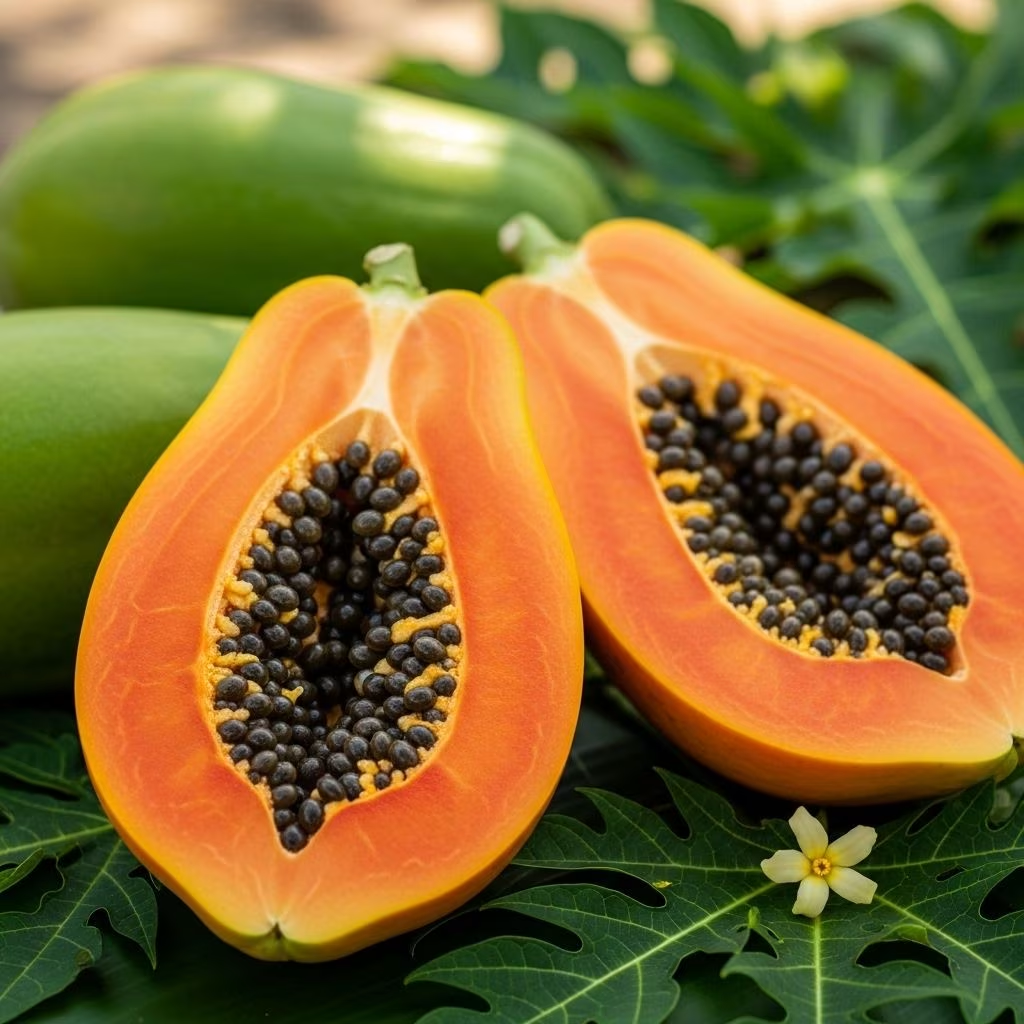
Papaya is a vibrant tropical fruit renowned for its nutritional richness, distinctive flavor, and versatility both in culinary and traditional medicine. This comprehensive guide explores everything you need to know about papaya: from its fascinating origins and varieties to its profound health benefits, practical uses, and unique taste profile.
Introduction and History of Papaya
The papaya (Carica papaya), also known as pawpaw in some regions, is a tropical fruit native to Central America and southern Mexico. Indigenous peoples originally used papaya as both a food source and traditional remedy. Spanish and Portuguese explorers brought papaya seeds to other tropical regions including India, the Philippines, and areas in Africa and Oceania. Today, papaya is cultivated in many parts of the world with warm climates, such as Hawaii, Australia, Southeast Asia, and across Central and South America.
Botanical Characteristics and Cultivation
Papaya plants can reach up to 8 meters tall with thick trunks (up to 40 cm at the base). Their broad, deeply lobed leaves can be up to 1 meter long. Papaya fruit is typically oval or pear-shaped, measuring 15–50 cm in length and up to 20 cm in diameter, with some fruits weighing up to 9 kg.
- Papaya trees come in three types:
- Female trees: Bear fruit when pollinated by a male tree.
- Male trees: Do not produce fruit but are necessary for pollination.
- Hermaphrodite trees: Contain both male and female flowers and can self-pollinate. Most commercial papayas come from hermaphrodite trees.
Papaya grows best in tropical and subtropical climates with ample rainfall and warmth. Common propagation methods include growing from seeds collected from ripe, healthy fruits. Proper care, including sunlight, selective thinning of seedlings, and mild, frequent fertilization, is essential.
Types & Varieties of Papaya
There are numerous papaya varieties, differing in size, color, and taste. The flesh can range from salmon-pink to canary yellow or bright orange, while the fruit’s exterior turns from green to yellow or orange as it ripens.
- Hawaiian (Solo) Papayas: Small to medium sized, pear-shaped, with yellow skin and orange or pinkish flesh. Generally sweet with a delicate aroma.
- Mexican Papayas: Larger than Hawaiian types, can weigh several kilograms. Usually less sweet but very aromatic, with yellow or orange flesh.
- Green Papayas: Refers both to unripe papayas and special varieties bred for their crisp, firm texture when underripe.
Under the thin skin lies juicy seed cavity containing dozens of shiny black seeds—the contrast is visually striking and adds to papaya’s tropical appeal.
Nutritional Profile of Papaya
Papaya is a low-calorie, nutrient-packed fruit that offers a wealth of minerals, vitamins, and beneficial plant compounds. Just one cup (about 140g) of ripe papaya provides:
- Calories: ~60 kcal
- Carbohydrates: 15 g (mostly natural sugars and dietary fiber)
- Protein: 0.6 g
- Fat: 0.4 g (negligible)
- Vitamin C: Over 90% of the Daily Value (DV)
- Vitamin A (as beta-carotene): ~30% DV
- Folate (Vitamin B9): 13% DV
- Potassium: 10% DV
- Calcium, Magnesium, and small amounts of Vitamin E, Vitamin K, and B vitamins.
- Papain: A unique enzyme with protein-digesting properties, especially high in unripe papaya.
Papaya is also rich in antioxidants like lypocene, flavonoids, and carotenoids, which offer additional health-protective benefits.
Health Benefits of Papaya
The health benefits of papaya are extensive, driven by its abundant nutrients, enzymes, and antioxidants. Some of the main benefits include:
- Supports Digestive Health: Papain—a protein-digesting enzyme—can help relieve indigestion and bloating. The fiber content also fuels gut health.
- Boosts Immunity: High vitamin C levels strengthen the immune system and help protect against illness.
- Promotes Eye Health: Rich in vitamin A, lutein, and zeaxanthin, papaya helps protect vision and prevent macular degeneration.
- May Reduce Inflammation: Antioxidants in papaya help reduce oxidative stress and inflammation, promoting heart and cellular health.
- Enhances Skin Health: Vitamin C and A support collagen production, wound healing, and skin repair. Papaya extracts are sometimes used in topical products for their exfoliating and brightening effects.
- May Support Heart Health: Antioxidants combined with potassium and fiber can help reduce risk factors for cardiovascular disease.
- Helps Maintain Healthy Weight: Low calorie content alongside fiber makes papaya a satisfying, weight-friendly food.
- Potential Anti-Cancer Properties: Early research suggests that papaya’s antioxidants, particularly lycopene and beta carotene, may help reduce certain cancer risks, although more studies are needed.
Culinary Uses of Papaya
Every part of the papaya plant—ripe fruit, unripe fruit, seeds, and even flowers—has culinary uses around the world.
- Ripe Papaya Flesh: Eaten fresh as a snack or in fruit salads, salsas, smoothies, juices, and desserts. Sometimes served with lime, salt, or chili for enhanced flavor.
- Green (Unripe) Papaya: Used as a crunchy, slightly tangy vegetable. Common in Southeast Asian cuisine—especially Thai green papaya salad (som tam), curries, and stir-fries. The high papain content makes it a natural meat tenderizer.
- Papaya Seeds: Edible in moderation, with a peppery, slightly bitter flavor. Can be eaten fresh or dried and crushed as a spice or pepper substitute.
- Papaya Flowers: Occasionally used in Asian and Pacific Islander dishes, sautéed or boiled to soften their mildly bitter flavor.
Papaya is also made into jams, jellies, ice cream, sorbets, and dried fruit snacks. Its tenderizing properties make it ideal for marinating meat or incorporating into savory dishes.
How to Select, Store, and Prepare Papaya
Proper selection and handling ensures the best flavor and texture:
- Ripeness: Look for papayas with smooth skin transitioning from green to yellow; ripe fruit yields gently to pressure and smells fragrant.
- Storing: Unripe (green) papayas ripen at room temperature over several days. Ripe papayas should be refrigerated and eaten within a few days. Avoid fruits with soft spots or bruises.
- Preparation: Wash the skin, then peel and scoop out the seeds (which are edible if desired). Slice or cube the flesh for use in recipes.
To freeze papaya, cut it into cubes or puree it, but note that the texture will soften after thawing, so it is best suited for smoothies or recipes rather than fresh eating.
Taste and Texture of Papaya
Ripe papaya is notable for its lightly sweet, juicy flesh with a subtle musky aroma and low acidity. The taste is often described as a cross between mango and cantaloupe, sometimes with a faint floral note. A squeeze of lemon or lime juice is commonly added to intensify its flavor and mask any musky aftertaste.
- The texture of ripe papaya is soft, creamy, and smooth, blending easily in smoothies and purees.
- Papaya seeds have a sharp, peppery taste and crunchy texture.
- Green papaya has a mild flavor and crisp texture, making it ideal for salads and savory dishes.
Varietal differences and ripeness significantly affect taste and color—the more ripe, the sweeter and softer the flesh.
Papaya in Traditional Medicine and Culture
Papaya’s therapeutic use dates back centuries among indigenous Central American and Pacific Island cultures. Traditional medicinal uses include:
- Using seeds as a digestive aid and antimicrobial agent
- Green papaya latex to tenderize meat and treat wounds (topically)
- Papaya pulp or leaves for soothing digestive disorders
Modern research supports some of these uses, particularly papain’s role in aiding digestion. In many cultures, papaya is also a ceremonial or festive food.
Potential Side Effects and Allergies
While papaya is safe for most people, there are a few considerations:
- Latex allergy: Unripe papaya contains latex, which can trigger allergic reactions in some individuals, especially those with latex sensitivity.
- Seed consumption: Papaya seeds are safe in small amounts but may be toxic in excess, especially to children and pregnant women.
- Papain supplements: High doses may interact with certain medications or cause digestive upset; consult a healthcare professional before using papaya-based supplements regularly.
Frequently Asked Questions (FAQs)
Q: Can you eat papaya seeds?
A: Yes, papaya seeds are edible in moderation and have a spicy, peppery flavor. They can be eaten fresh, dried, or ground up and used as a pepper substitute.
Q: What’s the difference between green papaya and ripe papaya?
A: Green papaya is simply unripe papaya; it has firm, bland, mildly astringent flesh perfect for salads and savory dishes. Ripe papaya is soft, juicy, sweet, and usually eaten raw as a fruit.
Q: How do I know when a papaya is ready to eat?
A: A ripe papaya will be mostly yellow or orange, yield to gentle pressure, and have a pleasant tropical aroma. Avoid fruit with dark or mushy spots.
Q: What are the main nutrients in papaya?
A: Papaya is richest in vitamin C, vitamin A (as beta-carotene), fiber, and the enzyme papain, along with small amounts of B vitamins and potassium.
Q: Are there any precautions with eating papaya?
A: People with latex allergies should avoid unripe papaya. Papaya seeds should only be eaten in moderation. Pregnant women should avoid consuming large amounts of unripe papaya or papain supplements.
Conclusion
Papaya is far more than a sweet tropical fruit: it is a nutritional powerhouse, an ancient medicinal plant, and a versatile ingredient adaptable to a vast range of dishes. Its health-promoting properties, delicious taste, and global popularity make papaya a fruit worth including in your diet, whether eaten fresh, sipped in smoothies, or used in creative culinary applications.
References
- https://sustainableholly.com/how-to-grow-papaya-the-ultimate-garden-to-plate-guide/
- https://theveganatlas.com/a-guide-to-papaya-varieties-tips-and-recipes/
- https://growplant.org/blog/papaya-life-cycle/
- https://manoa.hawaii.edu/ctahr/pacificfoodguide/index.php/grown-from-the-ground/papaya/
- https://www.forksoverknives.com/how-tos/finding-perfectly-ripe-papaya-plus-green-papaya-advice/
- https://blog.plantwise.org/2024/04/03/common-papaya-disorders-a-comprehensive-guide/
- https://blog.bostonorganics.com/the-basic-guide-to-papayas/
- https://www.medicalnewstoday.com/articles/275517


