


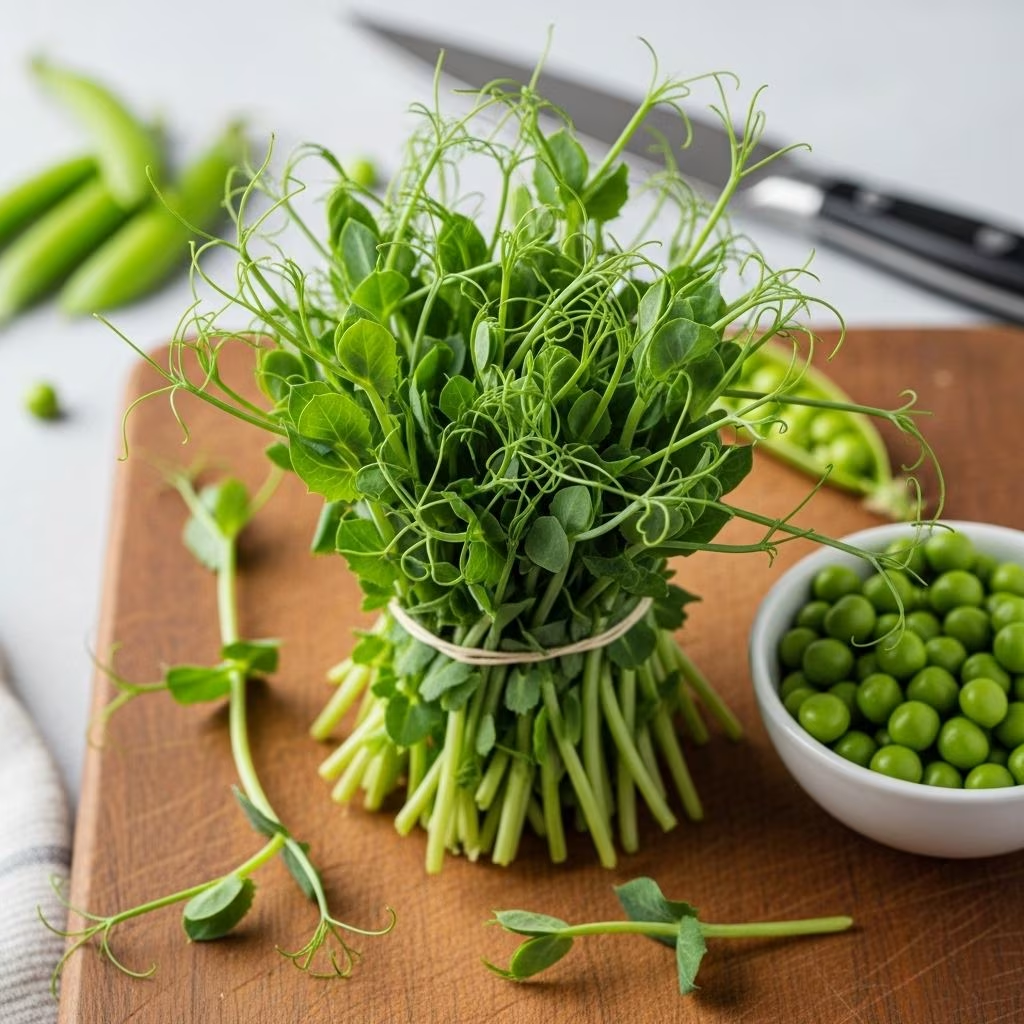
Pea Shoots: Nutrition, Health Benefits, Culinary Uses, and Taste Explained
Pea shoots, the tender green leaves and stems of young pea plants, are quickly gaining popularity among health-conscious consumers and chefs alike. Praised for their nutritional density, delicate flavor, and culinary versatility, pea shoots offer a wealth of nutritional and culinary advantages. This comprehensive guide explores what pea shoots are, their nutritional benefits, uses in cooking, taste profile, and other essential insights.
What Are Pea Shoots?
Pea shoots refer to the young, tender stems, leaves, and curly tendrils of the pea plant harvested before the plant matures and produces pods. Most commonly, they are taken from snow peas or snap peas, though garden peas are also used for producing shoots. Unlike mature peas, these greens are prized for their fresh, delicate flavor and crunchy texture. In Asian cuisine, they are often called “dou miao” and feature prominently in stir-fries and salads.
- Parts consumed: Tender leaves, stems, and curly tendrils
- Harvest period: Early growth stage, before pods form
- Common varieties: Snow peas, snap peas, garden peas
- Culinary term: Often labeled as microgreens for their early, nutrient-rich stage
Pea Shoots Nutritional Profile
Pea shoots distinguish themselves by being low in calories and carbohydrates but high in protein and fiber compared to other leafy greens. They are packed with essential vitamins, minerals, and antioxidants, making them a valuable addition to a balanced diet.
| Component | Amount | % Daily Value (Approx.) |
|---|---|---|
| Calories | 40 | 2% |
| Protein | 3-4g | 7-8% |
| Fiber | 3g | 12% |
| Carbohydrates | 5-8g | 2-3% |
| Fat | 0g | 0% |
| Vitamin A | 340 mcg | 43% |
| Vitamin C | 79 mg | 44-76% |
| Vitamin K | 280 mcg | 267-380% |
| Folate (B9) | Approx. 90 mcg | 22% |
| Iron | 1.7 mg | 10-18% |
| Magnesium | ~30 mg | 8% |
| Manganese | 0.75 mg | 37-48% |
- Rich in antioxidants: Contains carotenoids (beta carotene), lutein, zeaxanthin, vitamin C, and vitamin E.
- Excellent source of vitamin K: 267-380% daily value, crucial for bone health and blood clotting.
- High folate content: About eight times more than bean sprouts, vital for cell growth and DNA protection.
- Good iron and manganese levels: Supports red blood cell production and metabolic function.
Summary of Key Nutrients
- Vitamin A (antioxidant, vision, cell growth)
- Vitamin C (immune system, collagen production)
- Vitamin K (bone strength, blood clotting)
- Folate B9 (cell division, DNA synthesis)
- Iron (blood oxygen transport)
- Magnesium (nerve, muscle, bone health)
- Manganese (metabolism, bone development)
Health Benefits of Pea Shoots
Pea shoots provide a diverse array of health-enhancing properties due to their nutrient profile and phytonutrient content:
- Anti-inflammatory effects: Contains antioxidants (vitamin C, carotenoids, manganese) that help reduce inflammation and enhance immune function.
- Cancer-fighting potential: Carotenoids and other antioxidants help prevent cellular damage that can lead to certain cancers.
- Bone strength and density: Extremely high vitamin K levels support calcium metabolism and bone formation.
- Improved vision and eye health: Lutein and zeaxanthin contribute to eye protection and reduce the risk of age-related macular degeneration.
- Healthy pregnancy and cell development: Folate and B vitamins are critical for fetal development and cell division.
- Blood circulation and healing: Vitamin C and iron enhance wound healing, oxygen transport, and support the cardiovascular system.
- Weight management: Low in calories and fat, yet filling due to fiber and protein, pea shoots make excellent additions to diets focused on weight control.
- Keto-friendly and diabetes-friendly: Minimal carbohydrates and sugars make pea shoots suitable for low-carb and ketogenic diets.
Culinary Uses and Preparation
Pea shoots are enjoyed worldwide for their flexibility in a range of culinary preparations. Their mild flavor and tender crispness make them ideal for a wide assortment of dishes.
Popular Ways to Use Pea Shoots
- Salads: Use raw as the green base or as a garnish for added nutrition and freshness.
- Sandwiches and wraps: Layer shoots for a crunchy, fresh, and sweet flavor profile.
- Stir-fries: Quick frying in oil, garlic, and ginger enhances flavor and preserves nutrients. Common in Chinese, Thai, and Vietnamese cuisine.
- Soups: Added just before serving for a burst of green and delicate texture.
- Egg dishes: Omelettes, scrambled eggs, frittatas can be brightened up with pea shoots.
- Smoothies: Blended for an antioxidant-rich, refreshing drink.
- Garnishes: Used in fine dining to provide color and a finishing touch.
Because their flavor is gentle and sweet, pea shoots pair well with a variety of ingredients including citrus, eggs, nuts, and whole grains.
Simple Pea Shoots Stir-Fry Recipe
- Heat a tablespoon of oil in a pan or wok over high heat.
- Add 2–3 cups of cleaned pea shoots.
- Stir rapidly for 1–2 minutes until wilted but still bright green.
- Add salt, pepper, garlic, or soy sauce to taste.
- Serve immediately as a side or over rice/noodles.
Taste and Texture of Pea Shoots
Pea shoots are celebrated for their sweet, mild, and slightly grassy flavor reminiscent of fresh peas. Their texture is a distinctive combination of softness, crunch, and juiciness. The taste profile makes them an attractive addition to salads, sandwiches, and stir-fries.
- Flavor notes: Sweetness of fresh garden peas, slight earthiness, hint of grassy undertones
- Texture: Tender yet crisp, with a juicy bite and delicate stems
- Variety nuances: Snow pea shoots tend to be slightly sweeter, while garden pea shoots have more pronounced grassy notes
Growing Pea Shoots at Home
Pea shoots are straightforward to cultivate indoors or outdoors and can even be grown as microgreens on a windowsill. This makes them an accessible option for anyone interested in fresh greens.
- Start with organic pea seeds (snow or snap pea varieties are preferred).
- Use a shallow tray or pot filled with moist potting mix or soil.
- Scatter seeds and lightly cover with soil.
- Keep in a well-lit area and maintain moisture but avoid waterlogging.
- Harvest once shoots reach 3–6 inches tall, typically 2–3 weeks after planting.
- Cut above the soil line to encourage regrowth for a second harvest.
This home-growing process ensures access to the freshest, pesticide-free pea shoots year-round.
Tips for Storage and Selection
For maximum freshness and nutrient retention, purchase or harvest pea shoots that look vibrant and crisp, with no wilting or yellowing.
- Storage: Store unwashed pea shoots in a sealed bag or container in the refrigerator. Use within 2–4 days.
- Preparation: Rinse thoroughly before use. Pat dry or spin gently to retain crispness.
- Selection: Younger shoots and tendrils provide superior texture and sweetness.
Potential Side Effects or Considerations
- Allergies: Those with legume allergies should exercise caution; although rare, reactions can occur.
- Pesticides: Commercially grown shoots may carry pesticide residues if not organic. Always wash thoroughly or grow your own.
- Nutrient balancing: Very high vitamin K content may interact with certain medications, especially anticoagulants.
- Digestive tolerance: High fiber content may cause mild bloating if consumed in excess by those unaccustomed to large quantities of greens.
Frequently Asked Questions (FAQs)
Q: What is the difference between pea shoots and pea tendrils?
A: Pea shoots encompass the stems, leaves, and curly tendrils of young pea plants. Tendrils refer specifically to the curly, delicate threadlike portions, while shoots include broader leafy parts.
Q: Are pea shoots healthier than other salad greens?
A: Pea shoots contain higher levels of protein, fiber, and certain vitamins (like vitamin K and folate) than many salad greens such as lettuce and spinach, making them a premier choice for nutrient density.
Q: How are pea shoots used in Asian cuisine?
A: In Chinese, Vietnamese, and Thai cooking, pea shoots are prized for stir-fries, often quickly cooked with garlic, oil, and seasonings. They are also added to soups and noodle dishes for their fresh flavor and texture.
Q: Can I eat pea shoots raw?
A: Yes, pea shoots are delicious raw in salads, wraps, and as garnishes. They retain their crispness and sweet flavor when uncooked.
Q: Are pea shoots suitable for low-carb or keto diets?
A: Absolutely. Pea shoots are very low in carbohydrates and sugars while providing ample fiber and protein, making them suitable for low-carb and ketogenic eating plans.
Q: What is the best way to cook pea shoots?
A: The most popular method is a rapid stir-fry in a hot pan with a little oil and seasoning, which preserves their flavor, nutrients, and crispness. They can also be blanched or added last to soups for minimal cooking.
Conclusion
Pea shoots are a powerhouse supergreen brimming with vital nutrients, unique flavor, and exceptional culinary flexibility. Whether used raw or lightly cooked, they provide a convenient and delicious route to improved health and creative cooking. Consider growing them at home for the freshest taste—your body and your taste buds will thank you.
References
- https://www.munchiemicros.com/nutrition-pea-shoots
- https://homemicrogreens.com/pea-shoots-nutrition/
- https://eatmoresprouts.com/product/pea-shoots/
- https://wecountcarbs.com/pea-shoots/
- https://www.nutrition-and-you.com/pea-shoots.html
- https://www.recipal.com/ingredients/109088-nutrition-facts-calories-protein-carbs-fat-pea-shoots-snow-fresh
- https://tools.myfooddata.com/nutrition-facts/170422/wt1


