


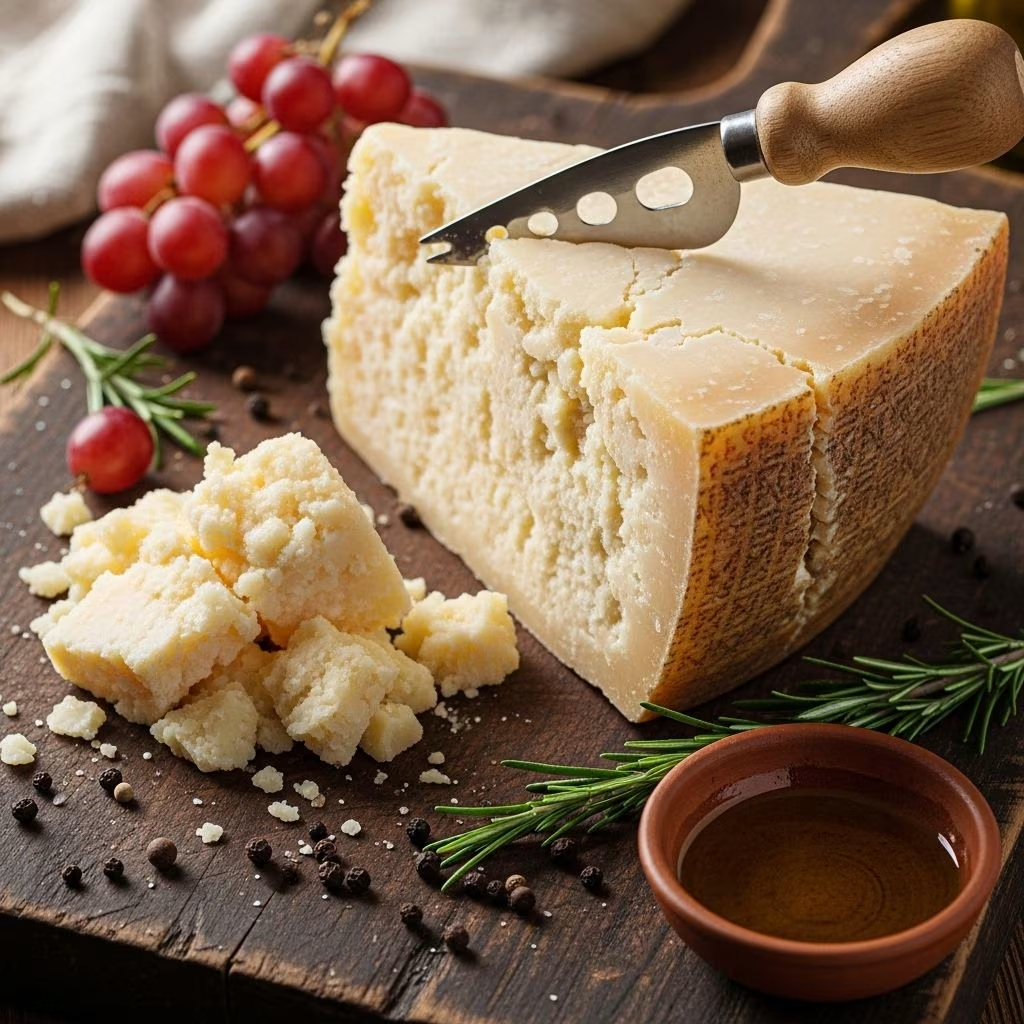
Pecorino cheese is a legendary Italian cheese made exclusively from sheep’s milk. Boasting ancient roots, robust flavors, and nutritional richness, it has remained an integral part of Italian cuisine and culture for centuries. This comprehensive guide explores Pecorino cheese’s history, varieties, health benefits, culinary uses, taste, pairing suggestions, and frequently asked questions.
Introduction to Pecorino Cheese
Pecorino refers to a family of hard Italian cheeses made exclusively from sheep’s milk. Its name is derived from the Italian word “pecora,” meaning “sheep.” Today, Pecorino is celebrated worldwide for its distinctive flavor, diverse varieties, and culinary versatility. True Pecorino is an artisanal product, protected by strict geographical and production regulations in Italy.
- Key Ingredient: 100% sheep’s milk
- Texture: Ranges from semi-hard to hard and crumbly
- Flavor: Nutty, tangy, salty, and piquant
- Color: Pale yellow to deep golden, depending on age
Pecorino has influenced the world’s cheese-making traditions and remains a premium staple in Italian kitchens, often used for grating, eating, and cooking.
History and Origins of Pecorino
Pecorino is one of the oldest cheeses known to humanity, with a heritage spanning over two millennia. According to ancient Roman scholars such as Varro, Galen, and Pliny the Elder, Pecorino-like cheeses were described in Latin texts around 2,000 years ago. This cheese played a crucial role in the Roman diet, providing soldiers and travelers with a durable, nutritious source of sustenance.
- Ancient Heritage: Consumed by Roman legionnaires and mentioned in classic works
- Shepherd Culture: Rooted in Italian pastoral tradition and family farms, especially in Sardinia and Lazio
- Traditional Methods: Ancient cheese-making practices are preserved to this day in renowned Pecorino-producing regions
- Protected Designation: Several Pecorino varieties hold the PDO (Protected Designation of Origin) status, ensuring authenticity
The resilience and robust flavor of Pecorino made it a candidate for export across the Roman Empire and remains central to Mediterranean culinary culture today.
Key Varieties of Pecorino
Pecorino is not a single cheese but a family of sheep’s milk cheeses, each bearing its own regional signature, aging process, and unique characteristics. The main Protected Designation of Origin (PDO) varieties include:
| Variety | Region | Texture / Aging | Taste Notes | Culinary Uses |
|---|---|---|---|---|
| Pecorino Romano | Lazio, Sardinia | Hard, crumbly / Aged 8-12 months | Sharp, salty, tangy | Grated on pasta, risotto, soups |
| Pecorino Toscano | Tuscany | Semi-hard to hard / Aged 4-12 months | Milder, nutty, grassy | Table cheese, snacking, cooking |
| Pecorino Sardo | Sardinia | Semi-hard to hard / Aged 2-12 months | Buttery, aromatic, slightly spicy | Eaten fresh or aged, grating |
| Pecorino Siciliano | Sicily | Firm / Variable aging | Earthy, piquant, rich | Table cheese, regional recipes |
| Pecorino di Filiano | Basilicata | Hard / Aged at least 180 days | Robust, herbal, nutty | Snacking, grating |
Other sub-varieties include Pecorino Pepato (with black peppercorns), Pecorino Fresco (young, softer style), and Ricotta Salata (salted, pressed whey cheese made from Pecorino production).
Nutritional Profile and Health Benefits
Pecorino cheese is nutrient-dense and offers unique benefits compared to cow’s milk cheeses due to its sheep’s milk base. While it should be consumed in moderation due to its sodium and fat content, it provides important nutrients:
- High-Quality Protein: Essential for muscle repair and immunity
- Calcium and Phosphorus: Supports bone strength and health
- Rich in Vitamins: Contains A, D, and B12 for cellular energy, immunity, and vision
- Conjugated Linoleic Acid (CLA): Naturally higher in sheep’s milk, linked to potential metabolic and anti-inflammatory benefits
- Easy to Digest: Some people with sensitivity to cow’s milk find sheep’s milk cheeses easier to digest due to smaller fat globules and a different protein composition
Pecorino is lactose-free or low in lactose as a result of the aging process, making it a suitable option for many lactose-sensitive individuals. However, as a hard cheese, it is also higher in sodium, and should be enjoyed as part of a balanced diet.
Potential Benefits Summarized
- Supports bone and muscle health
- Good source of easily digestible protein and essential minerals
- Contains healthy fats, including omega-3 and CLA
- Lower lactose content compared to many fresh cheeses
- Rich, satisfying flavor may contribute to mindful eating by being used sparingly
Culinary Uses of Pecorino Cheese
Pecorino’s robust, salty flavor and crumbly texture make it an indispensable ingredient in Italian and Mediterranean cooking. Its culinary versatility includes:
- Grating: The most popular use, especially Pecorino Romano, for pasta dishes like cacio e pepe, carbonara, or sprinkling over risottos, soups, and vegetables
- Table Cheese: Aged Pecorino Toscano and Sardo can be served sliced with fruit, honey, or preserves
- Cooking Ingredient: Incorporated into savory pastries, frittatas, casseroles, pizza, and bread
- Snacking: Enjoyed with olives, cured meats, or rustic bread for antipasto platters
- Unique Styles: Flavored varieties, such as Pecorino Pepato, add a peppery kick to recipes
Pecorino’s resilience to heat means it can be grated and baked into dishes without compromising flavor or texture. It has a strong, salty profile, so less cheese is typically needed compared to milder cow’s milk varieties.
Classic Pecorino Recipes
- Cacio e Pepe (cheese and pepper pasta)
- Bucatini all’Amatriciana
- Pasta alla Gricia
- Eggplant and Pecorino bake
- Roasted vegetables with grated Pecorino
- Cheese boards with honey and walnuts
Taste Profile and Pairing Tips
Pecorino cheese is famed for its distinctively sharp, savory, and rich flavor. The precise taste can vary by region, milk, and aging, but typical attributes include:
- Pecorino Romano: Assertive, salty, tangy, and intense with a dry, crumbly texture
- Pecorino Sardo: Buttery, slightly spicy, aromatic, often less salty
- Pecorino Toscano: More delicate, nutty, grassy, and mildly sweet when young
- Pecorino Siciliano and Others: Earthy, herbal, and sometimes slightly smoky or peppered
Pairing Suggestions
- Wine: Bold Italian reds (Chianti, Barolo), robust whites, and dessert wines for aged varieties
- Fruits & Nuts: Pears, figs, apples, walnuts, almonds
- Honey & Jams: Acacia honey, fig jam, or mostarda
- Breads: Rustic sourdough, focaccia, or olive bread
- Cured meats: Prosciutto di Parma, salami, bresaola
Because of its bold taste, Pecorino stands up well in flavor-intense dishes and is especially suited for use where extra sharpness and complexity are desired.
Buying and Storing Pecorino
When shopping for Pecorino cheese:
- Look for PDO labels like “Pecorino Romano DOP” or “Pecorino Toscano DOP” for authenticity
- Authentic Pecorino is typically sold in wedges or wheels, ranging from pale to deep yellow
- Pecorino can be bought aged (hard, best for grating) or young (softer, best for slicing).
For storage:
- Wrap wedge in wax paper or parchment, then place in a resealable bag in the fridge
- Keep in the cheese compartment or vegetable crisper to maintain optimal humidity
- Use within a few weeks for the best flavor; hard-aged Pecorino lasts longer than young cheese
- Freeze only if necessary and use frozen cheese for cooking, as texture may change
Frequently Asked Questions (FAQs)
Q: What is the main difference between Pecorino and Parmesan (Parmigiano Reggiano)?
A: Pecorino is made from sheep’s milk and has a sharper, saltier, and tangier flavor than Parmesan, which is made from cow’s milk and is generally milder and nuttier. Pecorino also ages faster and contains more fat and protein by weight.
Q: Is Pecorino cheese gluten-free?
A: Yes, authentic Pecorino cheese is naturally gluten-free and safe for individuals with celiac disease or gluten sensitivity.
Q: Can lactose-intolerant individuals eat Pecorino?
A: Aged Pecorino has very low lactose content due to the cheese-making and aging process, making it suitable for most people with lactose intolerance. Always check individual tolerance and consult your healthcare provider if in doubt.
Q: How should I serve Pecorino on a cheese board?
A: Pair with fresh or dried fruits, honey, toasted nuts, rustic Italian breads, and robust red or dessert wines. Serve at room temperature for the fullest flavor.
Q: Is Pecorino cheese vegetarian?
A: Most traditional Pecorino cheeses use animal rennet in the production process. If you require vegetarian cheese, look for varieties specifically labeled as made with microbial or vegetable rennet.
Conclusion
Pecorino cheese is much more than just a grating cheese for pasta: it is a cultural symbol, a product of unique sheep’s milk, regional traditions, and artisanal dedication. Whether enjoyed in a classic Roman dish or on a gourmet cheese platter, its distinct flavor, nutritional benefits, and storied history make it a treasure of Italian gastronomy and a favorite of cheese lovers worldwide.
References
- https://www.cheeseconnoisseur.com/the-history-of-3-pecorini/
- https://www.locatelli.com/blog/the-history-of-locatelli-americas-favorite-pecorino/
- https://www.secretlands.ca/uncategorized/exploring-pecorino-a-comprehensive-guide-for-sheeps-milk-cheese-lovers/
- https://pastaevangelists.com/blogs/blog/everything-you-need-to-know-about-pecorino-cheese
- https://www.thewinechef.com/blog/why-pecorino-romano-cheese-is-an-italian-treasure
- https://www.shoplongino.hk/food-insights/pecorino
- https://en.wikipedia.org/wiki/Pecorino
- https://www.pecorinoromano.com/en/pecorino-romano/history


