


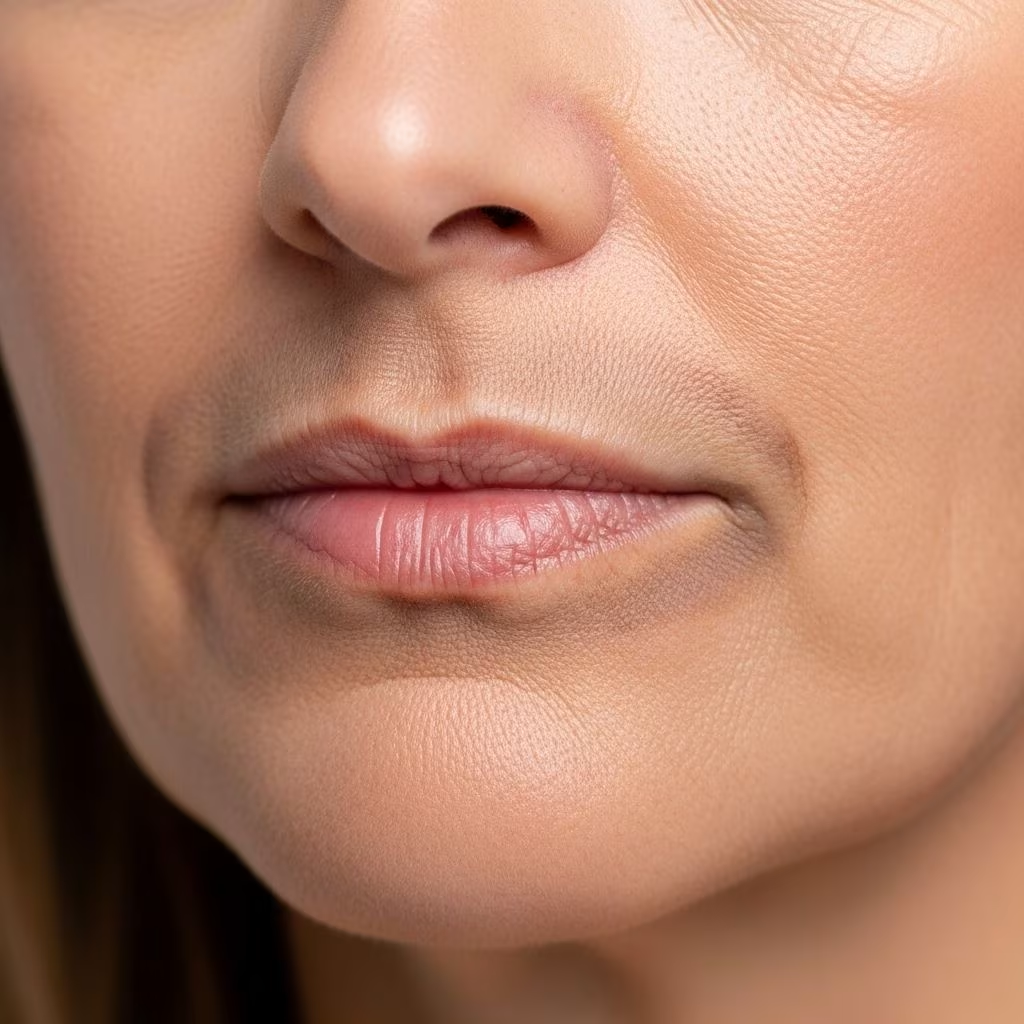
Pigmentation Around the Mouth: Causes, Types, and Treatments
Dark patches or uneven skin tones around the mouth—commonly known as perioral hyperpigmentation—are a widespread concern for many individuals. These skin changes may cause self-consciousness and frustration, especially when standard at-home remedies seem ineffective. Understanding the root causes, types, available treatments, and actionable prevention strategies are essential to successfully managing this type of pigmentation.
What is Pigmentation Around the Mouth?
Pigmentation around the mouth refers to areas of skin around the lips appearing darker than the surrounding facial skin. This discoloration is typically due to the overproduction and localized accumulation of melanin, the pigment responsible for skin color.
While often harmless, pigmentation may indicate underlying skin irritation, medical conditions, or environmental impacts. In some cases, it can persist for months or even years if not addressed correctly.
How Common is Pigmentation Around the Mouth?
This condition is particularly prevalent among individuals with darker skin types due to their naturally higher melanin content, but it can affect anyone regardless of age, gender, or ethnicity. Both adults and adolescents may notice these changes, especially after hormonal fluctuations, skin injury, or sun exposure.
Signs and Symptoms of Perioral Pigmentation
- Dark to brownish patches or zones around the mouth or upper lip
- Irregular borders, sometimes blending into the cheek or chin
- Occasionally accompanied by dry, flaky, or itchy skin if inflammation is present
- Gradually deepening pigmentation over months, sometimes increasing after sun exposure
The pigmentation usually does not cause pain or discomfort but may be associated with underlying skin irritation, redness, or sensitivity, especially when triggered by dermatitis, eczema, or cosmetic product reactions.
What Causes Pigmentation Around the Mouth?
Multiple factors can contribute to the development of dark pigmentation in the perioral region. Understanding these causes is the first step towards effective treatment and prevention.
1. Sun Exposure
The skin around the mouth is especially vulnerable to ultraviolet (UV) rays. Sun exposure stimulates excessive production of melanin, leading to tanning and, over time, persistent dark spots—often known as sunspots or solar lentigines.
2. Hormonal Changes
Hormonal fluctuations, particularly those involving estrogen and progesterone, can incite melanin overproduction. Pregnancy, birth control pills, hormone replacement therapy, and certain medical conditions often trigger a unique type of hyperpigmentation called melasma that commonly affects the upper lip and areas around the mouth.
3. Post-Inflammatory Hyperpigmentation (PIH)
Dark spots may appear after the healing of an injury or inflammation. Common triggers include:
- Acne breakouts
- Rashes, eczema, or dermatitis
- Cuts, burns, or frictional injury (such as repeated rubbing or waxing)
The inflammatory process stimulates melanocytes to produce more pigment, which accumulates in the affected skin after healing.
4. Allergic or Irritant Dermatitis
- Repeated irritation from saliva, harsh soaps, toothpaste, or certain foods may result in chronic inflammation and subsequent pigmentation.
- Contact with allergens in lip balms, cosmetics, or food additives can create perioral dermatitis, often ending with patchy hyperpigmentation.
5. Medications and Underlying Medical Conditions
- Certain medications (such as antibiotics or anti-seizure drugs) can have hyperpigmentation as a side effect.
- Medical disorders such as Addison’s disease and acanthosis nigricans (often associated with insulin resistance) may manifest as perioral darkness.
6. Genetics
A predisposition to develop darker pigmentation—sometimes appearing as well-demarcated lines or patches around the mouth—can run in families, especially among those with darker skin types.
7. Other Causes
- Overuse of whitening creams containing steroids
- Use of wrongly selected lasers or peels
- Chronic licking of lips
- Use of unapproved or harsh skincare products
| Cause | Description |
|---|---|
| Sun exposure | Stimulates melanin production, causing sunspots or tanning |
| Hormonal changes | Triggers melasma, especially in women |
| Post-inflammatory hyperpigmentation | Dark spots after injuries, rashes, or acne |
| Dermatitis (allergic/irritant) | Induced by harsh products, saliva, allergens |
| Medications/illnesses | Drug-induced or disease-associated pigment changes |
| Genetics | Family history or ethnic predisposition |
Types of Pigmentation Seen Around the Mouth
- Melasma: Patchy, symmetrical brown or gray-brown discoloration, often on the upper lip and cheeks. Typically hormone- and sun-induced.
- Sun Spots (Lentigines): Small, flat brown spots from chronic sun exposure.
- Post-inflammatory Hyperpigmentation (PIH): Irregular dark spots appearing after skin inflammation, acne, or trauma.
- Pigmentary Demarcation Lines: Natural lines where skin color changes, often accentuated by genetics or friction.
- Acanthosis Nigricans: Velvet-textured, hyperpigmented patches often linked to metabolic disorders.
How to Diagnose the Type & Cause of Pigmentation
A detailed evaluation by a dermatologist is key for persistent or complex cases. Diagnostic steps may include:
- Clinical examination: Assessing the appearance, pattern, and distribution of the pigmentation
- Medical history: Identifying recent illnesses, hormonal changes, medication use, or allergic triggers
- Patch testing: For suspected allergic or contact dermatitis
- Skin biopsy: Rarely needed, unless a medical disorder is suspected
Pinpointing the underlying cause is crucial, as it determines the best treatment pathway and helps prevent recurrence.
Treatment: How to Reduce or Remove Pigmentation Around the Mouth
Management depends on the cause, depth, and extent of the pigmentation as well as skin type. Treatments generally fall under two categories: natural/home remedies and professional/medical interventions.
Home and Natural Remedies
- Sun Protection
Apply a broad-spectrum sunscreen (SPF 30+) daily, including around the mouth and upper lip. Wear a wide-brimmed hat and avoid peak sunlight hours. - Avoiding Irritants
Steer clear of harsh cleansers, SLS-containing toothpaste, or lip products with allergens. Avoid lip licking. - Gentle Exfoliation
Use mild exfoliants, such as lactic acid or soft scrubs, 1–2 times weekly to remove pigmented surface cells. - DIY Face Packs/Ingredients (use with caution):
- Fresh aloe vera gel: Soothes and may lighten dark patches over time
- Potato juice: Contains enzymes that can help fade pigmentation
- Lemon juice: Used traditionally, but can be irritating and should be patch-tested
- Turmeric: Can aid in reducing dark spots when used with yogurt or honey; ensure no allergy
- Moisturization
Regularly hydrate the area with unscented, hypoallergenic moisturizers.
Note: Natural remedies may lighten pigmentation gradually, but visible results can take several weeks to months. Always patch test home products to avoid irritation.
Medical and Dermatological Treatments
Moderate to severe pigmentation, or cases that don’t improve with home care, often require a dermatologist’s intervention. Options include:
- Topical Prescription Creams
- Hydroquinone: A powerful skin-lightener; short-term use only
- Retinoids (tretinoin, adapalene): Increase cell turnover and fade dark spots
- Azelaic acid: Reduces pigmentation and has anti-inflammatory properties
- Kojic acid and arbutin: Inhibit melanin production
- Corticosteroid creams: To reduce inflammation (short courses only)
- Chemical Peels
Alpha hydroxy acid (AHA) or trichloroacetic acid (TCA) peels can be used under professional supervision to exfoliate and renew the skin. - Laser Treatments
Fractional or Q-switched lasers target pigmented cells. Best for stubborn PIH and melasma not due to genetics. - Microdermabrasion
Non-invasive exfoliation may help diminish surface pigmentation, but results are gradual. - Treating Underlying Disorders
If a medical condition (like acanthosis nigricans or Addison’s disease) is the cause, addressing the root issue is vital.
Professional treatments can yield faster results but must be tailored to your skin type and medical history to avoid adverse effects or rebound pigmentation.
Prevention: How to Prevent Recurrence of Pigmentation
- Practice daily sun protection, even indoors if you are exposed to sunlight through windows.
- Moisturize often and keep the skin barrier healthy by avoiding over-washing or harsh chemicals.
- Stop using unverified whitening agents, especially those containing steroids or mercury.
- Patch-test new skincare, toothpaste, and lip products before regular use.
- If you notice recurring irritation or rashes, see a dermatologist early to prevent the development of PIH.
- Avoid excessive scrubbing or rubbing the area around the mouth.
- Treat hormonal imbalances or medical disorders promptly.
Frequently Asked Questions (FAQs)
Q: Is pigmentation around the mouth permanent?
A: Most cases of pigmentation around the mouth can fade with the right treatment and preventive care. However, genetic pigmentation or long-standing melasma may need ongoing management for best results.
Q: Can home remedies completely remove dark patches around the mouth?
A: Home remedies may help lighten mild pigmentation and support overall skin health but are less effective for severe or persistent discoloration. Professional assessment and treatment are often needed in such cases.
Q: How long does it take to see improvement?
A: Visible improvement can take between 4 and 12 weeks, depending on the cause, treatment therapy, and individual skin response.
Q: Is it safe to use whitening creams purchased online?
A: Many over-the-counter whitening creams may contain harmful substances like steroids or mercury and should be avoided. Use only products prescribed by a qualified dermatologist.
Q: What if pigmentation worsens despite treatment?
A: Consult a dermatologist promptly. Worsening pigmentation may indicate an ongoing irritant, incorrect product use, or a medical condition needing further investigation.
Tips for Healthy Skin Around the Mouth
- Apply sunscreen tailored for the face each morning—even on cloudy days.
- Avoid frequently touching or rubbing the mouth area.
- Choose mild, fragrance-free cleansers and moisturizers.
- Eat a balanced diet high in antioxidants (fruits, vegetables, nuts, and seeds).
- Stay well hydrated to keep your skin supple and resilient.
- Get regular health checkups if you have underlying illnesses like diabetes or thyroid disorders.
If you struggle with dark patches around the mouth, remember that early intervention and proper diagnosis can make all the difference in restoring your natural skin tone and boosting your confidence.
References
- https://naturadermatology.com/hyperpigmentation-treatment/
- https://my.clevelandclinic.org/health/symptoms/11014-skin-discoloration
- https://skinpharm.com/blogs/blog/hyperpigmentation-around-mouth
- https://www.youtube.com/watch?v=fxeau2YV5EI
- https://www.health.harvard.edu/diseases-and-conditions/demystifying-hyperpigmentation-causes-types-and-effective-treatments
- https://melasmaclinic.com.au/hyperpigmentation-around-mouth/
- https://my.clevelandclinic.org/health/diseases/21454-melasma


