


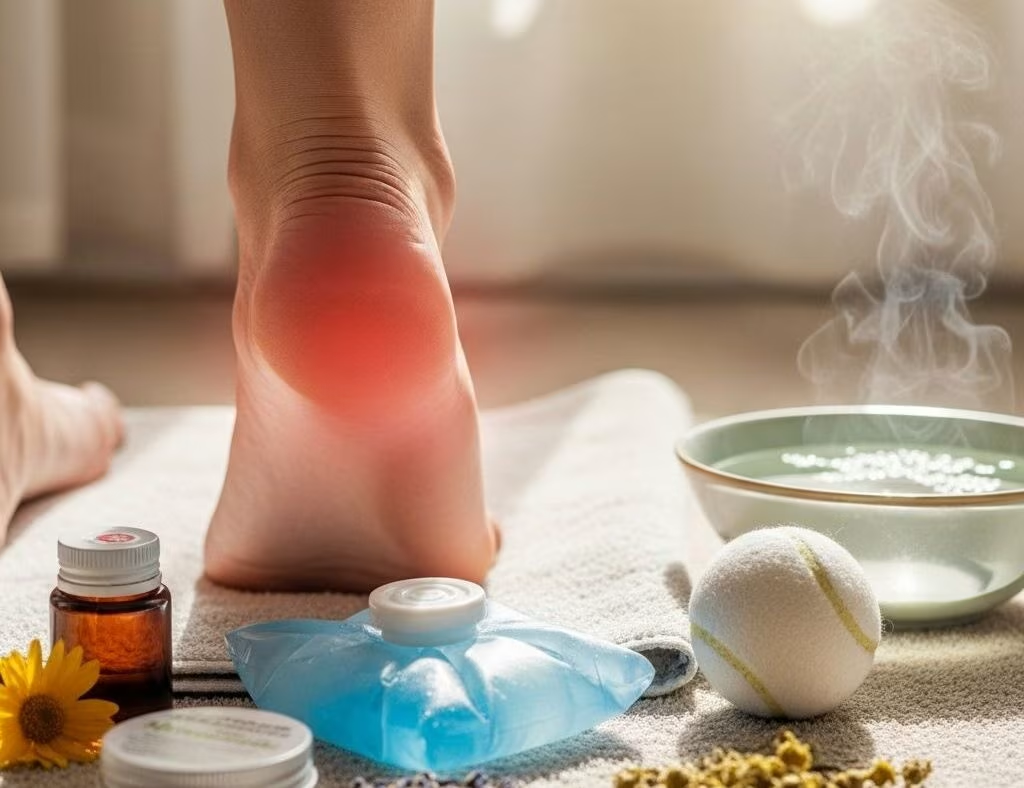
What is Plantar Fasciitis?
Plantar fasciitis is a common condition that causes pain in the heel and bottom of the foot, especially with the first steps in the morning or after long periods of rest. It occurs when the plantar fascia—a thick band of tissue that connects the heel bone to the toes—becomes inflamed due to overuse, poor footwear, or biomechanical issues. The pain is typically sharp and located near the heel, and it can significantly impact daily activities and mobility.
Causes and Risk Factors
- Overuse and repetitive strain: Activities like running, jogging, or standing for long periods can put excessive stress on the plantar fascia.
- Foot structure: Flat feet, high arches, or abnormal walking patterns can increase risk.
- Age: Most common between ages 40 and 60.
- Obesity: Extra weight puts more pressure on the plantar fascia.
- Improper footwear: Shoes with poor support or worn-out soles contribute to strain.
Signs and Symptoms
- Sharp heel pain, especially with the first steps in the morning
- Pain after standing or sitting for long periods
- Discomfort when climbing stairs or after intense activity
- Tenderness and swelling in the heel area
Plantar Fasciitis Home Remedies
Rest and Activity Modification
Reducing or avoiding activities that worsen pain is crucial. Swap high-impact exercises (running, jumping) for low-impact options like swimming, cycling, or yoga to allow the foot to heal.
Ice Therapy
Applying ice helps reduce inflammation and numb pain. Use an ice pack wrapped in a towel, a frozen water bottle, or a bag of frozen vegetables. Apply for 15–20 minutes, several times a day.
Stretching Exercises
Regular stretching improves flexibility and reduces tension in the plantar fascia and calf muscles. Effective stretches include:
- Calf Stretch: Stand facing a wall with one foot forward and one back, both feet flat. Lean forward, keeping the back heel down, and hold for 15–30 seconds[10].
- Towel Stretch: Sit with legs straight, wrap a towel around the ball of your foot, and gently pull toes toward you.
- Plantar Fascia Stretch: Roll a tennis ball, golf ball, or frozen water bottle under the arch of your foot for a few minutes[10].
- Toe Stretch: Place a towel on the floor and use your toes to scrunch it toward you.
Massage
Gentle massage of the heel and arch can relieve pain and improve circulation. Use your thumbs, a foam roller, or a tennis ball to massage the area.
Footwear and Orthotics
Wearing shoes with good arch support and cushioning is essential. Replace worn-out shoes and consider over-the-counter or custom orthotic inserts to distribute pressure evenly across the foot.
Night Splints
Night splints keep the foot flexed overnight, stretching the plantar fascia and Achilles tendon. This can reduce morning pain and improve flexibility.
Weight Management
Maintaining a healthy weight reduces stress on the plantar fascia and can prevent the condition from worsening.
Anti-Inflammatory Medications
Over-the-counter nonsteroidal anti-inflammatory drugs (NSAIDs), such as ibuprofen, can help manage pain and swelling when used as directed.
Lifestyle and Prevention Tips
- Gradually increase activity levels to avoid overloading the plantar fascia.
- Warm up before exercise and stretch afterward.
- Avoid walking barefoot, especially on hard surfaces.
- Replace athletic shoes every 300–500 miles.
- Maintain flexibility and strength in the feet, ankles, and calves.
Myths and Misconceptions
Some believe that plantar fasciitis will resolve quickly or that only surgery can fix it. In reality, most cases improve with conservative, at-home treatments over several months, and surgery is rare. Another myth is that rolling a hard object under the foot is always beneficial—this can sometimes aggravate symptoms if done too aggressively[10].
When to See a Doctor
Most cases of plantar fasciitis respond well to home care, but consult a healthcare provider if:
- Pain persists despite several weeks of home treatment
- Swelling, redness, or warmth in the heel increases
- There is numbness or tingling in the foot
- You have difficulty walking or bearing weight
FAQs
Q: How long does it take for plantar fasciitis to heal?
A: Most people see improvement within a few months with consistent home treatment, but full recovery can take 6–12 months.
Q: Can I still exercise with plantar fasciitis?
A: Yes, but switch to low-impact activities like swimming or cycling, and always stretch before and after exercise.
Q: Are there any risks to home remedies?
A: While most home remedies are safe, over-aggressive stretching or massage can worsen symptoms. If pain increases, reduce intensity and consult a professional[10].
Q: Do orthotics really help?
A: Yes, orthotics can help by providing support and reducing strain on the plantar fascia, especially if you have flat feet or high arches.
Q: Is surgery ever necessary?
A: Surgery is very rare and considered only after at least a year of failed conservative treatments.
Summary Table: Key Plantar Fasciitis Home Remedies
| Remedy | How It Helps | How to Do It |
|---|---|---|
| Rest | Reduces inflammation by decreasing strain | Avoid high-impact activities; opt for swimming or cycling |
| Ice | Numbs pain and reduces swelling | Apply ice pack for 15–20 minutes, several times daily |
| Stretching | Improves flexibility, relieves tension | Daily calf, plantar fascia, and toe stretches |
| Massage | Relieves pain, improves circulation | Roll a ball under foot or massage with hands |
| Footwear/Orthotics | Supports arch, reduces strain | Wear supportive shoes; use orthotic inserts if needed |
| Night Splints | Stretches fascia overnight | Wear while sleeping to reduce morning pain |
Conclusion
Plantar fasciitis is a common but manageable condition. Most people find significant relief with rest, ice, stretching, proper footwear, and lifestyle adjustments. While healing can take time, consistent application of these home remedies can effectively reduce pain and restore mobility. If symptoms persist, consult a healthcare provider for further evaluation and personalized treatment options.
References
- https://www.webmd.com/fitness-exercise/what-can-i-do-plantar-fasciitis
- https://www.hcahoustonhealthcare.com/healthy-living/blog/plantar-fasciitis-treatment-at-home-6-remedies-to-try-today
- https://www.nhs.uk/conditions/plantar-fasciitis/
- https://blog.orthoindy.com/2020/12/23/the-8-best-plantar-fasciitis-home-remedies/
- https://www.youtube.com/watch?v=BQOJa9o-j8g
- https://www.mayoclinic.org/diseases-conditions/plantar-fasciitis/diagnosis-treatment/drc-20354851
- https://www.unitypoint.org/news-and-articles/doctor-approved-home-remedies-for-plantar-fasciitis-relief
- https://my.clevelandclinic.org/health/diseases/14709-plantar-fasciitis
- https://www.shadygrovepodiatry.com/7-ways-to-treat-plantar-fasciitis-heel-pain-at-home/
- https://sydneyheelpain.com.au/plantar-fasciitis-home-remedy/


