


If you’ve ever wandered outdoors and returned with an uncomfortable, itchy rash, you might have encountered poison ivy. Dealing with the red, blistery irritation can be challenging, but gentle and effective home remedies often offer substantial relief. This guide explains how to recognize poison ivy, manage its symptoms at home, apply tried-and-true remedies, and know when you need professional medical assistance.
What Is Poison Ivy?
Poison ivy (Toxicodendron radicans) is a common North American plant well-known for provoking allergic skin reactions. The plant harbors an oil called urushiol, present in its leaves, stems, and roots. Direct contact with urushiol—either from touching the plant, or contaminated objects or animals—causes an itchy, blistering rash.
- Urushiol oil is colorless or slightly yellow, sticky, and highly potent—even tiny amounts can trigger a rash.
- Contact may occur outdoors or indirectly, by touching tools, clothing, or pets exposed to the plant.
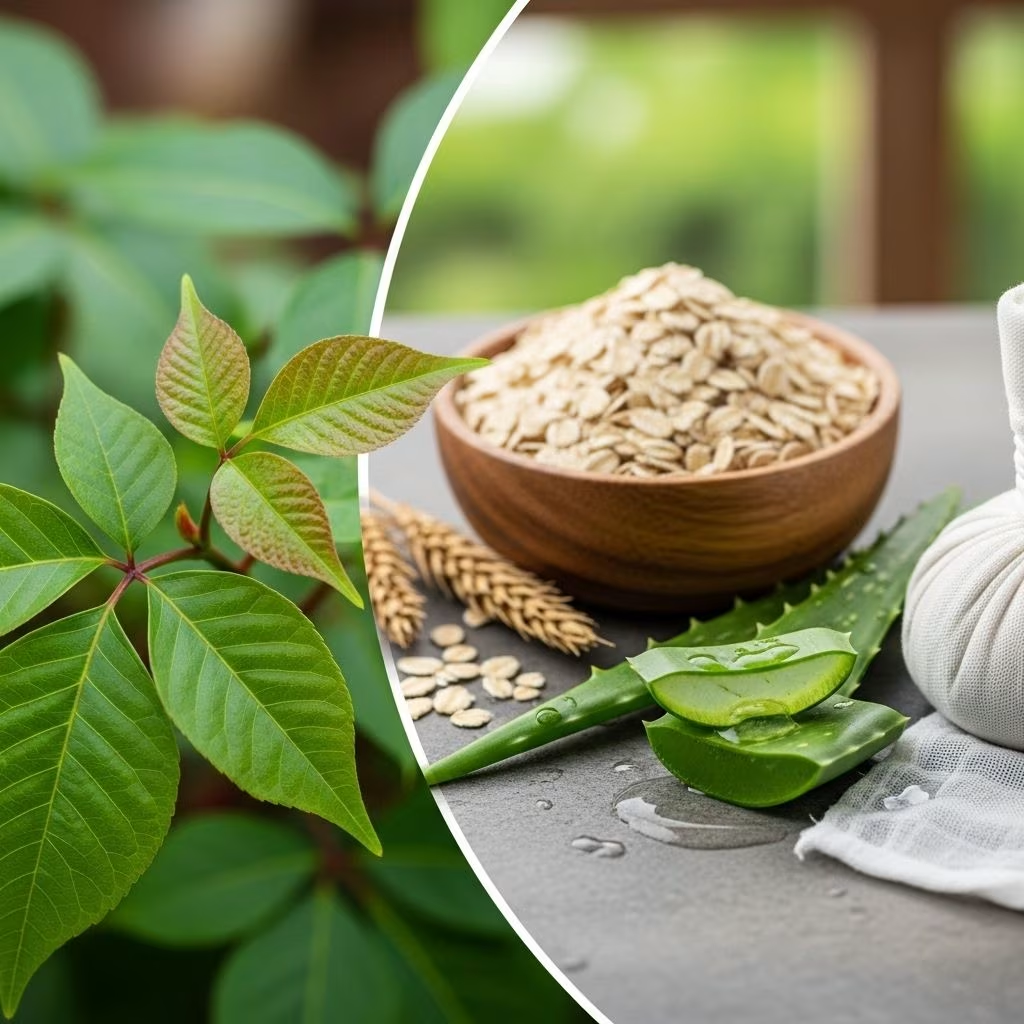
Poison ivy often grows as a ground cover, climbing vine, or shrub. Its leaves typically appear in clusters of three (“leaves of three, let them be”).
Recognizing Symptoms of Poison Ivy Reaction
The body’s allergic reaction to urushiol typically appears within 12–48 hours after exposure and can last weeks. Early identification helps prevent worsening irritation and secondary infection.
- Redness and swelling
- Itching—often severe
- Small bumps that develop into fluid-filled blisters
- Linear streaks—the rash often follows where the plant brushed the skin
- Sometimes, oozing and crusting (especially after blisters break)
While uncomfortable, poison ivy rashes are usually not contagious unless urushiol is still present on the skin or surfaces.
First Steps if Exposed to Poison Ivy
Acting quickly is crucial after potential poison ivy contact. These immediate measures greatly limit the severity of the reaction:
- Rinse the skin with lukewarm, soapy water as soon as possible. Doing this within 10–30 minutes can reduce or prevent the rash.
- Clean under fingernails to avoid spreading urushiol further.
- Remove and wash clothing, shoes, and gear that may have come into contact with the plant. Use hot water and detergent.
- Wash pets or objects that might harbor urushiol residue.
- Avoid scratching to prevent skin damage and infection.
Top Home Remedies for Poison Ivy
For mild cases, several home remedies help reduce itching, promote healing, and soothe the skin. Many of these remedies are supported by dermatologists and government health organizations. Below are the most thoroughly researched options:
1. Cold Compresses
Applying a cold, wet washcloth compress helps relieve itching, shrink swelling, and ease inflammation.
- Soak a cloth in cold water, wring out excess, and place on the rash for 15–20 minutes. Repeat as needed.
- For extra relief, you may use an astringent soak (like aluminum acetate solution).
2. Oatmeal Baths
Colloidal oatmeal calms skin and reduces itchiness. It is recognized by the FDA as effective for minor irritations from plants like poison ivy.
- Grind one cup of plain, uncooked oatmeal to a fine powder and add to a lukewarm bath.
- Soak for 15–30 minutes, pat skin dry afterward.
3. Baking Soda Soaks or Paste
Baking soda is a versatile remedy that helps dry oozing blisters and calms irritated skin.
- Baking soda bath: Add one cup of baking soda to warm bath water and soak for 15–20 minutes.
- Paste: Mix three parts baking soda with one part water, apply directly to the rash, and let dry.
4. Calamine Lotion
Calamine lotion is a classic over-the-counter treatment. It soothes itch and dries blisters as it evaporates, providing rapid relief.
- Gently dab lotion onto the rash using a clean applicator.
- Let dry before dressing or coming into contact with surfaces.
- Use as needed when itchiness is bothersome.
5. Hydrocortisone Cream
A mild topical steroid, hydrocortisone cream (0.5–1%) helps control itching and inflammation. It is especially useful in the first few days after rash onset.
- Apply to affected area up to three times daily.
- Avoid use on the face or genitals unless directed by a doctor.
6. Rubbing Alcohol
Alcohol wipes or isopropyl alcohol can dissolve and remove residual urushiol oil after exposure.
- Use within the first few hours post-exposure, then wash with soap and water.
- Helps avoid spreading the oil elsewhere.
7. Natural and Herbal Remedies
Various traditional remedies can supplement but not replace main treatments. Testimonials and some studies support these natural options for mild rash relief:
- Aloe vera gel: Soothes inflamed, itchy skin and supports skin healing.
- Witch hazel: Acts as a natural astringent; cools skin and lessens swelling.
- Cucumber slices: Placing fresh slices over the rash may aid in cooling and calming the area.
- Bentonite clay: Used in a moist paste to help dry out the rash and blisters.
- Essential oils (chamomile, eucalyptus): Some find these oils (diluted) mildly helpful for skin comfort, but research is limited.
Remedies to Use with Caution
- Apple cider vinegar: Sometimes recommended for drying rashes, though research on its effectiveness and safety is limited; it can potentially irritate sensitive skin.
Oral Medications
- Oral antihistamines (like diphenhydramine/Benadryl) may help with sleep by reducing itchiness at night, but they do not directly target the rash itself.
Essential Dos and Don’ts in Poison Ivy Care
| Do | Don’t |
|---|---|
| Rinse skin and wash exposed items immediately | Burn poison ivy plants or breathe smoke |
| Keep fingernails short to prevent skin damage from scratching | Scratch the rash, which may cause infection |
| Bathe daily in cool water, pat skin dry gently | Use hot water, which can increase irritation |
| Use clean towels and change bedding regularly | Share towels or contaminated clothes with others |
Prevention Tips
- Learn to identify poison ivy, oak, and sumac plants in your region.
- Wear long sleeves, gloves, and trousers when in wooded or brushy areas.
- Wash gear, pets, and shoes after outdoor activities.
- Use protective barrier creams for extra defense (apply before outdoor work).
- Teach children about the risks and appearance of toxic plants.
When to Seek Medical Help
Poison ivy reactions are usually mild and resolve with home care, but professional attention is crucial in certain situations:
- Rash involves the eyes, lips, genitals, or large portions of the body
- Swelling of face or difficulty breathing/swallowing
- Blisters become infected (pus, yellow scabs, red streaks, fever)
- No improvement after 7–10 days of home treatment
- Severe discomfort limiting sleep or daily function
Healthcare providers may prescribe stronger steroids or offer other interventions for complicated cases.
Frequently Asked Questions (FAQs)
Q: Is poison ivy rash contagious from person to person?
No, once urushiol is washed off, poison ivy rash itself is not contagious. Only urushiol oil can transfer and cause new reactions.
Q: How long does a poison ivy rash last?
Mild poison ivy reactions usually resolve within 1 to 3 weeks. Severe cases, or those involving broken skin or secondary infection, may persist longer and require medical treatment.
Q: Can you pop the blisters caused by poison ivy?
No, you should not pop or burst blisters—they help skin heal and breaking them increases the risk of bacterial infection.
Q: Do home remedies work for everyone?
Most people find relief from home care, but individual reactions vary. If the rash is severe, covers sensitive areas, or is unresponsive to treatment, consult a healthcare professional.
Q: Is it safe to use apple cider vinegar or essential oils on a poison ivy rash?
Apple cider vinegar and some essential oils (chamomile, eucalyptus) are occasionally used for mild comfort, but they can irritate certain skin types or make symptoms worse. Always test a small area first and avoid use on open wounds.
Conclusion
Home remedies for poison ivy are effective for mild cases and can dramatically improve comfort. The keys to success are timely cleansing after exposure, gentle skin care, and relying on proven remedies like cool compresses, oatmeal baths, calamine lotion, and topical steroids. Stay vigilant for warning signs requiring medical help, and always prioritize prevention to minimize future risk.
References
- https://www.healthline.com/health/apple-cider-vinegar-for-poison-ivy
- https://www.goodrx.com/health-topic/dermatology/how-to-get-rid-of-poison-ivy-rash-fast
- https://www.medicalnewstoday.com/articles/318059
- https://www.aad.org/public/everyday-care/itchy-skin/poison-ivy/treat-rash
- https://www.mayoclinic.org/diseases-conditions/poison-ivy/diagnosis-treatment/drc-20376490
- https://health.clevelandclinic.org/the-best-home-remedies-for-poison-ivy
- https://www.youtube.com/watch?v=1kg-SG-WQTM
- https://www.mayoclinic.org/diseases-conditions/poison-ivy/symptoms-causes/syc-20376485
- https://www.geisinger.org/health-and-wellness/wellness-articles/2022/08/23/15/21/how-to-deal-with-poison-ivy
- https://www.osfhealthcare.org/blog/how-to-treat-poison-ivy-or-oak


