


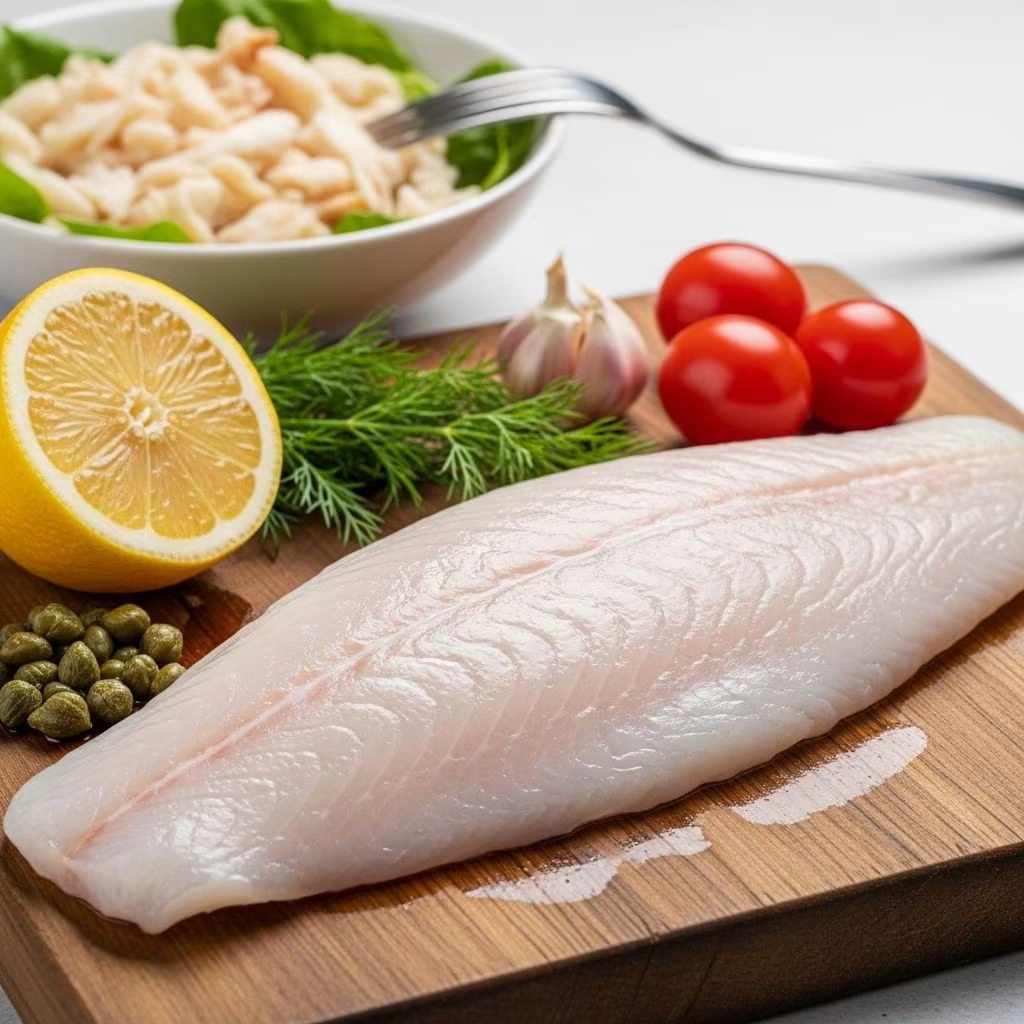
Pollock is a versatile whitefish cherished worldwide for its mild flavor, impressive nutritional profile, and adaptability in numerous dishes. As a staple in both human and pet nutrition, pollock stands out for its affordability, health benefits, and subtle taste, making it a popular alternative to pricier fish such as cod and salmon.
Introduction to Pollock
Pollock refers to several species of whitefish found in northern oceans, predominantly in the North Atlantic and North Pacific. Its global popularity is due to a combination of affordability, mild taste, and versatility in cooking. Favorite in many households and a backbone of products like fish sticks and imitation crab meat, pollock is both abundant and sustainably harvested.
The most well-known species are Alaska pollock (Gadus chalcogrammus) and Atlantic pollock (Pollachius pollachius), each recognized for their contribution to the seafood industry and healthy diet.
Pollock Varieties and Identification
There are two primary species of pollock consumed globally:
- Alaska Pollock (Gadus chalcogrammus): Often labeled simply as “pollock” in US markets, this species is wild-caught in the North Pacific. It is a mainstay for products such as surimi (imitation crabmeat), fish sticks, and breaded fillets.
- Atlantic Pollock (Pollachius pollachius): More common in European markets, this variant is sometimes called coalfish or saithe. It’s slightly darker in color and is typically sold fresh or frozen for fillets.
Visually, pollock is greenish or grayish with a pale lateral line and darker sides, and is sometimes confused with cod or haddock due to similar body shape and size.
Nutritional Profile of Pollock
Pollock’s nutritional strengths lie in its lean protein content, low fat, high omega-3s, and array of vitamins and minerals. Below is an overview of the nutrients present in a 177-gram (about 6 oz) fillet of raw pollock:
| Nutrient | Amount per 177g | % Daily Value* |
|---|---|---|
| Calories | 99 | – |
| Protein | 21.8 g | ~40% |
| Total Fat | 0.7 g | ~1% |
| Omega-3 Fatty Acids (EPA & DHA) | ~350 mg | – |
| Vitamin B12 | 2.88 mcg | 120% |
| Selenium | 28.1 mcg | 51% |
| Phosphorus | 503 mg | 40% |
| Magnesium | 28.5 mg | 7% |
| Potassium | 283 mg | 6% |
*% Daily Values are approximate and based on a 2,000 calorie diet.
- Low in calories and saturated fat, making it ideal for health-conscious eaters and weight management.
- Excellent source of vitamin B12, crucial for nerve health and energy metabolism.
- High in selenium, a potent antioxidant mineral.
- Contains significant phosphorus and magnesium for bone and muscle function.
- Omega-3 fatty acids: Supports heart, brain, and eye health.
Health Benefits of Pollock
Including pollock in your diet can deliver a range of scientifically supported health benefits:
- Supports Heart Health
Omega-3 fatty acids in pollock, especially EPA and DHA, have been linked to lower risk of heart disease. These healthy fats help reduce triglycerides, lower blood pressure, and maintain normal heart rhythms. - Boosts Brain Function
Omega-3s are also crucial for cognitive development and memory in adults and children. Evidence shows regular fish consumption may offer protection against age-related cognitive decline and support mood stability. - Aids Weight Management
Pollock’s combination of lean protein and low calorie count can help promote satiety, reduce overall calorie intake, and support healthy weight loss goals. - Improves Skin and Eye Health
Omega-3s and vitamin A found in pollock contribute to healthier skin, may slow the effects of aging, and help prevent degenerative eye diseases. - Promotes Bone Strength
Phosphorus and vitamin D in pollock reinforce bone density, while selenium and magnesium contribute to overall bone and muscle function. - Boosts Immune Function
Selenium and B vitamins help generate antioxidants that defend your body from oxidative stress and inflammation. - Low Mercury Content
Unlike some larger fish, pollock generally has low mercury levels, making it a safer seafood for regular consumption by both adults and children. - Wild-Caught Sustainability
Most pollock is wild-caught in carefully managed fisheries, reducing risk of contaminants and supporting ocean health.
Culinary Uses of Pollock
Pollock’s mild flavor and flaky white flesh make it incredibly adaptable to a variety of global cuisines. Some of its most common culinary uses include:
- Fillets: Served as grilled, baked, or pan-fried main dishes. Its subtle taste allows for seasoning with herbs, spices, lemon, or marinades.
- Fish Sticks and Nuggets: Pollock’s firm texture holds up well to breading and frying, making it the backbone of popular frozen seafood snacks.
- Imitation Crab (Surimi): Alaskan pollock is the main ingredient in surimi, a seafood product used in sushi rolls, salads, and appetizers.
- Soups and Stews: Adds protein and lightness to chowders, Asian soups, and Mediterranean stews.
- Pet and Animal Feed: Pollock meal and oil are often used in nutritious pet food formulas due to their digestibility and essential fatty acids.
Cooking pollock is straightforward. Because of its delicate flesh, it requires gentle handling. Suitable methods include baking, steaming, poaching, grilling, or sautéing. It easily takes on flavors from herbs, citrus, butter, and sauces.
The Taste and Texture of Pollock
Pollock is celebrated for its mild, delicate flavor and tender, flaky texture. This makes it attractive for people who do not enjoy strong-tasting or ‘fishy’ seafood and for children, elderly, or picky eaters.
- Flavor: Subtle, slightly sweet, with very low ‘fishy’ aftertaste.
- Texture: Moist, light, and flaky, making it ideal for breading, battering, or grilling.
- Pollock absorbs marinades and seasonings exceptionally well, lending itself to a range of cuisines including Asian, European, and American dishes.
Pollock in Pet Nutrition
Pollock also serves as a valuable source of protein and nutrients for pets. Its uses include:
- Pollock Meal: Made from dried and ground tissue of whole fish or trimmings, supplying concentrated protein for dogs and cats.
- Pollock Oil: Extracted during rendering, it is rich in omega-3 fatty acids (EPA and DHA), supporting skin, coat, joint, and heart health in pets.
- Included as an ingredient in both wet and dry pet foods, helping to boost energy, flavor, and nutrient profile.
- Compared to other fish meals, pollock is less likely to contain high levels of contaminants and often comes from leftovers of human-grade fish, supporting sustainability.
Pollock is generally well tolerated by most pets, but, as with all fish, care should be taken for individual allergies and proper storage to prevent spoilage.
Pollock vs. Other Whitefish
Pollock is frequently compared with other popular whitefish such as cod, haddock, and tilapia. Here’s a table outlining similarities and differences:
| Feature | Pollock | Cod | Haddock | Tilapia |
|---|---|---|---|---|
| Flavor | Mild, slightly sweet | Mild, delicate | Mild, slightly nuttier | Very mild, subtle |
| Texture | Flaky, tender | Firm, flaky | Flaky, delicate | Medium-firm, flaky |
| Fat Content | Low | Very low | Low | Low |
| Omega-3s | High | Medium | Medium | Low |
| Price | Very affordable | Moderate | Moderate | Very affordable |
| Common Uses | Fillets, fish sticks, surimi, pet food | Fillets, fish and chips | Smoked, fillets | Grilled, baked, pan-fried |
FAQs – Frequently Asked Questions
Q: Is pollock a healthy fish to eat regularly?
A: Yes, pollock’s low fat, high protein, and abundance of essential nutrients make it ideal for regular consumption. Its low mercury content and sustainable harvest further enhance its appeal.
Q: Does pollock taste fishy?
A: No, pollock is known for its very mild, almost neutral flavor with little to no fishy aftertaste, making it especially good for children or those sensitive to strong seafood flavors.
Q: What are the main allergens or risks with pollock?
A: Like all seafood, pollock can trigger allergic reactions in sensitive individuals. Common reactions include digestive distress and, rarely, more serious allergic symptoms. Those with seafood allergies should avoid pollock.
Q: How does pollock compare to cod?
A: Both are mild, flaky white fish, but pollock is generally more affordable and versatile, while cod is slightly firmer and milder in flavor. Pollock is the preferred choice for processed foods like fish sticks and surimi.
Q: Is pollock a sustainable seafood?
A: Yes, Alaska pollock fisheries are considered among the best-managed, making pollock one of the most sustainable choices for eco-conscious eaters.
Conclusion
Pollock shines as a nutritious, versatile, and eco-friendly fish, valued for its impressive nutritional benefits, welcoming flavor profile, and adaptability in the kitchen. Whether in a simple baked fillet, classic fish sticks, or as a component of healthy pet food, pollock is a practical, healthy option for anyone looking to add more sustainable seafood to their diet.
References
- https://dognutritiondb.com/pollock-in-dog-food/
- https://www.webmd.com/diet/the-health-benefits-of-pollock
- https://draxe.com/nutrition/pollock-fish/
- https://www.feedreal.com/glossary/pollock
- https://en.wikipedia.org/wiki/Alaska_pollock_as_food
- https://en.wikipedia.org/wiki/Pollock
- https://www.prospre.io/ingredients/pollock-4154
- https://fns-prod.azureedge.us/sites/default/files/resource-files/AlaskaPollock.pdf
- https://www.alaskapollock.org/about-the-fish/health-nutrition
- https://www.ecfr.gov/current/title-21/chapter-I/subchapter-B/part-101/subpart-A/section-101.4


