


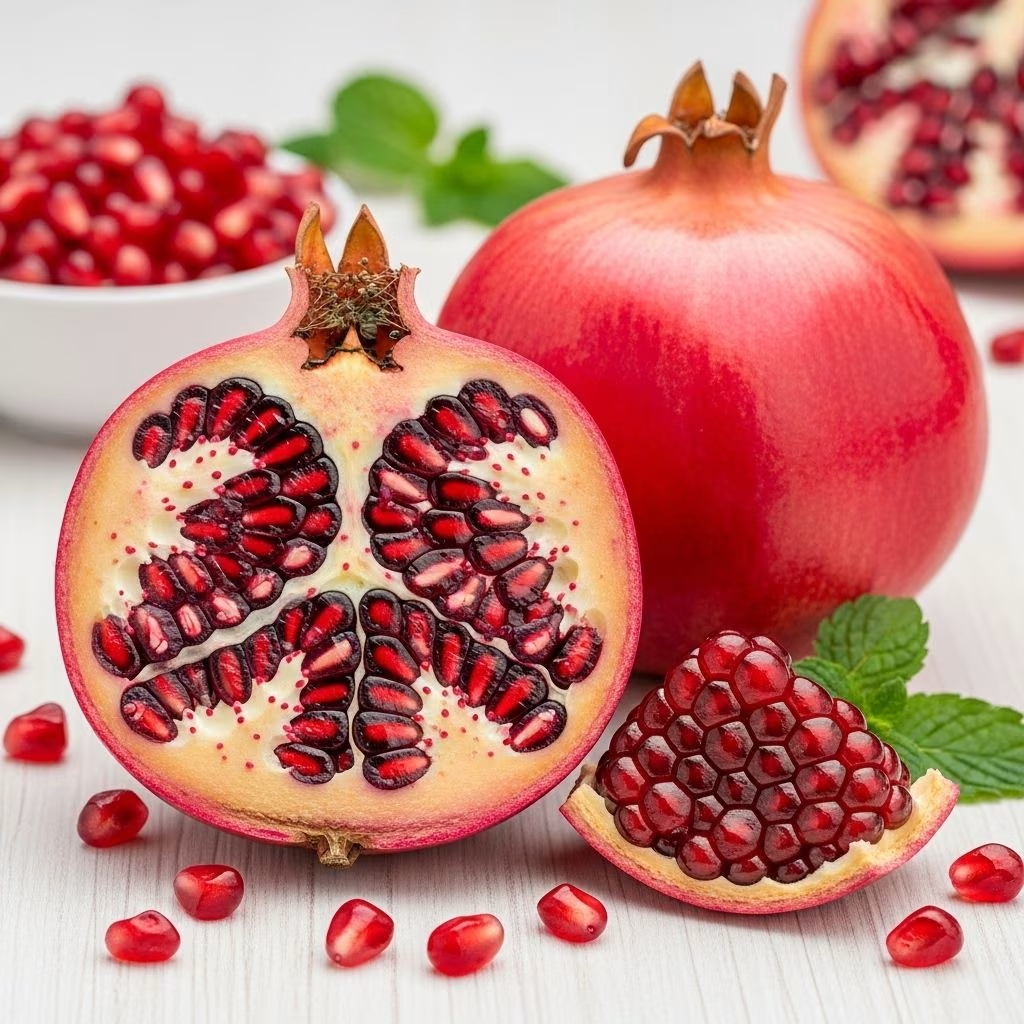
Richly colored and bursting with flavor, the pomegranate has delighted humans for millennia. Beyond its aesthetic appeal, this ancient fruit is prized for its unique nutritional profile, multifaceted uses, and its balance of sweet-tart flavors. In this guide, discover everything you need to know about pomegranates—from their history and health benefits to preparation, storage, and taste experience.
Introduction: Origins and History
The pomegranate (Punica granatum) is an ancient fruit that has been cultivated for over 4,000 years. Native to regions extending from Iran to northern India, it spread across the Mediterranean and became a staple in Middle Eastern, Asian, and eventually Western cuisines. Revered in many cultures for its symbolism—often representing fertility, prosperity, and abundance—the pomegranate features in art, mythology, and religious texts.
Widely grown today in the Middle East, India, Central Asia, the Mediterranean, and California, pomegranates thrive in warm, dry climates where they add considerable visual and nutritional value to local diets.
Nutritional Profile and Health Benefits
Pomegranates are not only alluring in appearance but also impressive in their nutrition. Each fruit is packed with hundreds of edible seeds (arils) encased in juicy, ruby-red sacs. The key nutrients and health-promoting properties include:
- Vitamins: High in vitamin C, vitamin K, and folate.
- Minerals: Rich in potassium and also provides iron and magnesium.
- Antioxidants: Pomegranates are loaded with powerful antioxidants, especially punicalagins and anthocyanins that help neutralize free radicals in the body.
- Polyphenols: The fruit offers diverse polyphenols, plant compounds known for their disease-preventing qualities.
- Fiber: The arils include edible seeds that add fiber to your diet, enhancing digestive health.
Key health benefits supported by research:
- Anti-inflammatory effects: The antioxidants in pomegranates may reduce inflammation, which plays a role in many chronic diseases.
- Heart health: Regular pomegranate consumption may help lower blood pressure, reduce cholesterol buildup, and support vascular health.
- Anti-cancer potential: Some studies suggest pomegranate compounds may slow the proliferation of cancer cells, especially in prostate and breast cancer models.
- Boosting immunity: The vitamin C content supports the immune system.
- Memory and brain health: There is evidence suggesting pomegranate could help protect memory and cognition.
| Nutrient (per 100g arils) | Amount |
|---|---|
| Calories | 83 kcal |
| Carbohydrates | 18.7 g |
| Sugar | 13.7 g |
| Fiber | 4.0 g |
| Vitamin C | 10.2 mg (17% DV) |
| Potassium | 236 mg (7% DV) |
| Vitamin K | 16.4 mcg (21% DV) |
| Folate | 38 mcg (10% DV) |
Physical Appearance & Varieties
Pomegranates are round fruits about the size of a large apple (8-12 cm in diameter), encased in a thick, leathery rind that can range from deep red to yellow-pink, depending on the variety and ripeness. When ripe, the exterior may become slightly flattened on the sides as the seeds push outwards, and the skin becomes easier to scratch than the hard, unripe form.
Inside, the true treasure lies in the arils: jewel-like sacs filled with tart-sweet juice and a crunchy edible seed at the center. A single fruit can harbor over 600 arils.
Popular varieties:
- Wonderful: The most common commercial variety, prized for large size, dark red arils, and high juice yield.
- Angel Red: Noted for its soft seeds and early ripening.
- Kandhari and Bhagwa: Important in Indian cultivation, featuring deep red color and bold flavor.
- Parfianka: Grown mainly for home gardens, with sweet-tart balance and soft seeds.
Taste Profile: What Does a Pomegranate Taste Like?
The taste of pomegranate is a harmonious blend of both sweet and tart notes. The arils are juicy and burst with a vibrant, fruity flavor reminiscent of cranberries, cherries, and red currants mixed together. The flavor profile varies depending on the variety, degree of ripeness, and growing conditions.
- Sweetness: Ripe arils deliver a pleasant sweetness, especially towards the center of the fruit.
- Tartness: A lively tang—often described as refreshing and crisp—complements the sweetness.
- Texture: The juice is enveloped in a fleshy sac, surrounding a crunchy, edible seed, giving a delightful contrast when chewed.
Pomegranate juice is bright and flavorful, with a more concentrated tartness than the fresh arils. In molasses form, the flavors are intensified, yielding a deeply tangy and slightly caramelized note that enlivens savory and sweet dishes alike.
Common Uses: Culinary, Medicinal, and More
Pomegranates are incredibly versatile and play important roles in global cuisine and traditional medicine.
Culinary Uses
- Fresh arils: Sprinkle over salads, yogurt, cereal, desserts, or simply eat as a snack.
- Juice: The basis for beverages, grenadine syrup, marinades, and vinaigrettes. Used both fresh and preserved.
- Pomegranate molasses: A reduction of juice, this thick, tangy syrup is common in Middle Eastern cooking.
- Baked goods and desserts: The arils are added to cakes, muffins, custards, and fruit salads.
- Sauces and glazes: Used for meats, especially lamb and poultry.
- Drinks: Cocktails, punches, smoothies, and mocktails often get a tart-sweet boost from pomegranate juice or arils.
Medicinal and Traditional Uses
- Throughout history, pomegranates were used in traditional medicine to treat inflammation, digestive issues, and to enhance overall wellbeing.
- Modern science continues to study its antioxidant and anti-inflammatory properties, especially in relation to heart and metabolic health.
Other Uses
- Rind and peels: Sometimes used to make dyes in traditional crafts.
- Ornamental: The pomegranate tree is valued for its beautiful blossoms and attractive shape in landscaping.
How to Select, Store, and Prepare Pomegranate
How to Select a Ripe Pomegranate
- Choose fruits that feel heavy for their size, indicating maximum juice content.
- Look for a glossy, unbroken skin with a rich red (or variety-specific) hue.
- A mature pomegranate may show slightly flattened sides where the arils press outward.
- Tap the fruit; a ripe one gives a metallic or hollow sound.
Storage Tips
- Pomegranates have storability similar to apples: keep whole fruit in a cool, dry, well-ventilated place, away from direct sunlight.
- In the refrigerator, whole pomegranates will last up to 2 months.
- Fresh arils or juice keep for about up to 5 days in the refrigerator.
- For long-term use, freeze arils in a single layer, transfer to airtight containers, and use within a year. Juice can be frozen for a similar period.
How to Cut and De-Seed a Pomegranate
Pomegranate seeds can stain, and the fruit can be tricky to open without making a mess. The easiest method involves submerging the fruit in water:
- Roll the pomegranate on a countertop to help loosen the seeds.
- Score the skin gently around the middle with a sharp knife without cutting into the seeds.
- Break the fruit open into halves or quarters.
- Submerge pieces in a bowl of water and gently pry the seeds out; the pith will float and arils will sink.
- Remove the membrane, drain the arils, and enjoy or store as needed.
Recipe Ideas and Serving Suggestions
Fresh and Simple
- Sprinkle arils over salads for a burst of color and flavor.
- Add to yogurt, granola, or oatmeal for a nutritious breakfast.
- Mix into fruit salads or atop desserts like custard and ice cream.
Juice and Beverages
- Enjoy fresh pomegranate juice on its own or mixed with citrus for a refreshing drink.
- Use the juice in cocktails, such as pomegranate martinis, or non-alcoholic punches.
- Make homemade grenadine syrup for classic drinks.
Cooking and Baking
- Try pomegranate molasses in salad dressings, glazes for meats, or drizzled over roasted vegetables.
- Add arils to cakes, muffins, or scones just before baking.
- Use as a garnish on hummus or baba ganoush for a vibrant look and tangy flavor.
International Inspiration
- Middle Eastern dishes: Add pomegranate to tabbouleh, fattoush salads, or Persian fesenjan (chicken stew with pomegranate and walnuts).
- Indian and Mediterranean cuisine: Use the arils or juice in chutneys, yogurt dips, or rice dishes.
Frequently Asked Questions (FAQs)
Q: Is it safe to eat the seeds in pomegranate arils?
A: Yes, the crunchy white seeds inside the arils are entirely edible, nutritious, and contribute fiber to your diet.
Q: Are pomegranates good for weight loss?
A: Pomegranates are naturally low in calories and high in fiber, making them a satisfying snack that fits well in balanced, weight-conscious diets.
Q: Can I eat pomegranates if I have diabetes?
A: Pomegranates contain natural sugars but offer a low glycemic load due to their fiber and antioxidant content. Enjoy arils in moderation and consult your healthcare provider if you have specific dietary restrictions.
Q: How do I know when a pomegranate is overripe?
A: Overripe fruits may develop cracked skins, feel lighter (as the membranes dry up), or lose vibrancy in color. If the inside is discolored or fermented, discard the fruit.
Q: Can I grow pomegranates at home?
A: Yes, pomegranates are adaptable fruit trees that thrive in full sun and well-drained soils. They are drought-tolerant and can be grown in pots in colder regions, although outdoor trees may need winter protection.
Summary
The pomegranate is a striking, healthy fruit rich in history, symbolism, and flavor. Its sweet-tart seeds and juice provide unique taste experiences and valuable nutrition. From salads and desserts to sauces and sips, pomegranates add color and zest to cuisines worldwide. With simple preparation and proper storage, anyone can enjoy the unparalleled benefits of the mighty pomegranate year-round.
References
- https://crec.ifas.ufl.edu/extension/pomegranates/pomegranate-recipes/
- https://www.bbcgoodfood.com/howto/guide/how-eat-pomegranate
- https://ediblelandscaping.com/pages/pomegranate-care-guide
- https://livesimplynatural.com/produce-guide-pomegranates/
- https://tngaustin.com/pomegranates/
- https://plantmegreen.com/pages/pomegranate-guide
- https://plantnet.com.au/growing-guides/the-complete-guide-to-growing-pomegranates/
- https://extension.usu.edu/yardandgarden/research/pomegranate-fruit-of-the-desert


