


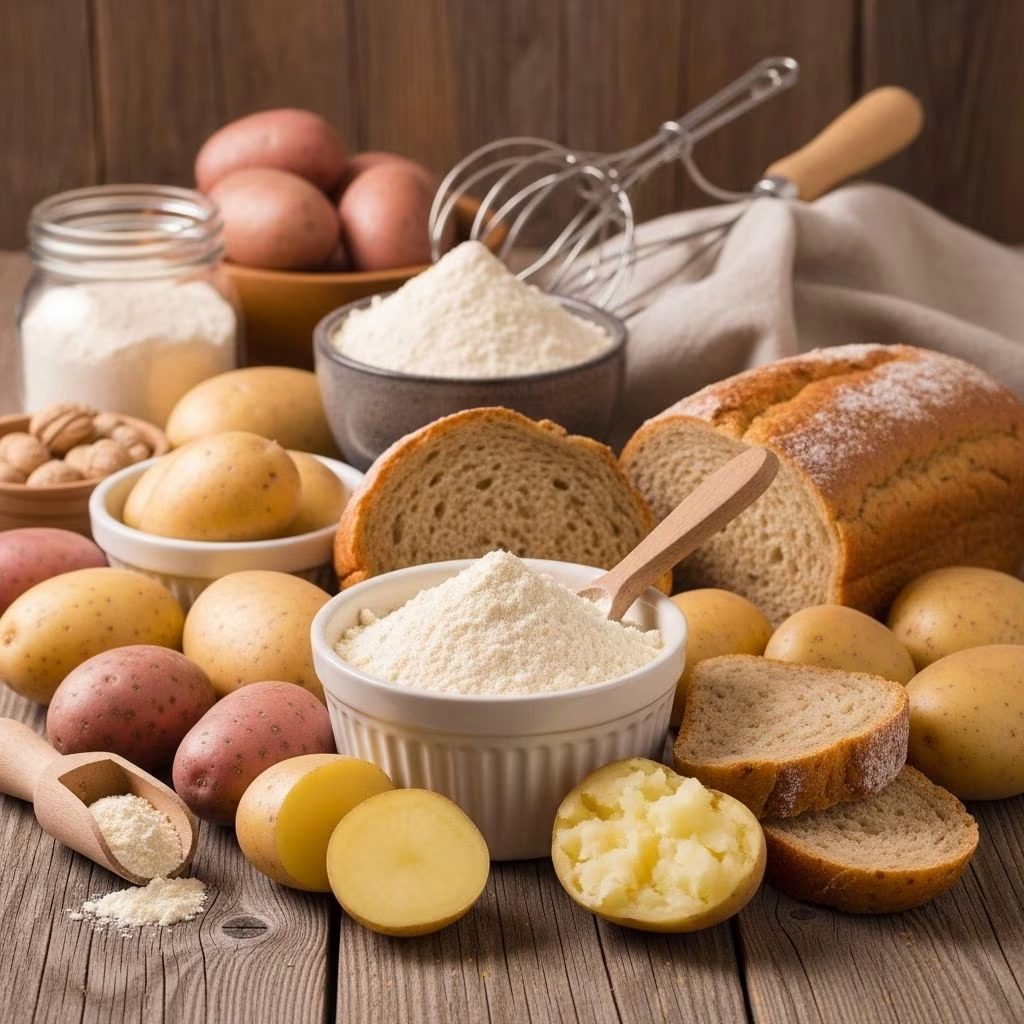
Potato flour is a versatile pantry staple gaining popularity among bakers and home cooks for its unique properties, health benefits, and suitability in gluten-free recipes. From boosting the texture and shelf life of bread to creating tender cakes and chewy cookies, potato flour is far more than a simple thickener. This comprehensive guide explores what potato flour is, how it is used in baking, the best substitutes, its nutritional values, and answers common questions to empower any baker or wellness enthusiast with expert knowledge.
What Is Potato Flour?
Potato flour is a fine, off-white powder made from whole, cooked, dried, and ground potatoes. Unlike potato starch, which is extracted only from the starchy part of the potato, potato flour retains fiber, protein, and micronutrients from the whole tuber. It offers a strong potato flavor, moisture-retentive properties, and a dense texture which sets it apart for specific culinary applications.
Potato flour should not be confused with potato starch. While the latter is lighter, nearly flavorless, and used primarily as a thickener, potato flour brings a hearty, earthy taste and dietary fiber to recipes.
Key Features of Potato Flour
- Gluten-free: Suitable for individuals with gluten sensitivities or celiac disease.
- Moisture retention: Holds water well, keeping baked goods fresh and soft for longer.
- Rich in nutrients: Provides potassium, iron, and dietary fiber.
- Distinct flavor: Adds characteristic earthy and slightly sweet tones to recipes.
How Potato Flour Is Made
The creation of potato flour involves several steps ensuring the nutritional integrity of the finished product:
- Potatoes are washed, peeled, cooked, and sliced.
- The slices are then dehydrated in large ovens or dryers, removing nearly all moisture.
- The fully dried potato slices are ground into a fine powder.
- The powder is sifted and packaged for commercial sale.
This meticulous processing helps preserve many of the potato’s natural nutrients and the earthy flavor that characterizes potato flour.
Baking Uses of Potato Flour
Potato flour is a secret weapon in both gluten-free and regular baking, valued for its unique baking chemistry. It is rarely used as the sole flour, but rather in tandem with wheat or other flours to enhance texture and freshness.
Bread Making
- Softness: A small amount added to bread dough yields a softer, stretchier crumb and extends shelf life, keeping loaves fresher for days.
- Moisture retention: Prevents breads from drying out quickly, resulting in a more appealing texture, especially in sandwich bread and rolls.
- Improved rise: Potato flour attracts and holds water, providing steam during baking which helps bread rise higher and create a more tender crumb.
Cakes and Muffins
- Tenderness: Contributes to a light, fluffy crumb when added in small amounts to cake or muffin batters.
- Flavor: Adds subtle earthiness, especially delicious in spiced and autumnal cakes like apple or eggnog cakes.
Cookies and Pastries
- Chewy texture: Used in cookies for a pleasantly chewy bite and in pastries to boost flakiness.
- Binding: Acts as a strong binder in gluten-free doughs, preventing crumbling.
Thickening Agent
- Soups and sauces: Provides silky, glossy texture without becoming stringy or gluey, unlike some other starches.
- Stews: Ideal for thickening hearty stews where its flavor complements root vegetables.
Gluten-Free Baking
- Essential for blends: A staple in gluten-free flour mixes for cakes, breads, and cookies, improving structure and moistness.
- Egg replacement: Can sometimes act as a partial egg substitute by binding and adding moisture.
Additional Culinary Uses
- Coatings for frying: Adds crunch to fried foods when used as a dredge or in batter mixes.
- Pasta and dumplings: Used in traditional recipes for a uniquely chewy, toothsome texture.
Sample Applications by Recipe Type
| Recipe Type | Potato Flour Function |
|---|---|
| Bread Loaves | Improves softness, shelf life, moistness |
| Cakes/Muffins | Tender crumb, flavor enhancement |
| Gluten-Free Baking | Structure, moisture, binding |
| Thickening (Soup/Sauce) | Glossy texture, subtle taste |
| Battered/Fried Foods | Extra crispiness, gluten-free breading |
How to Substitute Potato Flour
If you don’t have potato flour on hand, there are several effective substitutes, though each brings its own characteristics. Always consider moisture absorption and flavor when swapping, as exact replacements are rare due to potato flour’s unique properties.
- Potato Starch: The closest substitute for thickening, but lower in fiber and flavor. Use in a 1:1 ratio for thickening, but reduce liquid slightly in batters and doughs.
- Instant Mashed Potato Flakes: Pulse in a blender to a fine powder for a near-identical substitute in breads. Use slightly more by volume to achieve the same consistency.
- Tapioca Starch/Flour: Offers similar binding and chewy properties, though it gives a lighter result and little flavor.
- Sweet Rice Flour (Mochiko): Lends chewiness and binding in gluten-free bakes, but with a mild, sweet undertone.
- All-Purpose Flour (as a last resort): Not gluten-free, but can be used in small amounts when texture is not critical. Adjust liquid accordingly, as wheat absorbs less moisture.
For bread recipes, mashed potatoes (cooked and cooled) can also be folded into dough, but this alters water content and texture.
Always substitute by weight rather than volume when possible, as density can vary greatly between flours.
Nutrition of Potato Flour
Potato flour is not just a functional baking ingredient – it’s also valued for its nutrition, especially when compared to refined wheat flour or pure starches.
| Nutrient | Per 1/4 cup (30g) | Highlights |
|---|---|---|
| Calories | 110 | Moderate, provides lasting satiety |
| Carbohydrate | 25g | Mainly complex carbs, some resistant starch |
| Fiber | 2g | Higher than most refined flours |
| Protein | 3g | More than potato starch, a source of plant protein |
| Fat | <0.5g | Virtually fat free |
| Potassium | 480mg | Over 10% of daily need |
| Iron | 0.8mg | Contributes to daily requirement |
| Calcium | 12mg | Minor source |
| Vitamin C | 2mg | Less than fresh potatoes, but more than wheat flour |
Health-Related Benefits
- Gluten-free and hypoallergenic, making it suitable for sensitive diets.
- Potassium-rich, supports heart health and muscle function.
- Contains resistant starch, which may help blood sugar regulation and gut health.
- Higher fiber than most refined flours, supporting digestion and satiety.
Potato flour is low in fat, cholesterol-free, and a natural, minimally processed food, but it is still high in carbohydrates, so portion size should be considered for those managing blood sugar.
Potato Flour vs. Other Flours: A Comparison
| Criteria | Potato Flour | Wheat Flour | Potato Starch | Rice Flour |
|---|---|---|---|---|
| Gluten Content | None | About 10% | None | None |
| Flavor | Earthy, robust | Neutral | Bland | Mild, slightly sweet |
| Binding Power | High | Moderate | Low | Low |
| Moisture Retention | Excellent | Good | Poor | Moderate |
| Fiber Content | Moderate | Low | Very low | Low |
As illustrated, potato flour stands out for gluten-free baking, providing structure and shelf life unavailable in potato starch or rice flour, while also adding flavor and fiber absent from white wheat flour.
Popular Recipes Using Potato Flour
Potato Flour Eggnog Cake
This cake combines potato flour with wheat flour, yielding a delicate, light crumb and exceptional moisture. The inclusion of eggnog and oil makes butter unnecessary and gives the cake a rich, seasonal flavor.
Sandwich Bread with Potato Flour
Blending bread flour and potato flour yields a pillowy loaf with a chewy crust and improved freshness. Potato flour’s moisture-holding capacity makes it especially desirable for sandwich bread and rolls.
Other Favorite Uses
- Brioche burger buns: Helps retain richness and softness
- Cheesecakes: Used in the base for gentle binding
- Pancakes and waffles: For extra fluffiness and crisp edges
- Pastries such as kolaches: Enhances the bite and moisture of dough
Storage and Shelf Life
Proper storage ensures potato flour remains fresh and free from rancidity or clumping:
- Airtight container: To prevent exposure to air and humidity.
- Cool, dry place: Store in a pantry or cupboard away from direct sunlight.
- Refrigeration (optional): Extends shelf life, especially in warm climates.
- Check for clumping or off-odors: Discard if flour smells musty or develops mold.
Under proper conditions, potato flour typically remains fresh for 6–12 months after opening.
Frequently Asked Questions (FAQs)
Q: Is potato flour the same as potato starch?
A: No, they are different. Potato flour is ground from whole dehydrated potatoes and contains fiber, flavor, and protein. Potato starch is just the extracted starch, which is lighter and nearly flavorless.
Q: Is potato flour healthier than wheat flour?
A: Potato flour is gluten-free, higher in potassium and fiber, and suitable for gluten-free diets. However, it is still mostly carbohydrates. Wheat flour provides more protein but is not suitable for gluten-restricted diets.
Q: Can I use potato flour alone in bread?
A: Potato flour is rarely used alone; it works best when combined with wheat or gluten-free flour blends to avoid overly dense results.
Q: How much potato flour can I substitute in a recipe?
A: Usually, substitute up to 1/4 of the total flour in a recipe with potato flour for best results in breads or cakes.
Q: Does potato flour taste like potatoes?
A: It offers a subtle earthy, slightly sweet flavor, but does not taste strongly like a baked or boiled potato.
Q: Is potato flour suitable for keto or low-carb diets?
A: No, potato flour is high in carbohydrates and not suitable for low-carb or ketogenic diets.
Conclusion
Potato flour is a unique, healthful, and functional ingredient that excels in moisture retention, gluten-free structure, and enhancing the tenderness of baked goods. Its best uses are in combination with other flours for bread, cakes, and cookies, or as a thickener for soups and sauces. While it cannot always be swapped directly for other flours, with the right knowledge and substitutions, you can enjoy its distinct advantages in everyday baking and special recipes alike.
References
- https://combinegoodflavors.com/potato-flour-cake/
- https://food52.com/recipes/4029-everyday-potato-bread
- https://www.youtube.com/watch?v=wpaHsuzvUjM
- https://www.cookiemadness.net/2022/09/14/potato-flour-bread/
- https://insanelygoodrecipes.com/potato-flour-recipes/
- https://www.modernmountainbaking.com/blogs/recipes/best-potato-flour-recipes
- https://www.youtube.com/watch?v=jiTqmLckueI&vl=en


