


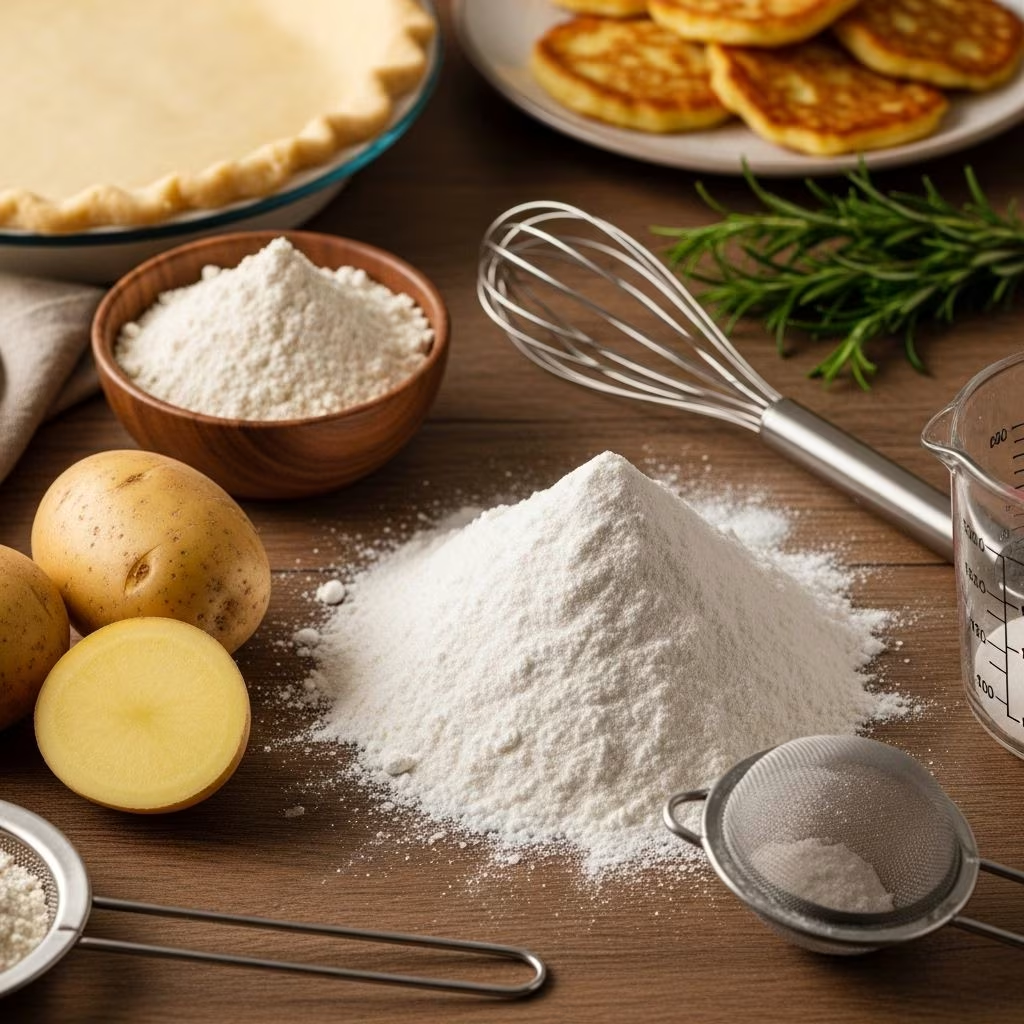
Potato Starch: Baking Uses, Substitutes & Nutrition
Potato starch, extracted from potatoes, is a versatile gluten-free ingredient cherished for its ability to create light, tender baked goods, thicken sauces, and support a variety of recipes. Its unique properties make it valuable in baking, particularly for those avoiding wheat or gluten. This comprehensive guide explores how potato starch is used in baking, the best alternatives, and its nutritional profile, empowering bakers and home cooks to make informed ingredient choices.
What is Potato Starch?
Potato starch is a fine, white powder made by extracting the starchy component from potatoes. The process involves crushing raw potatoes, separating the starch from the potato pulp, and drying it to create a purer, tasteless powder ideal for food applications. Unlike potato flour—which incorporates the whole potato including fiber and protein—potato starch is almost entirely carbohydrate and prized for its silkiness.
Potato Starch Uses in Baking
Potato starch plays a vital role in baking for both gluten-free and conventional recipes. Here’s how:
- Lightens and tenderizes baked goods: Its fine texture adds softness to cakes, muffins, breads, and cookies.
- Promotes moisture retention: Potato starch absorbs liquid efficiently, keeping breads and pastries moist.
- Improves crumb structure: Adds resilience and volume to gluten-free baked goods that might otherwise be dense.
- Thickening agent: Used to thicken pie fillings, custards, puddings, sauces, and gravies without altering flavor.
- Crisping agent: In batters for fried foods and coatings, potato starch helps yield a crunchier, golden finish.
Potato starch is featured in recipes like gluten-free bread, sugar cookies, pancakes, and specialty cakes for its ability to mimic wheat flour properties without gluten.
Why Bakers Choose Potato Starch
The popularity of potato starch in baking emerges from its functional advantages for texture, moisture, and gluten-free applications:
- Neutral flavor: Potato starch does not impart any flavor, allowing the primary ingredients to shine through.
- High purity: Free from protein and fat, potato starch behaves predictably in recipes, unlike whole flours.
- Gluten-free: An essential ingredient for those with celiac disease or gluten sensitivity.
- Versatility: Works in both baking and cooking, suitable for savory as well as sweet recipes.
How to Use Potato Starch in Recipes
Potato starch serves multiple baking and culinary functions. Here are practical tips for its use:
- For cakes, cookies, and muffins: Replace a portion of flour (usually 10%-20%) with potato starch to enhance tenderness.
- Thickening sauces and fillings: Dissolve potato starch in cold water before adding to hot mixtures to prevent clumping. Heat until thickened, avoid overcooking which can break down the starch and cause thinning.
- Gluten-free baking blends: Potato starch is commonly blended with flours like rice, tapioca, and sorghum for improved performance.
- Coating and frying: Toss vegetables, proteins, or tofu in potato starch before frying for a crispier finish.
Typical ratios: For thickening, use 1 tablespoon of potato starch per cup of liquid. For baking, adjust based on the recipe’s proportions—often 1/4 to 1/2 cup per batch for enhanced moisture and crumb.
Potato Starch Substitutes
If you’re out of potato starch, several alternatives offer similar performance, especially in gluten-free recipes. The following table summarizes the top substitutes for different baking and cooking tasks:
| Substitute | Best Use | Ratio to Potato Starch | Notes |
|---|---|---|---|
| Arrowroot Powder | Baking, thickening | 1:1 | Mild flavor; lightens gluten-free recipes |
| Cornstarch | Thickening, baking | 1:1 | Neutral taste; widely available |
| Tapioca Starch | Baking, thickening | 1:1 | Similar performance; slightly chewy texture |
| Sweet Rice Flour (Mochi flour) | Cakes, brownies, sticky baked goods | 1:1 (or see recipe) | Higher stickiness; slightly sweet flavor |
| Instant Mashed Potato | Soups, stews, gravies | 1:1 | Pulse for smoother consistency; adjust for salt |
| Coconut Flour | Baking | 1/2 to 1 | Absorbs more liquid; not ideal for thickening |
Each alternative may subtly alter the texture or flavor of your recipes. Arrowroot, cornstarch, and tapioca starch are the most versatile gluten-free swaps, with sweet rice flour and instant mashed potato performing best in select recipes.
Nutrition and Health Facts
Potato starch is valued for its specific culinary uses, though its nutritional value is limited. Here’s a breakdown of potato starch nutrition per tablespoon (approximate values):
- Calories: 40
- Total Carbohydrates: 10g
- Sugar: 0g
- Protein: 0g
- Fat: 0g
- Fiber: <0.5g
- Sodium: 0mg (unless using salty instant mashed potatoes)
Potato starch is pure carbohydrate with minimal micronutrients, proteins, or fiber. It is essentially free of gluten, fat, and sugar, making it suitable for gluten-free and low-fat diets.
Potential Health Considerations
- Low nutritional density: Potato starch provides energy but little in the way of vitamins, minerals, or fiber.
- Digestibility: Resistant starches in potato starch may support gut health by acting as prebiotics, though most is quickly digested.
- Allergen-friendly: Free from gluten and common allergens, safe for most dietary restrictions.
- Caloric impact: Use in moderation if following a calorie-conscious plan.
Potato Starch vs. Potato Flour
Understanding the distinction between potato starch and potato flour is essential for successful baking:
- Potato Starch: Extracted starch only; white, fine powder; neutral flavor; used as a thickener and texture enhancer.
- Potato Flour: Whole dried potato; off-white, more coarse; includes fiber and protein; earthy, pronounced potato flavor.
Potato flour will add more flavor, color, and density to baked goods and absorbs more liquid, whereas potato starch retains lightness. They are not interchangeable in every recipe—substituting one for the other may require balancing liquid and flour ratios.
Storage Tips and Handling
- Store in an airtight container: Potato starch is highly absorbent and can clump if exposed to moisture.
- Keep cool and dry: Prolongs shelf life and prevents spoilage—pantries or cupboards are ideal.
- Avoid direct sunlight: Light and warmth can degrade texture and performance over time.
- Check expiration dates: Though shelf-stable, potato starch can lose thickening power if stored for extended periods.
Frequently Asked Questions (FAQs)
Q: Is potato starch gluten-free?
A: Yes, potato starch is naturally gluten-free, making it safe for individuals with celiac disease or gluten sensitivity.
Q: Can potato starch replace flour in all baking recipes?
A: No, potato starch cannot fully replace flour in most recipes because it lacks protein and structure. Use it in combination with other gluten-free flours for best texture.
Q: How does potato starch differ from cornstarch in baking?
A: Both thicken and lighten baked goods, but potato starch is less likely to turn gummy when heated, while cornstarch can form a more gel-like consistency. Flavors are similarly neutral.
Q: What is the best substitute for potato starch in baking?
A: Arrowroot powder, cornstarch, and tapioca starch are top gluten-free substitutes, each performing similarly in most baking and thickening applications.
Q: Is potato starch nutritious?
A: Potato starch is calorie-dense but not nutritionally rich; it is mostly carbohydrate with little protein, fiber, or micronutrients.
Conclusion
Potato starch remains an indispensable ingredient for gluten-free bakers and cooks, offering vital texture, thickening, and moisture retention without affecting flavor or introducing gluten. While nutritionally limited, its utility in baking and as a thickening agent make it valuable—and with abundant substitutes like arrowroot, cornstarch, and tapioca, every pantry can be adapted for exceptional results.
References
- https://zestforbaking.com/substitute-potato-starch-potato-flour
- https://www.kingarthurbaking.com/blog/2017/11/17/potato-flour-substitute
- https://www.alsothecrumbsplease.com/potato-starch-substitute/
- https://www.freefromheaven.com/food/gluten-free-diet/ask-experts-can-i-use-potato-starch-substitute/
- https://www.celiac.com/forums/topic/159643-arrowroot-powder-in-replacement-of-potato-starch%E2%80%A6/


