PUPPP rash (Pruritic Urticarial Papules and Plaques of Pregnancy), also known as polymorphic eruption of pregnancy (PEP), is a common but often distressing skin condition many expectant mothers experience — especially in the third trimester. While harmless to both mother and baby, it brings intense itching and discomfort. Understanding its origins, symptoms, risk factors, and, most importantly, safe natural ways to relieve PUPPP rash can help you manage one of pregnancy’s most annoying symptoms naturally and effectively.
What is PUPPP Rash?
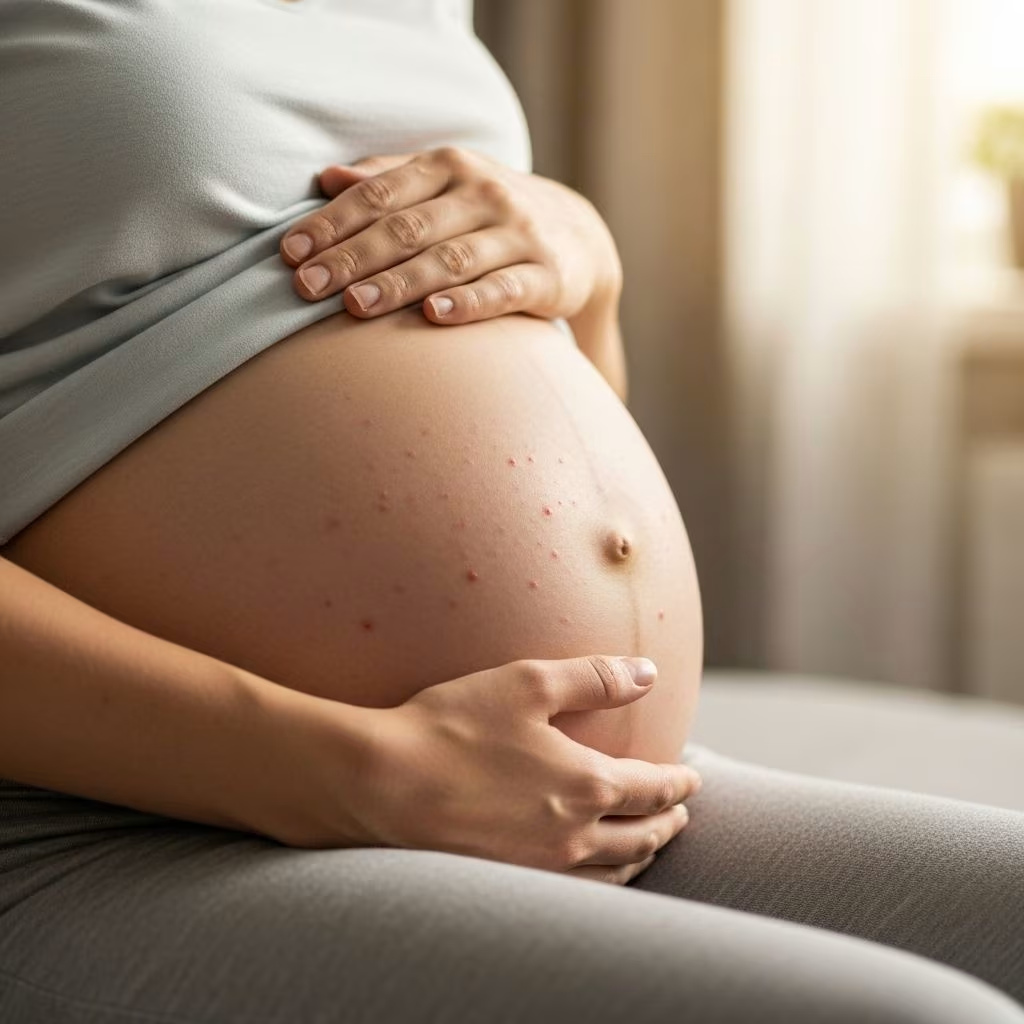
PUPPP rash is a temporary skin condition associated with pregnancy. It presents as itchy, red, hive-like bumps that most often begin in stretch marks on the belly before possibly spreading to the buttocks, thighs, and occasionally the arms and breasts. It typically develops during the third trimester and resolves shortly after childbirth.
Common Characteristics of PUPPP Rash:
- Clusters of small, itchy, red or pink bumps, sometimes merging into larger, raised patches (plaques)
- Frequently starts in abdominal stretch marks
- May spread to thighs, buttocks, arms, and breasts
- Rarely affects the face, hands, or feet
- Itching may be severe and distressing
- The rash may blister and ooze if scratched excessively
- Usually does not cause lasting skin changes or scars
Causes of PUPPP Rash
The exact cause of PUPPP rash is still uncertain despite extensive research, but several theories provide insight into why this condition develops exclusively during pregnancy.
- Skin stretching: The rapid growth of the abdomen, especially in the first pregnancy or with multiple gestation (twins/triplets), may damage connective tissue, prompting an inflammatory response and rash development.
- Immune reaction: Hormonal changes and the presence of fetal DNA in maternal skin may trigger an abnormal immune response.
- Hormonal factors: Increased levels of progesterone and other pregnancy hormones are suspected to play a role.
- Genetic predisposition: A family history of PUPPP or pregnancy-related rashes may increase risk.
Notably, PUPPP rash is not contagious and does not harm the baby.
Who is Most at Risk?
PUPPP rash can impact anyone, but certain risk factors make its development more likely:
- First-time pregnancy: Most common in women experiencing their first pregnancy.
- Carrying multiples: Twin and triplet pregnancies are at higher risk due to greater abdominal stretching.
- Rapid weight gain: Gaining a substantial amount of weight quickly during pregnancy raises risk.
- Genetic factors: Family history of similar rashes may contribute.
- Male fetus: Some studies suggest PUPPP is more frequent in pregnancies with male babies.
Symptoms of PUPPP Rash
The primary symptom of PUPPP rash is an itchy, bumpy rash that often appears suddenly in the third trimester.
- Intense, persistent itching, mainly around stretch marks
- Clusters of red, raised bumps or welts (papules)
- The rash may merge into larger, hive-like patches (plaques)
- Occasionally, fluid-filled blisters form
- Yellow or clear discharge if blisters are scratched
- Patches may develop a crust as they heal
- In rare cases, affected skin may burn or tingle
- Usually goes away within 1-2 weeks after delivery
How is PUPPP Rash Diagnosed?
Diagnosis of PUPPP rash is primarily based on clinical observation and discussion of symptoms. No specific test exists for PUPPP; however, your healthcare provider may order certain tests to rule out other, more serious conditions (like cholestasis or pemphigoid gestationis) if the presentation is atypical.
Diagnostic Steps May Include:
- Detailed physical examination of the rash and medical history
- Occasional blood work (CBC, liver function tests)
- Skin biopsy or immunofluorescence to exclude other pregnancy dermatoses
- Scrapings for microscopic analysis if infection is suspected
PUPPP is differentiated from other pregnancy rashes primarily by its marking in stretch marks, its timing in the third trimester, and the lack of associated systemic symptoms.
Is PUPPP Rash Dangerous?
PUPPP rash poses no risk to the developing baby or mother beyond discomfort and sleep disturbance from itching. Unlike other pregnancy-related rashes, such as cholestasis or pemphigoid gestationis, PUPPP does not affect the fetus or pregnancy outcome.
How Long Does PUPPP Rash Last?
- PUPPP rash typically appears during the last month of pregnancy, although it can occur earlier in rare cases.
- Most women experience relief within one to two weeks after delivery, even without treatment.
- In rare cases, symptoms continue for a short period after birth.
Natural and Home Remedies for PUPPP Rash Relief
While medical interventions are sometimes prescribed, many women prefer natural remedies for PUPPP rash to avoid drug exposure during pregnancy. Gentle, at-home care can significantly ease discomfort and control itching.
Recommended Natural Remedies:
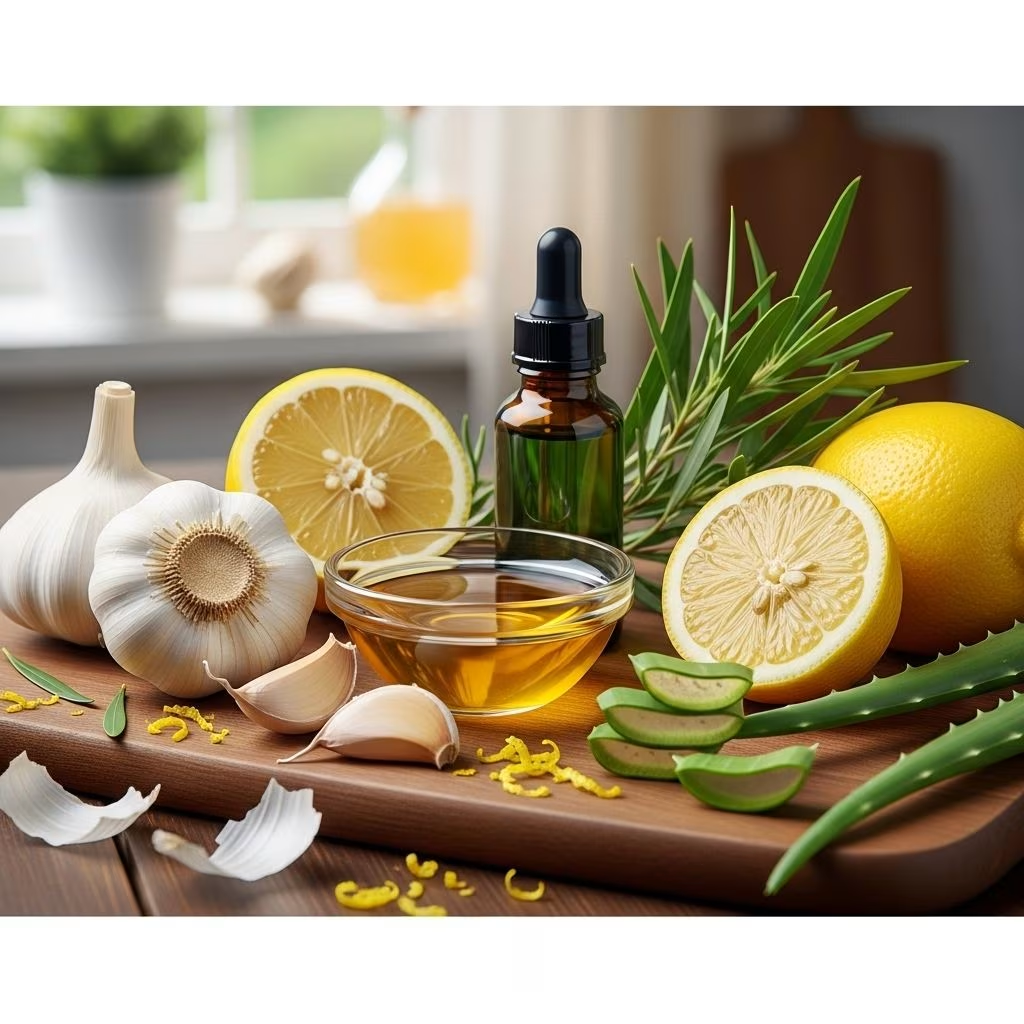
- Oatmeal baths: Adding colloidal oatmeal to a lukewarm bath soothes inflamed skin and eases itching.
- Cold compresses: Applying a clean, cool compress to affected areas provides immediate relief from itching and irritation.
- Aloe vera gel: Pure aloe vera calms inflammation, moisturizes skin, and helps with healing.
- Coconut oil: Gentle application of virgin coconut oil provides moisture and has natural anti-inflammatory effects.
- Baking soda paste: Mixing baking soda with water into a paste and applying it topically may reduce itching and irritation.
- Mild, fragrance-free moisturizers: Emollient creams and ointments (such as shea butter or cocoa butter) help reduce dryness and protect skin.
- Loose, breathable clothing: Wearing soft, cotton fabrics prevents further skin irritation from chafing and sweating.
- Hydration: Drinking enough water keeps your skin healthy from the inside out.
These natural remedies are generally safe for pregnancy but check with your healthcare provider before starting any new treatment.
Additional At-Home Comfort Tips:
- Avoid hot showers and baths, which can worsen dryness and itching; use lukewarm water instead.
- Keep fingernails short to minimize skin damage from scratching.
- Mild soaps and gentle cleansing keep skin clean without stripping moisture.
- If stress worsens itching, practice relaxation techniques like deep breathing and meditation.
Conventional Treatments (When Natural Remedies Aren’t Enough)
If severe itching or rash persists despite natural treatments, your doctor may recommend safe medications:
- Topical corticosteroids (e.g., hydrocortisone)
- Oral antihistamines (e.g., diphenhydramine)
- In rare, extreme cases: a short course of systemic steroids
Always use these medications under medical supervision during pregnancy.
When Should You See a Doctor?
Consult your healthcare provider if:
- The rash is accompanied by fever, chills, or signs of infection
- Itching becomes unbearable or interferes with sleep
- The rash spreads rapidly or blisters severely
- Jaundice (yellowing of skin/eyes) or dark urine develops – signs of cholestasis, a more serious condition
Complications and Prognosis
- PUPPP is a benign, self-limiting condition.
- No known complications for the mother or baby.
- Symptoms resolve soon after childbirth.
- PUPPP rarely recurs in subsequent pregnancies.
Prevention: Can PUPPP Rash Be Avoided?
No guaranteed way to prevent PUPPP rash is known. However, maintaining skin hydration throughout pregnancy may help:
- Keep skin moisturized to reduce dryness and susceptibility to irritation.
- Gain pregnancy weight gradually as recommended by your doctor.
Frequently Asked Questions (FAQs) About PUPPP Rash
Q: Is PUPPP rash dangerous to the baby?
A: No, PUPPP rash is harmless to both mother and baby. It does not affect fetal health, development, or pregnancy outcome.
Q: How long will my PUPPP rash last?
A: Most cases resolve within 1 to 2 weeks after delivery. Symptoms rarely persist in the postpartum period.
Q: Can I treat PUPPP rash naturally at home?
A: Yes. Most women can safely use oatmeal baths, cool compresses, moisturizers, and other natural remedies at home. Severe symptoms may need medical treatment.
Q: What if my rash doesn’t improve?
A: If home remedies don’t relieve your symptoms or if the rash worsens, consult your healthcare provider promptly to rule out other causes and discuss further treatment.
Q: Will PUPPP happen in my next pregnancy?
A: It is unlikely. Most women experience PUPPP only in their first pregnancy, and recurrence rates are low.
Q: Is scratching the rash dangerous?
A: While scratching won’t harm your baby, it can worsen irritation, risk infection, and delay healing. Use soothing remedies and keep fingernails short.
Key Takeaways
- PUPPP rash causes intense itching in the third trimester but is harmless to mother and baby.
- Natural remedies—including oatmeal baths, moisturizers, and cool compresses—often provide relief.
- Medical treatments like topical steroids and antihistamines are available for severe cases.
- Most women recover fully after delivery, and the rash seldom recurs in future pregnancies.
Summary Table: PUPPP Rash at a Glance
| Feature | PUPPP Rash |
|---|---|
| When It Occurs | Third trimester (sometimes postpartum) |
| Common Sites | Abdomen, thighs, buttocks, arms, breasts |
| Symptoms | Itchy, red bumps and plaques; severe itchiness |
| Causes | Unclear; possibly skin stretching, hormones, immune reaction |
| Complications | None (benign, self-limiting) |
| Treatment | Home remedies, moisturizers, medical therapy if severe |
| Prognosis | Excellent; resolves after childbirth |
If you suspect you have PUPPP rash, consult your healthcare provider to confirm diagnosis, rule out other issues, and get tailored advice on the safest way to manage symptoms and stay comfortable throughout your pregnancy.
References
- https://www.webmd.com/baby/what-is-puppp-rash
- https://healthlibrary.osfhealthcare.org/3,61111
- https://www.ummhealth.org/health-library/pruritic-urticarial-papules-and-plaques-of-pregnancy
- https://www.draliabadi.com/womens-health-blog/pregnancy-rash-puppp/
- https://www.osmosis.org/answers/PUPPP-rash
- https://www.aocd.org/page/PUPPP
- https://www.ncbi.nlm.nih.gov/books/NBK539700/