


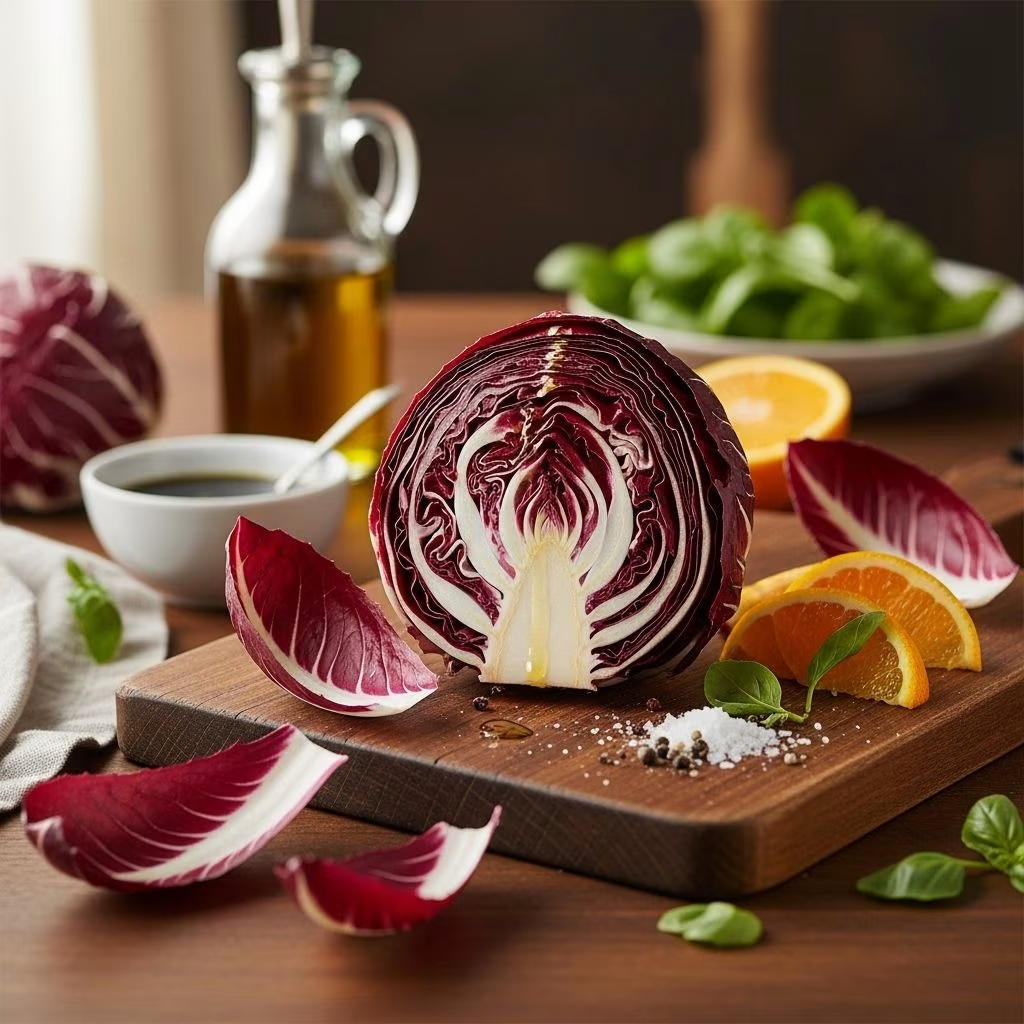
Radicchio, with its vivid red leaves and bold, bittersweet flavor, is a staple in Italian and Mediterranean cuisine. Revered for both its culinary and nutritional value, this unique leafy vegetable captivates the senses, offering crunch, color, and complexity to a variety of dishes. If you’ve ever wondered what exactly radicchio is, why health experts recommend it, and how to make the most of its taste in your kitchen, read on for a comprehensive guide.
What Is Radicchio?
Radicchio (Cichorium intybus var. foliosum) is a perennial leafy vegetable belonging to the Asteraceae family, closely related to chicory and endive. Known for its compact, wine-red to deep purple leaves with pronounced white veins, radicchio is often mistaken for red cabbage. However, it distinguishes itself with a more pronounced bitterness and a peppery, slightly spicy character that mellows substantially when cooked.
Key characteristics:
- Appearance: Colorful white-veined red or purple leaves forming a tight head or loose cluster, depending on the variety.
- Botanical Family: Asteraceae, related to chicory and dandelion.
- Origins: Widely cultivated in Italy, particularly in the Veneto region, but now enjoyed globally.
- Edible Parts: Primarily the leaves, eaten raw or cooked.
Origins and History of Radicchio
Radicchio boasts a rich history that dates back to the ancient Romans. Notably, Pliny the Elder referenced its medicinal qualities, suggesting it could purify the blood and aid sleep due to its natural sedative compounds. Early cultivation is thought to have begun in the 15th century in Northern Italy, particularly in the Veneto, Friuli-Venezia Giulia, and Trentino regions.
The distinct deep-red, white-veined radicchio familiar today was developed in the mid-1800s by Belgian agronomist Francesco Van den Borre, who introduced the imbianchimento (whitening or blanching) technique. By removing the plants from soil and keeping them in darkened, humid conditions, producers inhibited chlorophyll and intensified the plant’s color and flavor.
Varieties and Types of Radicchio
Several unique varieties of radicchio are cultivated worldwide, differing in appearance, flavor, and culinary use:
- Chioggia: The most common variety; round, cabbage-like with tightly packed maroon and white-veined leaves. Mildest bitterness, popular in salads.
- Treviso: Elongated, tapering head with deep red leaves and white ribs. Slightly more assertive bitterness, excellent for grilling.
- Castelfranco: Rosetted leaves, speckled with red, and cream-colored. Delicate flavor, often used raw.
- Tardivo: A late-harvest Treviso type, remarkable for long, finger-like leaves with a striking white midrib and deep red color. Noted for its complex flavor and prized in Italian cuisine.
- Variegato di Chioggia: Similar to Castelfranco but with round heads and cream-colored leaves flecked with red, offering a milder taste.
Nutritional Profile
Though low in calories, radicchio is a nutritional powerhouse, supplying a variety of vitamins, minerals, and plant-based antioxidants. Below is a quick overview of its nutritional contributions (per 1-cup, raw serving):
| Nutrient | Amount per 1 Cup (Approx. 40g) |
|---|---|
| Calories | 9 |
| Carbohydrates | 2g |
| Protein | 1g |
| Fat | 0g |
| Fiber (inulin) | 1g |
| Vitamin K | 128% DV |
| Vitamin C | 4% DV |
| Folate (B9) | 3% DV |
| Potassium | 5% DV |
| Copper | 6% DV |
| Zinc | 2% DV |
Radicchio is especially rich in vitamin K, inulin (prebiotic fiber), folate, and powerful antioxidants such as anthocyanins, which give it its vibrant color.
Health Benefits of Radicchio
Including radicchio in your diet offers a host of science-backed health advantages:
- Supports Cognitive Health: Its high vitamin K content may be associated with improved memory performance and reduced risk of cognitive impairment in older adults.
- Promotes Heart Health: Vitamin K helps regulate blood flow, preventing the buildup of calcium in arteries. Antioxidants and fiber contribute to lower blood pressure and healthier cholesterol levels.
- Strengthens Bones: Adequate vitamin K intake is important for bone formation and density, lowering osteoporosis risk.
- Supports Digestive Health: Prebiotic fiber (inulin) aids gut health and regularity, while antioxidants help repair cellular damage in the digestive tract.
- May Aid Weight Management: Very low in calories and high in fiber, making meals more filling with minimal calories.
- High in Potent Antioxidants: Anthocyanins in radicchio may protect against oxidative stress and lower the risk of certain diseases, including heart disease and some cancers.
- Blood Sugar Regulation: Some evidence suggests that bitter greens, including radicchio, may help blunt post-meal blood sugar spikes.
Culinary Uses and Preparation
Radicchio’s culinary value is celebrated, particularly in Italian, French, and Mediterranean kitchens. It shines both as a raw and cooked ingredient, offering versatility that suits creative cooks and classic recipes alike.
Popular Ways to Use Radicchio
- Salads: Sliced or shredded raw to add color, crunch, and a bold bite. Blends well with milder greens and creamy cheeses to balance bitterness.
- Grilled or Roasted: Cooking mellows radicchio’s bitterness. Grilling, roasting, or braising brings out sweetness and adds smokiness. Often served with olive oil, balsamic vinegar, herbs, or citrus.
- Sautéed: Quickly sautéed with garlic and olive oil for a simple side dish or stir-in for risottos and pasta.
- Pasta & Risottos: Sliced and stirred into risotto alla Trevigiana or combined with pasta, especially with gorgonzola or walnuts.
- Pizzas and Flatbreads: Layers of wilted radicchio atop pizzas for visual interest and zesty flavor.
- Wraps & Appetizers: Whole leaves used as edible cups for salads, grains, or cheese-based fillings.
Radicchio pairs exceptionally well with citrus, apples, pears, nuts, aged cheeses, beans, fatty meats (like pancetta), and sweet dressings that help balance its inherent bitterness.
Taste Profile: What Does Radicchio Taste Like?
Radicchio offers an assertive bitter and slightly spicy flavor with a crisp, resilient texture, especially when raw. While the bitterness can be pronounced at first bite, it is a sought-after characteristic that invigorates salads, counteracts richness, and wakes up the palate.
Some key characteristics:
- Raw: Sharp, peppery, and bitter, with subtle sweet undertones.
- Cooked: Bitterness softens, sweetness deepens, flavor becomes more rounded and earthy.
- Type-dependent: Treviso is often more intensely bitter, while Chioggia is relatively mild.
Many chefs and home cooks intentionally combine radicchio with sweeter or fatty foods to counterbalance its astringency, resulting in a harmonious dish.
Selection and Storage Tips
To make the most of radicchio’s flavor, look for these qualities at your market:
- Heads should be firm, dense, and brightly colored, with fresh, undamaged leaves.
- Avoid specimens with yellowing, browning, or wilting edges.
- For optimal taste, choose radicchio during its peak season in late fall and winter.
Storage:
- Keep unwashed radicchio heads in the vegetable drawer of your refrigerator for up to a week.
- Do not wash until ready to use, as moisture accelerates spoilage.
- Once cut, wrap tightly in a paper towel and plastic bag to maintain freshness.
Potential Side Effects & Considerations
- Vitamin K and Blood Thinners: Radicchio’s high vitamin K content can interfere with blood-thinning medications, such as warfarin. Individuals on these drugs should moderate intake and consult their doctor.
- Bitterness Sensitivity: Those sensitive to bitter flavors may find raw radicchio strong; cooking can help mellow the taste.
- Allergies: Rare, but cross-reactivity is possible if you have a chicory or ragweed allergy.
Frequently Asked Questions (FAQs)
Is radicchio the same as red cabbage?
No, although similar in appearance, radicchio is a type of chicory with a bitter, peppery taste. Red cabbage is a member of the Brassica family and has a milder, sweeter flavor.
Is radicchio good to eat raw?
Yes, it can be enjoyed raw in salads or as a garnish. Its bitterness is more pronounced when raw, making it ideal for pairing with sweet, creamy, or acidic ingredients.
Can you cook radicchio?
Absolutely. Grilling, roasting, sautéing, or braising radicchio can mellow its sharpness, making it sweeter and more tender. Cooked radicchio is a favorite in Italian cuisine for pastas, risottos, and more.
What are some classic dishes using radicchio?
Radicchio is a signature ingredient in Risotto alla Trevigiana (Treviso-style risotto), grilled radicchio with balsamic glaze, radicchio and walnut salad, and pizza with radicchio and blue cheese.
Is radicchio nutritious?
Yes. It is high in vitamin K and antioxidants and provides prebiotic fiber, while being low in calories and fat.
References
- Radicchio – Wikipedia
- Health Benefits of Radicchio – WebMD
- Radicchio – Taylor Farms
- Radicchio: Nutrition, Benefits, and Uses – Healthline
- What Is Radicchio? Benefits, Nutrition, Recipes and Side Effects – Dr. Axe
- Radicchio Information and Facts – Specialty Produce
References
- https://en.wikipedia.org/wiki/Radicchio
- https://www.webmd.com/diet/health-benefits-radicchio
- https://www.taylorfarms.com/vegetable-type/garden-favorites/radicchio/
- https://www.healthline.com/nutrition/radicchio
- https://draxe.com/nutrition/radicchio/
- https://specialtyproduce.com/produce/Radicchio_502.php
- https://www.chicoryweek.com/radicchiogallery


