


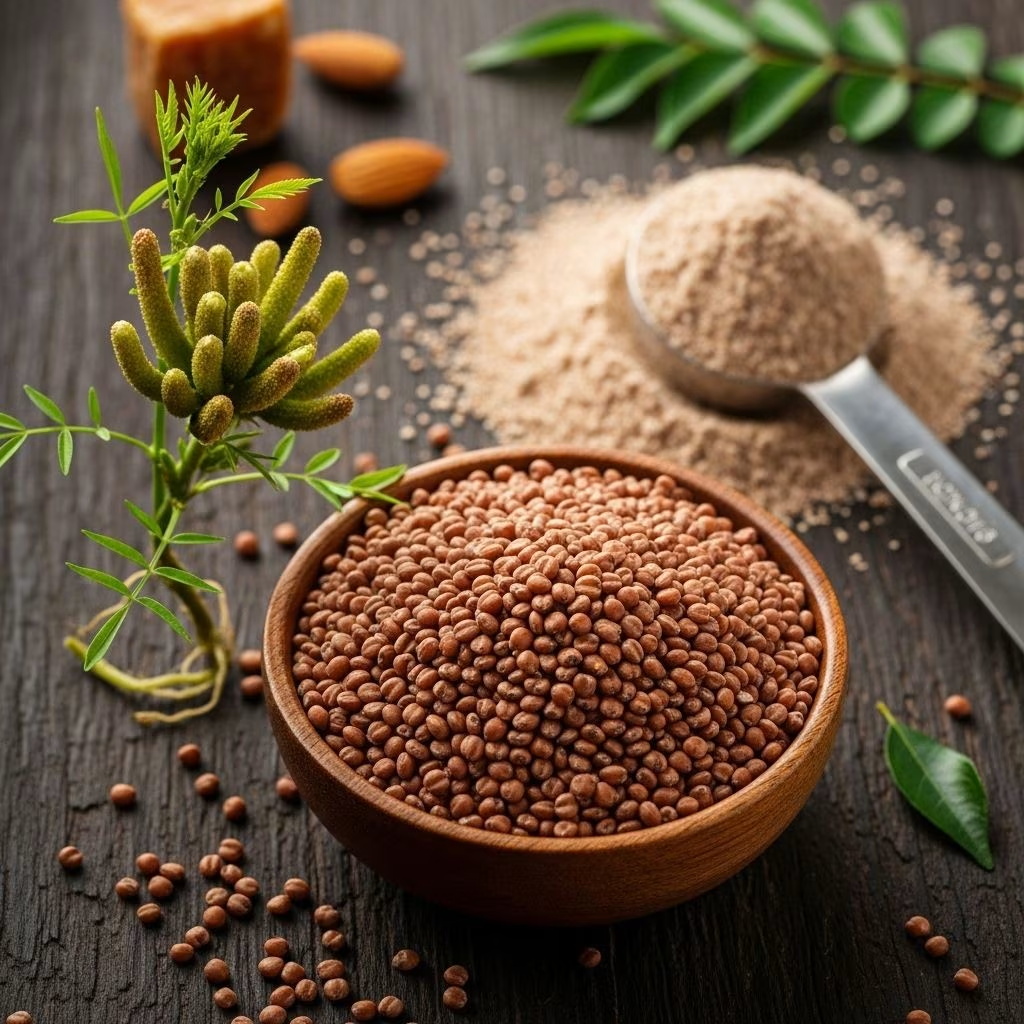
Ragi, also known as finger millet (scientific name: Eleusine coracana), is an ancient, gluten-free grain widely consumed in India and parts of Africa. Celebrated for its exceptional nutritional value, ragi has become a centerpiece of health-conscious diets, offering versatile culinary applications and distinctive taste. This robust whole grain not only provides essential nutrients but also delivers multiple health benefits, making it a superfood for people of all ages. In this comprehensive article, you will discover what makes ragi unique, its nutritional strengths, health effects, various uses in the kitchen, its flavor profile, and practical tips for integrating this grain into your diet.
What Is Ragi (Finger Millet)?
Ragi is a small, reddish-brown cereal grain and a member of the millet family, which has been cultivated for over 4,000 years. It is particularly popular in India, Nepal, Africa, and Sri Lanka, where it has long been considered a staple food due to its resilience in drought-prone environments and its ability to thrive in poor soils. The name “finger millet” derives from the grain’s unique seed head, which resembles a set of fingers radiating from a central point.
- Scientific Name: Eleusine coracana
- Major Producers: India (Karnataka, Tamil Nadu), Africa (Uganda, Ethiopia, Kenya)
- Common Names: Ragi (India), Wimbi (Swahili), Kezhvaragu (Tamil)
- Cultural Importance: Used in traditional foods, infant weaning recipes, and festivals
The grain is often made into flour, porridge, rotis, dosas, or added to various preparations. It is considered highly sustainable, with a low water footprint and pest resistance, making it a key crop for regions with challenging agricultural conditions.
Nutritional Profile of Ragi
Ragi stands out for its significant concentration of nutrients and its status as a whole grain, retaining its bran, germ, and endosperm during processing.
| Nutrient (per 100g dry) | Amount | Key Benefits |
|---|---|---|
| Energy | 320 kcal | Sustained energy release |
| Protein | 7g | Supports growth and repair |
| Carbohydrates | 67g | Main energy source |
| Dietary Fiber | 11g | Aids digestion, keeps you full |
| Calcium | 364 mg | Promotes bone health |
| Iron | 4.6 mg | Prevents anemia |
| Phosphorus | 283 mg | Bone, teeth formation |
| Potassium | 490 mg | Heart health, fluid balance |
| Magnesium | 146 mg | Enzyme functions |
| Thiamin (B1) | 0.42 mg | Energy metabolism |
| Antioxidants | Phenolic acids, flavonoids | Protects cells from damage |
Unlike refined grains, ragi is packed with micronutrients essential for child development, robust immune function, and adult health. It is also high in amino acids like methionine, which is uncommon in plant-based staples and crucial for vegetarians and vegans .
Health Benefits of Ragi
Ragi’s nutritional density translates into a range of health benefits, solidifying its position as a superfood. Its benefits have been validated in both traditional wisdom and modern research.
- Rich Source of Calcium: Ragi contains up to 30x more calcium than other cereals, supporting bone and teeth strength, and helping prevent osteoporosis and arthritis. Sprouted ragi has up to 20% more calcium, further enhancing its value for growing children and aging adults .
- Supports Gluten-Free Diet: Naturally gluten-free, ragi is a safe option for those with celiac disease or gluten sensitivity .
- Prevents and Controls Diabetes: Ragi’s high fiber and polyphenol content slow down carbohydrate digestion, lowering blood sugar spikes—a boon for diabetes control .
- Promotes Weight Loss: The fiber-rich profile offers satiety, curbing hunger cravings, and aiding portion control without sacrificing nutrition .
- Improves Heart Health: Ragi helps reduce LDL (‘bad’) cholesterol and triglycerides, and its antioxidants minimize arterial inflammation and heart disease risk .
- Boosts Red Blood Cell Production: The presence of iron and Vitamin B1 is especially important for addressing anemia and fatigue, while also supporting energy metabolism .
- Supports Child Growth: Ragi is traditionally used in weaning foods, offering a balance of protein, iron, calcium, and magnesium for healthy growth, brain, and bone development .
- Anti-cancer and Anti-aging: Ragi’s antioxidants, notably phenolic acids and flavonoids, help combat cellular oxidation, reduce signs of aging, lower inflammation, and may reduce cancer risk, especially esophageal cancers compared to wheat or maize diets .
- Strengthens Immunity: Zinc, magnesium, and bioactive compounds found in ragi enhance immune defense mechanisms .
- Improves Digestion: Its insoluble fiber prevents constipation and supports gut health.
Summary Table: Ragi vs Common Cereals
| Feature | Ragi | Wheat | Rice |
|---|---|---|---|
| Calcium (mg/100g) | 364 | 52 | 10 |
| Iron (mg/100g) | 4.6 | 3.3 | 0.2 |
| Protein (g/100g) | 7 | 11.8 | 6.8 |
| Gluten Content | None | High | None |
| Dietary Fiber (g/100g) | 11 | 2.5 | 1.3 |
| Antioxidants | High | Low | Low |
Culinary Uses of Ragi
Ragi is a culinary chameleon, adapting to a variety of traditional and contemporary dishes. Its flour is a staple in many Indian households, often used in everyday rotis, porridge, and snacks. The whole grains can be cooked as a cereal or popped for crunchy delights. With growing global interest in ancient grains, ragi is now featured in healthy, gluten-free recipes worldwide.
- Ragi Roti: A flatbread popular in South India, enjoyed with curries, chutneys, and vegetables.
- Porridge (Ragi Malt or Kanji): Breakfast staple for children and adults, made by simmering flour with water or milk, often sweetened with jaggery.
- Dosa and Idli: Fermented pancakes and steamed cakes, made by blending ragi with rice and lentils.
- Baked Snacks: Cookies, cakes, muffins, pancakes, and energy bars featuring ragi flour as a nutritious alternative to wheat.
- Soups and Stew Thickener: Gluten-free flour adds texture and a nutritional boost to soups and sauces.
- Baby Food: Ragi porridge is a preferred weaning food owing to its digestibility and mild flavor.
- Sprouted Ragi: Sprouting intensifies nutritional value; sprouted flour is used in health mixes and drinks.
Modern recipes have harnessed ragi’s mild, earthy flavor to create fusion dishes—from ragi pancakes to protein smoothies, proving its versatility.
Taste Profile of Ragi
Ragi’s flavor is characterized by a nutty, earthy, and slightly bitter undertone, which can be described as wholesome and robust rather than bland. It boasts a soft, granular texture when cooked, adding substance to dishes without overpowering flavors. When used in baked goods or combined with sweeteners (like jaggery or fruits), any bitter notes are balanced, making it palatable for all ages.
- Nutty and grainy with a mild bitterness
- Earthy subtleties—especially noticeable in porridge and rotis
- Pairs well with spices, dairy, coconut, sweet fruits, and jaggery
- Works in savory, sweet, or neutral culinary applications
How to Cook and Use Ragi
Ragi is available in several forms—whole grain, flour, flakes, or even sprouted. Cooking methods range from boiling, steaming, to baking. Here are some common ways to cook ragi:
- Ragi Porridge: Mix ragi flour with water/milk, boil, and add sweeteners.
- Ragi Roti: Knead flour with water, roll, and pan-cook for flatbread.
- Ragi Dosa/Idli: Ferment a blend of ragi, rice, and lentils to make pancakes/steamed cakes.
- Baked Goods: Substitute ragi flour for all-purpose flour in bread, cakes, or muffins.
- Sprouted Ragi Mix: Soak and sprout grains, dry and grind for drinks.
For a better taste experience, combine ragi with spices (ginger, cumin), herbs, or sweeteners to balance its earthy flavor. Ragi flour can also be used in gluten-free recipes, as a thickener, or as a base for nutritious bars and pancakes.
Ragi in Traditional and Modern Diets
Finger millet or ragi has deep-rooted cultural significance:
- Traditional Importance: Indian Ayurveda regards ragi as cooling and nourishing, especially in summer. African communities employ ragi in staple dishes for sustenance and physical strength.
- Infant Weaning: Ragi malt/kanji is preferred for weaning infants due to its digestibility and nutrition.
- Modern Dietary Trend: Ragi’s gluten-free profile and nutrient density have made it a star in health, vegan, and paleo diets. It is increasingly present in global kitchens, celebrated for its environmental sustainability and health benefits.
Potential Side Effects and Precautions
Ragi is safe for most people, but certain precautions are advised:
- Oxalate Content: Ragi contains oxalates, which may contribute to kidney stone formation in susceptible individuals. Moderation is key for those with a history of stones.
- Overconsumption: Excessive intake may lead to thyroid or mineral imbalances, especially in genetically predisposed people.
- Allergic Reactions: Rare but possible; discontinue if adverse symptoms are seen.
As with any food, it is best to consult a nutritionist for specific health concerns, especially if incorporating ragi into therapeutic diets.
Frequently Asked Questions (FAQs)
Q: Is ragi suitable for people with diabetes?
Yes. The fiber and polyphenol content in ragi help control blood sugar spikes, making it ideal for diabetics .
Q: How can ragi be included in a child’s diet?
Ragi can be used as porridge, in rotis, pancakes, or mixed in milk for a nutritious drink. It is a preferred weaning food for infants .
Q: Is ragi flour better than wheat flour?
For those needing calcium, fiber, or gluten-free alternatives, ragi flour is a better choice. It is especially helpful for people with gluten intolerance .
Q: Can ragi help with weight loss?
Yes. Its high fiber and protein promote satiety, reducing hunger pangs and helping portion control .
Q: Does ragi taste good?
Ragi has a mild, nutty, earthy taste that blends well with sweet or savory flavors. When paired with spices or sweeteners, its taste appeals to a wide palate.
Q: What is the best way to store ragi flour?
Store ragi flour in an airtight container in a cool, dry place. It should be consumed within a few months for optimal freshness.
Q: Is ragi safe for pregnant or breastfeeding women?
Yes. Its rich nutrient concentration supports pregnancy and lactation, but intake should be balanced as part of a varied diet.
Conclusion
Ragi (finger millet) is more than just an ancient grain—it is a powerhouse of nutrition, offering robust health benefits and culinary adaptability. From strengthening bones and boosting immunity to aiding in diabetes and weight management, ragi deserves its place in both traditional and modern kitchens. Its earthy taste and remarkable sustainability cement its status as a superfood for today and tomorrow. Whether you are looking for gluten-free options, sustainable nutrition, or simply a new ingredient to experiment with, ragi offers a flavorful and healthful solution suitable for all ages.


