


Understanding Rosacea
Rosacea is a chronic skin condition characterized by redness, inflammation, and sometimes small, pus-filled bumps on the face. It typically affects the cheeks, nose, chin, and forehead, causing distress and discomfort for those affected. While there is no cure, managing rosacea involves a combination of medical treatments and lifestyle changes.
Natural Remedies for Rosacea
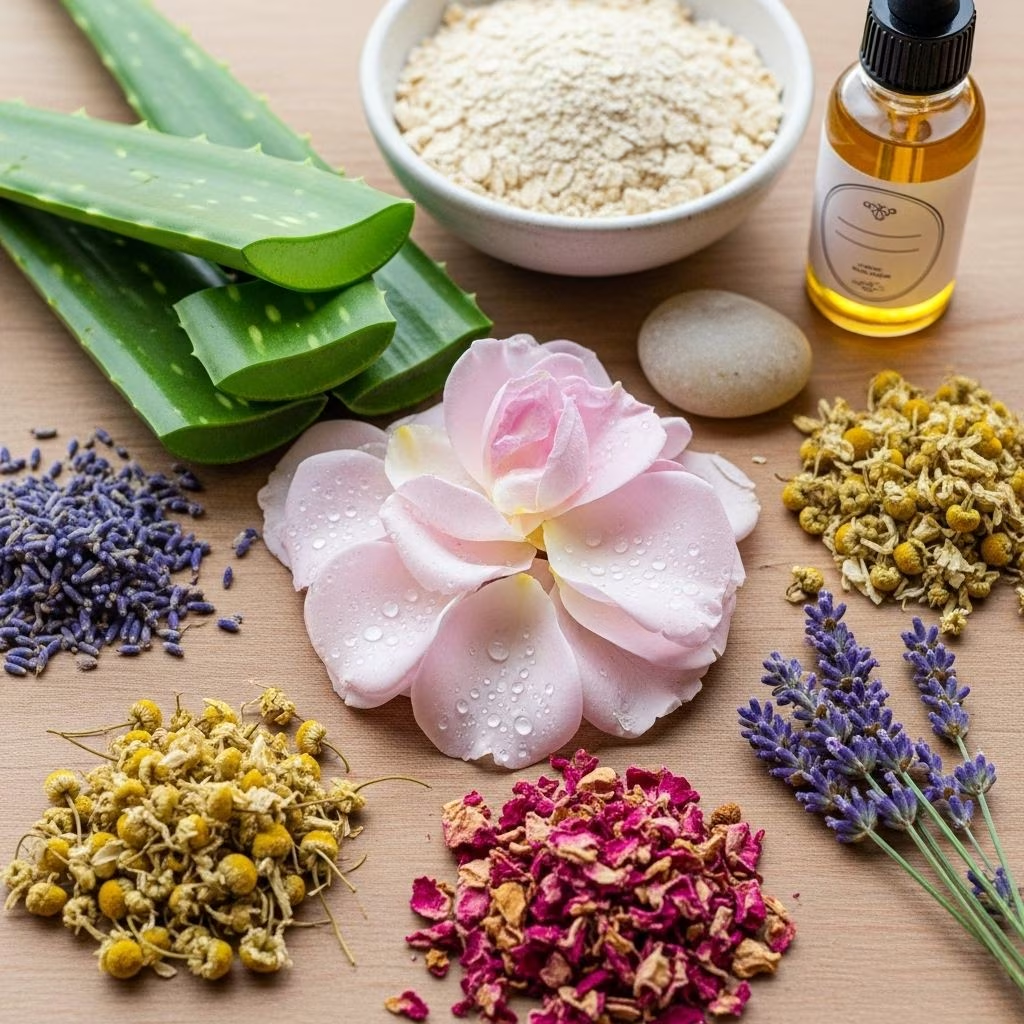
### Aloe VeraAloe vera is renowned for its soothing and moisturizing properties, making it an excellent natural remedy for rosacea. The gel from the inner leaf of the aloe plant can be applied directly to the skin or used in moisturizers. It helps to reduce inflammation and hydrate the skin, providing relief from redness and irritation.### ChamomileChamomile is another natural ingredient that has been shown to reduce symptoms of rosacea due to its anti-inflammatory properties. It can be used as a cooled tea applied to the skin or incorporated into skincare products. However, it’s advisable to do a patch test before using chamomile on larger areas.### FeverfewFeverfew is a plant that has been used to alleviate symptoms of rosacea. It has anti-inflammatory properties and helps protect the skin from UV exposure, which can exacerbate rosacea. When using feverfew products, ensure they are parthenolide-free to avoid increased sensitivity.### OatmealOatmeal is known for its soothing properties and can be used as a face mask or added to bath water to help calm irritated skin. Colloidal oatmeal is particularly effective in reducing redness and inflammation associated with rosacea.### Raw HoneyRaw honey has antibacterial properties that can help maintain healthy skin microbiota. It can be mixed with face wash or used as a mask to provide nourishment and protection to the skin.### Apple Cider VinegarApple cider vinegar is a natural anti-inflammatory agent that can help manage rosacea symptoms when used topically or ingested. It’s believed to aid in maintaining the body’s pH balance, but it should be diluted with water before application to avoid irritation.### Coconut OilCoconut oil is a moisturizer that can be applied directly to the skin to hydrate and soothe irritation. It is most effective when applied to wet skin, such as after showering.### Burdock RootBurdock root is known for its anti-inflammatory and antimicrobial properties. It can promote better blood circulation, which may help in managing rosacea symptoms. It can be consumed as a tea or applied topically in the form of burdock oil or extract.### Green TeaGreen tea has antioxidant properties that can help soothe and protect the skin from environmental stressors. It can be consumed as a beverage or used as a cooled tea to apply directly to the skin.### Essential OilsEssential oils like lavender, tea tree oil, and geranium can be added to carrier oils like coconut or olive oil to create a soothing blend for rosacea-affected skin. However, they should be used with caution and diluted appropriately to avoid irritation.
Lifestyle Changes for Managing Rosacea
### Dietary Adjustments- Avoid Triggers: Some foods, such as spicy dishes, hot beverages, and alcohol, can trigger rosacea flare-ups. Identifying and avoiding these triggers can help manage symptoms.- Increase Anti-inflammatory Foods: Foods rich in omega-3 fatty acids, like salmon, and fruits with antioxidants can help reduce inflammation.### Stress ManagementStress is a common trigger for rosacea. Engaging in stress-reducing activities like meditation, yoga, or deep breathing exercises can help manage symptoms.### Sun ProtectionWearing sunscreen daily, even on cloudy days, is crucial for protecting sensitive skin from UV rays, which can exacerbate rosacea symptoms.### Skincare RoutineGently cleanse the face twice a day with a mild cleanser, and use lukewarm water to avoid stripping the skin of its natural oils.
Frequently Asked Questions (FAQs)
Q: What are the common symptoms of rosacea?
A: Common symptoms include facial redness, swelling, small bumps, and sensitive skin, often affecting the cheeks, nose, and forehead.
Q: Can rosacea be completely cured?
A: There is no cure for rosacea, but its symptoms can be managed with a combination of medical treatments and lifestyle adjustments.
Q: How do I know if I have rosacea?
A: Consult a dermatologist for a proper diagnosis. They can assess your skin and recommend appropriate treatments based on your condition.
Q: Can essential oils be used safely for rosacea?
A: Essential oils can be beneficial, but they must be diluted in a carrier oil and used cautiously to avoid irritation. Always perform a patch test before using them extensively.
References
- https://www.healthline.com/health/rosacea-natural-treatments
- https://www.manhattandermatologistsnyc.com/rosacea-natural-treatment/
- https://www.medicalnewstoday.com/articles/rosacea-natural-treatments
- https://health.clevelandclinic.org/rosacea-natural-treatments
- https://pmc.ncbi.nlm.nih.gov/articles/PMC10892689/
- https://dessna.com/the-marietta-dermatologists-guide-to-rosacea/
- https://www.aad.org/public/diseases/rosacea/triggers/tips
- https://www.jamele.co.nz/blog/healing-rosacea
- https://www.mayoclinic.org/diseases-conditions/rosacea/diagnosis-treatment/drc-20353820


