


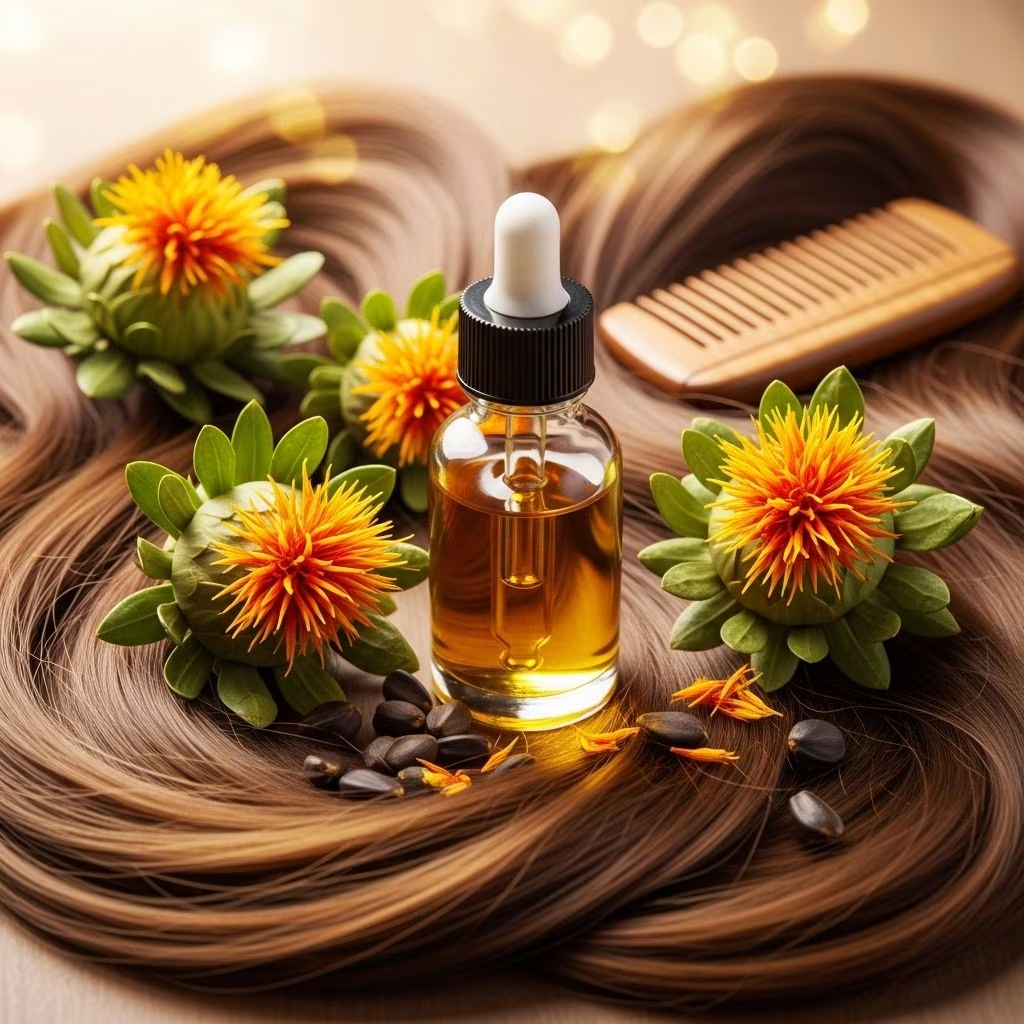
Safflower Oil: Hair Benefits, How to Use & Tips
Safflower oil, pressed from the seeds of the Carthamus tinctorius plant, has gained prominence in hair care due to its moisturizing, protective, and growth-enhancing properties. Scientific studies, expert opinions, and traditional usage all confirm safflower oil’s unique ability to nourish the scalp, reduce breakage, boost shine, balance oil production, and accelerate hair regeneration—making it a versatile solution for those seeking improved hair health and beauty.
Overview of Safflower Oil
Safflower oil is a light, non-greasy oil extracted from the seeds of the safflower plant. Rich in linoleic acid (omega-6 fatty acid), oleic acid (omega-9), vitamin E, and naturally occurring antioxidants, its physical and chemical profile makes it highly effective for moisturizing and protecting both scalp and hair strands.
Traditionally used in Ayurvedic and folk remedies, safflower oil has recently been researched for its role in hair growth, shine, and scalp health in modern cosmetic formulations.
Key Hair Benefits of Safflower Oil
- Deep Hydration and Moisturization: Safflower oil penetrates the hair shaft, locking in moisture to repair dryness and brittleness while imparting softness and lustre.
- Stimulates Hair Growth: Enhanced scalp circulation from vitamin E nourishes hair follicles, promoting thicker, healthier hair over time.
- Prevents Breakage and Split Ends: The oil strengthens hair from within, reducing split ends, breakage, and improving elasticity.
- Soothes Dry and Irritated Scalp: Its anti-inflammatory properties relieve scalp irritation, dryness, and flakiness, effectively combating dandruff and eczema.
- Balances Scalp Oil Production: Safflower oil regulates scalp oils, preventing extremes of dryness or greasiness, and supporting overall scalp health.
- Enhances Natural Shine and Softness: Adds vibrant shine and smoothness to dull hair without leaving behind a heavy, greasy residue.
- Protects Against Environmental Damage: Antioxidants defend hair from free radicals and environmental stressors like sun and pollution.
- Adds Volume without Weight: Its lightweight nature makes it ideal for fine hair, adding fullness without flattening or heaviness.
- Reduces Frizz and Flyaways: Long-lasting moisture control helps smooth frizz, producing a sleek, glossy finish.
Scientific Evidence and Mechanisms
Recent clinical and laboratory studies confirm safflower oil’s effect on hair:
- Accelerating Hair Regeneration: A 2022 study found that safflower oil nanoparticles delivered fibroblast growth factors directly to hair follicles in mice with androgenetic alopecia, significantly boosting regeneration and follicle proliferation, while reducing inflammatory markers.
- Reduction of Shampoo-Induced Damage: Comparative experiments showed safflower seed oil caused the least discoloration in natural hair samples when evaluated against chemical shampoos and other oils, indicating its protective and restorative capabilities.
- Performance in Different Hair Types: Applied to varied hair types, safflower oil improved gloss, elongation (strength), and reduced negative effects from shampoo—including less color loss in dyed hair—demonstrating versatility across ages and genders.
The high content of linoleic acid is known to support the integrity of cell membranes, prevent trans-epidermal water loss, and preserve scalp health. Vitamin E offers antioxidant protection, minimizes free radical damage, and supports healthy follicle function, all of which are critical for robust hair growth and longevity.
How to Use Safflower Oil for Hair
To maximize the benefits of safflower oil, proper application techniques are essential. Here are several evidence-based approaches suitable for different hair goals:
1. Pre-Shampoo Treatment
- Apply a generous amount of safflower oil to dry hair and scalp.
- Massage gently for 5–10 minutes, ensuring even distribution.
- Leave on for 30–60 minutes; wrap hair in a warm towel for deeper penetration.
- Shampoo thoroughly to remove excess oil.
2. Leave-In Conditioner
- For dry or brittle hair, use a few drops on damp, freshly washed hair.
- Distribute lightly through mid-lengths and ends, avoiding roots if prone to oiliness.
- Style as usual—adds shine and supports frizz control without weighing hair down.
3. Scalp Massage and Overnight Treatment
- Massage a small amount of safflower oil into the scalp before bedtime.
- Cover with a shower cap or silk scarf to prevent staining linens.
- Wash out in the morning with a gentle cleanser.
4. Mixing With Other Hair Products
- Add a few drops to your favorite hair mask or conditioner for an extra boost of hydration.
- Mix with essential oils (like lavender or rosemary) for added scalp health benefits.
Recommended Frequency
- For hydration or scalp health, use 2–3 times per week.
- For shine or frizz control, use as needed after styling.
Tips for Optimal Use
- Select High-Quality Oil: Choose pure, cold-pressed, and unrefined safflower oil for maximum benefits; lower-quality oils may lack key nutrients.
- Adjust Quantity: Use sparingly, especially on fine or oily hair; a few drops often suffice. Overuse may leave a greasy residue.
- Patch Test First: Apply a small amount behind the ear or on the inside of your wrist to check for allergic reactions before widespread use.
- Combine With Healthy Habits: Balanced diet, low heat styling, and regular trims enhance the results achieved with safflower oil.
- Consistency is Key: Visible improvements—such as less breakage, more shine, and improved scalp health—often emerge after several weeks of regular use.
- Pair with Gentle Cleansers: Avoid harsh shampoos that can strip beneficial oils; opt for sulfate-free formulas.
Potential Side Effects and Precautions
Safflower oil is generally considered safe for topical use on hair and scalp, with rare reports of allergic reaction. To minimize risks:
- Conduct a patch test, especially if sensitive to seeds or plant oils.
- Avoid contact with eyes.
- Monitor for signs of excessive oiliness or buildup—may require adjustment in application frequency.
- Not intended for use on broken or highly irritated scalp without medical consultation.
Comparing Safflower Oil to Other Oils
| Oil Type | Main Benefits | Best For | Drawbacks |
|---|---|---|---|
| Safflower Oil | Hydration, shine, frizz control, scalp health, lightweight feel | Dry, fine, or thinning hair, sensitive scalps | May be too light for very coarse hair |
| Grape Seed Oil | High gloss, heat protection | All hair types, color protection | Can be less moisturizing than others |
| Coconut Oil | Deep nourishment, protein loss prevention | Coarse, curly, very dry hair | Heavier texture, potential buildup |
| Rosehip Oil | Antioxidant boost, scalp repair | Damaged, very dry hair | Expensive, strong aroma |
Studies suggest grape seed oil and rosehip oil also perform well for hair vitality, but safflower oil remains notable for reducing discoloration and optimizing results in shampooed and conditioned hair.
Frequently Asked Questions (FAQs)
Q: Can safflower oil help with hair loss or thinning?
A: Yes, scientific research demonstrates that safflower oil promotes follicle health and regeneration, especially when combined with growth factors; its circulation-boosting and anti-inflammatory properties are beneficial for thinning hair.
Q: Is safflower oil suitable for all hair types?
A: Safflower oil is lightweight and versatile, making it ideal for fine, dry, brittle, or chemically treated hair. However, individuals with very thick or coarse hair may prefer heavier oils, or blend safflower oil with richer alternatives for deeper nourishment.
Q: How often should I use safflower oil on my hair?
A: Two to three times per week for a moisturizing or scalp treatment is typical, but frequency can be adjusted based on personal needs and hair response.
Q: Will safflower oil make my hair greasy?
A: When used correctly in small amounts, safflower oil nourishes without heavy residue, even on fine hair. Overuse or insufficient rinsing may lead to greasiness; adjust the amount to match your hair’s porosity and texture.
Q: Can I use safflower oil with heated styling tools?
A: Safflower oil provides some heat protection, but always use dedicated heat protectant sprays if using high temperatures to prevent damage.
Q: Does safflower oil have a strong smell?
A: Safflower oil is virtually odorless, making it suitable for those sensitive to fragrances or those who wish to blend it with aromatic essential oils.
Q: Is it safe for color-treated hair?
A: Yes, safflower oil is safe and even recommended for dyed hair, as it reduces color loss and protects against harsh shampoo or environmental exposure.
Conclusion
Safflower oil is an accessible, research-backed solution for several common hair concerns, from dryness and breakage to scalp irritation and lack of volume. Its blend of essential fatty acids, vitamin E, and antioxidants places it among the most valuable natural oils for promoting hair health. By understanding the best applications and following expert tips, individuals can enjoy fuller, shinier, and stronger hair with regular safflower oil use.
References
- https://www.clinikally.com/blogs/news/safflower-oil-for-hair-benefits-uses-how-it-works
- https://pmc.ncbi.nlm.nih.gov/articles/PMC9996578/
- https://pubmed.ncbi.nlm.nih.gov/35150848/
- https://pubs.acs.org/doi/10.1021/acsomega.2c06550
- https://gashee.com/blogs/wellness-blog/safflower-floret-extract-for-hair-growth-new-research
- https://us.typology.com/library/safflower-oil-and-hair-what-are-the-benefits
- https://wellbeingnutrition.com/blogs/essentials/5-benefits-of-safflower-oil
- https://obvs-skincare.com/blogs/organic-skincare/safflower-oil-vs-coconut-oil-in-skincare-who-wins


