Sea Salt: Transformative Benefits for Skin, Hair, and Overall Health
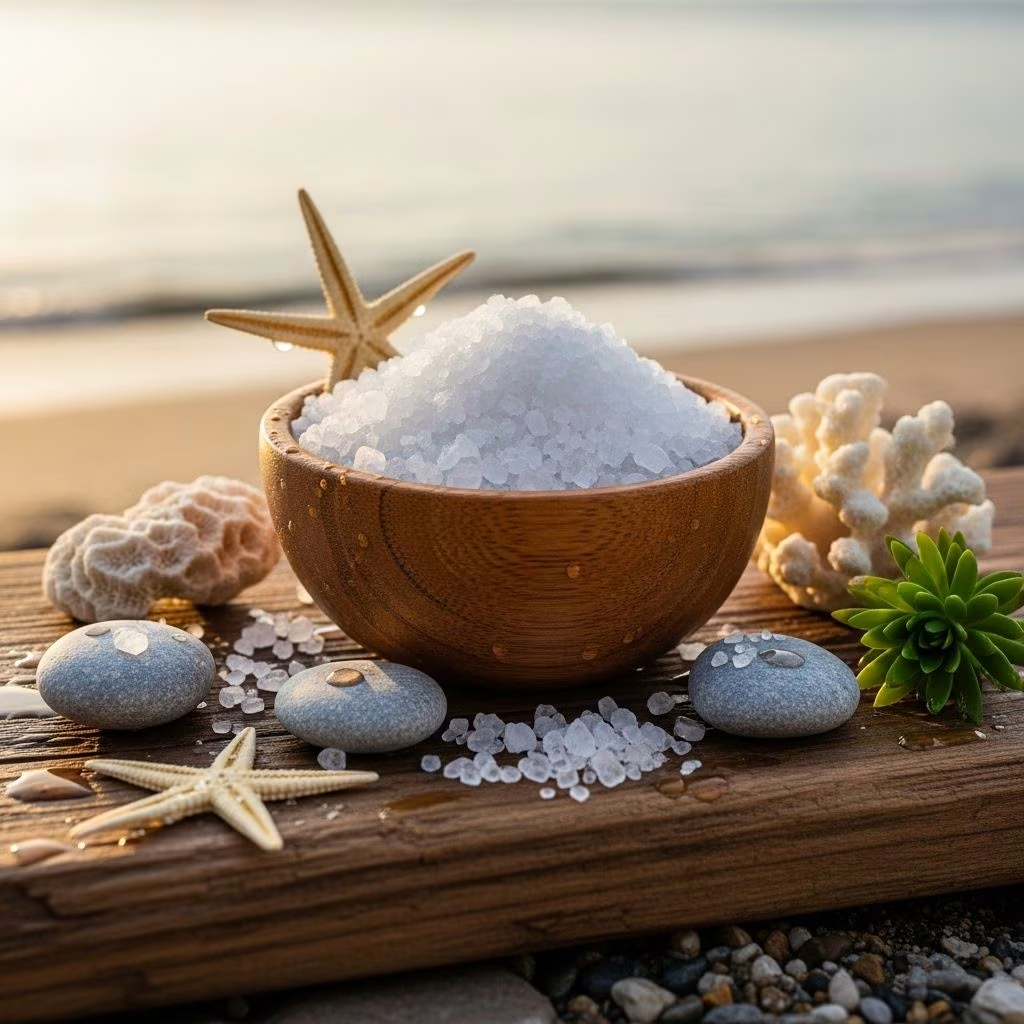
Sea salt, derived directly from evaporated seawater, is packed with essential minerals like magnesium, calcium, potassium, and more. Used for centuries as both a culinary ingredient and a natural remedy, sea salt’s reputation now extends into beauty and wellness, lauded for its remarkable effects on skin, hair, and overall health. This article delves deep into the multifaceted benefits of sea salt and provides actionable tips to include it in your personal care routine.
Sea Salt Benefits for Skin
Sea salt’s rich mineral profile makes it a potent ally in skincare. Here are its top skin-related benefits:
1. Natural Skin Exfoliant
Thanks to its coarse texture, sea salt serves as an effective natural exfoliator. It gently sloughs away dead skin cells, revealing a clearer and smoother complexion. The minerals help open pores for a deeper cleanse, allowing skin to better absorb moisturizers and serums.
- Removes dead skin cells for refreshed skin
- Enhances skin’s ability to absorb moisture
- Offers an instant glow due to increased circulation
2. Fights Acne and Skin Infections
Sea salt’s antimicrobial and antibacterial properties can help combat acne. By absorbing excess oil and surface toxins, it reduces breakouts and soothes existing blemishes. Regular use also diminishes dark spots left by pimples.
- Absorbs excess sebum
- Kills acne-causing bacteria
- Minimizes irritated blemishes and dark spots
3. Soothes Eczema and Psoriasis
The minerals in sea salt, especially magnesium and potassium, relieve dry, itchy, and inflamed skin. Salt baths and compresses can calm flare-ups in eczema and psoriasis by reducing inflammation and supporting natural healing.
4. Acts as a Facial Toner
Sea salt can be used as a natural toner. Mixed with water and applied gently, it soaks up excess oil, refines pores, and balances overall complexion for a radiant glow.
5. Provides Hydration and Moisture Retention
Contrary to the idea that salt dries out the skin, the essential minerals actually help lock in moisture, reinforcing the skin barrier and keeping the skin hydrated and supple.
6. Supports Healing and Reduces Scarring
Sea salt’s antiseptic properties promote wound healing and reduce the appearance of scars and blemishes with regular, gentle application.
7. Delays Signs of Aging
The minerals in sea salt stimulate collagen production and cell turnover, helping to maintain skin elasticity and reduce fine lines and wrinkles for a firmer, youthful look.
8. Improves Skin Texture and Clarity
With regular use, sea salt can refine rough patches, enhance texture, and leave skin visibly brighter by encouraging healthy regeneration.
Popular Ways to Use Sea Salt for Skin
- Salt scrubs: Blend with olive or coconut oil for a DIY body exfoliant.
- Salt soaks: Add to bathwater to ease soreness and improve skin hydration.
- Blemish spot treatment: Dissolve salt in warm water, apply to acne, and rinse after a few minutes.
- Facial toner: Mix with water and gently apply with a cotton pad (avoid eyes).
Sea Salt Benefits for Hair
Not just for skin, sea salt is equally potent in supporting scalp and hair health:
1. Stimulates Hair Growth
Sea salt acts as an organic root stimulator, energizing scalp circulation and encouraging growth, thickness, and volume. This is partly due to magnesium, potassium, and selenium content, which nourish follicles.
2. Balances Oil and Removes Buildup
Sea salt’s absorptive properties control excess scalp oil and act as a purifier to clear away product buildup, flakes, and dead skin cells. This leaves the scalp detoxified and revitalized.
3. Soothes Dandruff and Dry Scalp
Exfoliating the scalp with sea salt reduces itchiness, dandruff, and scalp irritation. Magnesium balances moisture and relieves persistent dry scalp conditions.
4. Adds Natural Volume and Texture
Sea salt helps create that coveted “beach wave” look, adding texture, bounce, and light hold, making it a favorite ingredient in many hair texturizing sprays and styling products.
5. Strengthens Hair and Reduces Hair Loss
By soothing inflammation, balancing pH, and stimulating blood flow, sea salt can minimize some types of hair loss or thinning due to scalp imbalance.
Popular Ways to Use Sea Salt for Hair
- Scalp scrub: Mix sea salt with a small amount of conditioner and gently massage into your scalp once a week.
- Sea salt spray: Use for instant waves and added texture—mist onto clean, damp hair and scrunch.
- Bath soaks: Soak hair in diluted sea salt and rinse out for a cleansing, volumizing boost.
Sea Salt Health Benefits
Beyond skin and hair, sea salt can play a role in overall well-being:
1. Natural Oral Care
Sea salt is a natural antiseptic and can help cleanse the mouth, freshen breath, and reduce bacteria responsible for gum disease and halitosis. A saltwater rinse is a simple and effective home remedy.
2. Relieves Muscle Cramps
With its dense mineral profile, sea salt enhances electrolyte balance and may ease muscle soreness and cramps when consumed moderately or used in bath soaks.
3. Supports Electrolyte Balance
Sodium, potassium, and magnesium in sea salt are fundamental for maintaining healthy hydration and nerve function, which is especially important after exercise or illness.
4. Enhances Nail Strength
Sea salt can whiten, brighten, and strengthen fingernails. When combined with baking soda and lemon juice in a soak, it reduces yellowing and boosts nail resilience.
5. Promotes Relaxation & Reduces Stress
Add sea salt to a warm bath to relax tense muscles, soothe the mind, and improve overall relaxation. The minerals are absorbed through the skin, reducing feelings of stress and fatigue.
6. Supports Wound Healing
Traditional wisdom and studies alike note that saltwater rinses can clean minor wounds, reduce infection risk, and promote quick tissue repair.
How to Use Sea Salt: Skin, Hair, and Wellness Applications
Sea salt’s diverse benefits can be harnessed through easy-to-prepare DIY treatments or store-bought products. Here are some expert tips to integrate sea salt into your routine:
DIY Sea Salt Scrub (Body Exfoliant)
- Mix 1/4 cup of sea salt with 1/2 cup of olive or coconut oil.
- Optional: Add a few drops of your favorite essential oil.
- Massage onto damp skin in a circular motion, then rinse thoroughly.
Sea Salt Scalp Cleanser
- Combine 2 tablespoons of sea salt with enough conditioner to make a loose paste.
- Gently massage onto the scalp for a few minutes, then rinse and shampoo as usual.
Beach Waves Sea Salt Spray
- In a spray bottle, combine 1 cup warm water, 1 tablespoon sea salt, and 1 tablespoon leave-in conditioner or coconut oil.
- Shake well and spritz onto damp hair for natural-looking waves.
Sea Salt Bath Soak
- Add 1/2 to 1 cup sea salt to a warm bath and soak for 20-30 minutes for full-body detoxification, muscle relaxation, and skin hydration.
Oral Rinse
- Dissolve 1 teaspoon sea salt in a cup of warm water.
- Swish in your mouth for 30 seconds to kill germs and freshen breath.
Nail Brightener
- Mix 1 teaspoon sea salt, 1 teaspoon baking soda, 1 teaspoon lemon juice, and 1/2 cup warm water in a bowl.
- Soak nails for 5-10 minutes; gently scrub with a brush before rinsing.
Possible Side Effects and Precautions
While sea salt is generally considered safe, a few considerations apply:
- People with highly sensitive or very dry skin should use salt scrubs or soaks sparingly, as frequent use can cause irritation.
- Avoid salt-based treatments on open wounds or severe skin conditions without medical advice.
- Always rinse salt treatments thoroughly to prevent residual dryness or itching.
- As a dietary supplement, consume sea salt in moderation to avoid adverse effects on blood pressure and kidney health.
Frequently Asked Questions (FAQs)
Q: What minerals make sea salt beneficial for skin and hair?
A: Sea salt contains magnesium, calcium, potassium, and trace elements, which help nourish, cleanse, and restore the skin and scalp environment. These minerals support hydration, reduce inflammation, and promote healthy cell function.
Q: Can I use sea salt on my face daily?
A: Gentle sea salt solutions (e.g., diluted toners) may be used daily for oily or acne-prone skin. However, abrasive scrubs should be limited to 1-2 times per week to prevent over-exfoliation.
Q: Is sea salt safe for all hair types?
A: Sea salt works well for most hair types, especially oily hair and scalps needing detoxification. However, those with dry or brittle hair should use in moderation and follow up with a moisturizing conditioner.
Q: Are there differences between regular sea salt and Dead Sea salt?
A: Yes. While both are beneficial, Dead Sea salt is denser in minerals like magnesium and potassium, offering enhanced effects for skin conditions like eczema, psoriasis, and severe dryness.
Q: Can sea salt help with nail health?
A: Yes, regularly soaking nails in a sea salt, lemon, and baking soda solution can brighten yellowness, reduce stains, and promote stronger, healthier nails.
Conclusion
Sea salt’s reputation as a holistic beauty and wellness enhancer is well-deserved. From glowing skin and rejuvenated hair to oral health and muscle recovery, sea salt brings nature’s restorative powers to your personal care routines. Embrace this versatile ingredient for healthy, radiant results inside and out.
References
- https://us.davines.com/blogs/news/seven-amazing-beauty-benefits-of-sea-salt
- https://www.saltchamberinc.com/blog/benefits-dead-sea-salt
- https://www.christopherobin.com/my-advice/advice/is-sea-salt-good-for-your-hair/
- https://www.revivalabs.com/why-salty-skin-is-a-good-and-the-benefits-of-sea-salt-in-skincare/
- https://www.webmd.com/skin-problems-and-treatments/health-benefits-dead-sea-salt
- https://www.mydcsi.com/2023/05/12/is-saltwater-good-for-your-hair/
- https://garnersgarden.com/blogs/news/sea-salt-benefits-for-skin-hair-nails
- https://www.humnutrition.com/blog/is-salt-water-good-for-your-skin-hair/
- https://www.bebeautiful.in/all-things-skin/everyday/himalayan-sea-salt-benefits-for-skin-and-hair