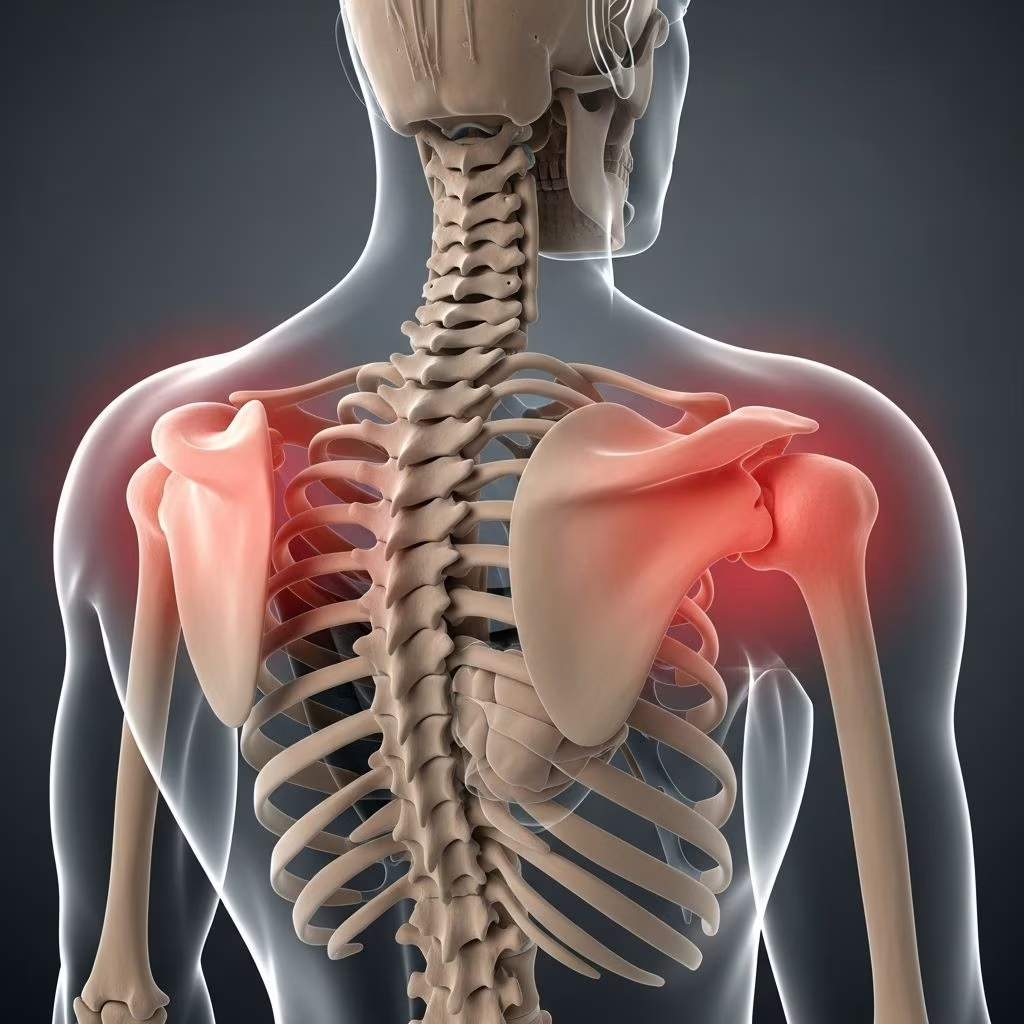
Shoulder Blade Pain: Causes, Symptoms & Remedies
Shoulder blade pain, medically referred to as scapular pain, is a common issue that affects people of all ages and fitness levels. The pain can range from mild discomfort to disabling sensations that restrict daily activities. The shoulder blade, or scapula, connects the collarbone to the upper arm and is supported by several powerful muscles that facilitate shoulder movement and stability. In this comprehensive guide, we detail the major causes, symptoms, risk factors, and remedies for shoulder blade pain, including actionable steps for relief and prevention.
Understanding Shoulder Blade Pain
Shoulder blade pain manifests as aching, sharp, or burning sensations around or beneath the scapula. It may surface from muscular injuries, joint problems, nerve issues, or even referred pain from internal organs. Grasping the underlying cause is essential for effective treatment and long-lasting relief.
What Is Shoulder Blade Pain?
Pain in the shoulder blade is typically felt between the upper back and the shoulders. The discomfort can be:
- A dull ache that worsens with movement
- Sharp, stabbing pain on certain motions or pressing the area
- Sensation of tightness or cramping in the muscle
- Radiating pain extending to the neck, arms, or chest
The condition may be temporary (acute) or persist for weeks to months (chronic).
Main Causes of Shoulder Blade Pain
Shoulder blade pain is complex and multifactorial. Some of the most common causes include:
1. Muscular Strains & Overuse
- Lifting heavy objects improperly
- Repetitive overhead movements
- Sports injuries and weightlifting mishaps
- Sudden jerks or accidents (e.g., whiplash from car incidents)
2. Poor Posture
- Prolonged slouching or hunching at a desk
- Holding electronic devices at an awkward angle
- Sitting or standing without proper back support
3. Joint & Bone Issues
- Arthritis: Degeneration of the shoulder joint can lead to referred pain in the scapula.
- Rotator cuff tears: Injuries to the shoulder tendons can cause pain radiating to the shoulder blade.
- Herniated Discs: Pressure on spinal nerves can cause referred pain in the upper back.
4. Nerve-Related Causes
- Pinched nerves from spinal disc herniation
- Compression of nerves due to muscle spasms or poor posture
5. Internal Organ Problems (Referred Pain)
- Gallstones: Pain can manifest in the right shoulder blade.
- Peptic ulcer disease or acid reflux sometimes produce upper back pain.
- Lung conditions, heart problems, and liver disease may rarely cause referred pain to the shoulder blade.
Symptoms Associated with Shoulder Blade Pain
Recognizing related symptoms can help pinpoint the underlying cause and guide treatment:
- Pain on movement or palpation
- Stiffness or reduced range of motion in the shoulder or back
- Swelling or inflammation at the upper back
- Weakness or numbness radiating into the arm
- Redness, warmth, or tenderness in some cases
- Difficulty performing daily tasks (lifting, reaching, turning the head)
Risk Factors for Shoulder Blade Pain
- Engaging in physical activities without proper warm-up or technique
- Poor posture habits (especially desk jobs)
- Advanced age or history of arthritis
- Prior shoulder or spinal injuries
- Obesity or lack of exercise
When to Seek Medical Attention
Most cases are mild and resolve with home care. However, you should consult a healthcare professional if:
- Pain persists for more than a few days
- There is severe swelling, weakness, or numbness
- You experience fever, chest pain, or shortness of breath along with back pain
- You suspect an injury or trauma
Professional diagnosis is crucial for ruling out serious underlying conditions such as cardiac, lung, or gastrointestinal issues.
Home Remedies for Shoulder Blade Pain
Several self-care strategies can relieve mild to moderate discomfort and promote healing. These remedies are best applied for minor injuries, muscle strains, or tension.
1. The RICE Method
| Step | Action |
|---|---|
| Rest | Restrict use of the affected shoulder for 1-2 days to prevent further strain. |
| Ice | Apply an ice pack wrapped in cloth to the painful area for 15-20 minutes, several times daily. Always allow breaks between sessions to avoid skin damage. |
| Compression | Use a compression garment or bandage to reduce swelling. |
| Elevation | Raise the shoulder (above heart level when sitting) using a pillow to minimize inflammation. |
2. Massage
- Locate the trigger point or area of intense pain on the shoulder blade.
- Gently roll a tennis ball or massage tool over the region while lying down.
- Apply moderate pressure for 30 seconds; repeat daily to reduce spasms and tension.
3. Stretching & Flexibility Exercises
- Perform shoulder blade stretches: Cross the elbows, curve one hand around the opposite arm, and apply gentle pressure for 30 seconds, then switch sides.
- Door frame stretch: With arms at 90 degrees, brace hands on each side of a door frame and step forward slightly. Hold for 30 seconds, head up and body straight.
- Repeat stretches 2–3 times a day for improved flexibility and reduced discomfort.
4. Anti-Inflammatory Medications
- Non-steroidal anti-inflammatory drugs (NSAIDs), such as Advil (Ibuprofen) and Motrin (Naproxen), can mitigate pain and inflammation.
- Topical analgesic creams or patches (Voltaren gel) may provide additional pain relief.
- Use medications cautiously and consult a physician, especially if you have underlying health conditions.
5. Heat Therapy
- Apply a heating pad or hot pack to the shoulder for 15-20 minutes, with a layer of cloth between skin and device.
- Moist heat (e.g., microwaved rice bags) can also be beneficial.
- Do not apply heat to new (acute) injuries or where swelling is present.
6. Posture Correction
- Maintain a straight back and avoid hunching over, especially when sitting at a desk.
- Take frequent breaks from long periods of sitting or repetitive tasks.
- Strengthening core and upper back muscles can improve posture and reduce recurrence.
Professional Treatments
If home therapies do not provide relief or if the pain is severe, a doctor may recommend:
- Physical therapy for targeted stretching and strengthening exercises
- Steroid injections or muscle relaxants, if prescribed
- Advanced imaging like X-rays, MRI, or CT scans to diagnose bone or nerve issues
- Surgical intervention for persistent injuries such as rotator cuff tears
Prevention Tips for Healthy Shoulders
- Regular stretching and warm-up before exercise or sports
- Maintain proper posture at work and during daily activities
- Avoid heavy lifting or repetitive overhead movements without support
- Exercise to strengthen back, shoulder, and core muscles
- Take frequent breaks from prolonged sitting or standing
Frequently Asked Questions (FAQs)
Q: What is the most common cause of shoulder blade pain?
A: The most frequency cause is muscle strain or overuse, often from lifting or repetitive motions. Poor posture and joint issues are also common contributors.
Q: Can shoulder blade pain be a sign of something serious?
A: While most cases are benign, pain associated with shortness of breath, chest pain, or fever may signal heart, lung, or gastric problems and requires immediate medical attention.
Q: How long does shoulder blade pain take to heal?
A: Minor strains typically resolve in a few days to weeks with rest and home care. Chronic cases or those caused by underlying disease may take longer and require medical intervention.
Q: Is it safe to exercise with shoulder blade pain?
A: Gentle stretching and low-impact exercises are generally safe if pain is mild, but strenuous activity should be avoided until symptoms subside. If in doubt, consult a physical therapist.
Q: When should I see a doctor for shoulder blade pain?
A: Seek medical help if pain is severe, persistent, accompanied by other symptoms (like numbness or weakness), or follows an injury or trauma.
Key Takeaways
- Shoulder blade pain is often due to muscular strain, poor posture, or joint issues, but may sometimes indicate more serious internal problems.
- Simple home remedies such as rest, ice/heat therapy, massage, stretching, and anti-inflammatory medications provide effective relief for most mild cases.
- Maintaining good posture and regular exercise can prevent recurrence and keep your shoulders healthy.
- Persistent, severe, or complex symptoms require medical evaluation for a proper diagnosis and targeted treatment.
References
- https://nyboneandjoint.com/5-ways-to-relieve-your-shoulder-blade-pain/
- https://www.joionline.net/library/6-home-remedies-for-shoulder-pain/
- https://www.spine-health.com/blog/relieving-pain-under-your-shoulder-blade
- https://www.medicalnewstoday.com/articles/pain-in-right-shoulder-blade
- https://www.youtube.com/watch?v=EX2fMtX3s3A
- https://www.healthline.com/health/shoulder-blade-pain
- https://www.nhs.uk/symptoms/shoulder-pain/
- https://www.bswhealth.com/blog/tips-relieve-pain-between-shoulder-blades
- https://www.youtube.com/watch?v=qQutCma4wd4