Understanding Smegma: What It Is and Why It Forms
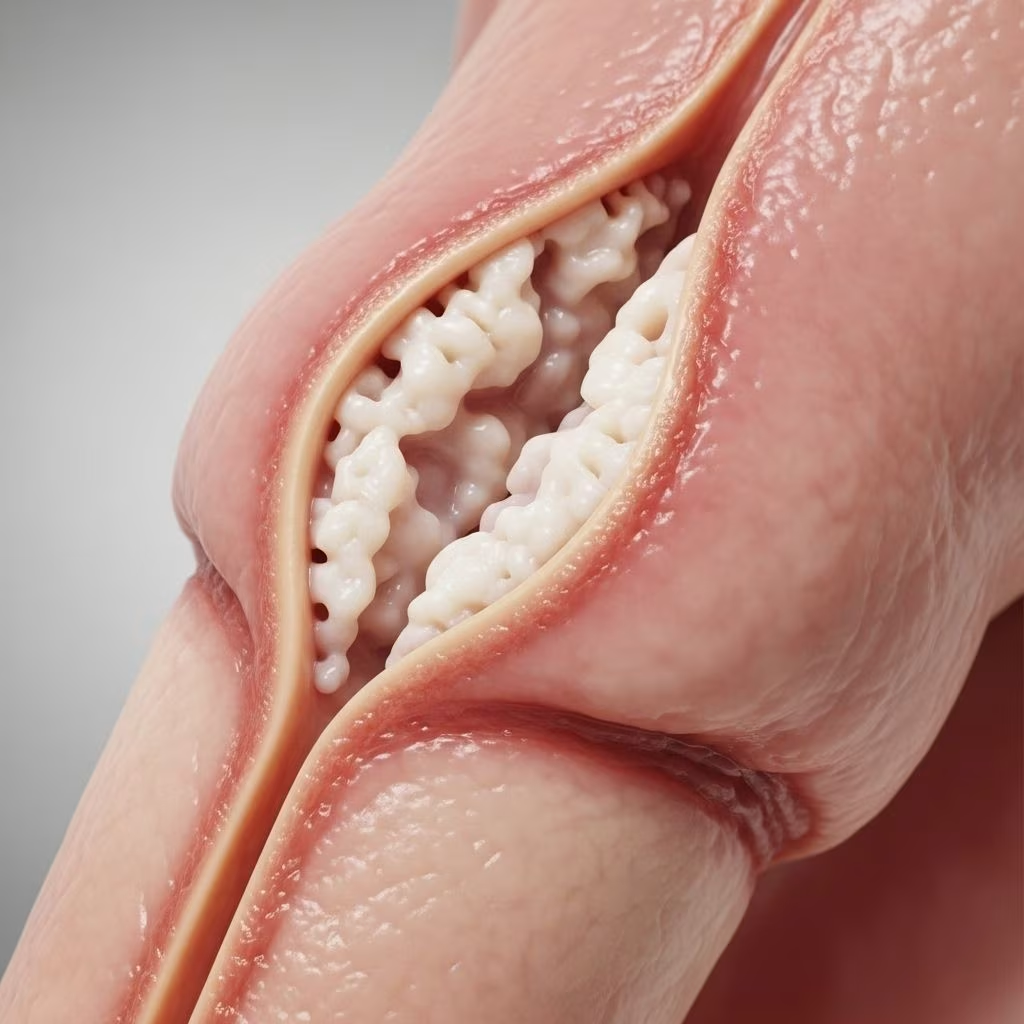
Smegma is a white, thick, cheese-like substance comprised mainly of dead skin cells, body oils, and moisture that accumulates around the genitals, especially under the foreskin in males and in the creases of the labia and clitoral hood in females. While it serves as a natural lubricant, excessive buildup can lead to odor, discomfort, and in some cases, health complications if not removed through regular hygiene.
What Causes Smegma?
The primary causes of smegma include:
- Poor or irregular genital hygiene: Not washing the area thoroughly and regularly allows oils, moisture, and dead skin cells to accumulate.
- Natural secretions: Sebaceous glands in the penis and vagina secrete substances for lubrication, which can blend with skin cells to form smegma.
- Foreskin retention: In men, the foreskin covers the glans, creating an environment where smegma can collect more easily, especially in those who are uncircumcised.
This process is a normal physiological function; however, without regular cleansing, smegma may become visible and eventually problematic.
Smegma in Men vs. Women
| Gender | Common Area of Accumulation | Special Considerations |
|---|---|---|
| Men | Under the foreskin, around the glans (head) of the penis | More prevalent in uncircumcised men; can cause swelling, redness, and discomfort |
| Women | Between the folds of the labia, around the clitoral hood | May cause clitoral adhesion, painful stimulation, irritation |
Both males and females can develop smegma, although its appearance, consistency, and associated risks may vary slightly.
Symptoms and Identification
Smegma is usually easy to recognize. Key characteristics include:
- Thick, cheese-like texture
- White color (may appear darker depending on skin tone)
- Unpleasant odor
- Possible redness, swelling, or irritation in the affected area
- Difficulty retracting foreskin in males
- Pain or discomfort during genital stimulation in females (if smegma hardens or causes adhesions)
If these symptoms persist or worsen, it’s advisable to consult a healthcare provider.
Is Smegma Dangerous?
For most, smegma is neither dangerous nor a sign of infection. Medical research has debunked previous claims linking smegma to penile or cervical cancer. However, if not cleaned, smegma may harden and cause complications, such as:
- Balanitis: Inflammation of the glans penis, characterized by pain, redness, and swelling.
- Difficulty retracting the foreskin (phimosis in males)
- Clitoral adhesions and painful stimulation (in females)
- Increased risk of local infections
While smegma itself is not dangerous, the complications arising from its neglect can negatively impact genital health.
How to Remove Smegma: Step-by-Step Hygiene Tips
General Guidelines
The most effective way to remove and prevent smegma buildup is through consistent and thorough cleaning of the genital area. Here’s how:
- Wash daily: Clean your genital area every day, using warm water. Gentle soap may be used, but avoid harsh chemicals.
- Be gentle: Use your hands or a soft cloth. Vigorous scrubbing can cause irritation or micro-tears.
- Dry thoroughly: After washing, gently pat the area dry. Leaving moisture can promote bacterial growth.
Cleaning Smegma in Males
- For uncircumcised men:
- Pull back (retract) the foreskin gently if possible.
- Clean the area underneath with warm water.
- Use mild, unscented soap if desired; rinse thoroughly.
- Dry the area before pulling the foreskin forward again.
- For circumcised men:
- Clean the exposed head of the penis with warm water and gentle soap.
Important: Never force the foreskin back in infants and young children, as this can injure sensitive tissue.
Cleaning Smegma in Females
- Gently separate the folds of the labia to expose accumulated smegma.
- Wash with warm water; if desired, add a gentle, unscented soap.
- Rinse thoroughly to ensure all residue is removed.
- Pat the area dry with a soft, clean towel.
Avoid: Using scented soaps, strong cleansers, or feminine hygiene sprays, as these can disrupt normal pH balance and cause irritation.
Daily Hygiene Habits to Prevent Smegma
- Make genital cleansing a daily ritual: Consistency is key to preventing smegma buildup.
- Choose breathable underwear: Cotton undergarments minimize moisture retention and reduce sweat accumulation.
- Change underwear regularly: Replace daily, preferably after physical activity.
- Avoid tight clothing: Tight clothes may trap moisture and encourage smegma formation.
- Practice safe sex: Good hygiene before and after sex helps maintain genital health.
When to Consult a Doctor
Regular hygiene should keep smegma in check. However, see a healthcare provider if you experience:
- Persistent redness, swelling, or pain
- Foul-smelling discharge or severe odor
- Difficulty retracting the foreskin
- Unusual lumps, sores, or bleeding
- Symptoms of infection (fever, pus, burning sensation)
Is Circumcision Necessary to Prevent Smegma?
Circumcision reduces the risk of smegma buildup by removing the foreskin, which creates fewer places for secretions to accumulate. However, proper personal hygiene is sufficient for most uncircumcised men to avoid smegma-related issues. Circumcision is not medically required solely for smegma prevention.
Common Myths about Smegma
- Myth: Smegma is only found in men.
Fact: Women also produce smegma around the labia and clitoral hood. - Myth: Smegma is a sign of poor health.
Fact: Smegma is a normal physiological secretion, but excessive buildup may signal inadequate hygiene. - Myth: Smegma causes cancer.
Fact: Current research shows no direct link between smegma and cancer.
Frequently Asked Questions (FAQs)
1. Is smegma normal?
Yes, it is perfectly normal for both men and women to have some smegma. It acts as a natural lubricant, but daily cleaning is important to avoid accumulation and odor.
2. How often should I clean my genital area?
Once a day is recommended for most people. After physical activity or sexual intercourse, consider additional cleansing for best results.
3. Does smegma mean I have an infection?
No. Smegma itself isn’t an infection, but neglecting hygiene can lead to irritation or secondary infections.
4. Can children develop smegma?
Yes, but less frequently. Production starts from adolescence onward. Do not forcibly retract a child’s foreskin, as it may cause injury.
5. What if smegma doesn’t go away with cleaning?
If you experience persistent or hardened smegma, discomfort, or other symptoms despite following hygiene measures, consult a healthcare provider for evaluation.
Healthy Lifestyle Tips for Genital Hygiene
- Stay hydrated to help your body’s natural cleansing functions.
- Eat a balanced diet to support skin and immune health.
- Limit use of harsh soaps or chemicals on genital skin.
- Maintain regular medical checkups for overall sexual health.
Summary Table: Smegma Prevention and Management
| Step | Why It Matters | Helpful Tips |
|---|---|---|
| Daily Washing | Removes dead skin, oils, moisture buildup | Use warm water, mild soap, rinse thoroughly |
| Drying Well | Prevents bacterial and fungal overgrowth | Gently pat dry after each wash |
| Choice of Underwear | Minimizes moisture and sweat retention | Wear cotton, change daily |
| Consult a Doctor as Needed | Early detection of potential complications | Seek help for persistent symptoms |
Quick Recap: Key Points About Smegma
- Smegma is a normal bodily secretion but requires regular cleaning to avoid buildup and associated issues.
- Buildup can lead to irritation, odor, and, rarely, infection or inflammation.
- Men and women can develop smegma; cleaning techniques vary depending on anatomy.
- Circumcision lowers smegma risk but is not required for good hygiene.
- Persistent symptoms warrant medical evaluation.