


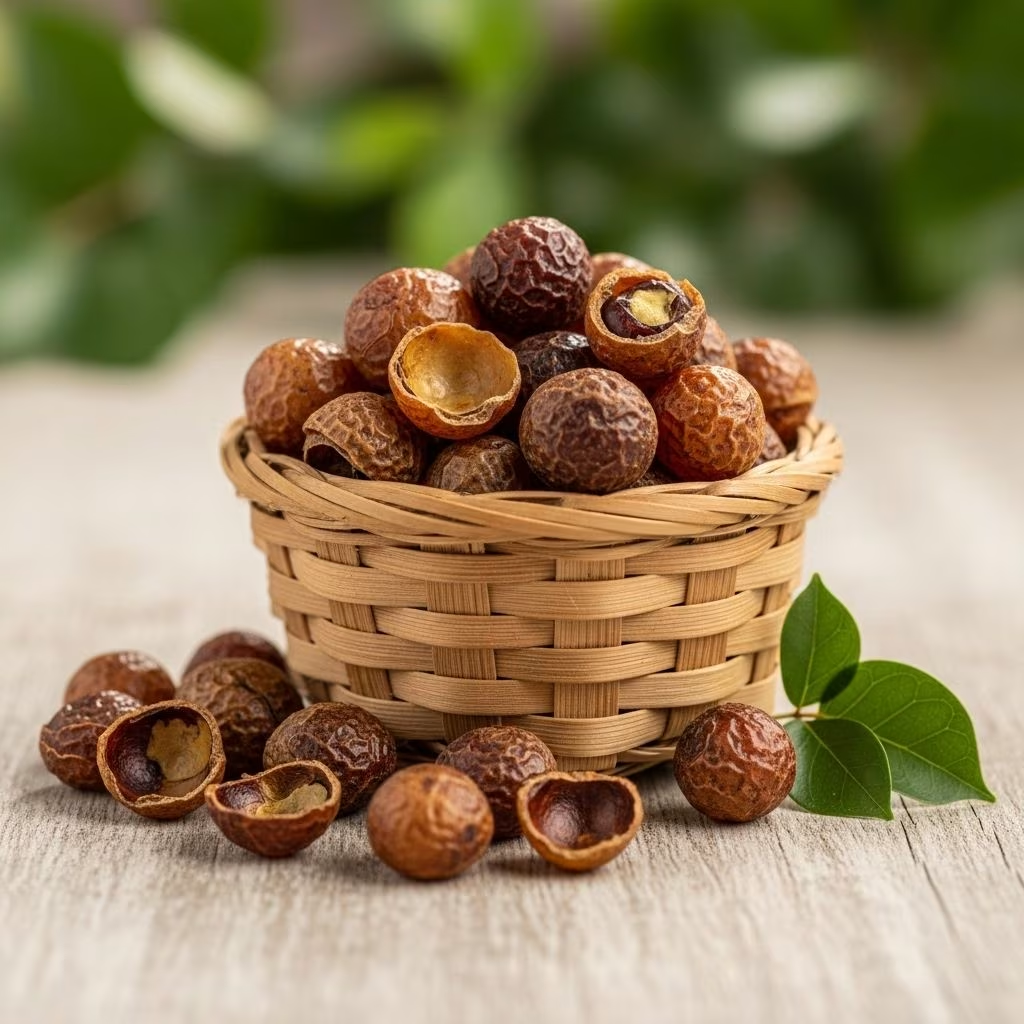
Introduction to Soapnuts: Nature’s Cleanser
Soapnuts, also known as Reetha or soapberries, have been cherished in Ayurveda and traditional medicine for centuries for their natural cleansing properties. Derived from the Sapindus genus, these small fruits are a sustainable, eco-friendly alternative to synthetic chemicals in personal care. Packed with a natural surfactant called saponin, soapnuts produce an effective, gentle lather that safely cleanses the skin, hair, and even household items, without harming the environment or irritating sensitive users.
What are Soapnuts?
Soapnuts are the dried fruit shells of the Sapindus tree, native to India, China, Nepal, and Southeast Asia. When the shells come in contact with water, saponin is released, creating a mild foam that effectively cleanses dirt, oil, and microbial contaminants. Their use dates back generations for everything from personal hygiene to laundering fabrics—making them a true all-in-one natural remedy.
- Scientific Name: Sapindus mukorossi
- Common Names: Soapnut, Reetha, Soapberry
- Main Active Component: Saponins
Soapnuts in Ayurveda
Ayurveda, India’s ancient system of medicine, highly values soapnuts for their holistic cleansing, balancing, and rejuvenating properties. Soapnuts are considered Tridosha pacifying, particularly effective for balancing Kapha and Pitta doshas. Their astringent, cooling effects help soothe irritation, detoxify the skin, and maintain a healthy scalp. This alignment with Ayurvedic principles makes them a staple in traditional herbal preparations for both skin and hair.
Top Benefits of Soapnuts for Skin
Soapnuts provide a multitude of skin benefits thanks to their gentle yet powerful chemical-free action. Here’s how regular use can rejuvenate and protect your skin:
- Gentle Cleansing: Soapnuts cleanse without stripping away natural oils, making them ideal for even the most sensitive skin types.
- Natural Exfoliation: Their slightly abrasive texture gently removes dead skin cells, dirt, makeup, and excess oil.
- Anti-Acne & Antibacterial: Saponins, with natural antibacterial and antifungal properties, help combat acne, pimples, and other small skin eruptions by reducing bacteria and inflammation.
- Soothes Skin Conditions: Soapnuts are traditionally used to alleviate symptoms of eczema, psoriasis, rashes, and redness. Their anti-inflammatory action calms itching and promotes healing.
- Balances Oil Production: By regulating the skin’s sebum, they prevent excessive oiliness or dryness.
- Antioxidant Protection: Rich in vitamins A, D, E, and K, soapnuts help fight free radical damage, slowing the signs of aging and promoting an even skin tone.
- Hypoallergenic: Their chemical-free composition reduces the risk of allergic reactions, making them suitable for delicate or allergy-prone skin.
Key Soapnut Skin Uses
- Natural face wash: Deeply cleanses pores without irritation.
- Body and hand wash: Maintains skin’s natural barrier.
- Face mask: Soapnut powder combined with rose water can soothe and heal rashes and outbreaks.
- Makeup remover: Dissolves stubborn cosmetics naturally.
Top Benefits of Soapnuts for Hair
Soapnuts have been a staple of hair care in India and other Asian cultures for centuries. Here’s how they benefit your scalp and tresses:
- Scalp Cleanser: Effectively removes dirt, excess oil, and dandruff without harsh chemicals or drying out the scalp.
- Prevents Dandruff and Itchy Scalp: Their antifungal properties help reduce scalp flakes, itching, and inflammation, offering relief from persistent dandruff.
- Stimulates Hair Growth: By nourishing hair roots and improving scalp circulation, soapnuts may promote healthy hair growth and reduce shedding.
- Reduces Hair Loss: Balances scalp pH, moisturizes follicles, and helps reduce breakage, which can slow down hair thinning.
- Adds Shine and Softness: Regular use leaves hair silky, shiny, and manageable, while also decreasing dryness and split ends.
- Detangles and Conditions: Soapnuts can be used as a natural conditioner, making hair less prone to tangling and frizz.
- Protects Hair Color: Especially beneficial for those with color-treated hair, as the mild action helps preserve dyed tresses.
Common Soapnut Hair Uses
- Herbal shampoo: Boil soapnuts to create a cleansing hair rinse.
- Scalp mask: Soapnut paste (with water or herbal infusions) treats specific scalp conditions.
- Dandruff treatment: Combine with fenugreek seeds, apply the rinse regularly to reduce scalp flakes.
Other Health and Environmental Benefits of Soapnuts
Soapnuts extend their usefulness far beyond personal care. Their eco-friendly, hypoallergenic qualities make them valuable for the whole household and the environment:
- Natural Laundry Detergent: Place a few soapnut shells in a cloth bag and toss into your washing machine—safe for even sensitive skin and gentle on fabrics.
- Safe for Babies and Children: Mildness makes soapnuts ideal for delicate, young skin.
- Household Cleaner: Soapnut solution can be used to clean dishes, surfaces, and more. It’s biodegradable and non-toxic.
- Jewelry Cleaner: The saponin in soapnuts gently cleans jewelry and restores shine without harsh chemicals.
- Eco-Friendly: Completely biodegradable and sustainably sourced—soapnuts do not pollute waterways or soil when disposed.
| Application | Soapnut Benefit | How to Use |
|---|---|---|
| Skin Cleansing | Removes dirt, excess oil, dead cells | Use liquid soapnut solution as a face/body wash |
| Anti-acne Treatment | Antibacterial, soothes inflammation | Apply soapnut paste or wash affected areas |
| Scalp Care | Reduces dandruff, itchiness, flakes | Use soapnut shampoo or scalp mask |
| Laundry | Natural detergent, hypoallergenic | Place shells in laundry bag; add to washing machine |
| Jewelry Cleaning | Removes tarnish and grime | Soak jewelry in soapnut solution, gently scrub |
How to Use Soapnuts: Methods for Skin, Hair, and Home
Soapnuts can be used in various forms—liquid, powder, or whole. Below are time-tested methods for harnessing their benefits:
Soapnut Liquid Cleanser
- Boil 10–15 soapnut shells in 4 cups of water for 20 minutes.
- Cool and strain the solution.
- Store in a clean glass bottle and use as a natural shampoo, face wash, or household cleaner.
Soapnut Powder
- Dry soapnuts completely in sun or oven until brittle.
- Grind into a fine powder using a blender or mortar and pestle.
- Mix with water, rosewater, or herbal infusions to use as a face mask, scrub, or scalp cleanser.
Direct Application
- Soak 5–6 soapnuts overnight in water.
- Squeeze pulp to extract soapy liquid, then apply directly to scalp, hair, or skin.
- Rinse thoroughly after a few minutes.
As Laundry Detergent
- Place 4–5 shells in a small muslin or cloth bag.
- Add bag to the washing machine with your clothes.
- Reuse for up to 3–4 washes, then compost the used shells.
Side Effects and Precautions
Soapnuts are generally safe, but a few considerations should be kept in mind:
- Perform a patch test before use, especially if you have a known allergy to nuts or plant-based products.
- Keep away from the eyes—soapnut liquid may cause irritation.
- Internal consumption is not recommended unless specifically prepared as a remedy by an expert.
- In rare cases, mild skin irritation may occur; discontinue if any redness or burning develops.
Tips for Selecting and Storing Soapnuts
- Buy organic, pesticide-free soapnuts for the purest results.
- Store in a cool, dry place away from direct sunlight to preserve saponins.
- Soapnut powder and liquid should be kept in airtight containers to avoid moisture contamination.
Frequently Asked Questions (FAQs)
Q: Are soapnuts suitable for all skin types?
A: Yes. Soapnuts are hypoallergenic and suitable for sensitive, oily, dry, and combination skin. Always patch test before the first use to rule out rare allergic reactions.
Q: Can soapnuts be used on color-treated hair?
A: Soapnuts are gentle and help preserve color vibrancy since they lack harsh chemicals found in many synthetic shampoos.
Q: Do soapnuts help with dandruff?
A: Yes. Soapnuts’ antifungal and soothing properties can relieve itching, flaking, and scalp irritation caused by dandruff when used regularly.
Q: Are there any environmental benefits to using soapnuts?
A: Absolutely. Soapnuts are fully biodegradable, non-toxic, and sustainably harvested, causing minimal impact on the planet compared to chemical-based detergents and cleansers.
Q: How long do soapnuts last for household use?
A: Whole soapnut shells can be reused for 3–4 washes before losing effectiveness. Keep them dry between uses for maximum lifespan.
Conclusion
Soapnuts stand out as an ancient remedy, bridging traditional wisdom and modern sustainability. Whether for cleansing, skincare, haircare, or eco-conscious cleaning, they harness nature’s power in its gentlest form. Embracing soapnuts in your daily routine is not only a step toward personal wellness, but also a stride toward a healthier environment.
References
- https://www.kifyhospital.com/post/soap-nuts-hair-and-skin-benefits
- https://www.ouroilyhouse.com/soap-nut-benefits/
- https://ayutherapy.com/news/ayurvedic-benefits-of-soapnuts/
- https://curlvana.in/blogs/ingredient-directory/soapnut-or-reetha
- https://hairborist.com/en/blog/soap-nuts-what-are-their-benefits-in-cosmetics-2/
- https://www.silkrute.ca/health-and-personal/hair-care/hair-masks/100-pure-soapnut-reetha-powder-for-hair-skin-and-face-100-gm/
- https://juicychemistry.com/pages/soap-nut
- https://www.clinikally.com/blogs/news/unlocking-the-hair-benefits-of-reetha-soapnut-a-100-natural-wonder
- https://naturalherbal.info/soapnut-shells-benefits-hair-skin/


