


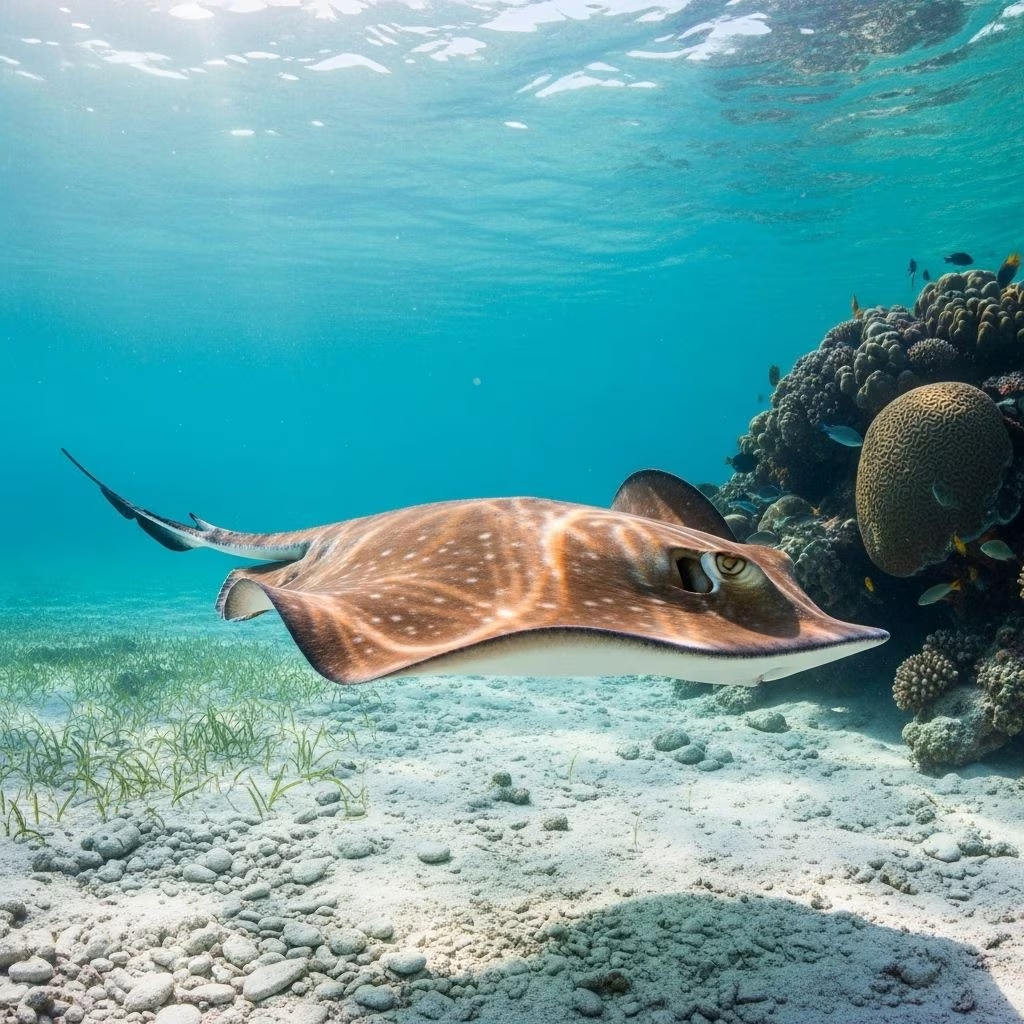
Stingrays, with their sleek bodies and iconic whip-like tails, evoke both fascination and curiosity. Not just marine wonders, these cartilaginous fish are important in ecological systems and, surprisingly to some, valued as a food source in several cultures. This article delves into the world of stingrays—examining their biology, ecological roles, nutritional benefits, culinary uses, and what you can expect from their taste and texture.
What Are Stingrays?
Stingrays are cartilaginous fish related to sharks, belonging to the order Myliobatiformes. Their bodies are notably flat, with broad, wing-like pectoral fins seamlessly joining to the head, giving them a unique disc-like appearance. Stingrays’ most striking feature is their tail, which often houses venomous spines used primarily for defense rather than hunting.
Members of the family Dasyatidae and related groups are found in oceans, rivers, and lakes worldwide. Most are marine species, but some, like the Amazonian freshwater stingrays, live in riverine habitats.
Types of Stingrays
The world holds over 200 recognized stingray species, each exhibiting diverse adaptations:
- Southern Stingray (Hypanus americanus) – Common in Caribbean shallow coastal waters and sandy seabeds.
- Atlantic Stingray (Hypanus sabinus) – Small, coastal species found along the U.S. Atlantic coast; occasionally enters freshwater rivers.
- Freshwater Stingrays (Family Potamotrygonidae) – Native to South America, including the Amazon basin, these rays adapt to low-salinity environments.
- Yellow Stingray (Urobatis jamaicensis) – A small, patterned ray of Caribbean origin.
- Blue-spotted Stingray – Distinctively marked, common in Indo-Pacific reefs.
From open ocean giants to Amazonian river dwellers, stingray species display striking diversity in size, coloration, and preferred habitats.
Habitat and Behavior
Stingrays inhabit coastal waters, reefs, estuaries, and some freshwater environments:
- Marine Stingrays – Most species dwell in shallow tropical and temperate waters, especially sandy or muddy seabeds, where they bury themselves for camouflage and protection.
- Freshwater Stingrays – Unique among rays, some have adapted to strictly freshwater habitats, like the Amazon River.
Behaviorally, stingrays are generally docile. They use their flattened bodies to glide smoothly along the substrate and hunt for prey by sensing electrical signals from buried animals using specialized organs called the Ampullae of Lorenzini.
When threatened, stingrays may defend themselves with their venomous tail spine. Contrary to popular belief, stings are rare and often occur only when the animal is accidentally stepped on.
Stingray Biology and Physical Characteristics
Understanding stingray anatomy helps appreciate their role in nature and culinary appeal:
- Skeletal Structure: Stingrays have skeletons made of cartilage, which makes them lighter and more flexible than bony fish.
- Body Shape: Broad, flattened discs with expanded pectoral fins that extend to the snout and around the head.
- Tail: Long, whip-like, often with one or more serrated, venomous spines used for defense.
- Eyes and Spiracles: Eyes are positioned on top; spiracles, small respiratory openings just behind the eyes, allow the ray to breathe even when covered in substrate.
- Mouth and Teeth: Located on the underside, the mouth houses multiple rows of small teeth, adapted for crushing prey such as mollusks and crustaceans.
| Feature | Description |
|---|---|
| Disc Width | Ranges from 18 inches (freshwater) to over 6 feet (some marine species) |
| Tail Length | Often as long as, or longer than, the disc |
| Coloration | Varies by habitat; many have spots or patterns for camouflage |
| Venomous Spine | Present on most species’ tails, used mainly for defense |
| Skeletal Material | Cartilage, not bone |
Stingray in Food Culture
While unfamiliar to some, stingray is considered a delicacy in parts of Asia (notably Malaysia, Singapore, and South Korea), northern Africa, and among coastal communities globally. The meat, especially from the ‘wings’, is rich in flavor and protein, making it a sustainable choice in seafood markets where populations allow responsible harvest.
Historically, stingrays have been part of local diets for thousands of years, often featured in grilled, curried, or stewed dishes. The popularity of stingray recipes continues to grow as global culinary explorers seek novel foods with ecological and nutritional advantages.
Nutritional Benefits of Stingray
Stingray meat is highly valued not only for its flavor, but also for its nutritional profile:
- Lean Protein: Provides a potent source of complete protein, essential for muscle building and repair.
- Low Fat: Generally lower in fat compared to mammal meats.
- Rich in Micronutrients: Contains vitamin B12, vitamin D, selenium, magnesium, and potassium. Contributes to nervous system health, immune support, and metabolism.
- Omega-3 Fatty Acids: Like many fish, stingray provides essential omega-3 fats that may reduce inflammation and support heart health.
Because stingray is a wild seafood item, its overall fat and micronutrient content can vary according to species, habitat, and diet. Still, it remains an excellent, underutilized nutritional resource.
Comparative Nutritional Profile (Approximate per 100g)
| Nutrient | Stingray | Cod | Salmon |
|---|---|---|---|
| Protein | ~18g | 18g | 20g |
| Fat | ~1g | 0.7g | 13g |
| Calories | 85 kcal | 82 kcal | 206 kcal |
| Omega-3 | Moderate | Low | High |
*Values depend on preparation and species.
Health Considerations and Safety
Stingray is safe to eat when handled and cooked properly, but as with all seafood, a few precautions are important:
- Venomous Spines: The primary risk with live or recently-caught stingray is the venom spine on the tail. Fishers and chefs must skillfully remove this part before food preparation.
- Mercury Levels: Most stingray species are low on the food chain and tend not to accumulate high levels of mercury, unlike some large predatory fish. However, it is still best to source from clean, regulated waters.
- Food Safety: As with any seafood, freshness and hygiene during preparation are crucial to reduce risk of parasites or bacterial contamination.
When professionally processed and thoroughly cooked, stingray makes a safe and healthy addition to diverse culinary traditions.
Taste and Culinary Uses of Stingray
Curious eaters often wonder: What does stingray taste like? Stingray meat, especially from the ‘wings’ (pectoral fins), delivers a unique texture and subtle, savory flavor that has won acclaim across cultures.
- Texture: Stingray offers firm, slightly chewy flesh—comparable to skate, with long muscle fibers that can resemble lobster or crab when cooked.
- Flavor: The taste is mild, clean, and slightly sweet, with no strong ‘fishy’ aftertaste. Its flavor profile adapts well to spices, aromatic marinades, and robust sauces.
Popular Ways Stingray Is Cooked and Served
- Grilled: In Southeast Asia, fresh or marinated stingray wings are grilled over charcoal and coated with spicy sambal (chili paste), a signature preparation in Malaysia and Singapore known as ikan bakar.
- Curry: In India and Bangladesh, stingray is diced and used in rich, coconut-based curries.
- Soup/Stews: Korea features stingray in spicy soups or hongeo preparations, where fermented stingray delivers a pungent delicacy.
- Smoked or Dried: In some cultures, stingray is smoked, salted, or dried for storage and later rehydration.
- Fried or Stir-Fried: Tender pieces can be battered and fried, or quickly cooked in stir-fried dishes with seasonal vegetables.
Tips for Cooking Stingray
- Always remove the venomous tail spine before handling and cooking.
- Marinate briefly to maximize flavor and tenderize the meat.
- If grilling, avoid overcooking as the flesh can toughen quickly.
- Use robust seasonings—chili pastes, lemongrass, cilantro, or coconut—to complement the mildness of the meat.
Sustainability and Ecological Importance
Stingrays play vital roles in aquatic food webs as mid-level predators. They control benthic invertebrate populations (crabs, mollusks, worms) and in turn serve as prey for large sharks, crocodiles, and even humans.
Some species are vulnerable to overfishing, especially in regions where rays are caught as bycatch. Sustainable harvesting and responsible regulation are essential to ensure that wild populations remain healthy while supporting culinary traditions.
You can promote sustainability by sourcing stingray from certified fisheries that comply with local harvest regulations and conservation protocols.
Frequently Asked Questions (FAQs)
Q: Are all stingrays venomous, and is it dangerous to eat them?
A: All true stingrays possess a venomous spine on the tail, but this part is not edible and is always removed during processing. The meat itself contains no venom and is safe when properly cleaned and cooked.
Q: What part of the stingray is eaten?
A: The pectoral fins or “wings” are prized for their texture and flavor. Some preparations also utilize the body, but the tail, specifically the venomous spine, is discarded.
Q: Does stingray meat have a strong fishy odor?
A: Fresh stingray has a mild aroma and does not have the strong fishy smell associated with some other seafood. Proper cleaning and quick cooking further preserve its freshness.
Q: Can you eat stingray raw?
A: While some coastal cuisines use stingray in fermented or salt-cured recipes, it is generally not served raw due to its dense flesh and potential parasite content. Thorough cooking is recommended.
Q: Is eating stingray sustainable?
A: Stingray consumption can be sustainable when sourced responsibly from managed fisheries and populations. Avoid purchasing from overexploited regions or unregulated markets.
Final Thoughts
From its unique anatomy and essential ecological roles to a place of esteem on international menus, the stingray is far more than a curious ocean dweller. With a distinct flavor, high nutritional value, and numerous culinary uses, stingray offers adventurous eaters and eco-conscious consumers a chance to explore new tastes while supporting sustainable fishing traditions. As with all wild seafood, choose wisely, prepare safely, and savor the discovery that stingray brings to the table.
References
- https://nationalzoo.si.edu/animals/freshwater-stingray
- https://www.floridamuseum.ufl.edu/discover-fish/species-profiles/atlantic-stingray/
- https://animaldiversity.org/accounts/Dasyatidae/
- https://www.wildlifenomads.com/blog/types-facts-stingrays/
- https://www.natgeokids.com/uk/discover/animals/sea-life/stingray-facts/
- https://en.wikipedia.org/wiki/Stingray
- https://www.britannica.com/animal/stingray
- https://www.originaldiving.com/blog/top-ten-stingray-facts
- https://www.nigelmarshphotography.com/blog-posts/sorting-out-the-stingrays


