


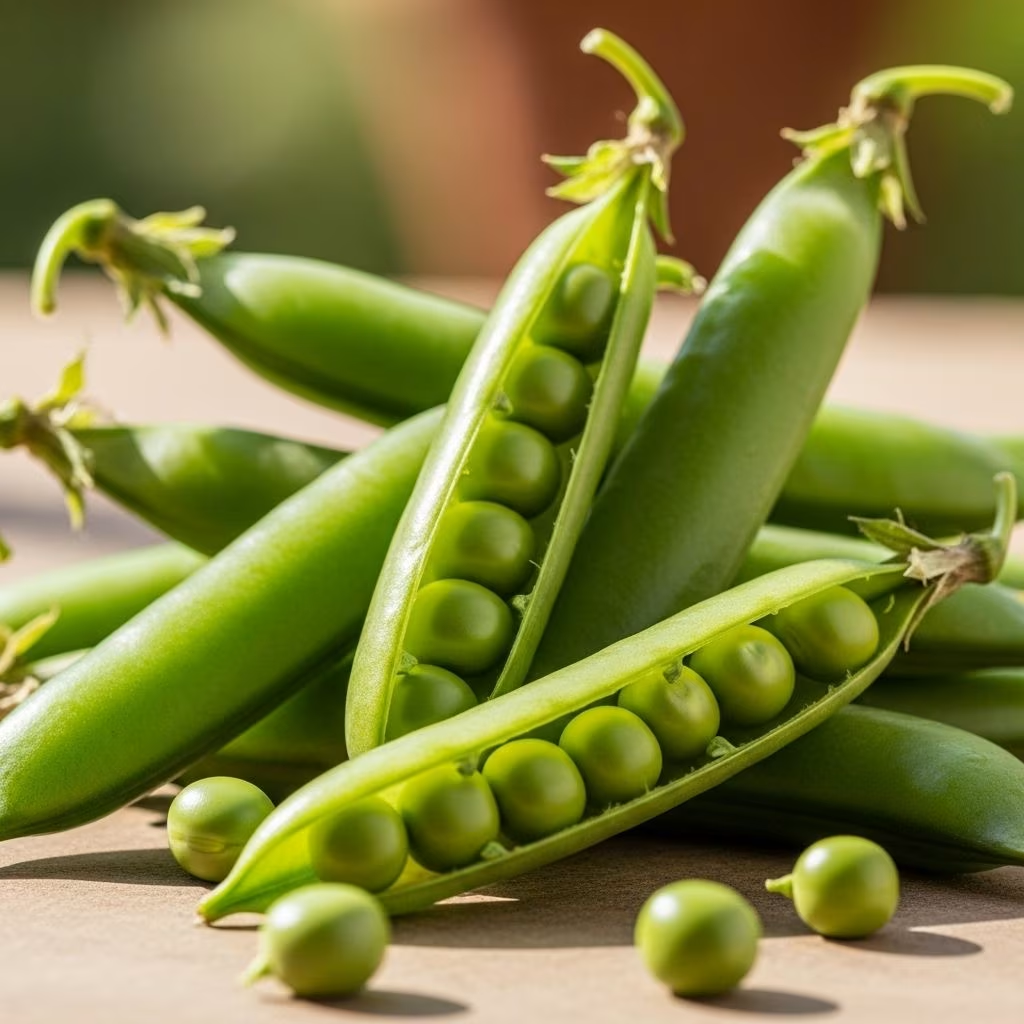
Known for their irresistible crunch and naturally sweet flavor, sugar snap peas are a beloved vegetable among gardeners, chefs, and health enthusiasts alike. This article explores everything you need to know about sugar snap peas, offering in-depth insights into their origin, nutritional value, health benefits, culinary uses, taste profile, and tips for growing and enjoying them at home.
Introduction to Sugar Snap Peas
Sugar snap peas, often simply called snap peas, are a unique variety of edible-podded peas that have become a staple in kitchens and gardens since their relatively recent introduction in the 1970s. Unlike traditional garden peas, which require shelling, sugar snap peas are enjoyed whole, including both pod and seeds.
The plant is a cool-season legume, producing attractive tendrils and vibrant green pods that not only delight the eyes but also deliver both texture and flavor in a variety of dishes.
Botanical Classification and History
| Classification | Details |
|---|---|
| Kingdom | Plantae |
| Order | Fabales |
| Family | Fabaceae |
| Genus | Pisum |
| Species | Pisum sativum |
| Cultivar Group | Macrocarpon Group |
Brief History
The story of the sugar snap pea begins in the mid-20th century. In 1952, Dr. Calvin Lamborn, a plant breeder from Idaho, crossed a mutant shelling pea with a snow pea, aiming to create an edible-podded variety with a sweeter taste and a crunchier texture. The new creation was officially released in 1979 under the name “sugar snap pea” and quickly became renowned for its unique qualities among peas.
The sugar snap pea is, therefore, a relatively recent addition to global cuisine, unlike its ancient pea cousins. Its modern breeding ensures consistent quality, sweetness, and the highly prized ability to eat the whole pod without waste.
Identification and Physical Characteristics
- Pods: Sugar snap peas grow rounded, plump, and glossy green pods, typically between 4 and 8 centimeters long (about 1.5 to 3 inches), each encapsulating
- Seeds: Pea seeds inside are round, tender, and plump, providing the distinct crunch.
- Pod Walls: Thicker and juicier than snow peas, the walls provide satisfying crunch and tenderness.
- Pod Membrane: Lacks the tough inner membrane found in traditional English (shelling) peas, making the entire pod edible.
- Plant Habit: Sugar snap pea plants are vining, relying on tendrils to climb trellises and other vertical supports, and can reach up to 6 feet if not pruned or trellised lower for harvesting ease.
This edible pod variety is often confused with snow peas and English peas, but can be distinguished by:
- Versus Snow Peas: Snap peas have plump, rounded pods with thick walls, while snow peas are flatter and thinner.
- Versus English Peas: English peas have inedible, fibrous pods and are grown only for the peas inside.
Nutritional Profile
Sugar snap peas are low in calories and carbohydrates while being rich in several key nutrients. Their impressive nutritional profile makes them a healthy snack or meal addition.
| Nutrient (per 100g serving) | Amount |
|---|---|
| Calories | 42 kcal |
| Carbohydrates | 7.5 g |
| Fiber | 2.6 g |
| Protein | 2.8 g |
| Vitamin A | 22% of Daily Value |
| Vitamin C | 100% of Daily Value |
| Vitamin K | 31% of Daily Value |
| Folate | 10% of Daily Value |
| Magnesium | 6% of Daily Value |
| Phosphorus | 5% of Daily Value |
| Potassium | 6% of Daily Value |
| Manganese | 12% of Daily Value |
Sugar snap peas are also low in fat, cholesterol, and sodium, making them ideal for a variety of diets.
Health Benefits of Sugar Snap Peas
- Rich in Vitamins and Antioxidants: Contain high levels of Vitamin C (boosts immunity and collagen synthesis), Vitamin K (critical for blood clotting and bone health), and Vitamin A (supports vision and immune function).
- Support Digestive Health: Their dietary fiber content supports healthy digestion, aids in satiety, and can help maintain stable blood sugar levels.
- Low Calorie and Nutrient Dense: With only about 42 calories per 100 grams, sugar snap peas make excellent snacks or meal additions for those looking to manage weight without sacrificing nutrition.
- Help Balance Electrolytes: Provide significant potassium and magnesium, minerals essential for heart health and muscle function.
- Contain Plant Compounds: Polyphenols and saponins found in peas may contribute to their potential anti-inflammatory and protective effects on chronic diseases.
- May Aid Bone Health: Vitamin K and manganese play a role in building and maintaining healthy bones.
Culinary Uses: Cooking and Eating Sugar Snap Peas
How to Prepare Sugar Snap Peas
- Raw: Washed and trimmed sugar snap peas are delicious eaten raw as a snack or tossed into salads for a sweet, crunchy element.
- Steamed: Gently steaming snap peas retains their vibrant color and maximizes their crunch. They require very little cooking—usually just 2–3 minutes.
- Sautéed or Stir-Fried: A quick stir-fry with olive oil, garlic, or ginger brings out their natural sweetness and maintains their texture.
- Blanched: Briefly blanched snap peas can be added to cold pasta salads, grain bowls, or veggie platters.
- Added to Main Dishes: A perfect complement to rice, noodle, or protein-based dishes—just add them near the end of cooking to avoid overcooking.
- Pickled: Sugar snap peas can also be quick-pickled for a unique addition to cocktails or charcuterie boards.
Popular Sugar Snap Pea Recipes
- Fresh snap pea and mint salad with lemon vinaigrette
- Sautéed snap peas with sesame seeds and garlic
- Stir-fried sugar snap peas with shrimp and ginger
- Snap pea, radish, and feta cheese quinoa bowl
- Pickled sugar snap peas with dill and mustard seeds
When using in recipes, note that snap peas require little preparation: simply snap off the stem end and pull downward to remove any tough string along the seam (if present).
What Do Sugar Snap Peas Taste Like?
Sugar snap peas are celebrated for their sweet, refreshing, and crisp flavor. Their taste is a harmonious balance between the slight earthiness of green peas and the subtle sweetness of fresh baby corn.
- Texture: They offer a snappy, juicy crunch that is rarely matched by other raw vegetables.
- Flavor Profile: Sweeter than snow peas and more flavorful than most peas, thanks to their hybrid lineage between snow and shelling peas.
- Culinary Versatility: Because of their balanced flavor, sugar snap peas can be featured in a wide range of dishes, from Asian stir-fries to European salads.
Overcooking should be avoided, as it turns their natural sweet crispness into a dull, limp texture.
How to Grow Sugar Snap Peas
Growing Conditions
- Season: Snap peas are a cool-season annual crop, best planted in early spring or late summer for a fall harvest.
- Sunlight: They grow best in full sunlight but can tolerate some partial shade.
- Soil: Prefer well-drained, fertile soils rich in organic matter; pH between 6.0 and 7.5 is optimal.
- Watering: Require consistent moisture, especially during flowering and pod development.
Planting and Support
- Direct sow seeds into the ground as soon as the soil can be worked in spring; seeds can germinate in soil temperatures as low as 45°F (7°C).
- Space seeds 1–2 inches apart in rows 18–24 inches wide.
- Establish a trellis or support system, as the vining habit of snap peas requires support for optimal yield and easy harvesting. Plants can reach up to 6 feet when left unrestricted, though a 3–4 foot trellis is often sufficient.
Harvest and Yield
- Harvest snap peas when pods are bright green, plump, and glossy but before seeds inside fully mature for best flavor and texture.
- Regular picking encourages more pod production throughout the growing season.
- Plants typically mature 60–70 days after planting.
Storage and Handling Tips
- Fresh Use: For best flavor, consume sugar snap peas soon after harvest or purchase; they are at their peak when crisp and juicy.
- Refrigeration: Store in a perforated plastic bag or container in your refrigerator’s crisper drawer; they usually last up to one week.
- Freezing: For longer storage, blanch washed and trimmed snap peas for 1–2 minutes in boiling water, cool rapidly in ice water, drain, and freeze in airtight bags.
- Preparation: Always rinse thoroughly and snap off stem ends before eating or cooking.
Frequently Asked Questions (FAQs)
Q: Are sugar snap peas and snow peas the same?
A: No. While both are edible pod peas, sugar snap peas have plumper, rounded pods with a sweeter taste, whereas snow peas are flatter with thinner walls and slightly less sweetness. Both are eaten whole, but their culinary uses and flavor profiles differ.
Q: Can sugar snap peas be eaten raw?
A: Yes, they are delicious raw and offer a sweet, crisp bite. They are also safe to eat uncooked and are often included in salads, crudité platters, and as healthy snacks.
Q: Are sugar snap peas good for weight loss?
A: Yes. With their high fiber content, low calories, and satisfying crunch, sugar snap peas make an excellent low-calorie food choice for those looking to lose or manage their weight.
Q: Do sugar snap peas cause gas or digestive issues?
A: While high in fiber, most people digest sugar snap peas easily when consumed in reasonable amounts. Those who are sensitive to legumes may want to start with small servings to assess tolerance.
Q: Can I grow sugar snap peas in containers?
A: Yes, sugar snap peas are well-suited to container gardening, provided they have at least 8–10 inches of soil depth, consistent watering, and support for their vines. Choose compact or dwarf varieties for best results.
Conclusion: Why Sugar Snap Peas Deserve a Place in Your Diet
Sugar snap peas are more than just a garden snack—they’re a powerhouse of nutrition, delightfully versatile in the kitchen, and a pleasure to grow at home. Their sweet taste and crunchy bite make them a favorite among children and adults alike. Whether you’re looking to improve your diet, expand your garden, or add new flavors to your culinary repertoire, few vegetables offer as much for so little effort. From salads to stir-fries and snacks to main courses, enjoy sugar snap peas raw or lightly cooked for maximum flavor and nutrition.
References
- https://www.texasrealfood.com/promptuary/legumes-beans/snap-peas/
- https://www.nparks.gov.sg/florafaunaweb/flora/6/5/6533
- https://www.healthline.com/nutrition/snow-peas-vs-sugar-snap-peas
- https://specialtyproduce.com/produce/Sugar_Snap_Peas_13383.php
- https://gjournals.gjelinagroup.com/p/gj-goes-to-the-market-snap-peas
- https://www.azurefarmlife.com/farm-blog/growing-sugar-snap-peas
- https://food.unl.edu/article/snap-peas/
- https://www.stoneybrookfarms.com/sugarsnappeas
- https://rdmintl.com/sugar-snap-peas-fruit-or-vegetable/


