


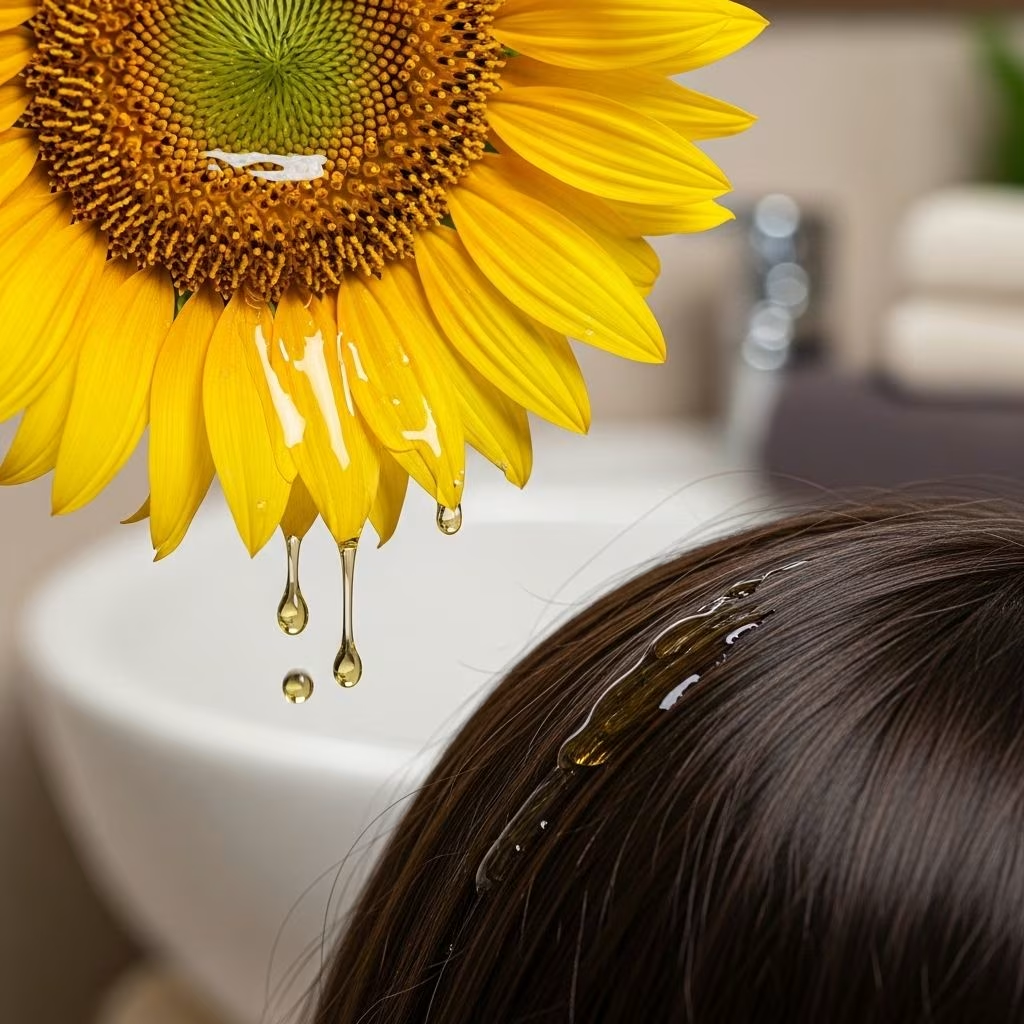
Sunflower oil, long known for its subtle flavor in culinary use, has rapidly gained recognition as a powerhouse in natural hair care. This nutrient-dense oil—cold-pressed from the seeds of the Helianthus annuus—offers a blend of essential fatty acids, antioxidants, and vitamins that nourish the scalp and transform the look and feel of hair. In this comprehensive guide, delve into the science, practical tips, and best practices for harnessing sunflower oil to achieve strong, shiny, and healthy hair.
Introduction to Sunflower Oil for Hair
Sunflower oil has become a favorite ingredient in natural hair care for its lightweight texture and robust nutrient profile. Derived from sunflower seeds, this oil is rich in vitamins and unsaturated fatty acids that work together to address various hair and scalp concerns—from dryness and damage to frizz and thinning. Unlike heavier oils, sunflower oil penetrates effortlessly, suiting virtually every hair type and making it a versatile choice for those seeking holistic hair solutions.
Why Use Sunflower Oil for Hair?
Sunflower oil stands out for its unique blend of attributes that support healthy hair at the root and along the shaft:
- Rich in essential fatty acids: Its high content of linoleic acid (an omega-6 fatty acid) nourishes the scalp and helps hair retain moisture.
- Vitamin E concentration: This potent antioxidant protects against environmental damage and supports scalp health.
- Lightweight and non-greasy: Unlike some other oils, sunflower is easily absorbed, making it ideal for fine and low-porosity hair.
Key Benefits of Sunflower Oil for Hair
The value of sunflower oil in hair care lies in its diverse benefits that target everyday hair challenges. Here is a detailed breakdown:
1. Deep Hydration for Dry and Damaged Hair
Sunflower oil’s emollient properties—derived from its fatty acid profile—help bind moisture to hair fibers, alleviating dryness and restoring vibrance to dull hair. It penetrates the hair shaft, smoothing the cuticle and locking in hydration. With regular use, hair becomes softer, shinier, and less prone to breakage.
2. Stronger, Thicker Hair and Reduced Breakage
High levels of linoleic and oleic acids in sunflower oil improve hair’s elasticity, reducing the risk of split ends and breakage. By fortifying the cuticle, sunflower oil helps hair look and feel thicker. Its vitamins and minerals—such as vitamin E, magnesium, zinc, and copper—promote a healthier scalp environment supporting natural growth cycles.
3. Scalp Health: Soothing Dandruff, Itch, and Inflammation
Thanks to its anti-inflammatory and antimicrobial effects, sunflower oil can soothe irritated, flaky scalps and help manage dandruff. Its antioxidants neutralize free radicals, while fatty acids help repair the scalp barrier, reducing itch, redness, and flaking. Consistent application may also minimize symptoms related to scalp conditions.
4. Protection Against Environmental Stressors
Sunflower oil creates a lightweight protective barrier on the hair, shielding strands from UV radiation, pollution, and heat. Vitamin E’s antioxidant properties prevent oxidative stress, which can contribute to premature hair aging and color fading, making it particularly beneficial for color-treated hair.
5. Frizz Control and Manageability
The oil’s smoothing action reduces static and tames frizz without heaviness, making it suitable even for fine or low-porosity hair. Sunflower oil’s light consistency allows easy styling while imparting a healthy, natural shine.
6. Preserving Hair Color and Shine
Sunflower oil helps preserve hair color by protecting against UV and environmental fading. Its emollient character adds luster and gloss to color-treated and natural hair alike, leaving it looking healthy and vibrant.
| Nutrient / Compound | Primary Hair Benefit |
|---|---|
| Linoleic Acid (Omega-6) | Deep hydration, strengthens follicles, improves elasticity |
| Oleic Acid (Omega-9) | Enhances softness, smooths hair, reduces breakage |
| Vitamin E | Antioxidant protection, boosts scalp circulation, helps repair damage |
| Magnesium, Zinc, Phosphorus | Supports scalp health and hair growth |
| Antioxidants (incl. sesamol) | Neutralize free radicals, reduce scalp inflammation |
How to Use Sunflower Oil for Healthy Hair
Incorporating sunflower oil into your routine is simple and effective. Select high-quality, cold-pressed, and unrefined sunflower oil for best results, as these types retain the most bioactive nutrients.
Popular Methods of Application
- Pre-Shampoo Scalp Treatment: Warm a few tablespoons of oil and massage into your scalp and hair before shampooing. Leave on for 20–45 minutes for deep hydration and scalp soothing. Rinse thoroughly with a gentle shampoo.
- As a Finishing Serum: Apply a tiny amount—just a drop or two—to dry or damp hair after styling. Focus on the lengths and ends to smooth frizz, add shine, and seal moisture.
- Overnight Mask: For an intensive treatment, apply sunflower oil generously from root to tip, combing through for even distribution. Cover with a shower cap and sleep, then wash out in the morning for ultra-soft results.
- Blended with Other Oils: Combine sunflower oil with coconut, argan, or jojoba oil for custom treatments tailored to your scalp and hair needs. This can amplify hydration and target specific issues like breakage or dullness.
Step-by-Step Guide: Sunflower Oil Scalp Massage
- Pour 1–2 tablespoons of sunflower oil into a bowl and warm gently (do not overheat).
- Part your hair and, using your fingers, massage the oil directly onto your scalp using circular motions. Spend 3–5 minutes ensuring even coverage.
- Work the oil through to ends, especially if you have dry or damaged lengths.
- Cover hair with a warm towel or shower cap for 30–45 minutes.
- Shampoo and condition as usual. Repeat weekly for best results.
Tips for Different Hair Types
- Fine or oily hair: Use sparingly as a serum, focusing on ends, to avoid weighing down roots.
- Thick, curly, or coarse hair: Apply liberally as an overnight mask to maximize hydration.
- Color-treated hair: Use before sun exposure to protect color and enhance gloss.
Best Practices and Application Tips
- Perform a patch test before first use, especially if prone to allergies.
- Use sunflower oil regularly—at least once a week—to maintain optimal scalp and hair condition.
- Mix sunflower oil into your favorite hair masks, conditioners, or styling creams for added benefits.
- Store the oil in a cool, dark place to preserve its antioxidant potency.
- If using on the scalp for dandruff or scalp concerns, ensure the oil is thoroughly washed out to avoid buildup.
Comparing Sunflower Oil to Other Hair Oils
| Oil | Texture & Absorption | Primary Benefits | Best For |
|---|---|---|---|
| Sunflower Oil | Lightweight, easily absorbed | Hydration, frizz control, scalp health | All hair types, fine to medium hair |
| Coconut Oil | Thicker, can be heavy | Deep conditioning, reduces protein loss | Thick, coarse, dry hair |
| Argan Oil | Medium texture | Softens hair, enhances shine, repairs damage | Dry or damaged hair, split ends |
| Jojoba Oil | Lightweight, sebum-like | Balances scalp, non-greasy hydration | Oily or sensitive scalps |
Sunflower oil’s chief virtue is its versatility and lightness, offering a balance of hydration and protection suitable for a majority of hair types. Those with very dry or high-porosity hair may still prefer the deeper conditioning of coconut or argan oil for intense treatments.
Potential Side Effects and Precautions
- Allergy risk: Rare, but always execute a patch test before wider use.
- Scalp buildup: Excessive oiling, especially without thorough rinsing, may cause heaviness or clog pores, potentially irritating sensitive scalps.
- Selection matters: Choose cold-pressed, unrefined, and food-grade sunflower oil to avoid additives.
- Storage: Keep oil away from sunlight and high heat to prevent rancidity and preserve nutrients.
Frequently Asked Questions (FAQs)
Q: Can sunflower oil help with hair growth?
A: While sunflower oil does not directly stimulate new hair growth, its ability to nourish the scalp, fortify follicles, reduce breakage, and maintain scalp health creates a favorable environment for robust, healthy hair. Reduced breakage may also make hair appear longer over time.
Q: Is sunflower oil suitable for all hair types?
A: Yes. Thanks to its lightweight texture and non-greasy finish, sunflower oil suits straight, wavy, curly, and coiled hair, as well as fine and thick textures. Adjust the amount used to suit your individual needs.
Q: How often should I use sunflower oil on my hair?
A: For maximum benefits, use sunflower oil once or twice weekly as a pre-shampoo treatment or mask. For frizz control, a few drops can be used daily as a leave-in serum.
Q: Does sunflower oil have a scent?
A: Pure, unrefined sunflower oil has a mild, nutty aroma that dissipates quickly after application. It will not leave hair smelling heavy or greasy.
Q: Can sunflower oil cause buildup or make hair greasy?
A: Used in moderation, sunflower oil does not typically cause buildup. However, overapplication without proper cleansing may weigh hair down, particularly for those with oily or low-porosity hair.
Final Thoughts
Sunflower oil is a powerhouse natural ingredient for modern hair care. Its unmatched versatility, featherweight texture, and robust nutrient profile make it an excellent addition to any hair regimen. Whether you aim to nourish dry ends, restore scalp comfort, defend hair color, or simply boost shine, sunflower oil delivers visible, touchable results. Consider integrating this time-honored remedy into your self-care ritual and enjoy the achievable transformation toward healthier, more radiant hair.
References
- https://www.onsetworldwide.com/blog/discover-the-miraculous-sunflower-oil-benefits-for-hair
- https://www.healthline.com/health/sunflower-oil-for-hair
- https://us.davines.com/blogs/news/sunflower-oil-benefits-for-hair
- https://augustinusbader.com/us/en/evidence/from-seed-to-shining-mane-the-magic-of-sunflower-seed-oil-for-hair
- https://pubmed.ncbi.nlm.nih.gov/12715094/
- https://pmc.ncbi.nlm.nih.gov/articles/PMC9231528/
- https://us.typology.com/library/sunflower-oil-for-hair-what-are-the-benefits


