


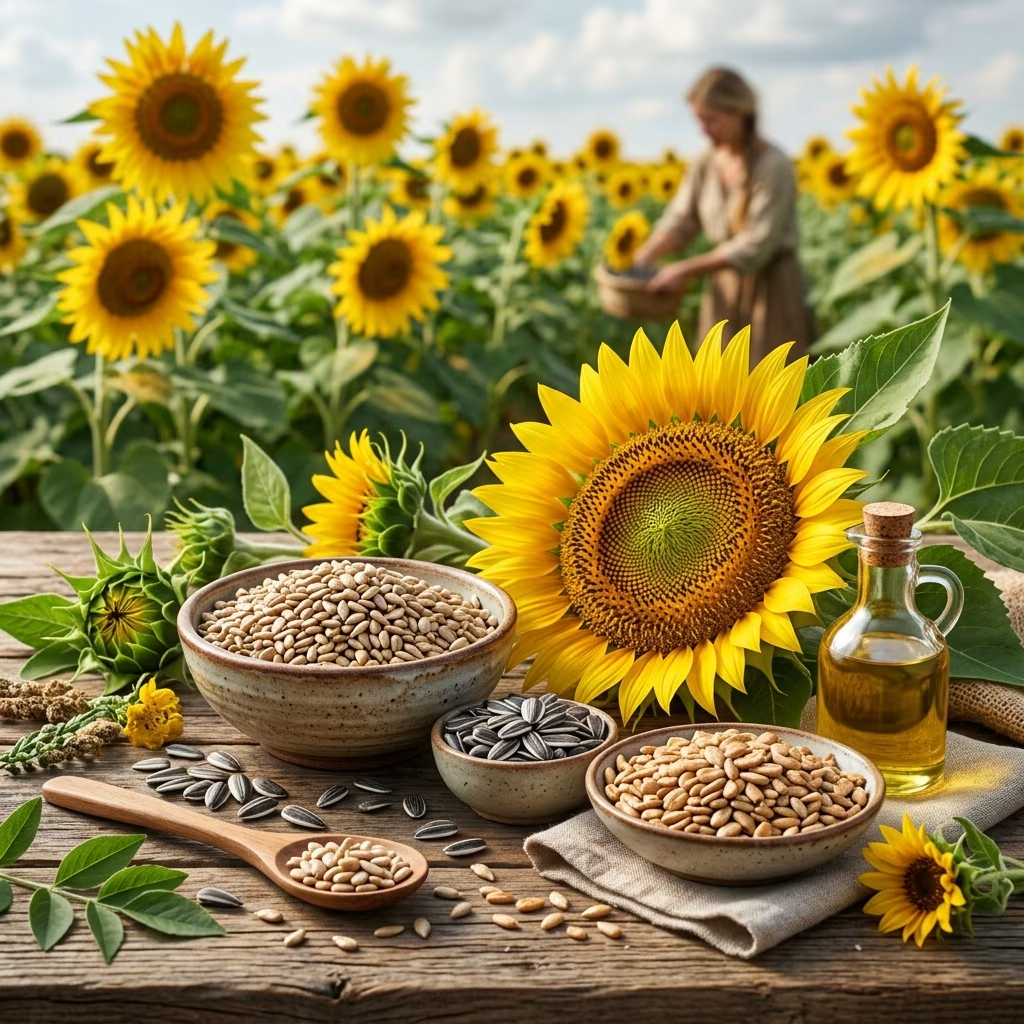
Introduction to Sunflower Seeds
Sunflower seeds are one of the most nutritious and versatile foods available, offering a wealth of health benefits and culinary applications. These seeds are rich in vitamins, minerals, antioxidants, and healthy fats, making them a great addition to a balanced diet. Whether roasted as a snack, sprouted for added nutritional value, or used in cooking, sunflower seeds are a valuable resource for enhancing both health and culinary experiences.
Nutritional Value of Sunflower Seeds
Sunflower seeds are a nutrient-dense food, providing a range of essential vitamins, minerals, and macronutrients. Here is a breakdown of their nutritional content per 1 ounce (28.35 grams) serving:
- Calories: Approximately 165 calories
- Total Fat: About 14 grams, mainly from healthy fats
- Protein: 5.5 grams, contributing to muscle health
- Carbohydrates: 6.8 grams, with a mix of starch and fiber
- Fiber: 3.2 grams, aiding digestion and satiety
- Vitamin E: 49% of the Daily Value (DV), an essential antioxidant
- Niacin, Vitamin B6, Folate, and Pantothenic Acid: Rich sources of these B vitamins
- Minerals: Good source of magnesium, zinc, copper, manganese, selenium, and iron
Health Benefits of Sunflower Seeds
Sunflower seeds offer numerous health benefits due to their nutrient-rich composition:
- Heart Health: Help lower cholesterol and blood pressure, reducing the risk of heart disease by providing essential fatty acids and antioxidants
- Antioxidant Properties: Vitamin E and selenium act as powerful antioxidants to protect against cell damage and oxidative stress
- Immune System Support: Zinc and selenium support immune function, aiding in the prevention of infections
- Cancer Prevention: High in antioxidants and conjugated linoleic acid (CLA), which may help protect against certain cancers
- Energy Boost: Provide a quick energy boost due to their fiber and protein content, making them a great snack for maintaining energy levels
- Anti-Inflammatory Effects: Vitamin E and other antioxidants help reduce inflammation in the body
Uses of Sunflower Seeds
Sunflower seeds can be incorporated into various dishes and are a versatile ingredient in many cuisines:
- Snacking: Enjoy roasted sunflower seeds as a nutritious snack
- Salads and Stir-Fries: Sprinkle sunflower seeds on salads or stir-fries for added crunch and nutrition
- Oatmeal and Yogurt: Mix into oatmeal or yogurt for a nutritious breakfast
- Baked Goods: Use sunflower seeds in baking to add texture and nutrition to muffins, bread, or cakes
- Sunflower Butter and Oil: Use sunflower butter as an alternative to peanut butter, or cook with sunflower oil for a healthier choice
Taste and Texture
Sunflower seeds can be enjoyed in several ways, each offering a unique taste experience:
- Raw: Raw sunflower seeds have a mild, nutty flavor and a soft texture
- Roasted: Roasting enhances their flavor, providing a more robust, nutty taste and a crunchy texture
- Sprouted: Sprouting can increase the nutritional value and give them a slightly sweet, earthy flavor
Frequently Asked Questions (FAQs)
Q: Are sunflower seeds good for heart health?
A: Yes, sunflower seeds are beneficial for heart health. They help lower cholesterol and blood pressure due to their high levels of healthy fats and antioxidants.
Q: Can sunflower seeds be used in cooking?
A: Absolutely, sunflower seeds can be used in a variety of dishes, from salads to baked goods, adding both nutrition and texture.
Q: How do I roast sunflower seeds at home?
A: To roast sunflower seeds, preheat your oven to 350°F (175°C). Spread the seeds on a baking sheet and roast for about 30 minutes, or until fragrant and slightly browned.
Q: Are sunflower seeds a good source of protein?
A: Sunflower seeds contain about 5.5 grams of protein per ounce, making them a decent source of plant-based protein.
References
- https://www.healthline.com/nutrition/sunflower-seeds
- https://redcliffelabs.com/myhealth/lifestyle/what-are-the-benefits-of-eating-sunflower-seeds/
- http://www.webmd.com/diet/health-benefits-sunflower-seeds
- https://health.clevelandclinic.org/are-sunflower-seeds-good-for-you
- https://www.hollandandbarrett.com/the-health-hub/food-drink/food/sunflower-seeds-benefits/
- https://www.health.harvard.edu/heart-health/seed-of-the-month-sunflower
- https://pharmeasy.in/blog/health-benefits-of-sunflower-seeds/


